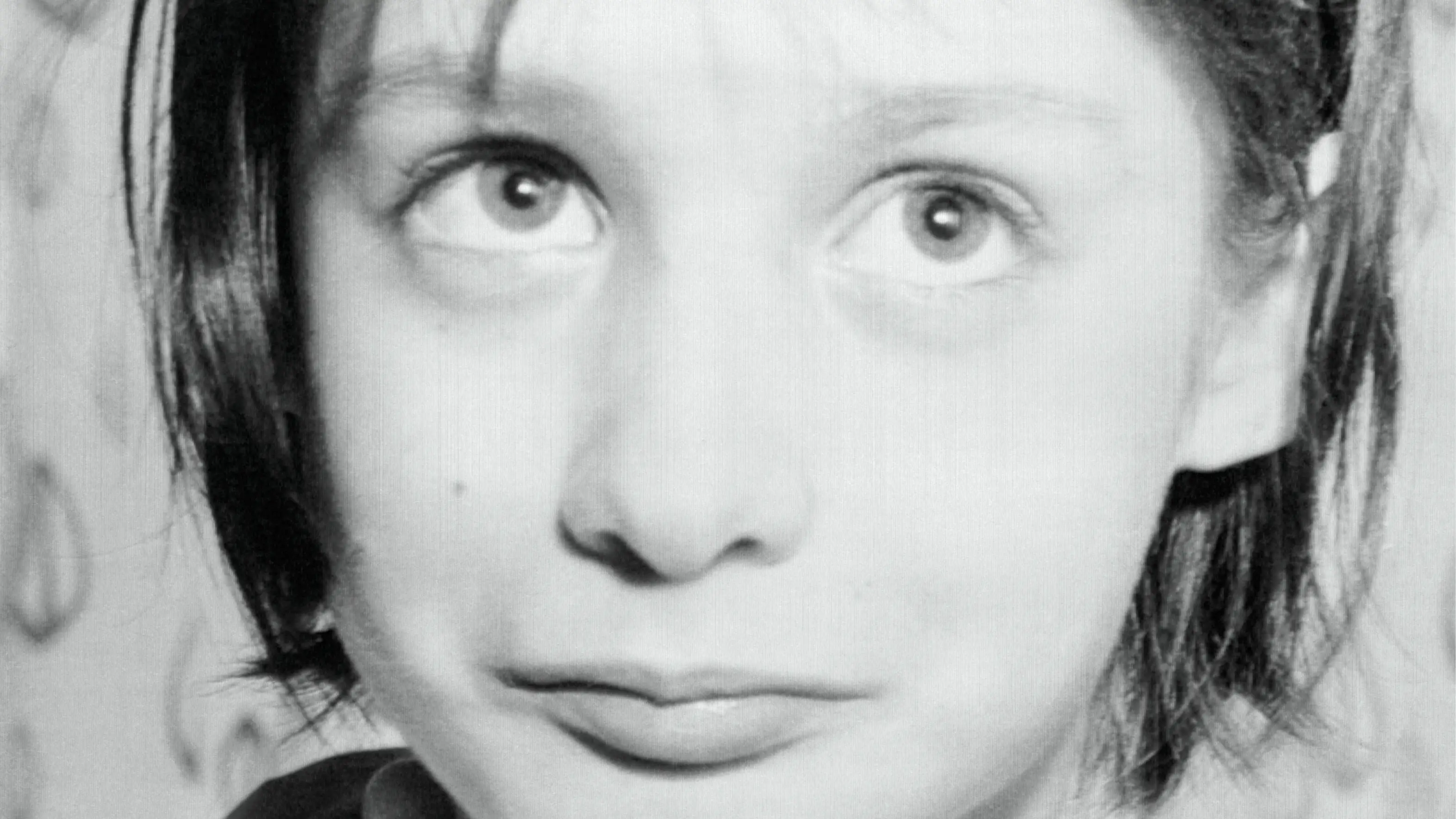
‘Feral child’ moved ‘like a rabbit’ and couldn’t speak after years of isolation

A 'feral child' who was neglected and cut off from society by being locked away by her dad became a fascinating case study for researchers.
When Genie - not her real name - was approximately 20 months old, her father began keeping her in a locked room. He almost always strapped her into a child's toilet or cruelly bound her in a crib by her arms and legs.
Nobody was allowed to interact with her, and he provided her with almost no stimulation as she was left severely malnourished for many years.
Advert
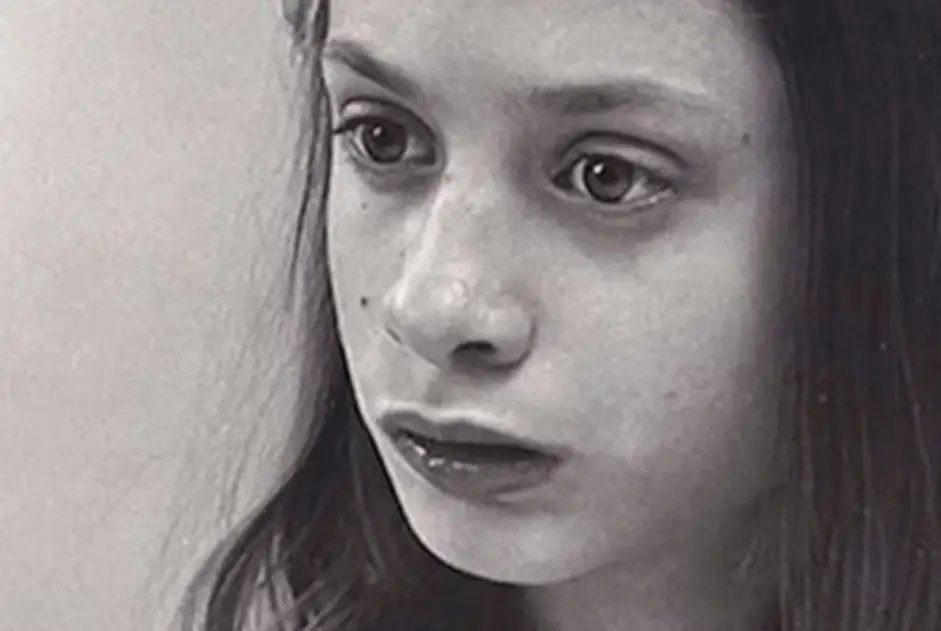
A modern day 'feral' child, she had the appearance of a seven-year-old and was unable to speak or walk properly when she was eventually saved from lonely capture aged just 13. It was noted at the welfare office that she held her withered hands 'like a rabbit' and could not properly stretch out her limbs.
She had a stooped posture, spat, was incontinent, and couldn't speak, and weighed only 59lb. She showed behaviour which was comparable to that of children who had not had any human contact growing up.
The case was re-examined in YouTube footage shared by Back of the Archive, which looked at assessing Genie's upbringing and why scientists and psychologists were so fascinated by her case.
It was November 1970 when Genie's mother had traveled with her and mistakenly entered a welfare office seeking assistance. A social worker immediately recognised something was wrong and authorities immediately got involved.
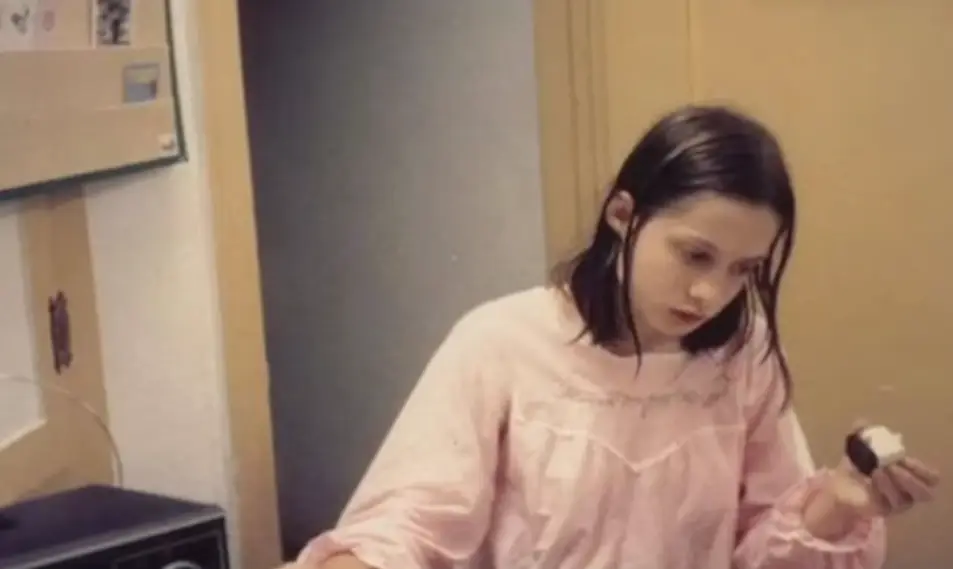
However they initially suspected she was autistic, and it was noted she was incontinent. But they were unaware of the true scale of neglect and abuse she had faced throughout her childhood. It remains as one of the worst cases of child abuse in US history.
Genie’s father Clark Wiley had kept the room she was in extremely dark throughout years of her abuse, and the only depressing stimulation she had was the crib, chairs and curtains on the windows.
It was reported that a he had unravelled into a state of paranoia and claimed he 'never liked children'. He had also become convinced that Genie was severely developmentally disabled and so he hid her away from the outside world. He would beat her if she cried and would communicate with her by barking at her.

He had spent his childhood growing up in foster homes and was described as a 'controlling man' who 'hated noise'. Despite not wanting children of his own, his first two tragically died as babies, before he went on to have a son named John and, five years later, another daughter who became known as Genie.
Throughout the ordeal, his wife Irene, two-decades younger than him, remained stricken by fear and suffered with bad eyesight until she finally fled with her daughter.
What followed was a huge child cruelty investigation, yet Clark never stood trial. On the day he was scheduled to appear in court, he died by suicide after shooting himself, and reportedly left a note which read, 'the world will never understand'.
What happened to Genie afterwards?
Psychologists and language specialists focussed on Genie's case for a number of years. Linguists tried to teach her how to speak, but she failed to really pick up the English language due to permanent harm to her early development.
According to reports, Genie could speak just a few words such as 'mother' and 'go'. Due to the scale of neglect, she moved by 'bunny hopping' and would urinate when stressed.

She underwent various brain scans and audio recordings, as well as performed countless examinations. She was confined to a specialist institutional ward in California. If still alive, her location remains a secret to protect her identity.
In 2016, Susan Curtiss, a UCLA linguistics professor who befriended Genie, told the Guardian: “Language and thought are distinct from each other. For many of us, our thoughts are verbally encoded. For Genie, her thoughts were virtually never verbally encoded, but there are many ways to think.
"She was smart. She could hold a set of pictures so they told a story. She could create all sorts of complex structures from sticks. She had other signs of intelligence. The lights were on.”
On her whereabouts, she added: "They never let me have any contact with her. I’ve become powerless in my attempts to visit her or write to her. I think my last contact was in the early 1980s.”
 James Holt