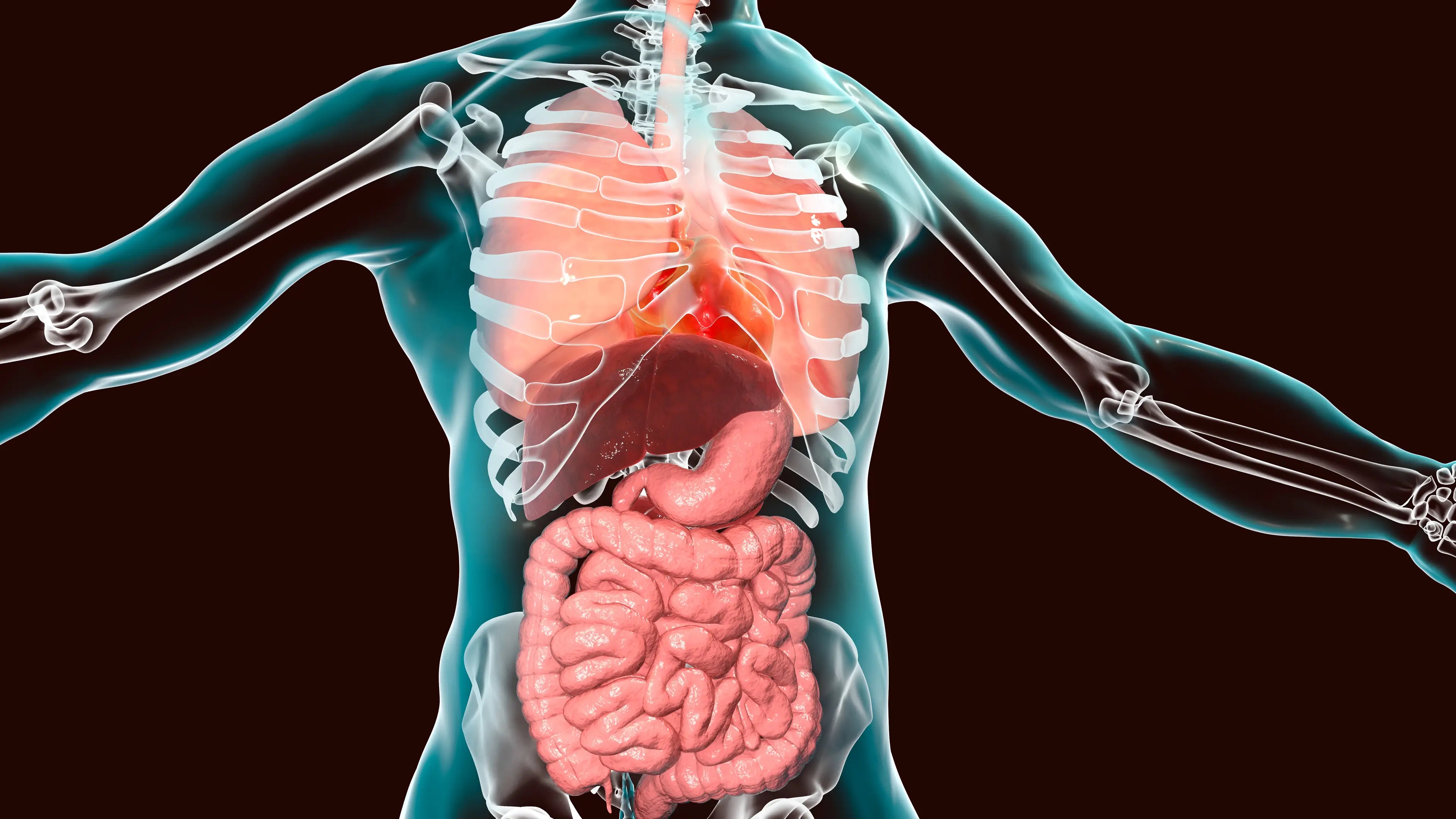
How much money entire human body is worth as shocking ‘body broker’ business uncovered

The body brokering business, which involves dead bodies being bought to be used for scientific and medical research, is a multimillion-dollar industry said to be thriving in the US.
While it's common for people to willingly donate their bodies to science once they pass, body brokering has become a controversial element in recent decades, with businesses acquiring bodies from individuals, dissecting them, and then selling them on to other companies - all without the knowledge of the individual's families and loved ones.
This is exactly what Farrah Fasold experienced.
Attempting to honour her father's death, Farrah went and donated his body to medical science after he died of cancer in late 2009. But much to her horror, she later learned that his arm was found stuffed in a barrel with other human remains.
Advert
Similarly, Kim Erick was told that her son, Chris, died by suicide in 2012, but then 'recognised' his body displayed as 'The Thinker' at an exhibition in Las Vegas.
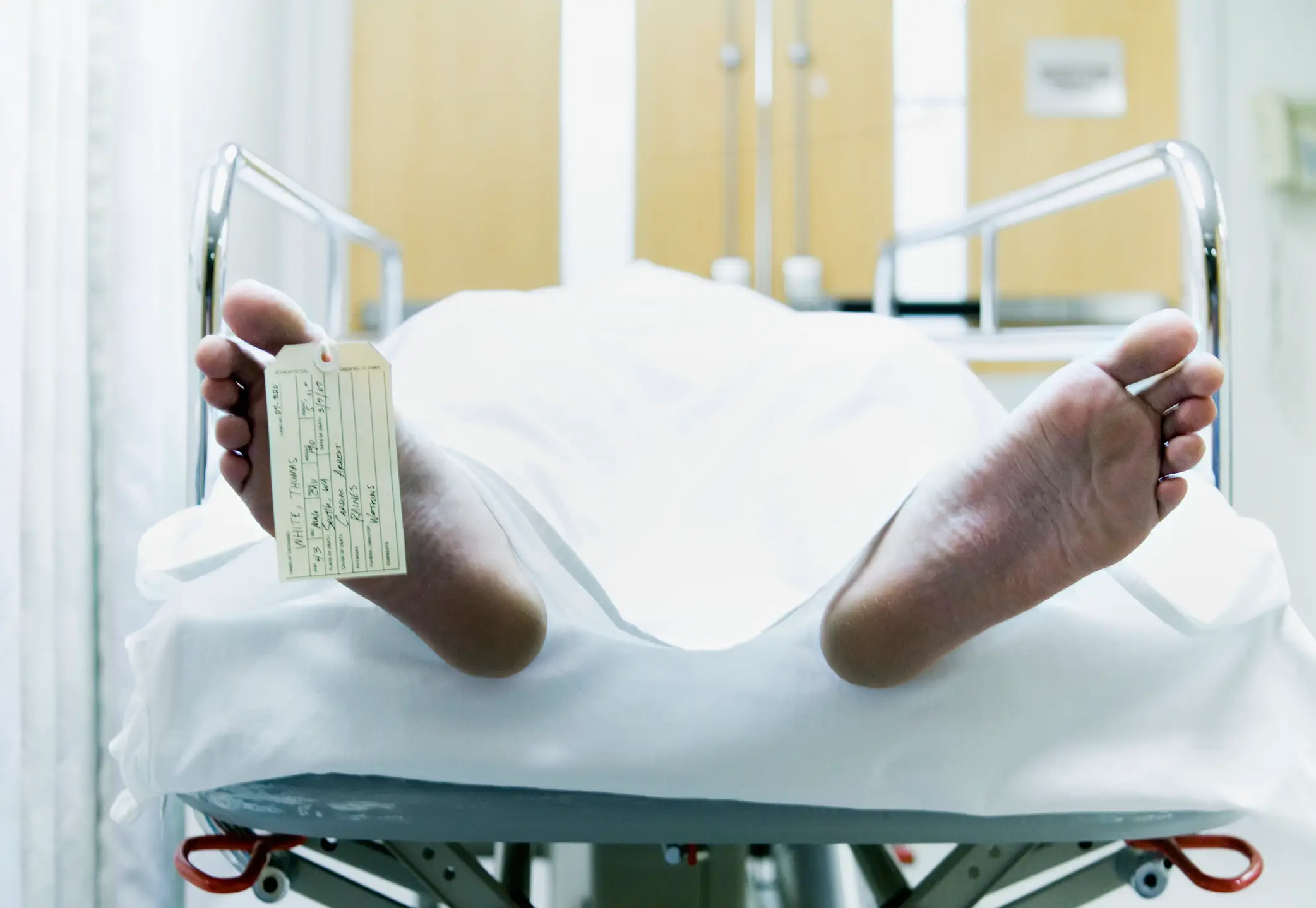
Whilst the for-profit trade to sell body parts is illegal in the UK under the Human Tissue Act, it remains largely unregulated across the pond.
Although the US's Uniform Anatomical Gift Act bans the sale of human tissue, the same law suggests that it's fine to charge a 'reasonable amount' for 'processing' a human body part.
Researcher Jenny Kleeman, who has been looking into the topic for her book The Price of Life, said to The Sun that it's a 'murky' industry'.
“In the UK, you can donate your body to medical research, but nobody’s allowed to donate your body for you. The people who administer the whole process, they don’t make a profit out of it,” the author explained.
“Whereas in America, you are allowed to make a profit out of providing these dead bodies [without permission].
“And so, because there’s no regulation saying that you can’t make money this way, it has allowed for an industry to emerge where people can provide bodies when they have no background in scientific research.”
Kleeman discovered that one company in America managed to ship body parts to the UK, as well as over other 50 countries.
Reuters journalist Brian Grow said out of the 25 businesses he came across in 2017, one earned around £9.3 million over three years.
The Sun reports that according to internal Biological Resource Centre documents, a whole body goes for up to £10,000.
But what about the value of the rest of the human body?
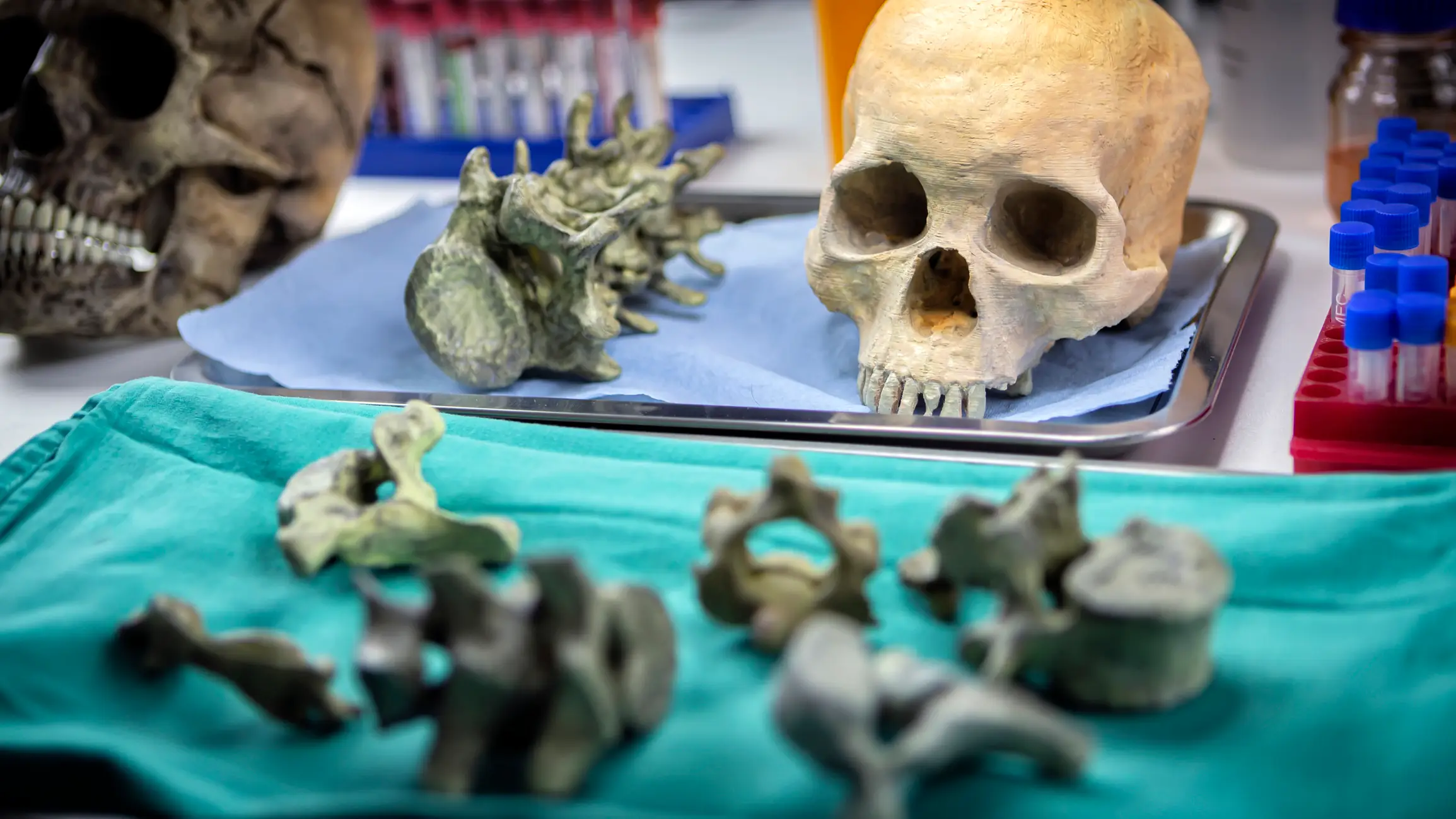
Prices per body part
• Torso - £2,360
• Liver - £450
• Head - £370
• Foot - £260
• Lower leg - £260
• Spine - £220
• Artery - £48
• Fingernail - £5
These firms refer to themselves as 'non-transplant tissue banks' that acquire corpses and sell whole bodies or parts.
These companies trade with universities and medical schools for anatomy teaching, as well as with medical engineering firms testing implants and surgical tools.
Some brokers also supply bodies to US military research programmes.
 Anish Vij