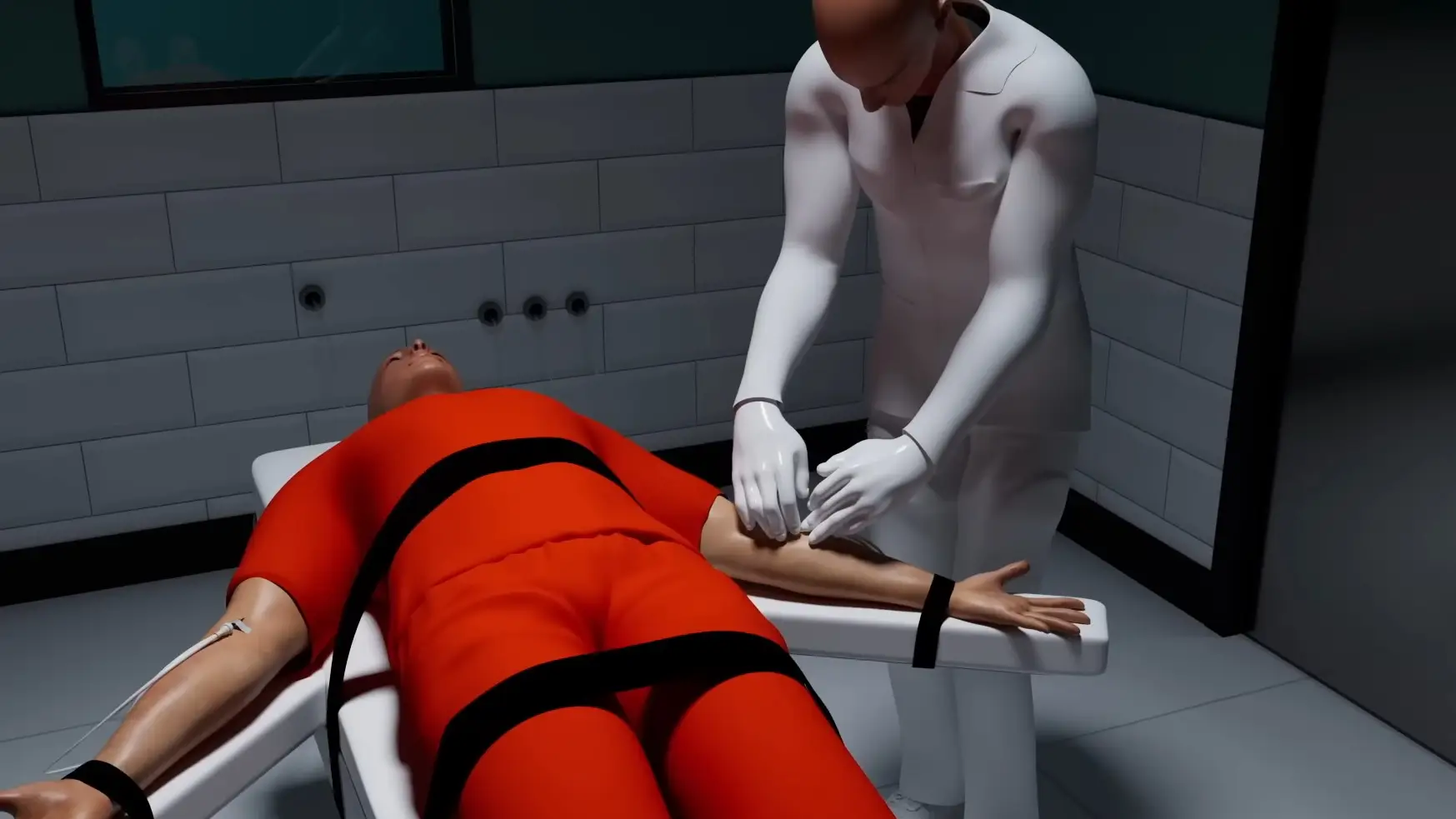
Graphic simulation shows what happens to the body during a lethal injection execution

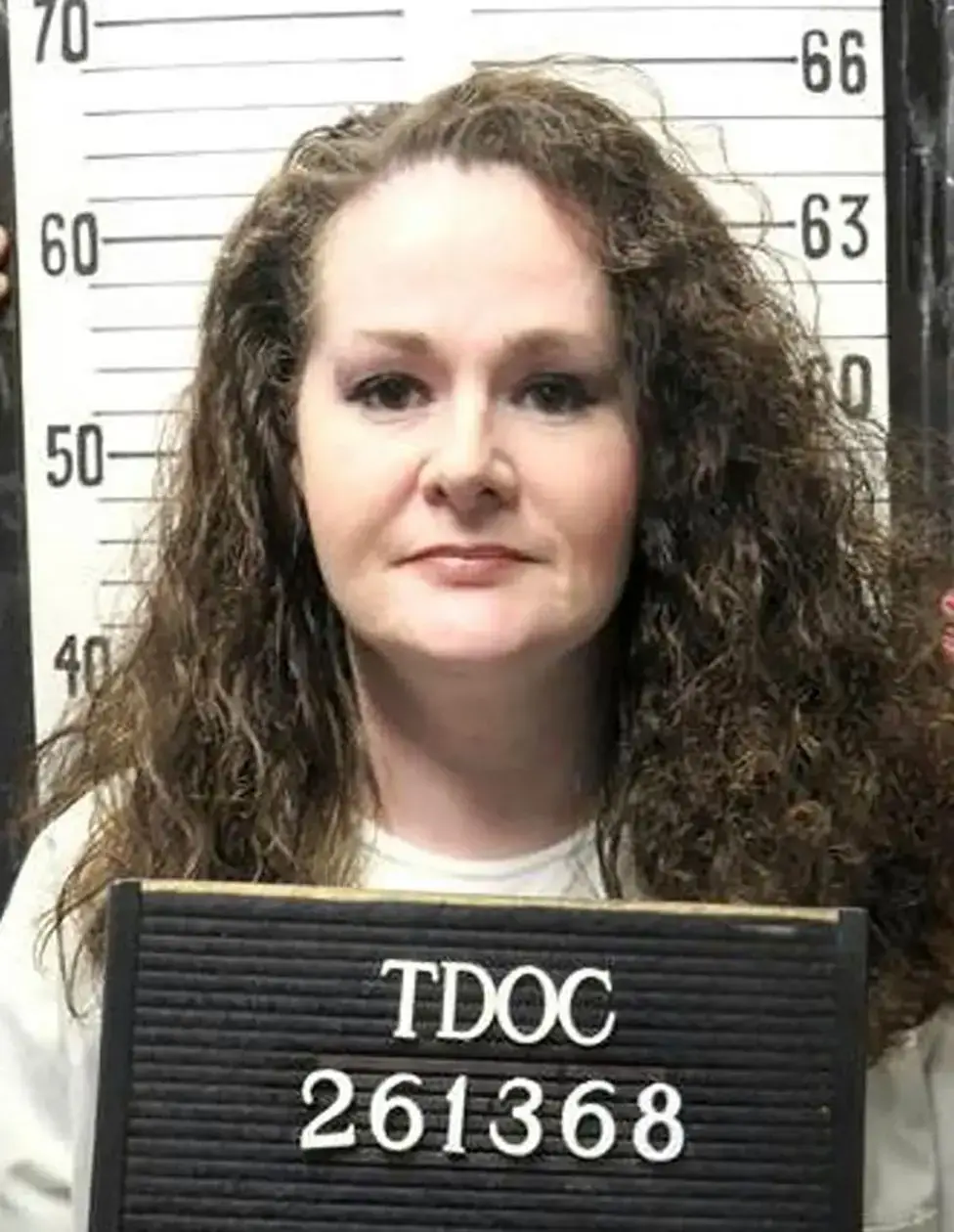
This is what happens when a death row inmate is executed via lethal injection. Tomorrow (30 September), Christa Pike is scheduled to be executed after being convicted of the 1995 murder of Colleen Slemmer.
Unless the 50-year-old is granted a last-minute reprieve, she will face the lethal injection, becoming the first woman to be executed in Tennessee in over 200 years.
What happens during the lethal injection?
Invented in the US during the 1970s and touted as a 'more humane' method of execution compared to the electric chair or firing squad, the lethal injection is legal in 27 US states as well as in other countries such as China, Vietnam and Thailand.
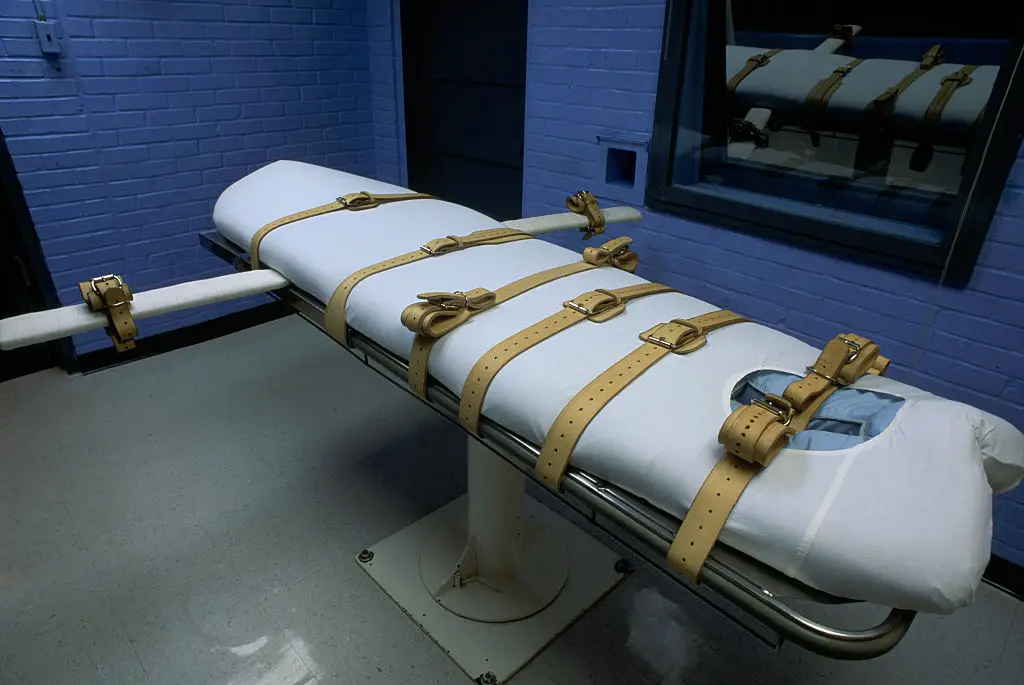
According to an educational simulation created by Dr Wealz depicting the traditional three-drug method, the condemned person is first strapped to a gurney and led into the execution chamber.
Advert
An intravenous line is then inserted into the prisoner's veins; this is followed by a sedative drug such as pentobarbital, which medically relaxes the body.
As the condemned slips out of consciousness, a second paralytic agent - in this case, pancuronium bromide - is then administered to paralyse all muscles in the body, this includes the lungs and diaphragm, which are essential for breathing.
Finally, potassium chloride is administered to induce cardiac arrest.
"With the heart's vital pumping action halted, the circulatory system grinds to a stop," the simulation explains. "Oxygenated blood can no longer be distributed throughout the body. All organs are now cut off from their vital supply of oxygen and nutrients. The brain, already starved of oxygen from respiratory failure, quickly succumbs to
catastrophic irreversible damage.
"The heart stops within about a minute of the potassium chloride injection."
Why is the lethal injection considered controversial?
Despite being designed as a more humane form of execution, the lethal injection has faced controversy over the years.
According to statistics gathered by the Death Penalty Information Centre, lethal injections have the highest rate of being botched, with 7.2 percent of sentences carried out via this method going wrong.
A report published by Reprieve outlines how a lack of medical training amongst staff has led to issues with locating inmates' veins, leading to repeated punctures with a needle.
In executions where the initial anaesthesia has failed, prisoners have remained conscious and suffocated to death after pancuronium bromide has been injected.
Reprieve claims that, as of February 2024, six people have survived the lethal injection, being subjected to prolonged pain, which many have compared to torture. In 2015, Oklahoma judge Sonia Sotomayor compared lethal injections to the 'chemical equivalent of being burned at the stake'.
Despite ethical concerns, lethal injection remains in use as a method of execution, as supporters state that there are currently no completely humane alternatives.
Topics: US News
 Brenna Cooper