The longest government shutdown in US history could be about to come to an end

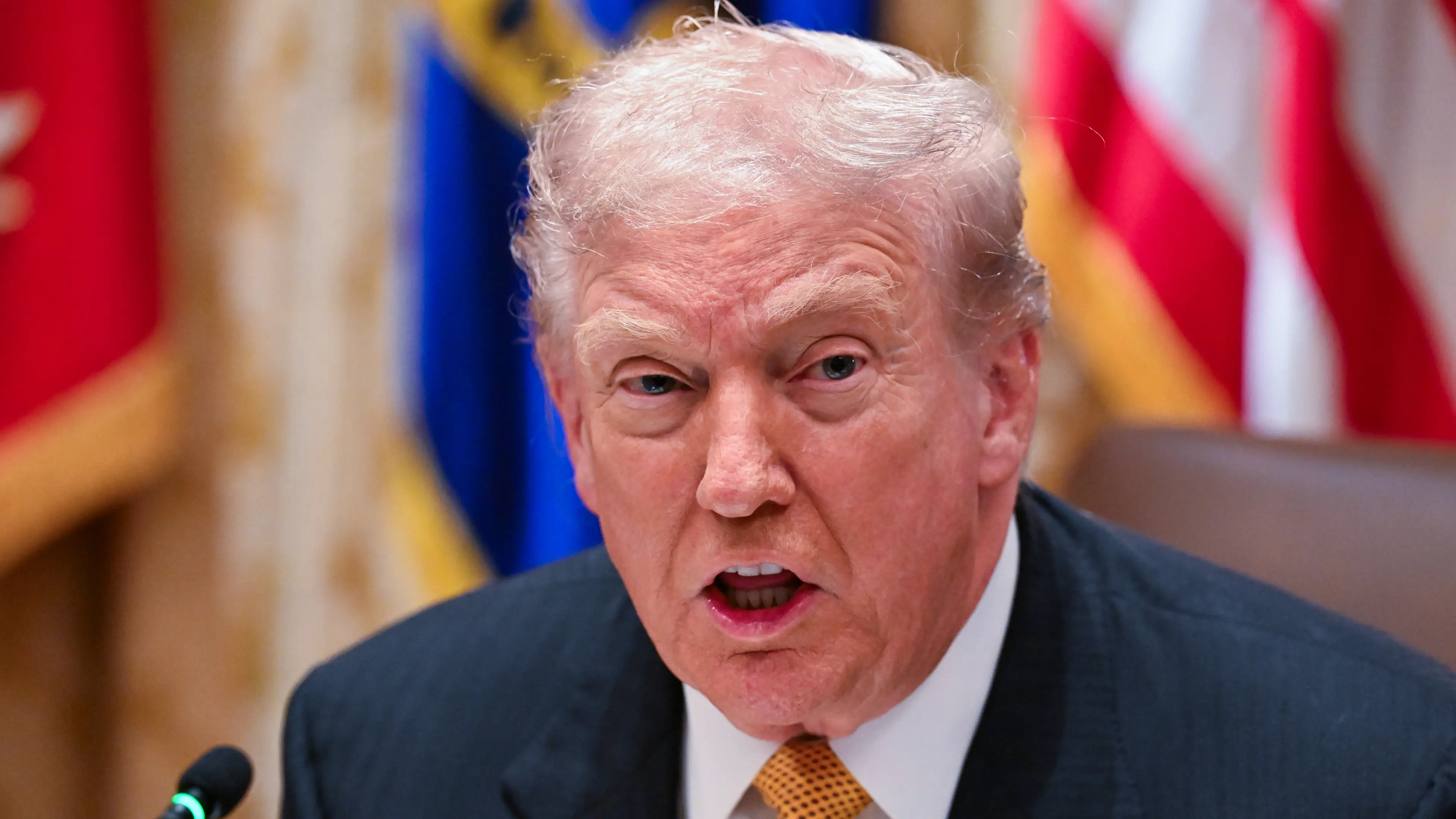
The longest government shutdown in US history could soon be about to come to an end, President Donald Trump has confirmed.
It comes as the Senate finally managed to strike a deal that saw eight of the chamber's moderate Democrats cross the aisle in a 60-40 vote, which could lead to a resolution vote as early as today, 10 November.
The agreement, which was supported by breakaway Democrats and Republicans, means an extension of government funding until the end of January so further negotiations can take place on issues like subsidies for the Affordable Care Act health plans.
On returning to the White House late last night, Trump reaffirmed the Republican stance saying they'll 'never agree to give any substantial money, or any money, to prisoners, illegals who come into our country'.
Advert
"And I think the Democrats understand that," he added. “And it looks like we’re getting close to the shutdown ending. You’ll know very soon.”
Why has the government been shut down so long?
A government shutdown occurs in the United States when Congress is unable to pass appropriate legislation, or a continuing resolution, to fund federal government operations at the start of the financial year, which is 1 October.
When this happens, non-essential federal agencies are forced to either reduce operations or cease completely, with many members of staff left without pay.
Meanwhile, essential services like defence, national security and certain benefits will continue.
The main reason for the shutdown, which has lasted 41 days so far, is because Congress and the White House have been unable to agree on a funding bill.
While the Republicans passed a continuing resolution, Senate Democrats have repeatedly rejected it because of the absence of provisions for the extension of subsidies under the Affordable Care Act.
The consequences of an extended government shutdown
In the meantime, people all over the United States are facing the negative consequences of the ongoing shutdown, with thousands going without pay.
Around 900,000 federal workers are said to have been furloughed, with a further two million working without pay.
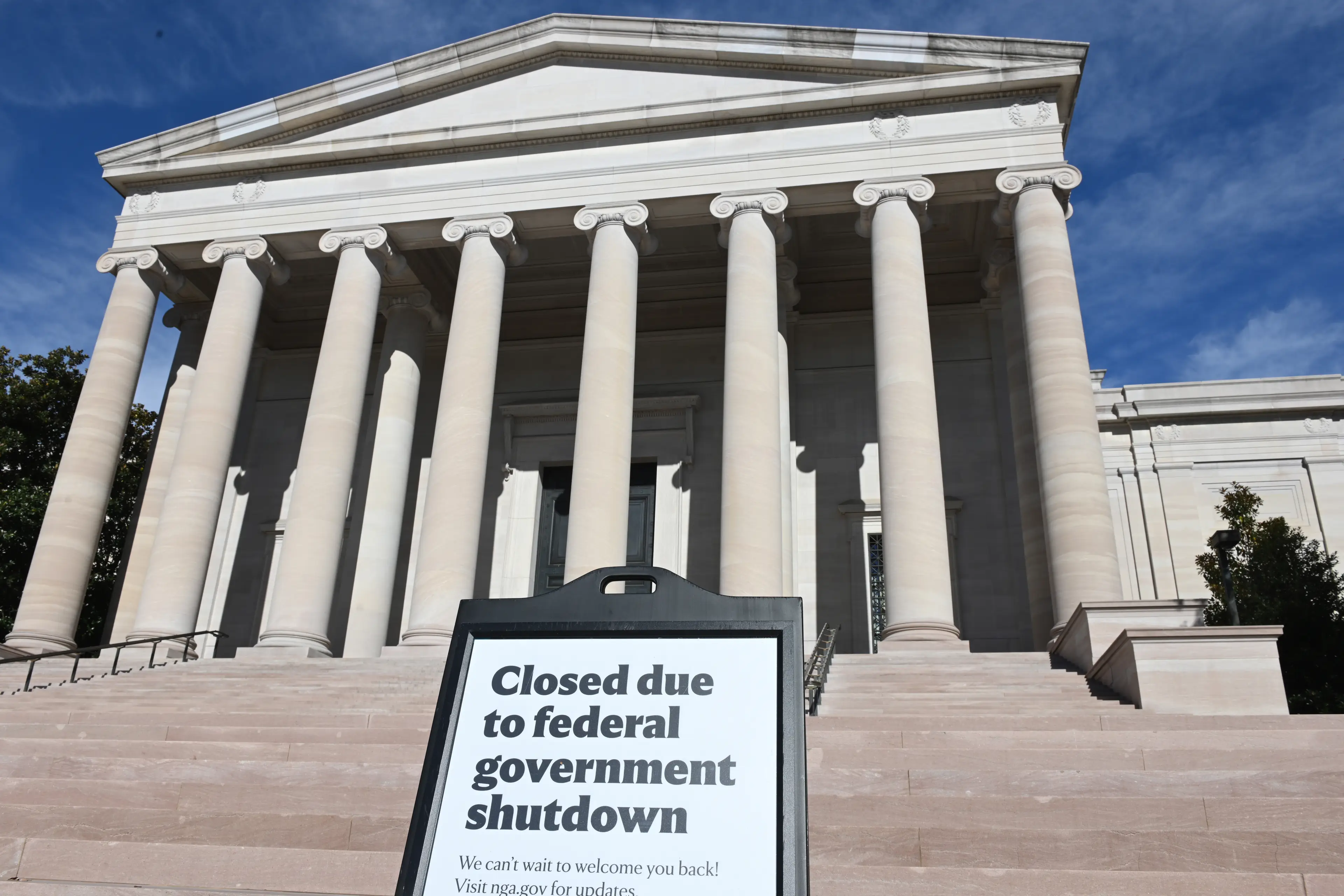
Among the services affected are IRS taxpayer services, the processing of certain government benefits, national parks and monuments, federal museums, and federal research projects.
Educational grants and early childhood programmes are also facing funding gaps.
The current deadlock is the longest in US history, overtaking the previous record of 35 days back in 2018 in Trump's first term.
Topics: Donald Trump, US News, Politics
 Emma Rosemurgey