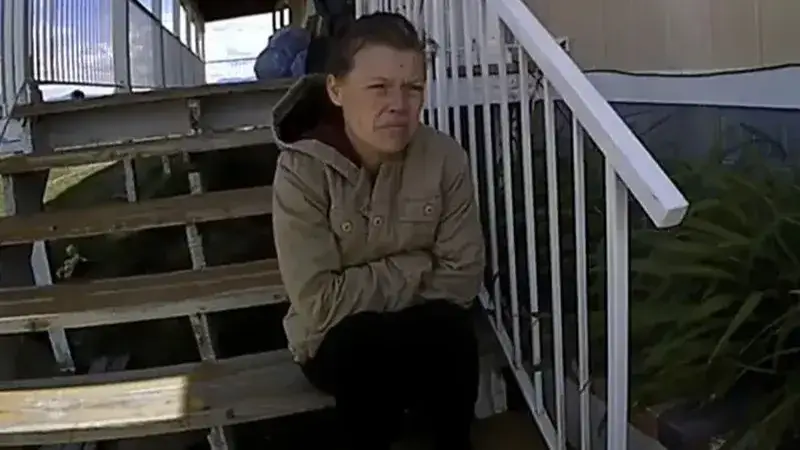
Woman who spent two years behind bars for giving herself a miscarriage wins $1.6 million payout

A woman who spent two years in prison has been awarded $1.6 million after being accused of causing her own miscarriage
Patience Rousseau, from Nevada, was struggling with drug addiction and homelessness when found out she was pregnant in 2018.
Aged 26 and living with her two sons at the time, she was unable to travel 165 miles to Reno for an abortion.
Instead, she looked online for ways to end the pregnancy herself and tried eating cinnamon and lifting heavy objects, believing they might cause a miscarriage.
Advert
Two months later, she gave birth to a stillborn baby boy, whom she named Abel, and buried him in her garden.
In 2019, she was found guilty of manslaughter under a Nevada law dating back to 1911, which made it illegal for women to deliberately end a pregnancy after 24 weeks through drug use.
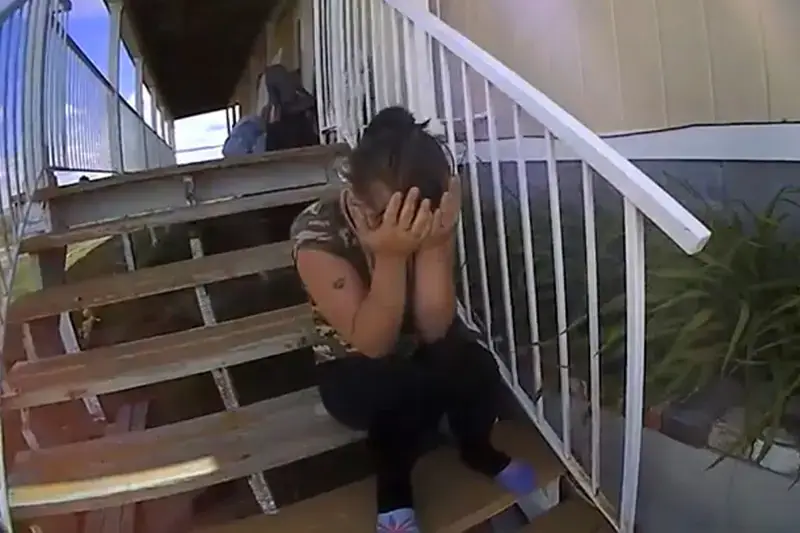
Rousseau was the first person to be convicted under the law and was sentenced to up to eight years in prison.
Her lawyers, however, appealed the conviction, arguing there was no evidence that her drug use had caused the miscarriage or that she had been taking drugs to end the pregnancy.
They also said she had not known exactly how far along she was when she lost the baby.
The conviction was overturned in 2021 after Rousseau had already spent two years in prison.
She then sought compensation for her imprisonment, but Nevada authorities initially agreed to pay her just $100,000.
Her lawyers continued fighting the case and eventually secured a $1.6 million settlement, of which Rousseau received $1.2 million after legal fees.
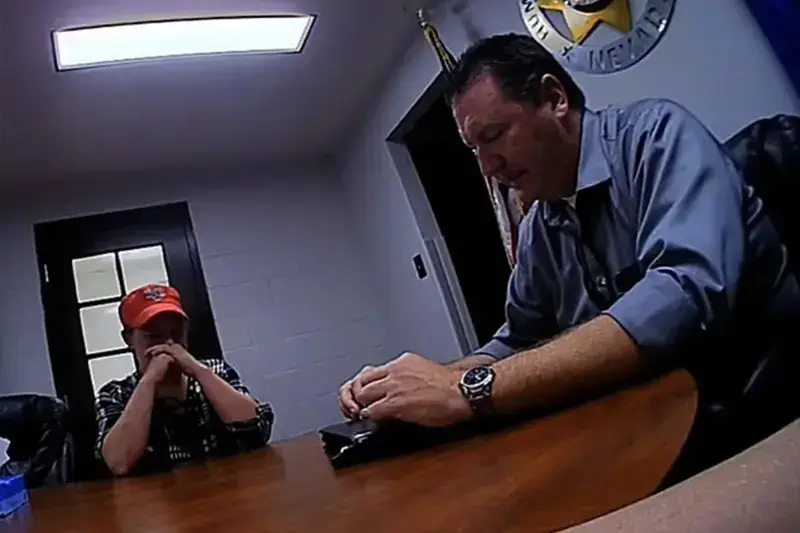
"They fought so much to avoid paying me," the 34-year-old told The Nevada Independent.
"I went through so much and so did my children, who are still facing these issues. It's not fair."
Civil rights attorney Paola Armeni, who represented Rousseau in her settlement claim, said to the outlet that it was like being targeted by a lynch mob, 'all the while under a statute that was on the books before women were even allowed to vote in Nevada.'
"The trauma of all of it was pretty horrendous," Armeni said.
"I don't ever want to come back to Nevada again, or honestly ever see any of the people in Winnemucca again," she added.
"They ruined it for me."
Rousseau plans to use the money to pay off her house in South Dakota, buy her mother a car and open a shop selling rare aquatic plants and animals.
 Anish Vij