
How Australia's £4.5 trillion discovery could change world economy

Australia has struck gold after the discovery of an iron ore deposit worth £4.5 trillion - but how could it reshape the global economy?
Australia recently came into a huge payday when 55 billion metric tonnes of high-grade ore were uncovered underneath the remote Hamersley region in the west of the country, thanks to new imaging technology.
The discovery will be hugely beneficial for Australians, as the country is already the world's largest iron ore exporter, meaning the new findings will allow the Oceanian nation to continue its domination.
But just how significant is this discovery for global iron markets?
Advert
Significantly, if one projection is to be believed, as the iron deposits give Australia not only the ability to monopolise markets but also alter pricing.
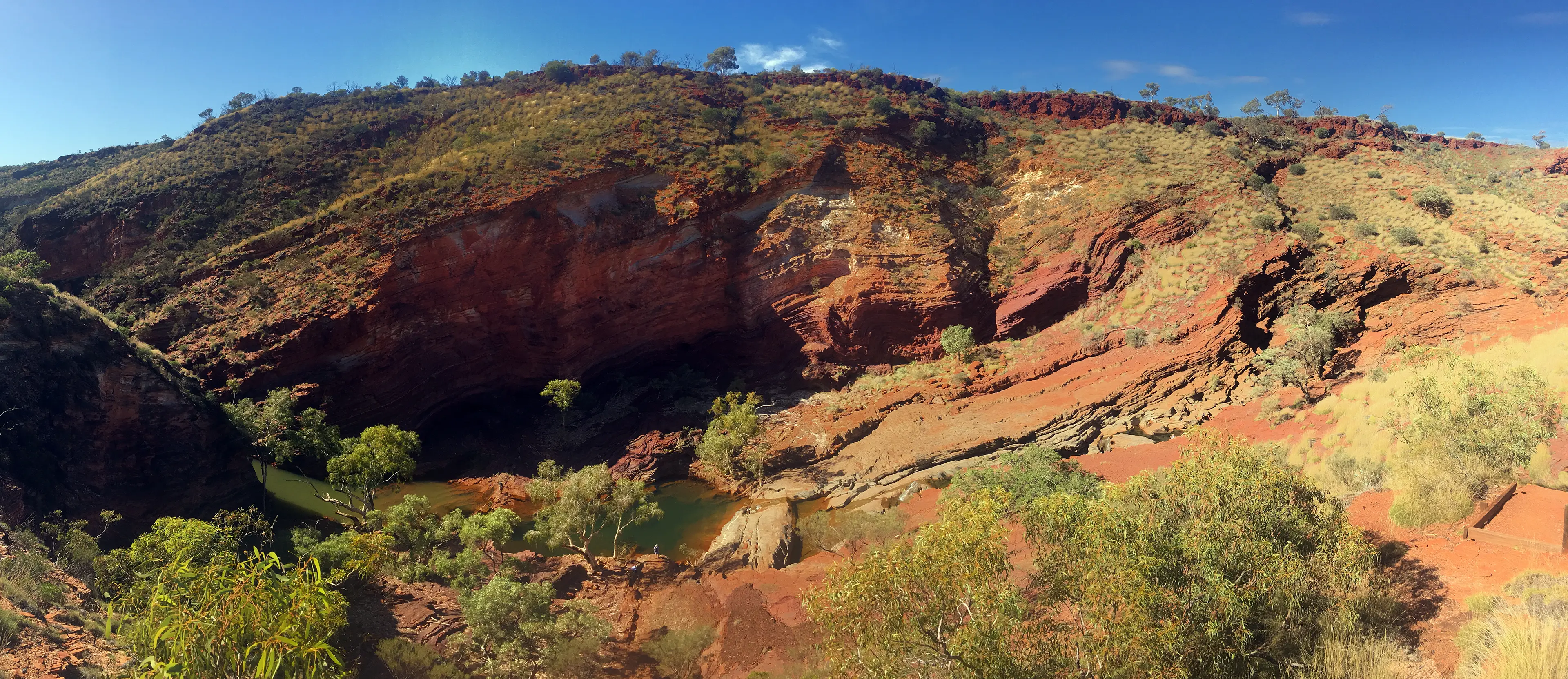
According to a report by OilPrice.com, the discovery is likely to bring down global iron ore prices as Australia solidifies its place as the main exporter.
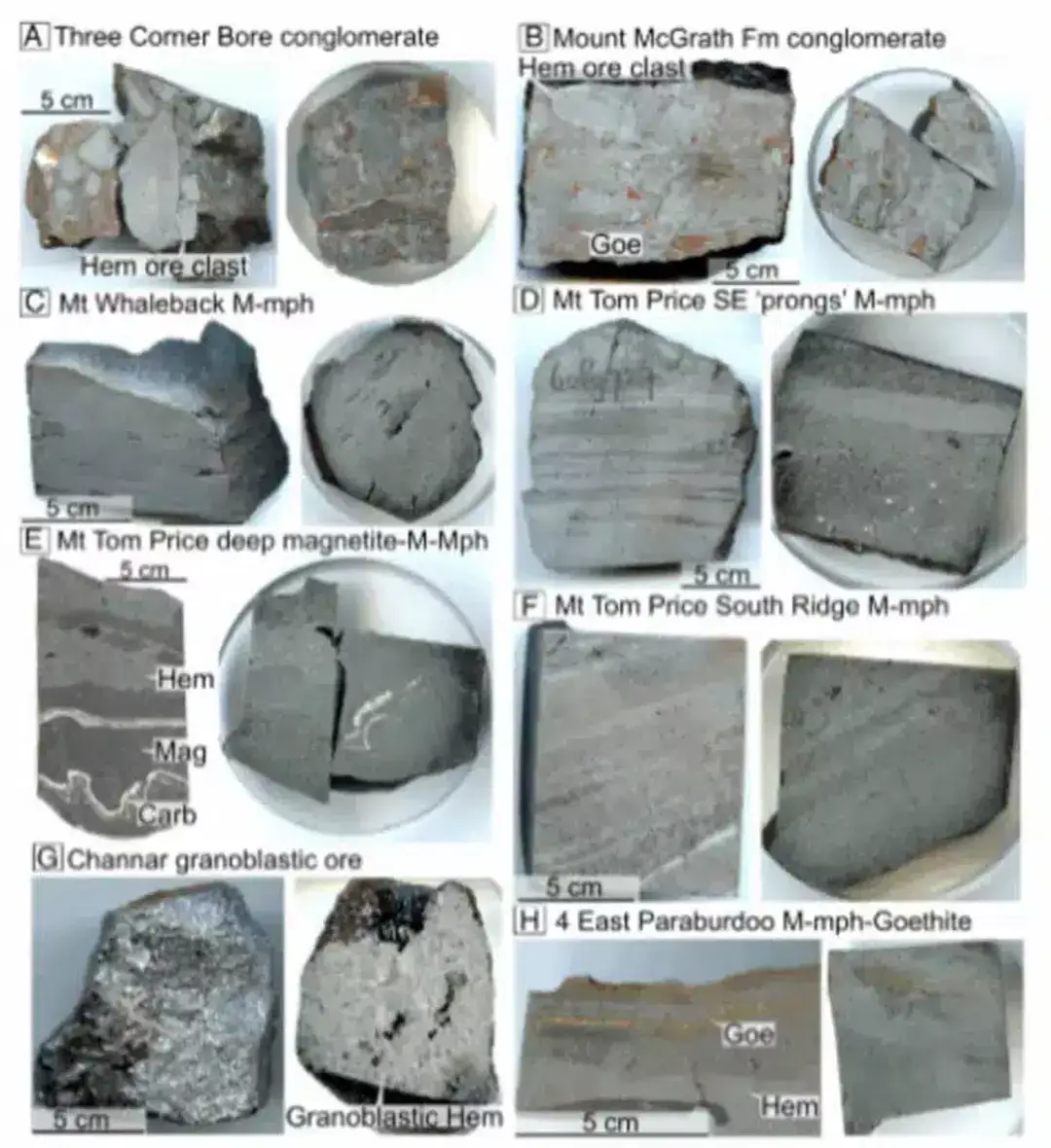
The deposits are also believed to be the richest on record, with a purity of 60 percent, a Futura report explains.
The discovery is also good news for the people of Western Australia, as the exports will allow for upgrades in infrastructure and opportunities for employment.
What is iron ore used for?
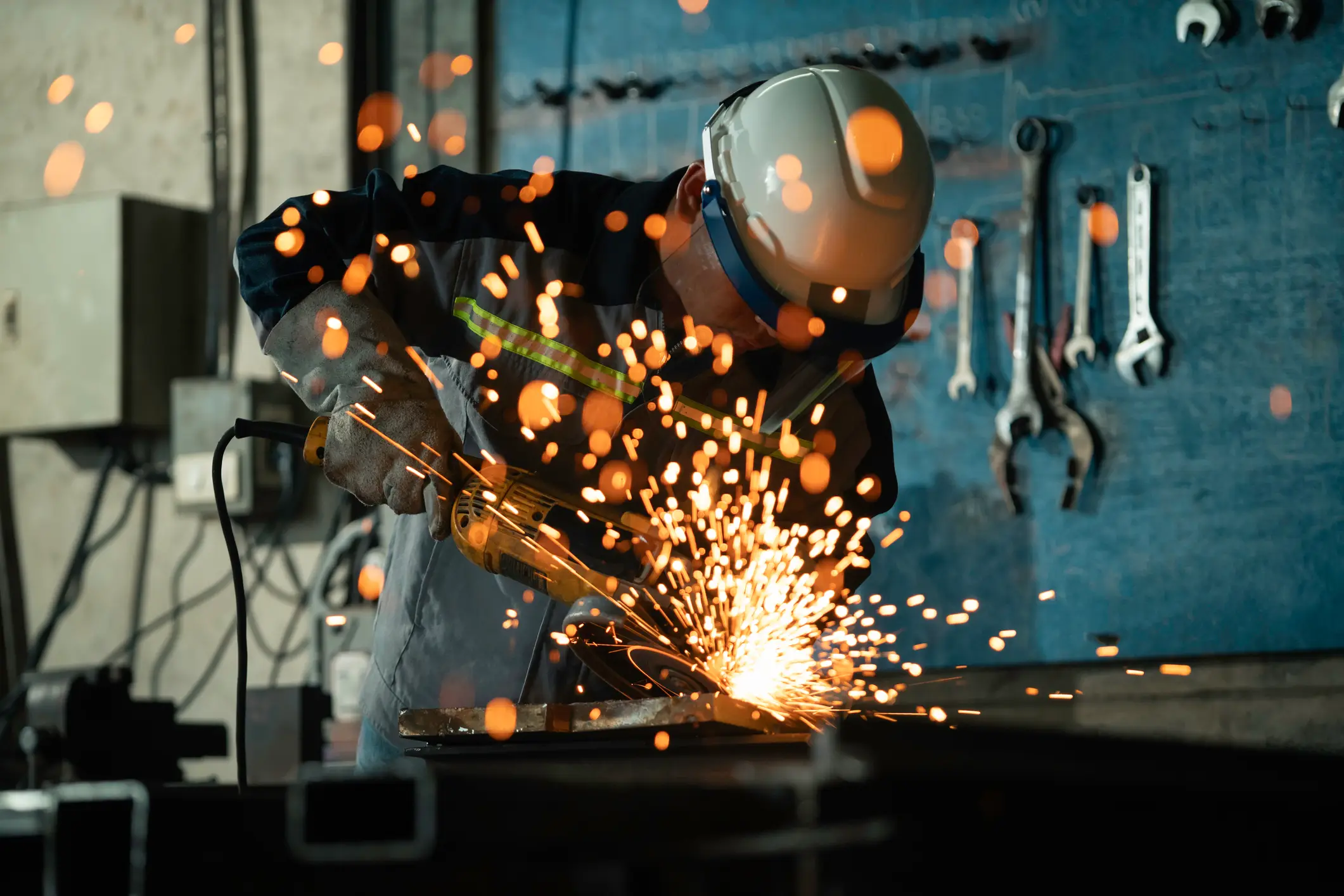
Iron ore is the key component used in the manufacturing of steel, with 98 percent of all mined iron ore used to create the man-made metal.
Steel is widely considered to be the most important material in modern construction and engineering, due to its durability and versatility.
It's not only used for building the frames of bridges and skyscrapers but also for everyday items such as bicycles, cars, tools and kitchen appliances.
The discovery isn't only beneficial for global steel markets, either, as it also allows us to form a deeper understanding of our planet.
Researchers at Curtin University in Perth, Western Australia, were able to estimate that the iron ore formations in the area were around 1.4 billion years, revised down from a previous 2.2 billion years.
"Finding a connection between these enormous iron deposits and shifts in supercontinent cycles gives us new insight into ancient geological processes," Associate Professor Martin Danisík, a geochronologist working on the project, said of the findings.
"Linking these giant deposits to supercontinent cycles gives us a clearer picture of how Earth’s crust evolved."
He continued: "The shifting and collision of landmasses millions of years ago likely created the conditions for these vast accumulations.
"Our research indicates these deposits formed in conjunction with major tectonic events, highlighting the dynamic nature of our planet's history and the complexity of iron ore mineralisation."
Topics: World News, Money, Australia
 Brenna Cooper