Experts' best and worst places to live out an apocalypse - and you're 'taking a chance' if you're in the UK

Experts have weighed up the very best and very worst places to be if an apocalypse breaks out.
With all this recent talk of AI wiping out humanity and doomsday predictions that are creeping ever closer, you might have spent some time thinking about where in the world you’d hide out if things went wrong.
Well, a new study published in the journal Global Challenge has now done the hard work for you.
The study led by Florian Jehn, a professor at Goethe University Frankfurt, looked at population, geographical features and the abundance of natural resources on offer and weighed these against three types disaster: an event that blocks out sunlight and destroys food production, like a nuclear attack; cyberattacks and those can knock out power grids and communication infrastructure; and biological threats, such as pandemics.
Advert
The team crunched the data across the three doomsday scenarios to determine which country could cope with an apocalypse the best… and which were not so great.
And it turns out that our Antipodean friends are the lucky ones, according to the study.
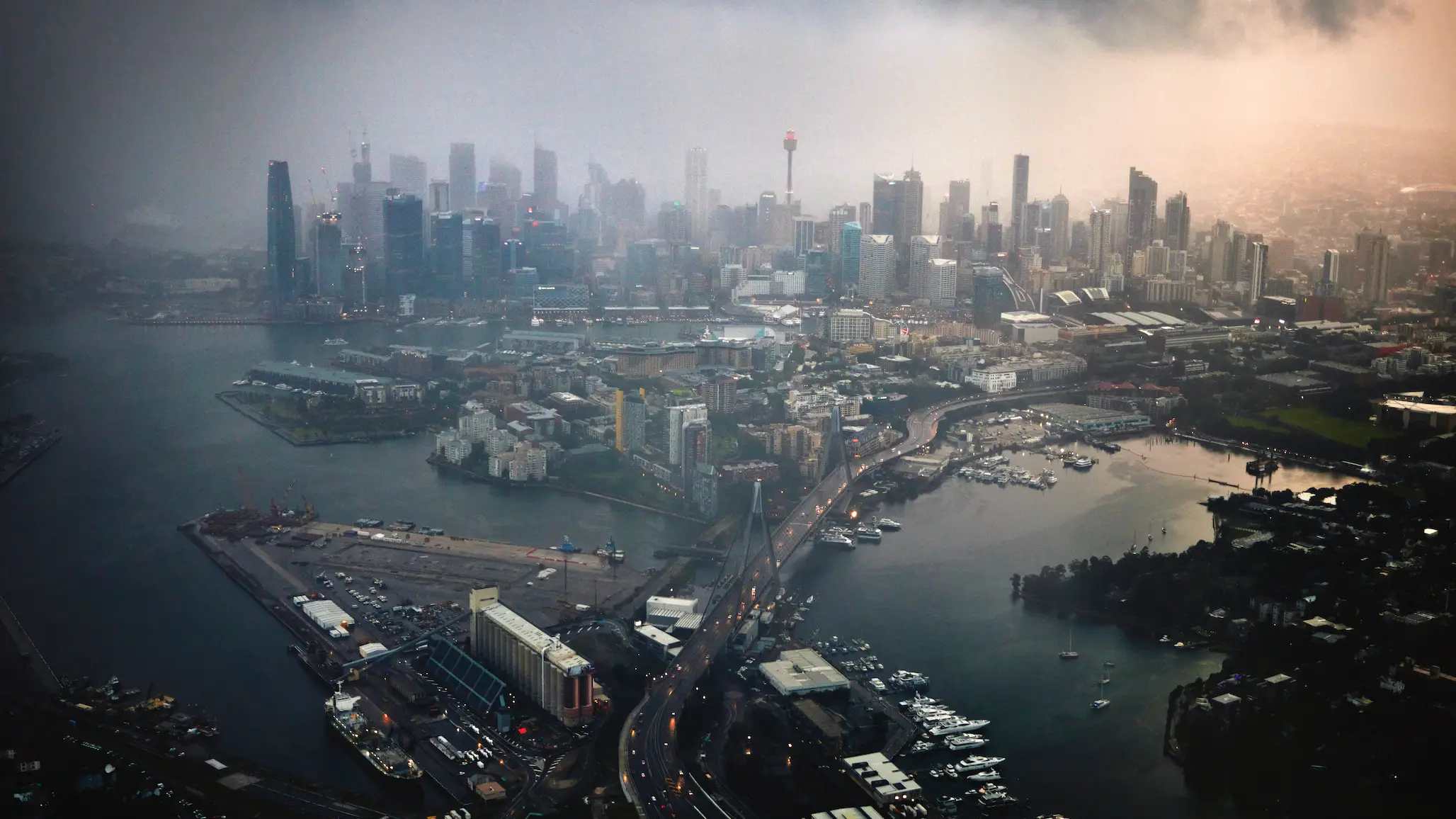
The researchers found that Australia is ‘likely the most resilient place on Earth’.
The experts said Australia is remote, rich in minerals and energy and is able to provide more food than it needs.
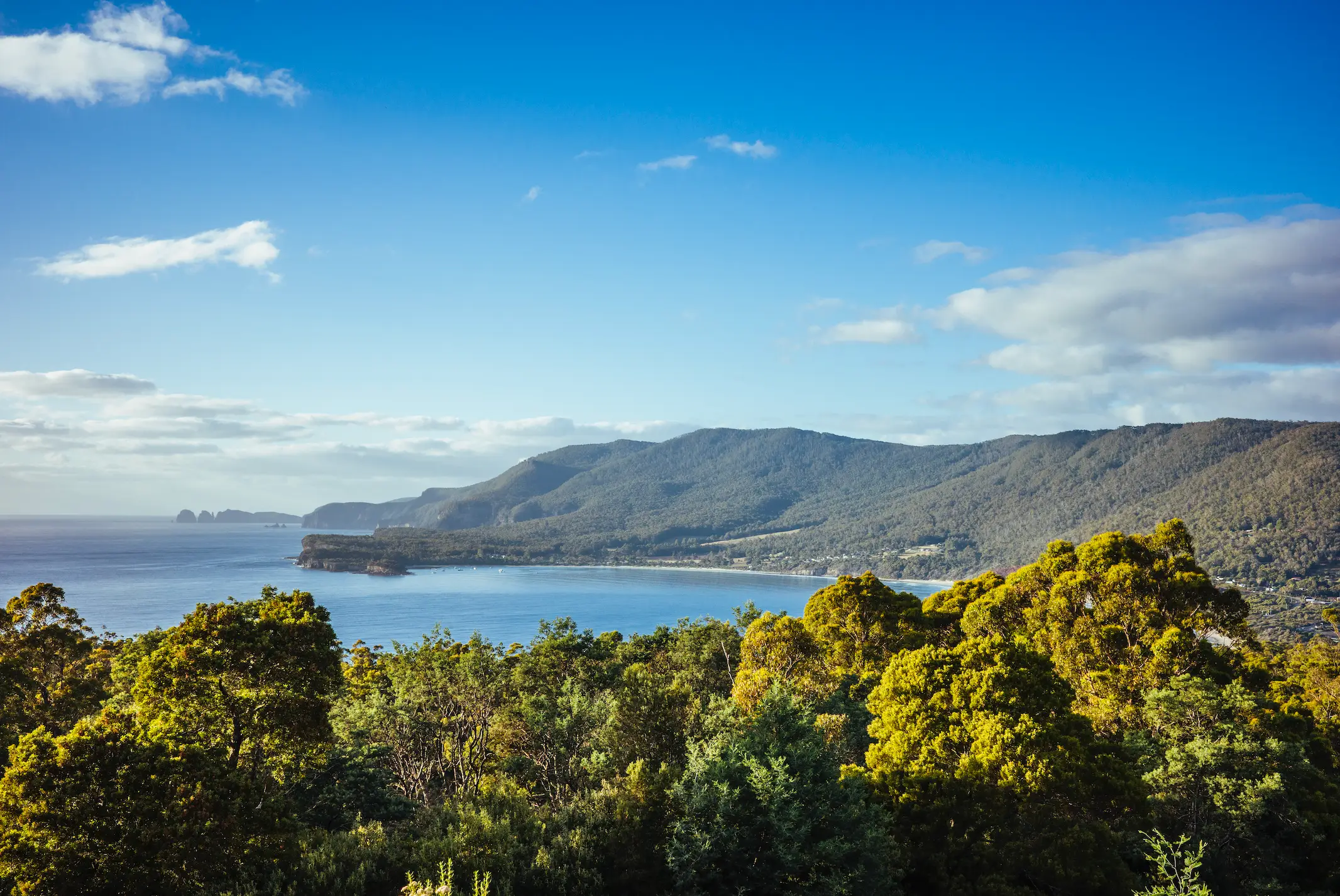
The study particularly highlighted the island of Tasmania, which Jenh said ‘has all the same things going for it as Australia, but could even further isolate itself’.
However, Aussie didn’t come without its own potential pitfalls, while it scored points for being in the southern hemisphere, Jehn told The Times that it was at risk of floods and bushfires.
Australia’s neighbour New Zealand also scored well in the research, as did Argentina, Brazil, and Uruguay.
At the other end of the scale, Jehns said Russia as it ‘is far north, so [in a nuclear winter scenario] it takes the worst of the cooling’.
He told The Times: “It is a top nuclear target, and it scores poorly on governance, inequality and corruption. Those are the factors that matter most and are hard to change.”
When it comes to the UK, it’s a bit of mixed bag, scoring well for wealth and democracy as well as being an island, but losing points for being particularly vulnerable to ‘bad space weather’, which can impact power grids, as well as its large population and reliances on an international supply chain.
The experts also recommended that those wanting to survive should avoid urban areas in general, branding them ‘death traps’ as those living in them will need a constant supply of food, water, fuel and medicines, which fans of Last Of Us will know aren't exactly easy to come by during a global apocalypse.
But before you start planning out your routes to the remotes corners Down Under, the team left their research on one final chilling note, warning that in case of an apocalypse: “There is truly no place to hide.”
Well, at least we're all in it together, eh?
Topics: World News, UK News, Science, Doomsday Clock
 Claire Reid