What happens when someone dies at sea as cruise hantavirus outbreak kills three

Three people have died on board a cruise ship sailing across the Atlantic Ocean - and with that activating the protocol for what officially happens when somebody passes away at sea.
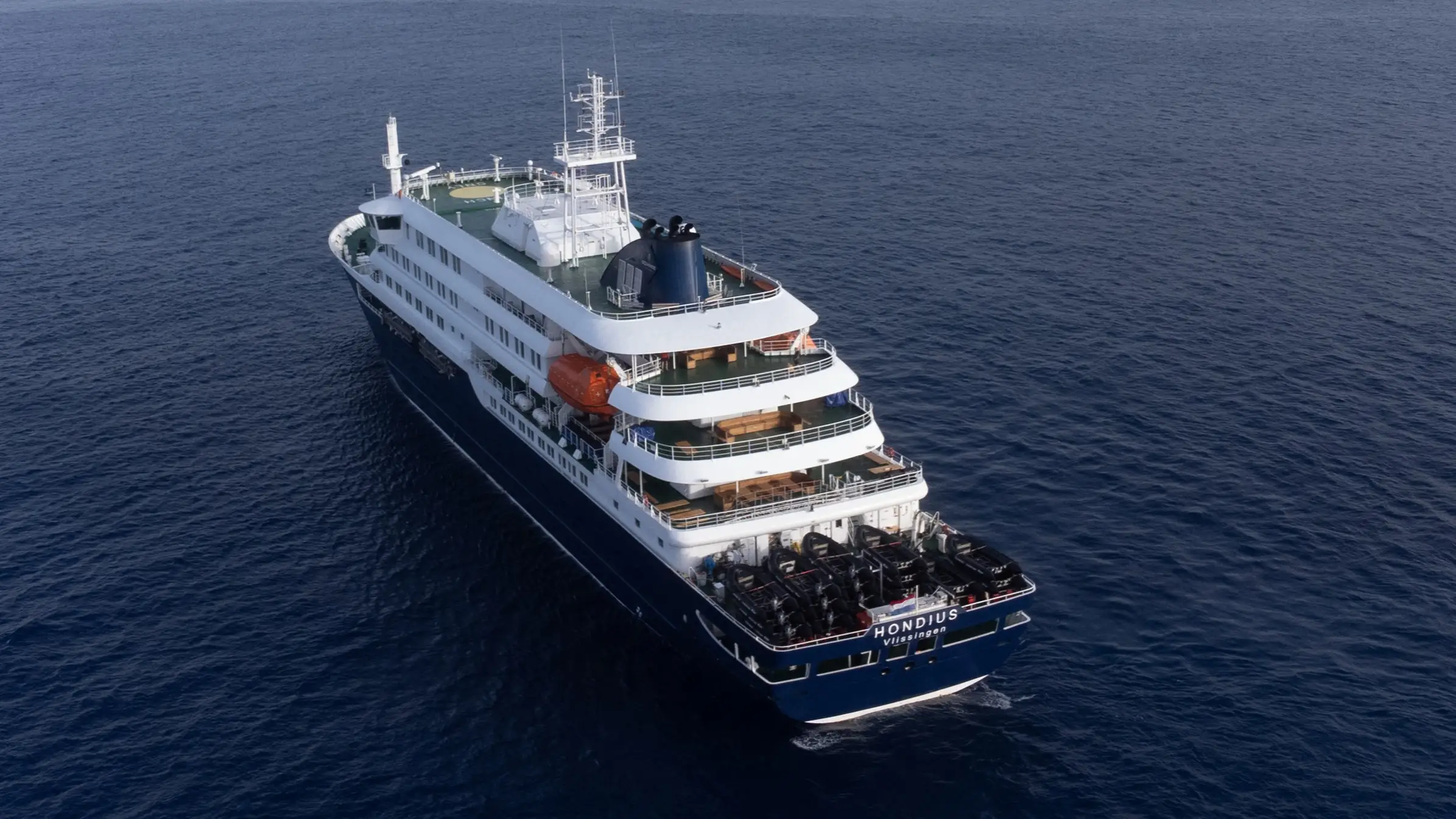
A hantavirus outbreak is suspected to be behind the fatalities, with three passengers on board the MV Hondius cruise ship, operated by Oceanwide Expeditions, losing their lives so far.
Details of those who have died are limited at this moment in time, with authorities revealing the deceased are a husband and wife from the Netherlands and a German national.
The cruise ship has been sailing from Argentina to Cape Verde, carrying around 150 tourists, with cabins as expensive as $48,000 (£35,000).
Advert
So far, two cases of hantavirus have officially been confirmed; this includes the Dutch woman who passed away. The causes of the deaths of the other two passengers are still being investigated. Oceanwide Expeditions has also revealed that two members of crew are presenting with respiratory symptoms.
What happens when someone dies on a cruise ship?
It's a serious situation, as you can imagine. And it's a situation that cruise lines plan for.
They should all have designated morgues; it goes without saying, though, that these areas are not publicised for obvious reasons. Bodies can be stored in them for around one week.
Maritime solicitors, Brais Law Firm, said that when a person dies at sea they 'should be kept in the morgue undisturbed until the cruise ship gets to its next port which accepts human remains, at which point the body will be unloaded from the ship and transferred to local authorities'.
After this, the process isn't as straightforward as it may seem.
The law firm explains: "Once the passenger’s body is removed from the cruise ship, it is up to the family to make arrangements to have their loved one’s remains sent home. This can be challenging - especially if the passenger’s body is located in a far-away foreign country. And it can also be expensive without insurance.
"Even though the cruise line made the decision to leave the passenger’s remains behind, it will not assist with this process.
"But, if you hire an experienced cruise ship accident lawyer, your lawyer can help you take the necessary steps to bring your loved one’s remains home as quickly and safely as possible."
Hantavirus explained
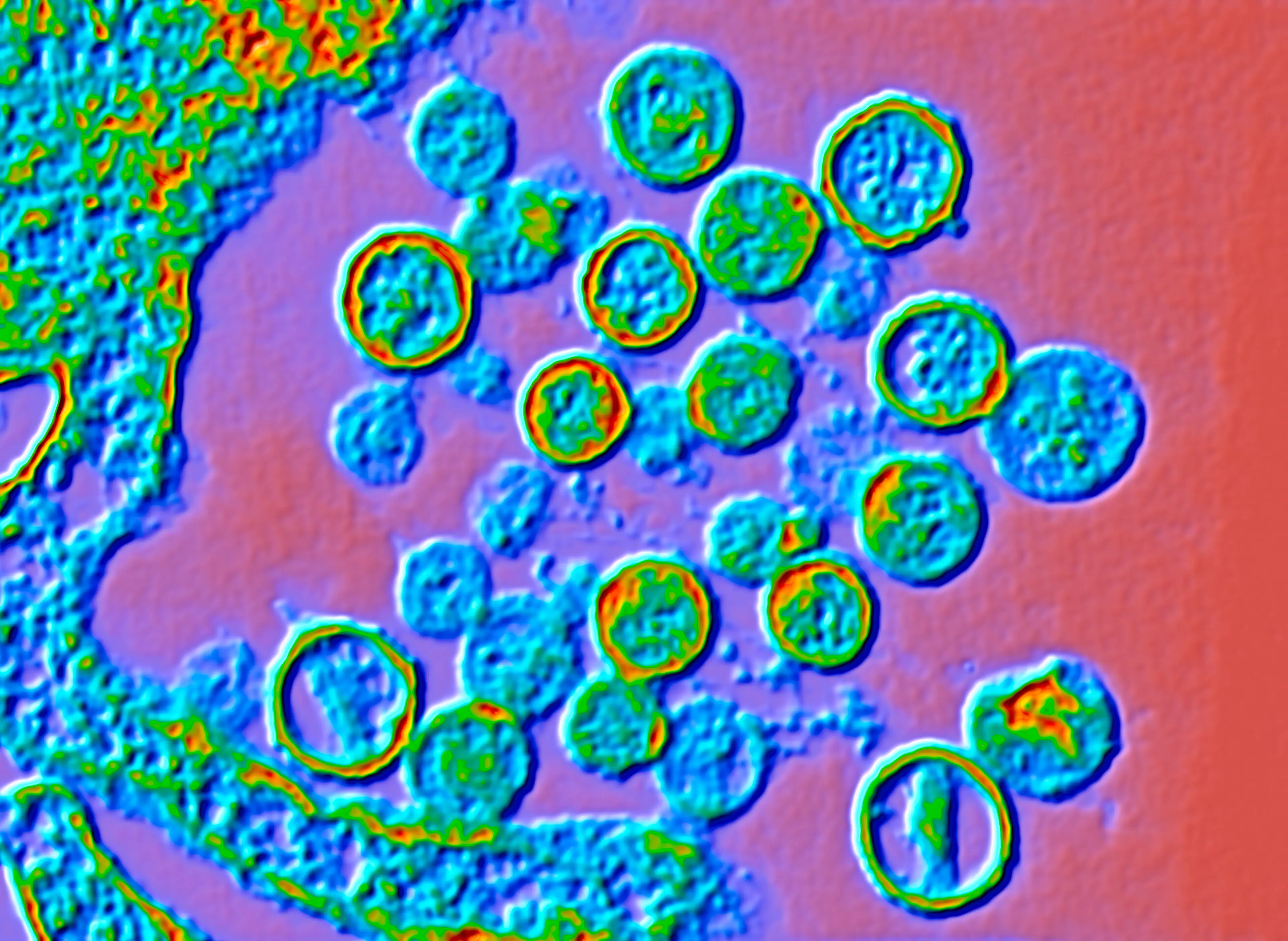
The World Health Organization (WHO) explains that hantaviruses are a 'group of viruses carried by rodents that can cause severe disease in humans'.
"People usually get infected through contact with infected rodents or their urine, droppings or saliva. Infection with hantaviruses can cause a range of illnesses, including severe disease and death," WHO adds.
"In the Americas, hantaviruses can cause hantavirus cardiopulmonary syndrome (HCPS), a severe respiratory illness, with a case fatality rate up to 50 percent."

Hantavirus symptoms
According to Mayo Clinic, illness from infection usually begins two to three weeks after exposure.
In the first stage, which can last for several days, the most common signs and symptoms are fever and chills; muscle aches or pain; and headaches. Some people also experience nausea; stomach pain; vomiting; diarrhoea
"As the disease progresses, it can lead to damaged lung tissues, fluid build-up in the lungs, and serious problems with lung and heart function," it says.
Signs and symptoms may include a cough; difficulty breathing; low blood pressure; and an irregular heart rate.
There is no specific treatment for hantavirus infections.
Topics: Cruise Ship, Health, Travel
 Tom Earnshaw