Iran issues ominous threat to US following Trump's ‘proportional’ revenge strikes over downed helicopter

Iran warned that a 'dire fate' awaits US forces who dare to retaliate in response to the American military helicopter being downed.
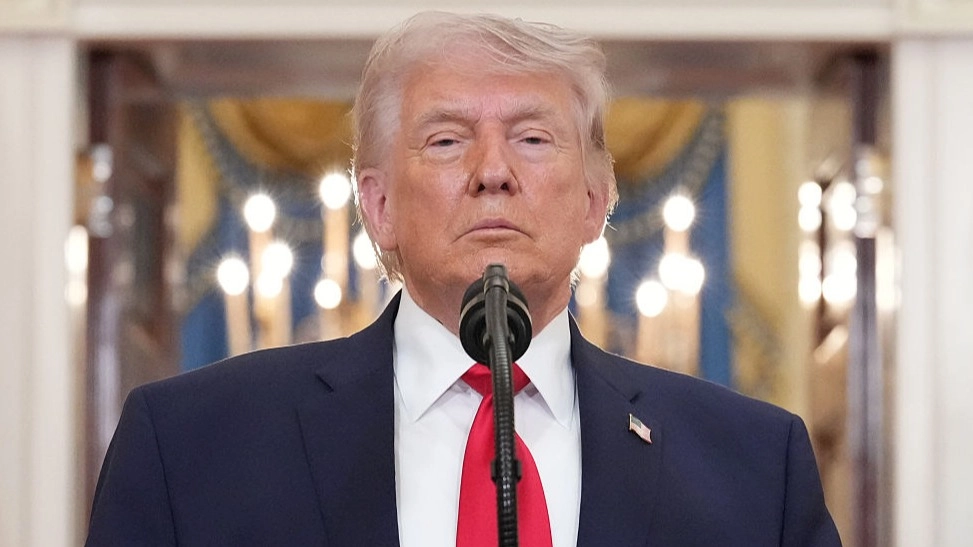
President Donald Trump blamed Tehran for shooting down the aircraft that was patrolling the Strait of Hormuz and warned a 'very strong and powerful' response was en route.
Since issuing this notice, the US unleashed strikes on Iran - and the country's foreign minister has let the commander-in-chief know that they won't be taking it lightly.
The Iranian port city of Sirik, which is near the entrance to the Strait of Hormuz, is said to have been targeted by the US on Tuesday (9 June) evening.
Advert
It is believed Trump's troops were taking aim at air-defence systems and radar installations, while sources have suggested hitting areas where weapons are launched from or stored is the main objective.
The US Central Command announced: "CENTCOM forces began launching self-defense strikes against Iran at 5 p.m. ET today at the Commander in Chief’s direction, in response to yesterday’s downing of a US Army Apache helicopter. The mission is a proportional response to unjustified Iranian aggression."
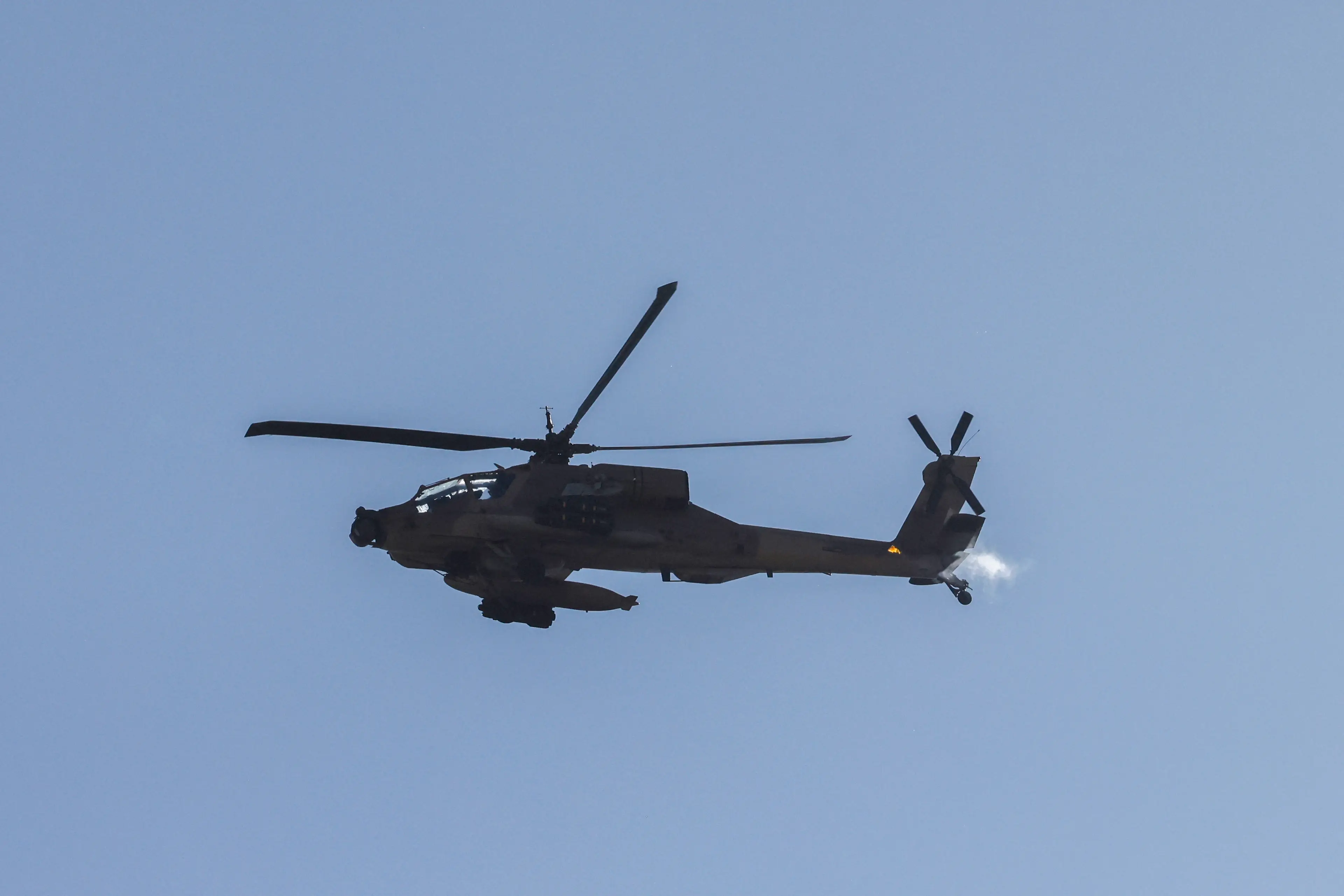
The retaliatory attack came just hours after Trump accused Iran of being to blame for the Army AH-64 Apache attack helicopter - which has two pilots onboard - going down.
These choppers have been a key asset for the American military during the conflict that has been raging in the Middle East.
As well as helping forces to enforce a blockade on Iranian crude oil shipments and tankers, they have also been used by the United Arab Emirates to shoot down Iranian drones.
Trump said in a Truth Social post: "I have just been informed by our Great Military that last night the Iranians shot down one of our highly sophisticated Apache Helicopters while patrolling over the Strait of Hormuz.
"There were two pilots involved, both are safe and uninjured. Nevertheless, the United States must, of necessity, respond to this attack."
The US claimed that the Apache helicopter crashed after colliding with an Iranian drone.
Iran’s Foreign Minister Abbas Araghchi - who has been intimately involved with peace negotiations - initially suggested the incident may have been the result of an accident.
"Foreign forces in proximity to our territory are at constant risk on account of their own human errors, plain accidents, or potentially being caught in crossfire," he posted to X.
"To reduce risk, best solution is for them to leave. We prefer language of diplomacy but speak other languages too."
But in wake of the US strikes raining down on Iran, Araghchi returned to the social media site to make another post with a much sterner tone.
"Despite its defeats on the battlefield, the US opted to test our determination," the foreign minister wrote. "Our Powerful Armed Forces will leave no attack or threat unanswered.
"Leave our region if you want to be safe. History of the Persian Gulf has many chapters on dire fates of intruding outsiders."
Iran also subsequently launched strikes on Jordan and Kuwait, targeting US assets. Attacks were also reported in Bahrain.
The Khatam al Anbiya Central Headquarters - the HQ of Iran's armed forces - also issued an ominous threat to the US about the consequences of continuing strikes.
"The criminal US military should know that if aggression against the Islamic Republic of Iran is repeated, even more severe and widespread attacks will be carried out against the designated target bank in the region," it said.
Topics: Donald Trump, US News, Iran, World News, Politics
 Olivia Burke