Strict conditions of ceasefire as Iran makes eleventh-hour deal

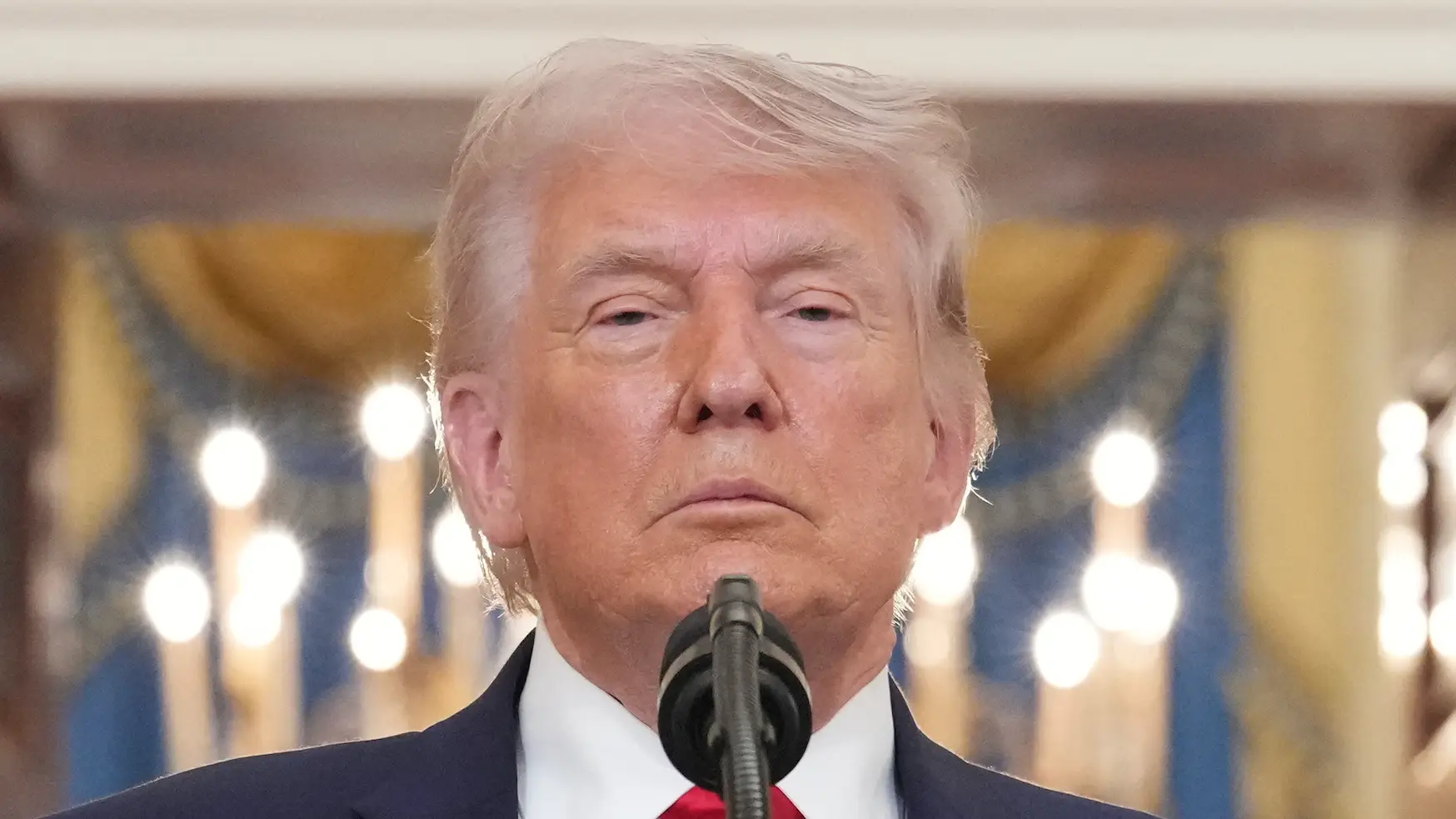
Less than two hours before Donald Trump was set to wipe out 'a whole civilisation', the US and Iran agreed to a conditional ceasefire.
It was announced that the warring nations will be temporarily putting down their weapons on Tuesday (7 April) evening, as the clock ticked dangerously close to the president's 8pm deadline.
The 'double-sided ceasefire' is set to last for two weeks, Trump said, and it is hoped they can hammer out a 'definitive agreement concerning long-term peace' during this period.
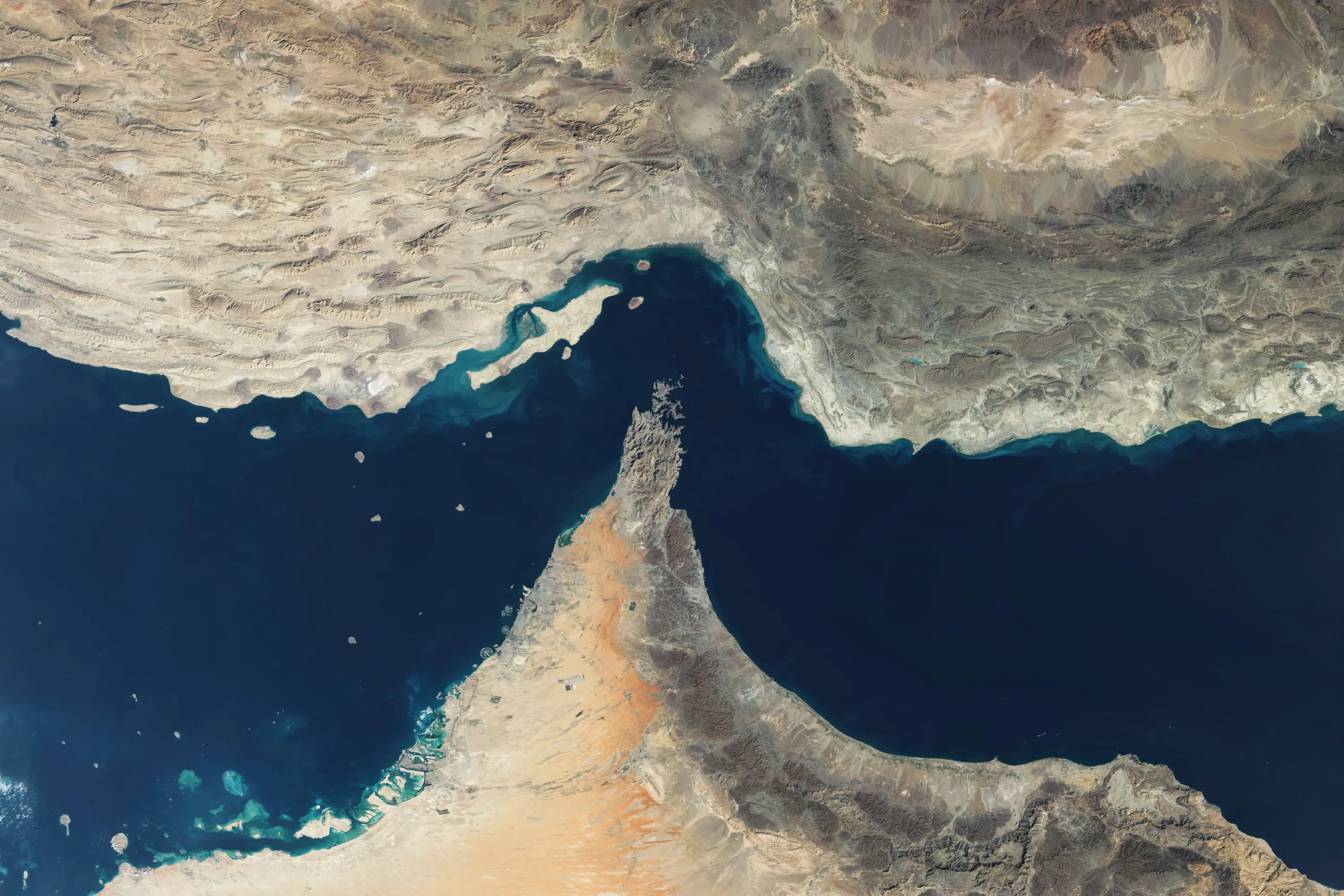
The commander-in-chief had warned that 'a whole civilisation will die' if Tehran did not reopen the Strait of Hormuz, while promising a fresh round of US strikes targeting bridges and power plants.
Advert
So, the world collectively released a sigh of relief when it was announced that Iranian officials had agreed to finally allow ships to proceed through the critical waterway.
Trump said that Iran had proposed a 10-point plan that provided 'a workable basis on which to negotiate' - and these crunch talks are set to take place in Islamabad, Pakistan, on Friday (10 April).
The Iranian regime said it had accepted a temporary truce but warned that its 'hands remain upon the trigger', while a White House official said Israel had also accepted the terms of the ceasefire agreement.
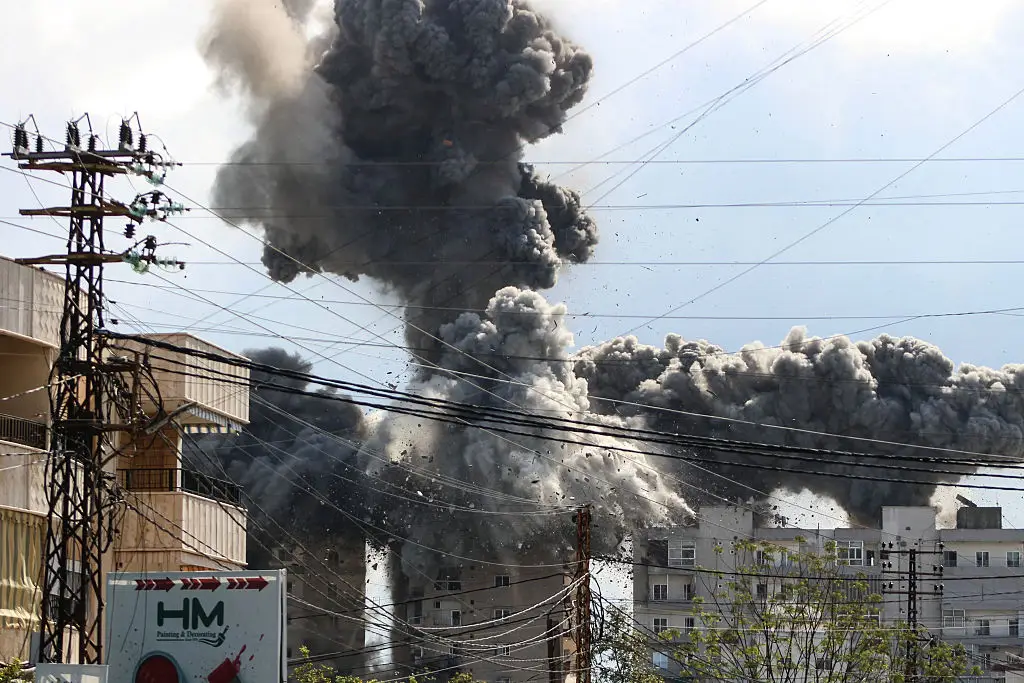
Israeli Prime Minister Benjamin Netanyahu said he backed Trump’s suspension of strikes against Iran, but said any deal does not cover fighting against Hezbollah in Lebanon.
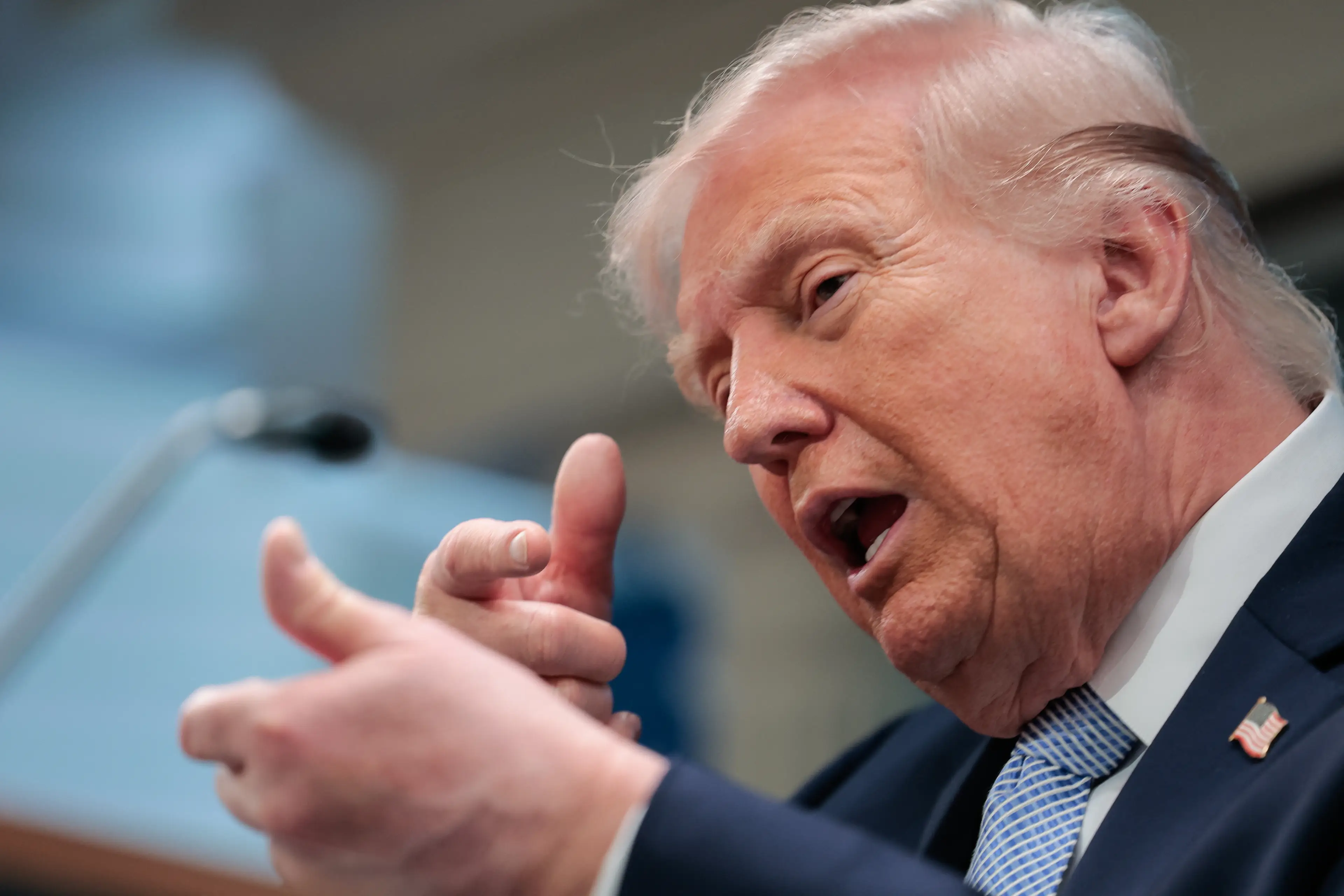
In a post on Truth Social, Trump said he would 'suspend the bombing and attack of Iran' for a fortnight, as the US has 'already met and exceeded all military objectives'.
He added: "We received a 10 point proposal from Iran, and believe it is a workable basis on which to negotiate. Almost all of the various points of past contention have been agreed to between the United States and Iran, but a two week period will allow the Agreement to be finalised and consummated."
Iran’s embassy in India explained some of the conditions 'that the US has accepted as workable' in a post on X last night, which included:
Non-aggression
This will be more than just a ceasefire, but a binding agreement from the US that it will not attack Iran again.
Continuation of Iran's control over the Strait of Hormuz
Though Iran uses the word 'continuation', the country did not have control over the Strait of Hormuz before.
The New York Times, citing two senior Iranian officials, reports that Iran will charge a $2 million toll per ship, which it will split with Oman.
Acceptance of enrichment
This refers to uranium enrichment for Iran's nuclear programme, one of the reasons the conflict started in the first place.
This clause is absent from some versions of the proposed peace plan, and a version cited by the BBC from an Iranian state broadcaster reads instead: "Iran fully commits to not seeking possession of any nuclear weapons."
Lifting all primary sanctions
The US currently bans nearly all trade with Iran, and Iran wants Iranian assets frozen by the US to be released too.
Lifting all secondary sanctions
Secondary sanctions mean even non-Americans and businesses outside the US can be sanctioned by the US government for trading with Iran in certain sectors.
Termination of all UN Security Council resolutions
From 2006 to 2010, the UN has passed six resolutions against Iran to try and force it to suspend its uranium enrichment programme.
Termination of all IAEA Board of Governors resolutions
The IAEA (International Atomic Energy Agency) wanted to independently verify that Iran was meeting its legal obligations under the Nuclear Non-Proliferation Treaty (NPT) agreed in 1970 and a Safeguards Agreement which came into force in 1974.
Payment of compensation to Iran
This involves 'reconstruction costs' too. It will possibly be funded by a toll on passage through the Strait of Hormuz.
Withdrawal of US combat forces from the region
Fox News reported last month that there are around 50,000 US troops in the Middle East, about 10,000 more than usual.
Cessation of war on all fronts, including against the heroic Islamic Resistance of Lebanon
This last item could prove to be a sticking point, since Israel does not recognise Lebanon as part of the deal.
Iran’s foreign minister Abbas Araghchi also shared the news that the ceasefire had been agreed upon in a post on X.
"I hereby declare on behalf of Iran's Supreme National Security Council: If attacks against Iran are halted, our Powerful Armed Forces will cease their defensive operations," he wrote.
"For a period of two weeks, safe passage through the Strait of Hormuz will be possible via coordination with Iran's Armed Forces and with due consideration of technical limitations."
Prior to the conflict, there were no restrictions. Trump then suggested American warships would be 'hanging around' the waterway, through which 20 percent of all oil and natural gas passes in peacetime.
Oil prices fell and stocks rose as Asian markets opened on Wednesday (8 April) after the eleventh-hour agreement to reopen the strait.
UK Prime Minister Sir Keir Starmer said he 'welcomed' the news of the ceasefire, adding: "Together with our partners we must do all we can to support and sustain this ceasefire, turn it into a lasting agreement and reopen the Strait of Hormuz."
Topics: Iran, US News, Politics, World News, Donald Trump
 Olivia Burke