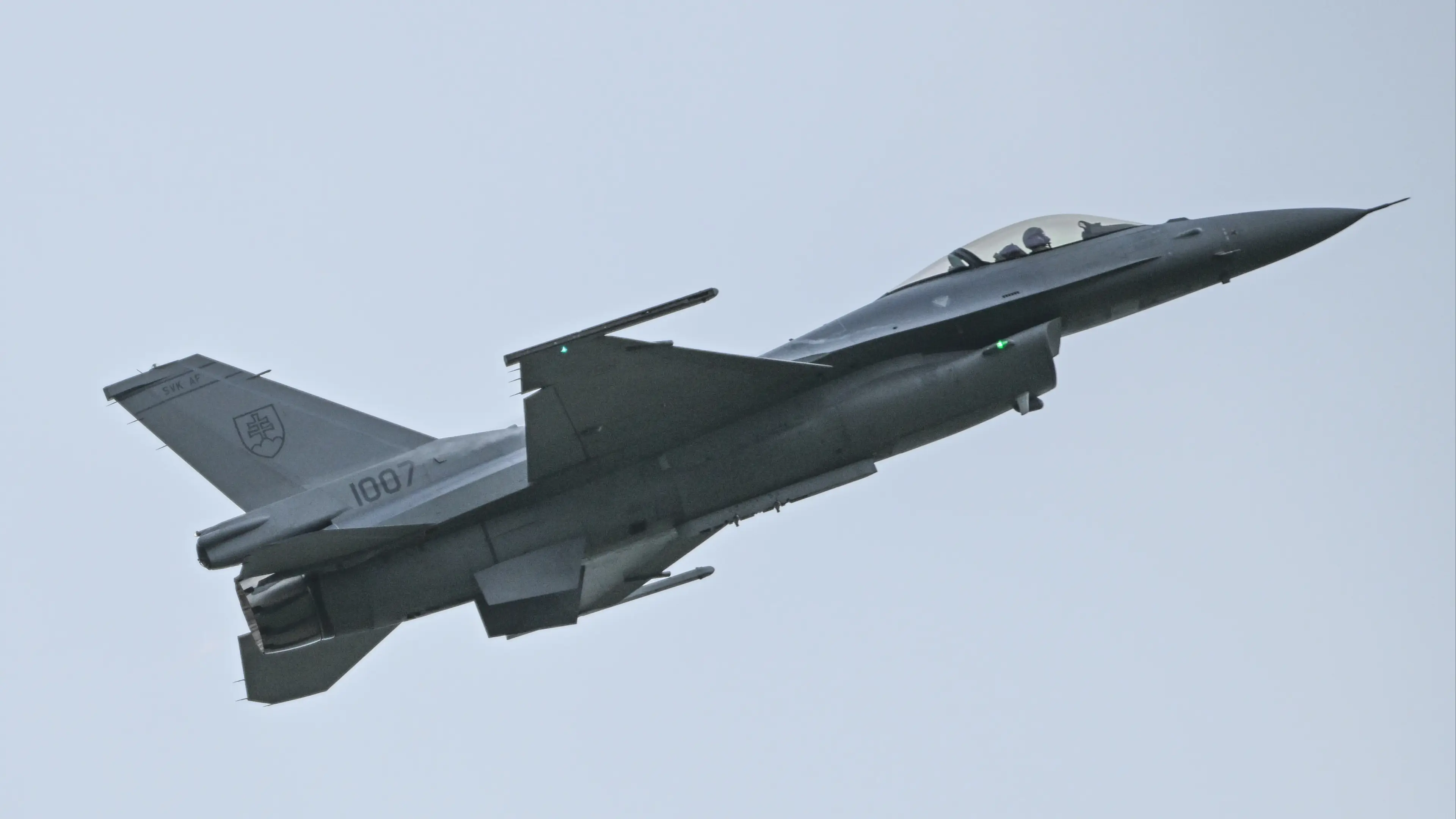
NATO scrambles F-16 jets against 'aerial target'

Romania sent up two of its F-16 fighter jets after it detected an ‘aerial target’ near the eastern NATO border today.
The Ministry of National Defence of Romania (MApN) said the ‘aerial target; briefly entered its airspace near Sulina, before it moved over the black sea.
The target then entered Ukrainian airspace, where it was quickly shot down by Ukraine’s air defence system, MApN said.
MApN said the target had been spotted by its radar surveillance system this morning (14 October) and notified the General Inspectorate for Emergency Situations to trigger alert measures for parts of Tulcea County.
Advert
An emergency message was sent to phones for those impacted at around 10.20am local time.
And MApN scrambled two Romanian Air Force F-16 aircraft.
The air alert ended at 11.22am and the public warning was lifted.
NATO member Romania borders Ukraine and has frequently had to scramble its military aircraft in response to drone activity near the border.
On Tuesday (13 October), a drone hit two ships off the coast of Bulgaria in the Black Sea, sinking one.
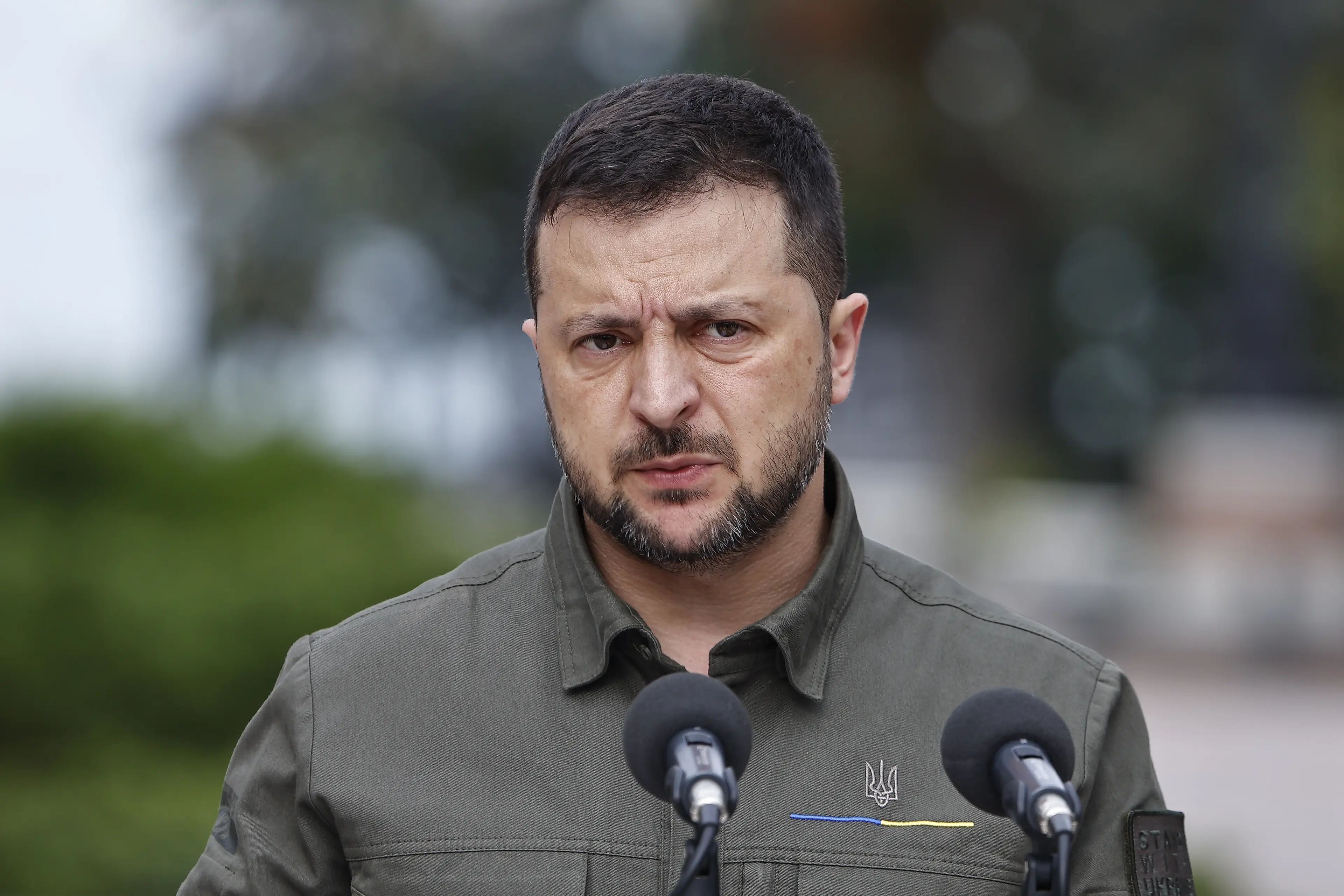
Bulgaria’s Prime Minister Rumen Radev, said one of the ships was sailing under the Maltese flag and was hit by three drones at around 1.30am local time.
The second ship, which was sailing under the flag of St Kitts and Nevis, was also hit and sank with one sailor rescued.
In recent weeks, several senior European officials and intelligence services have warned that Russia may be planning to test the NATO alliance with increased covert attacks or even an incursion after a spate of sabotage incidents across the continent.
Denmark’s defence intelligence service specifically warned Russia could use such tactics to split the NATO alliance.
Earlier this week, a top NATO military commander said the alliance is ‘ready to fight tonight’ if it is attacked.
US General Alexus Grynkewich said that he doesn’t believe a conflict is imminent or inevitable but went on to say that the most effective way to preserve peace is to prepare for war and to maintain open lines of communication to ‘resolve misunderstandings’.
Gen Grynkewich provided no specific details about what kind of attack Nato is preparing for, nor where, nor with what kind of forces.
But outlining what a response to a Russian attack could look like, Gen Grynkewich said Nato’s combined land, sea and air forces will move to stop Moscow seizing territory and deny Russia the ability to hold ground.
“My theory of victory is simple,” he said at the Warsaw Security Forum.
“We will block the initial attack. If the attack persists, we will blunt it and prevent any enemy advance. And if required, we will break the enemy’s forces and the operational war-fighting system arrayed against us.”
This includes not just the attacking force but anything and everything that supports, sustains and controls it, he said.
Gen Grynkewich added that it is important that NATO alliance members co-ordinate a 'coherent' response to Russian activity to make it clear to Moscow 'where our red lines are'.
 Claire Reid