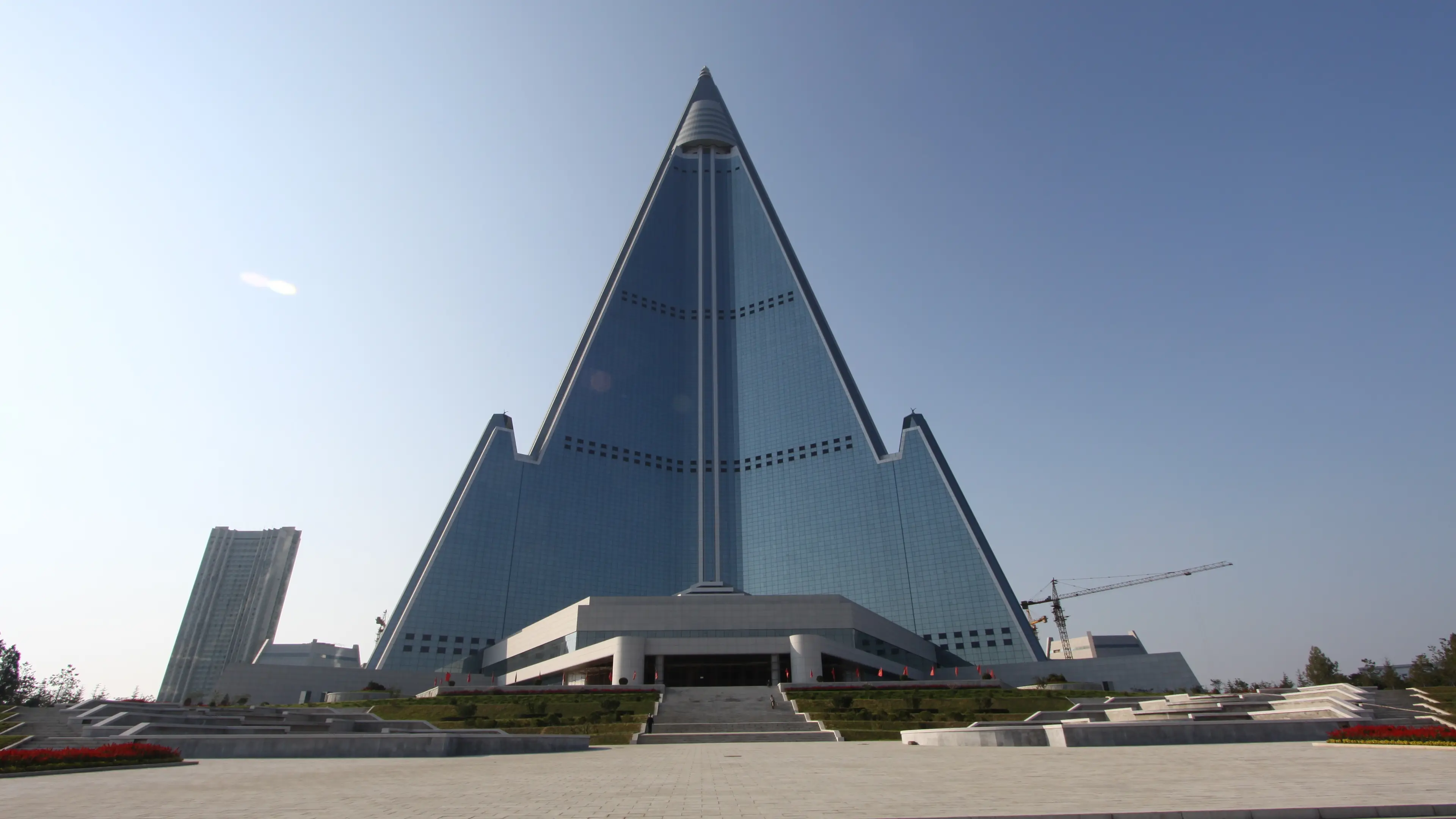
Rare photos inside North Korea's £600 million 'Hotel of Doom' where no one has ever stayed

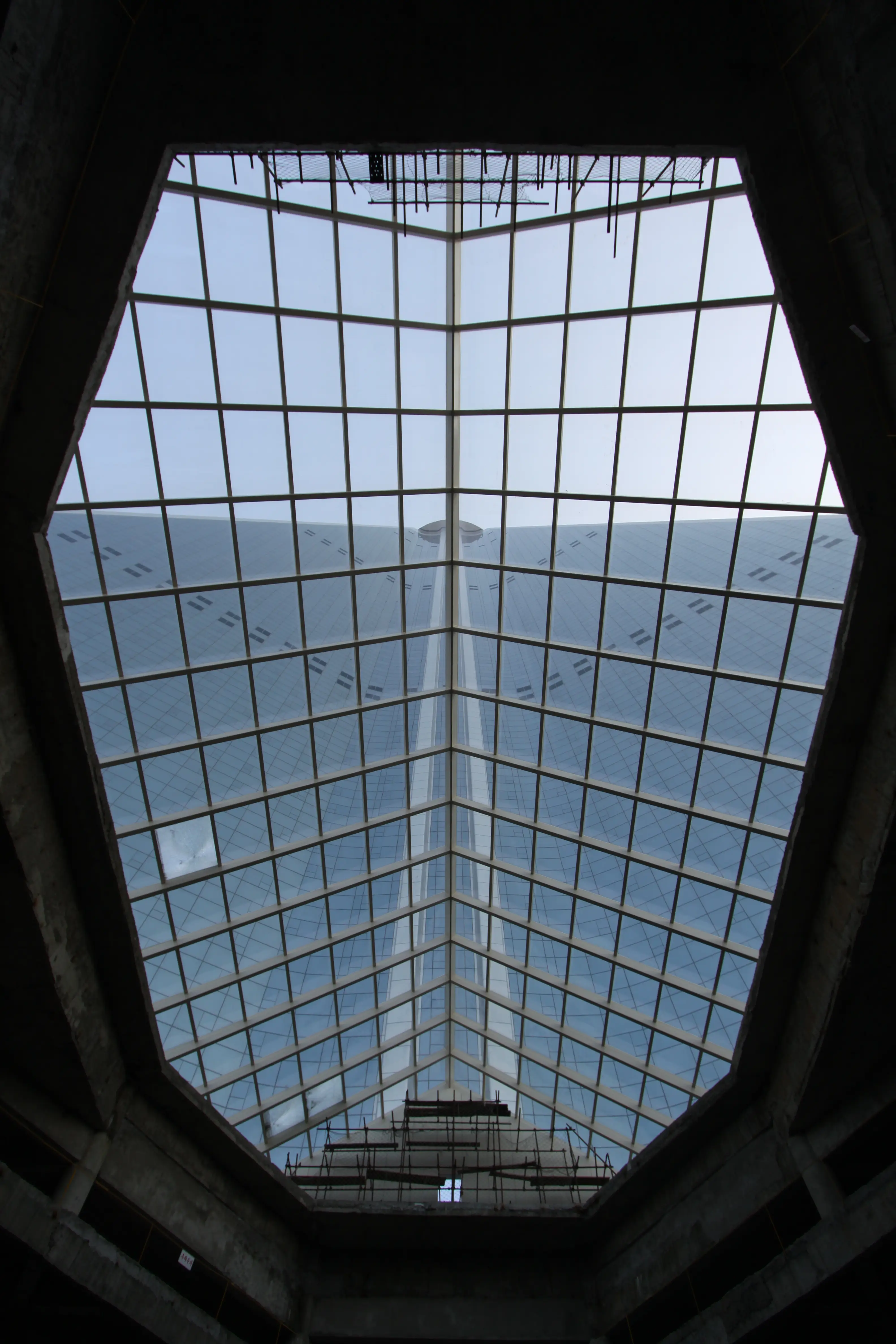
A man who is one of the few people to actually visit a controversial - and very much unfinished - £600 million hotel has shared incredible images of what it looks like inside.
North Korea is one of the most talked-about countries in the world, despite also being one of the most inaccessible.
We hear plenty about Kim Jong Un and his political connections to the likes of China and Russia, and the nation's highly-criticised 'Juche' ideology, which comes from socialism with roots in Marxism-Leninism.
It's well publicised that the majority of North Korean residents are forbidden access to the internet, as the government prevents almost all contact with the Western world.
Advert
The nation closed its borders following the Covid-19 pandemic, only opening up to Russians and tourists looking to compete in the annual Pyongyang marathon earlier this year.
While most Brits wouldn't dream of setting foot in the East Asian country, Simon Cockerell has been on North Korean soil countless times in the last 23 years as the Managing Director of Koryo Tours, a company that leads visitors on authorised tours around the country.
Simon was living in China when he met a fellow Brit through an amateur football league in Beijing, who co-founded Koryo with another Brit with the help of a North Korean businessman in the same league.
While Simon was over there, he was offered the role and took it, meaning he has been visiting the nation frequently since then. The official Kryo website states that he 'has probably been to the country more than any other Westerner'.
Despite popular belief, the country has slowly progressed over the years, and the Koryo Managing Director has been there to see almost all of it, as his status in the company and connections have allowed him to be brought to some of the more 'restricted' areas across the nation.
One of these is the highly talked about £600m Ryugyong Hotel, located in the capital, Pyongyang.
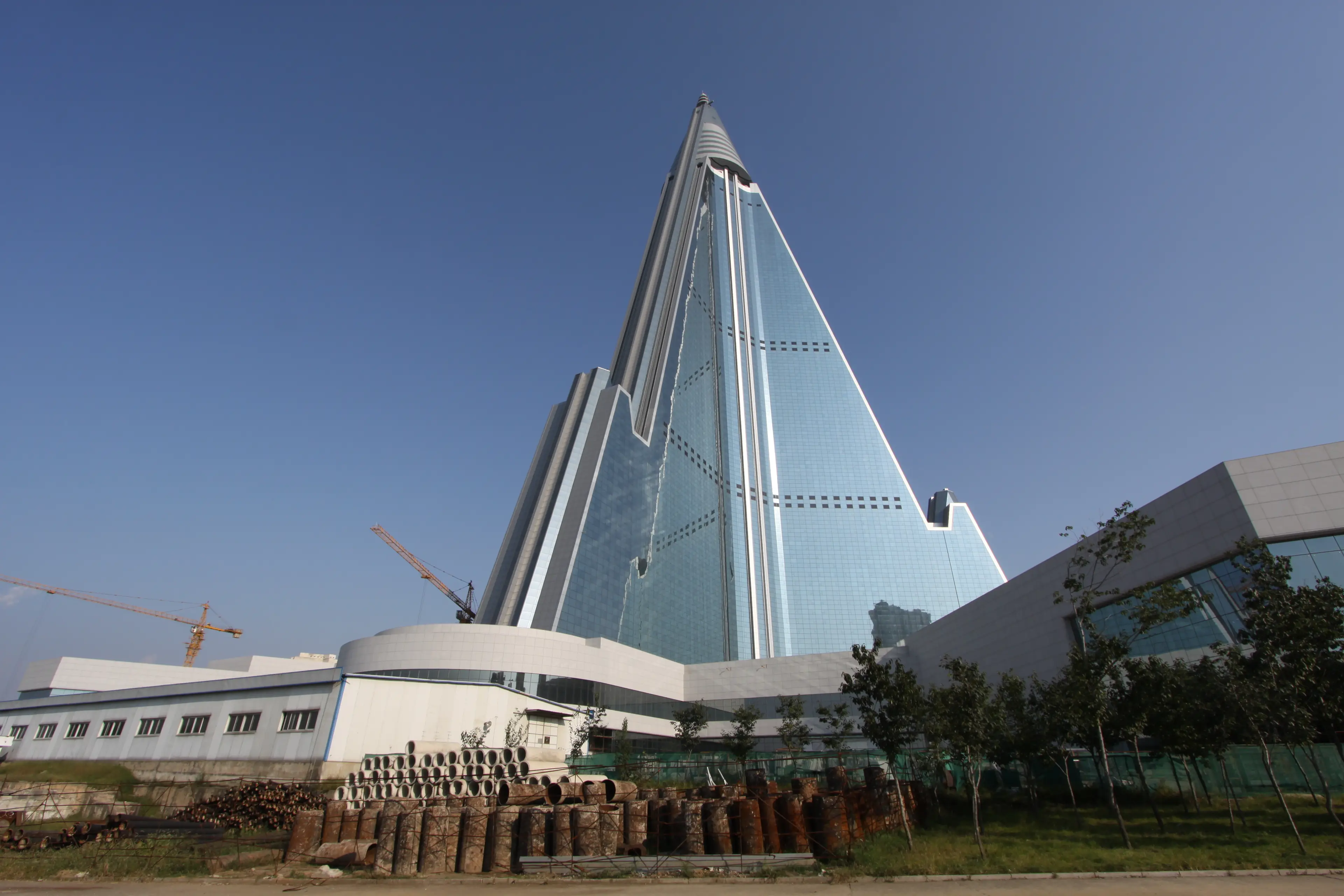
The Ryugyong Hotel is over 1,000 feet tall, with the plan to have over 3,000 rooms and as many as five restaurants. Despite reaching its planned height in 1992, work stopped and started several times due to a lack of funding.
Simon dispelled myths of tour guides denying the building's existence and any agreement with the Kempinski group to be involved in the project, instead recalling his own experience when visiting the building, which he says they continued construction on in 2008.
"The glass cladding that had been put on the crane on the top had been removed by helicopter - I was there when that happened, actually, so I got access to that myself and one colleague along with a couple of people we worked with," he recalled.
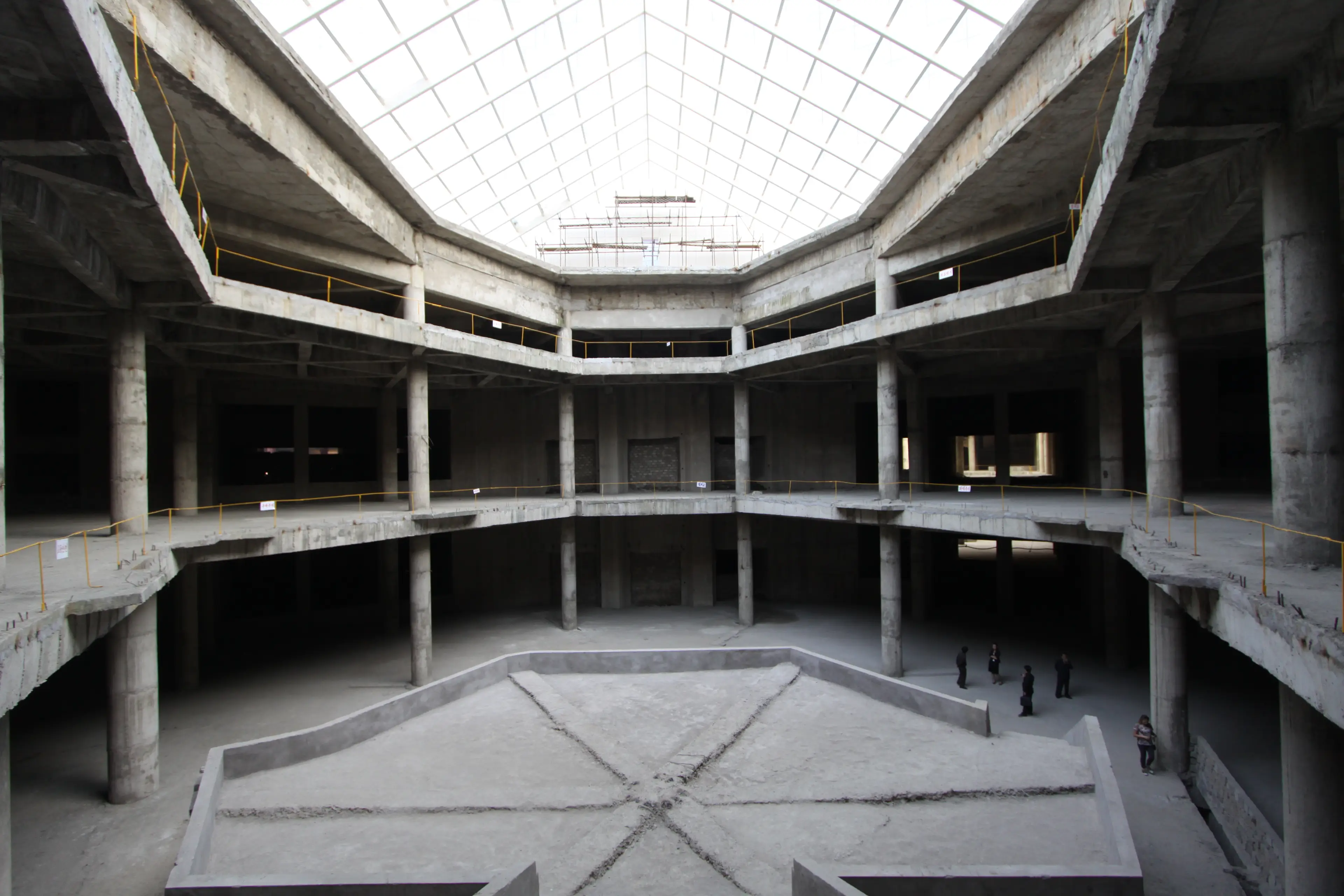
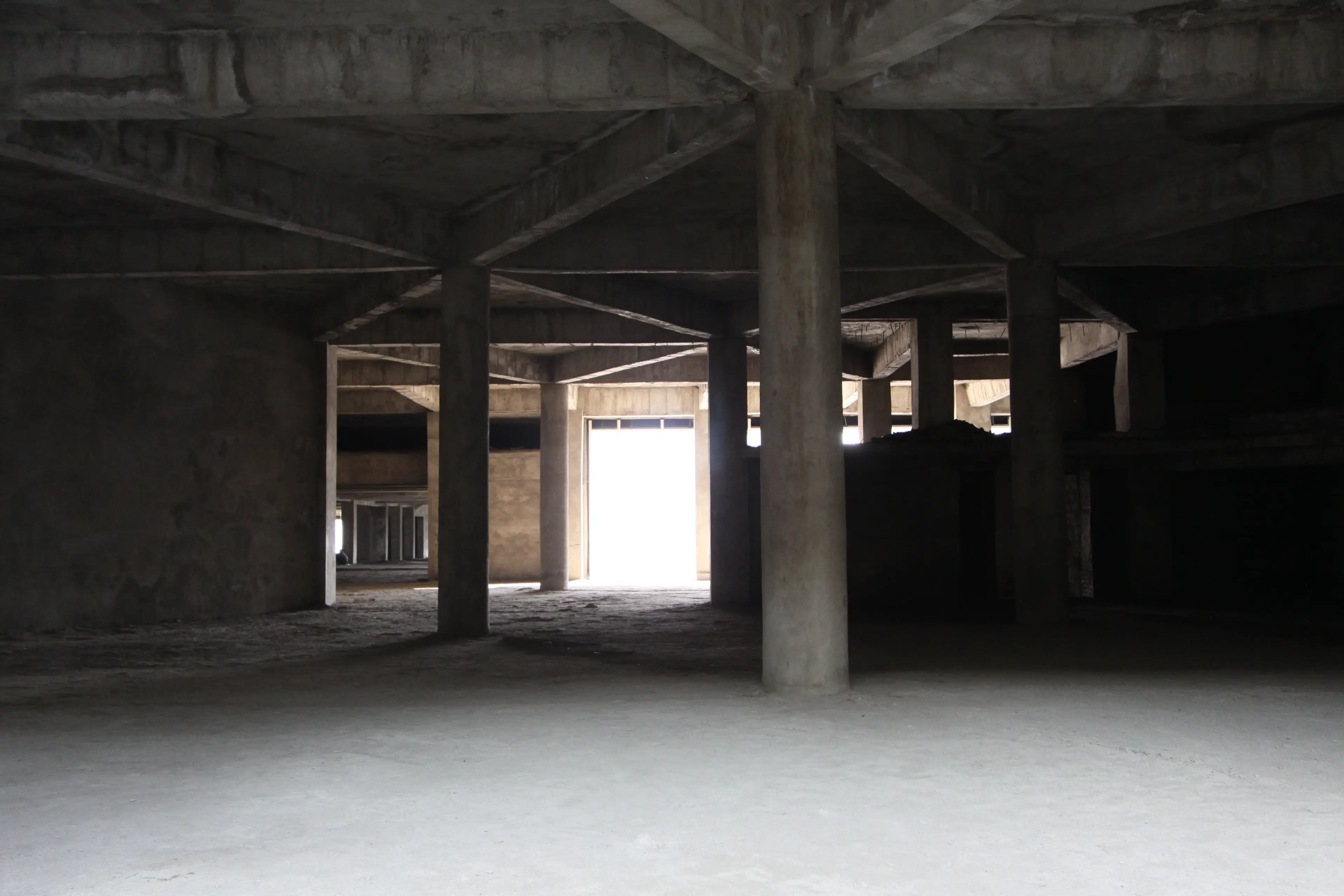
He explained that he hasn't been back to the hotel since his sole visit, but said that construction had reached a point where the lobby area of the hotel was visible from the street.
The North Korea expert went on: "When the lights run, it looks like a hotel lobby but that's one floor, maybe that's finished or maybe it's just that floor that's finished, or maybe it's a kind of a roadrunner-style brick wall with a really good painting of a lobby - it's very, very hard to say."
Rumoured to be 105 storeys tall, its pyramid shape is the defining figure in the Pyongyang skyline from miles away, with Simon confirming its presence in the capital despite remaining unfinished.
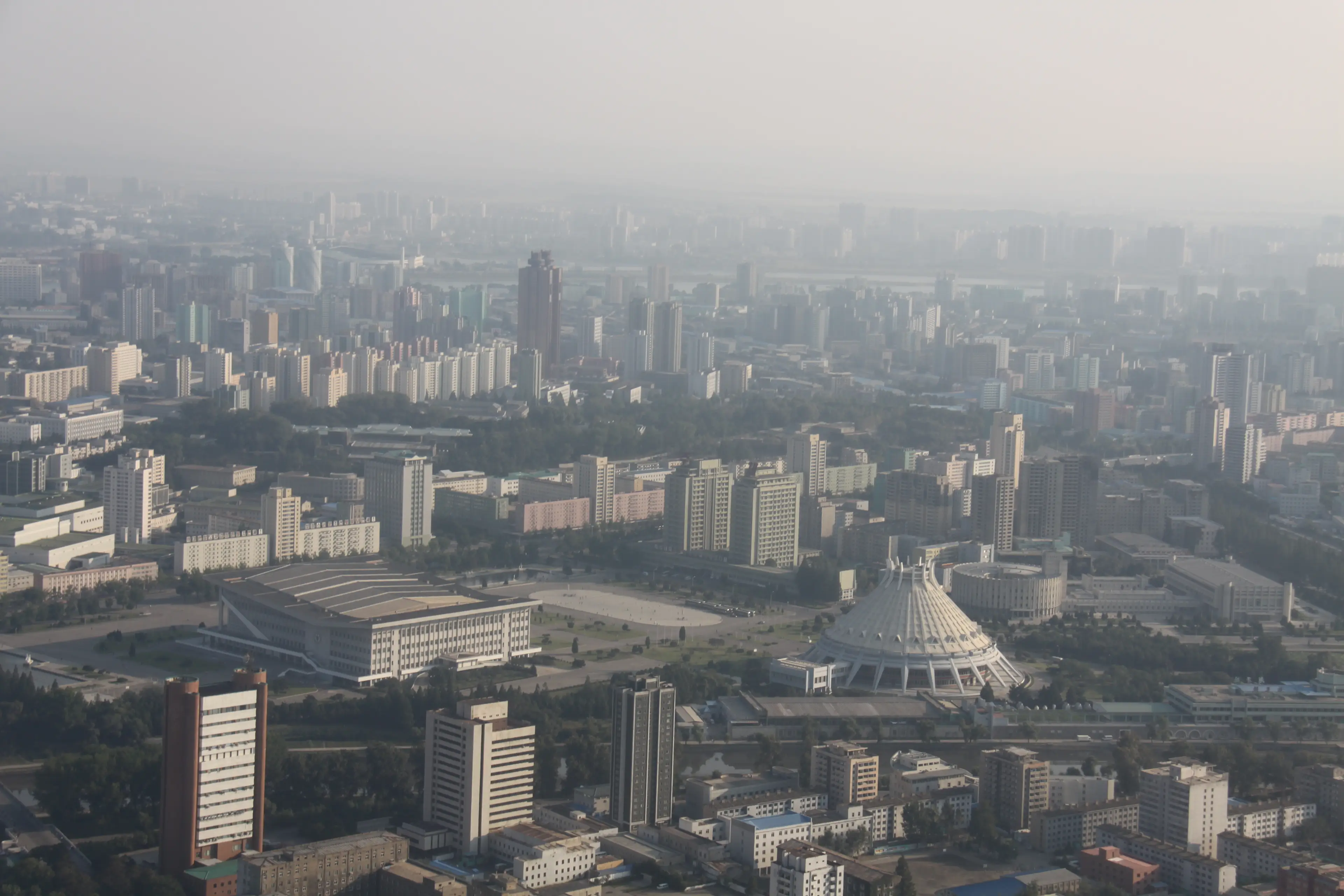
"Different projects get allocated different budgets, and this one has never had the budget to be able to be completed. So a lot of people will say, 'oh, the concrete structure wasn't safe, the lift shafts are twisted' as if that's not true of half the buildings there," he said of rumours.
It still hasn't hosted a single guest despite its bold plans, with Simon describing the building as 'enormously big and perhaps overbuilt', adding that 'time will tell' if it will ever be open to visitors.
Speaking more on the changes North Korea has undergone in the past two decades, Simon explained: "Things like the proliferation of mobile phones or the increased visibility of a kind of proto-middle class in Pyongyang [stand out] ...
"20 years ago, it wasn't considered socially acceptable to flaunt any kind of wealth, and that's something which has changed."
He also noted: "These changes over 20 to 25 years are not what should have been the extent of what should have changed over 20 to 25 years.
"I mean, I lived in China almost all of that time, more than 20 years. And the changes I saw there were far, far more enormous than the changes in North Korea."
The country's borders remain closed to tourists, but that could soon change, as we are years on from the height of the pandemic.
Topics: Travel, World News
 Joshua Nair