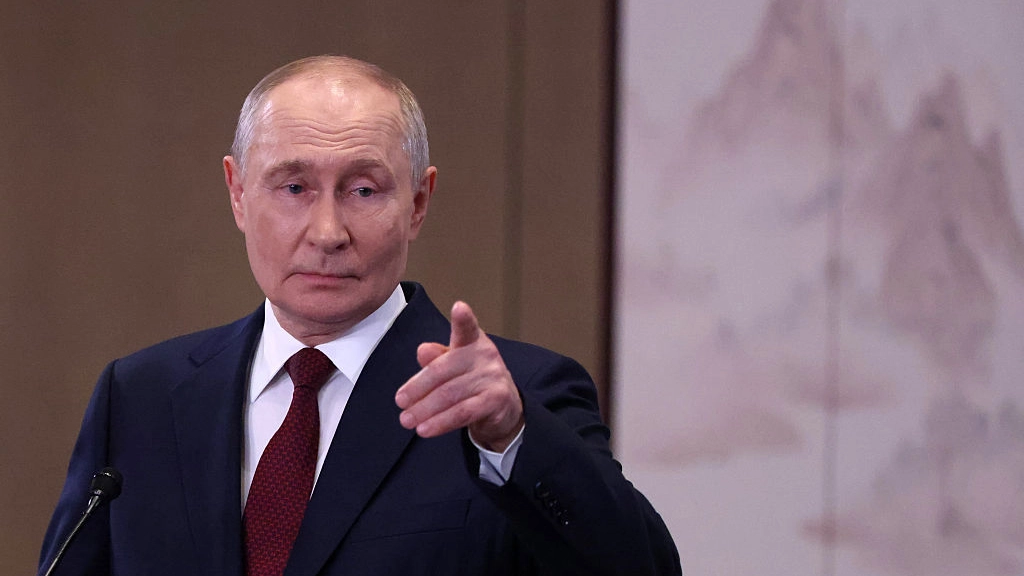
Expert explains how alleged nuclear satellite 'would raise the stakes in every confrontation with Russia'

The latest news coming out of Russia was particularly alarming, with reports from Germany claiming that Putin and co are readying a nuclear satellite to be sent into space.
Given that their five-year invasion of Ukraine has ground to something of a stalemate with peace talks seemingly a long way away, there are fears that Russia could test the waters with other countries in Europe next.
And amid news that Elon Musk is planning to send one million data centres above the Earth's atmosphere, it seems clear that space is going to play a big part in our futures and negotiations between countries.
However, some of those conversations may not even be possible if the reports from Germany are indeed accurate and Russia plans to send the nuclear warhead into space in the next 60 days.
Advert
German Chancellor Friedrich Merz has spoken out since the news first broke, insisting that while the reports were 'not new', they 'remain no less shocking', while a government spokesman has insisted that the reports are being taken 'very seriously'.
The Russians have also addressed the claims to suggest that they are 'hardly worth taking seriously', while Putin gave a similar response in 2024 when the US accused his country of developing a 'space-based' anti-satellite weapon armed with a nuclear warhead.
"Our position is clear and transparent. We have always been categorically against the deployment of nuclear weapons in space and we are still against it," President Vladimir Putin said at the time.
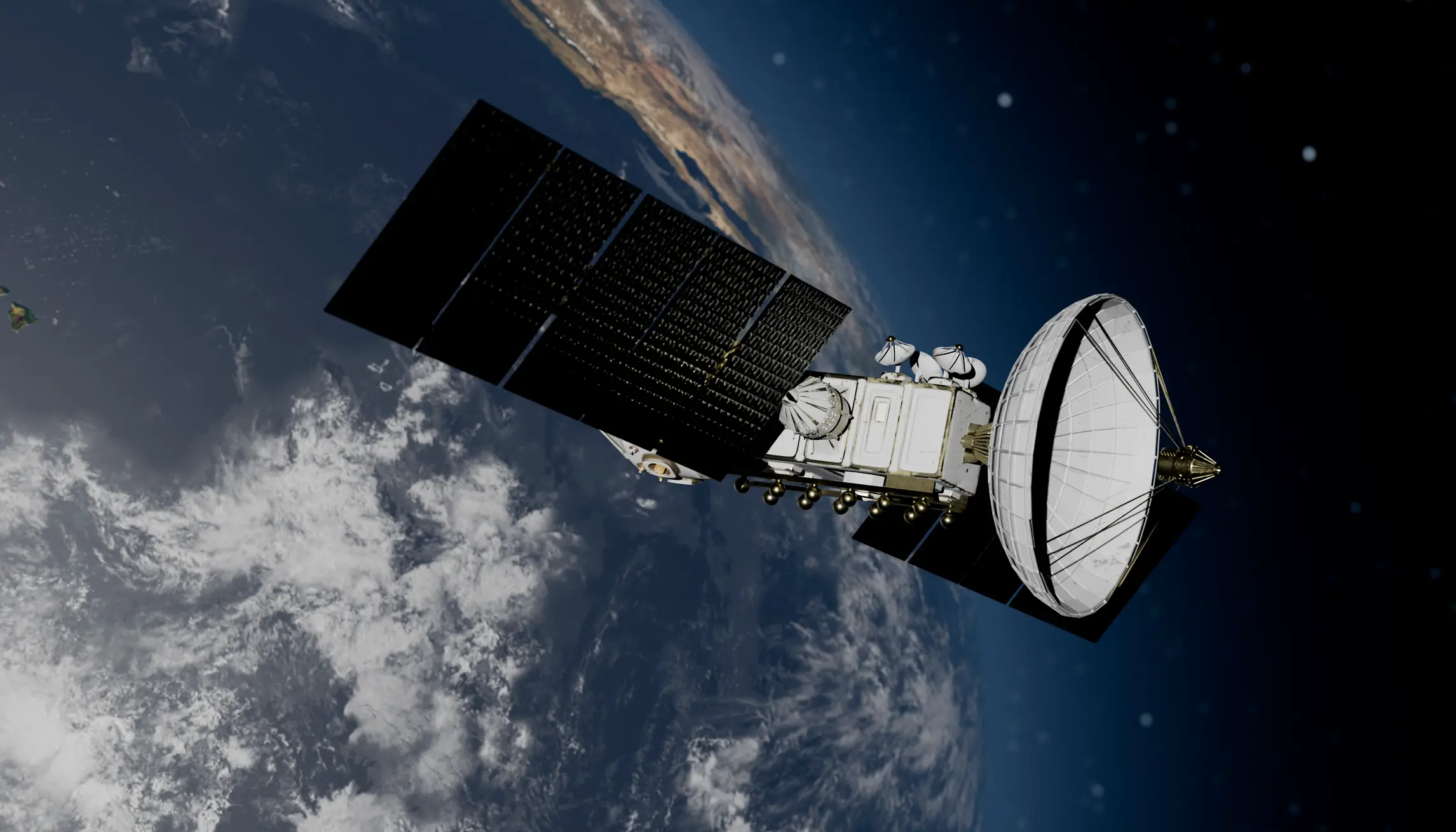
However, he's not exactly the most trustworthy source when it comes to this sort of thing, and the previous accusations go to show that the claims from the unnamed military source in Germany aren't unfounded.
But what would happen if Russia genuinely did send a nuclear warhead up there with the intention of detonating it? And how would other countries respond to this threat?
According to international affairs expert Daniel Schatz, it would impact people on Earth quite significantly, while also 'raising the stakes' with Russia.
Speaking to LADbible, he said: "A satellite can use nuclear power to generate electricity. The concern here is a satellite carrying a nuclear weapon. Putting that weapon into orbit would raise the stakes in every confrontation with Russia.
"If it were detonated and satellites were knocked out, people could feel the effects in very ordinary ways. A fishing crew could lose its weather updates. An emergency team working after a flood could lose its satellite link just when it needs it most.”
In a world of technological weapons and potential nuclear attacks, it's easy to comprehend why a country might want to target satellites and knock out the communications in that country.
After all, Russia has previously leaked a list of prospective UK cities to target in an attack, and a lot of those are focused on limiting the UK by harming its infrastructure.
Daniel added: “Satellites have no nationality from the point of view of a nuclear blast. A detonation could damage satellites belonging to allies, neutral countries and Russia itself. Some spacecraft could fail quickly, while others could degrade over time as they continued to encounter elevated radiation. Even countries with no role in the conflict could lose satellites they rely on.”
The author also explained exactly why Russia would be violating a long-held space treaty should the reports from Germany be true, and a warhead is launched in the next two months.
He concluded: “Article IV of the Outer Space Treaty already prohibits putting nuclear weapons into orbit. The priority is to prevent a launch in the first place. Governments should share what they can substantiate, press Moscow for answers and enlist other spacefaring countries to make clear that they have a direct stake in preventing deployment.
"At the same time, governments and operators should make sure critical services have backup communications and navigation on the ground. That work can start while diplomacy is still under way.”
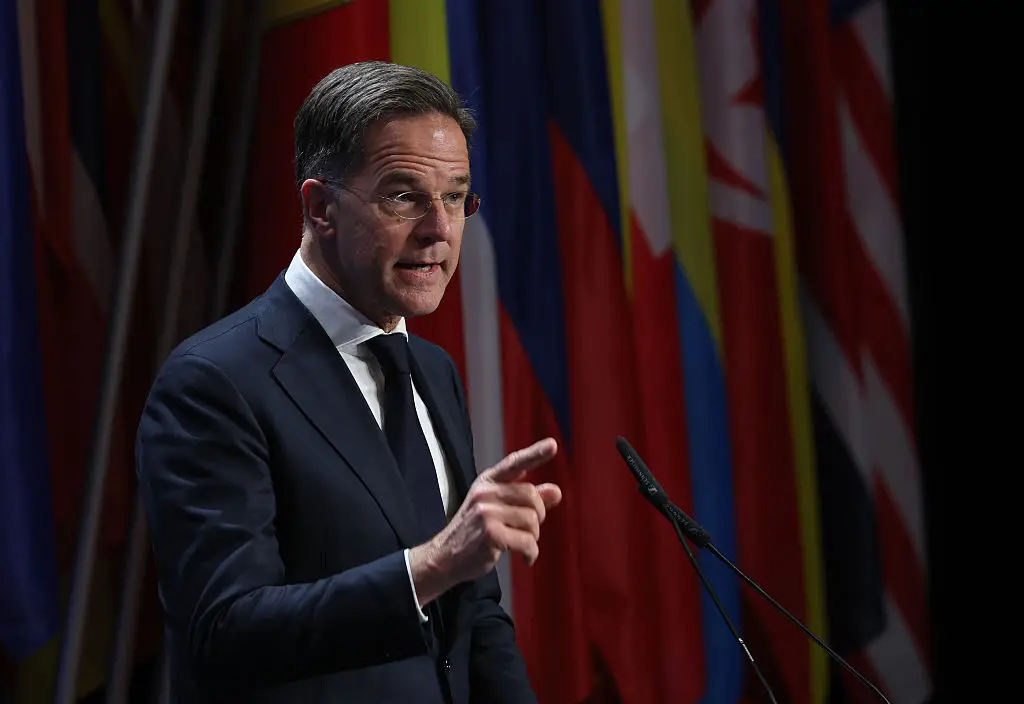
This already seems to be in place, with NATO chief Mark Rutte saying: "We will always make sure we defend every inch of Nato territory, and that includes making sure we are safe when it comes to the space element."
Topics: Russia, Vladimir Putin, Space, World News, Technology
 James Moorhouse