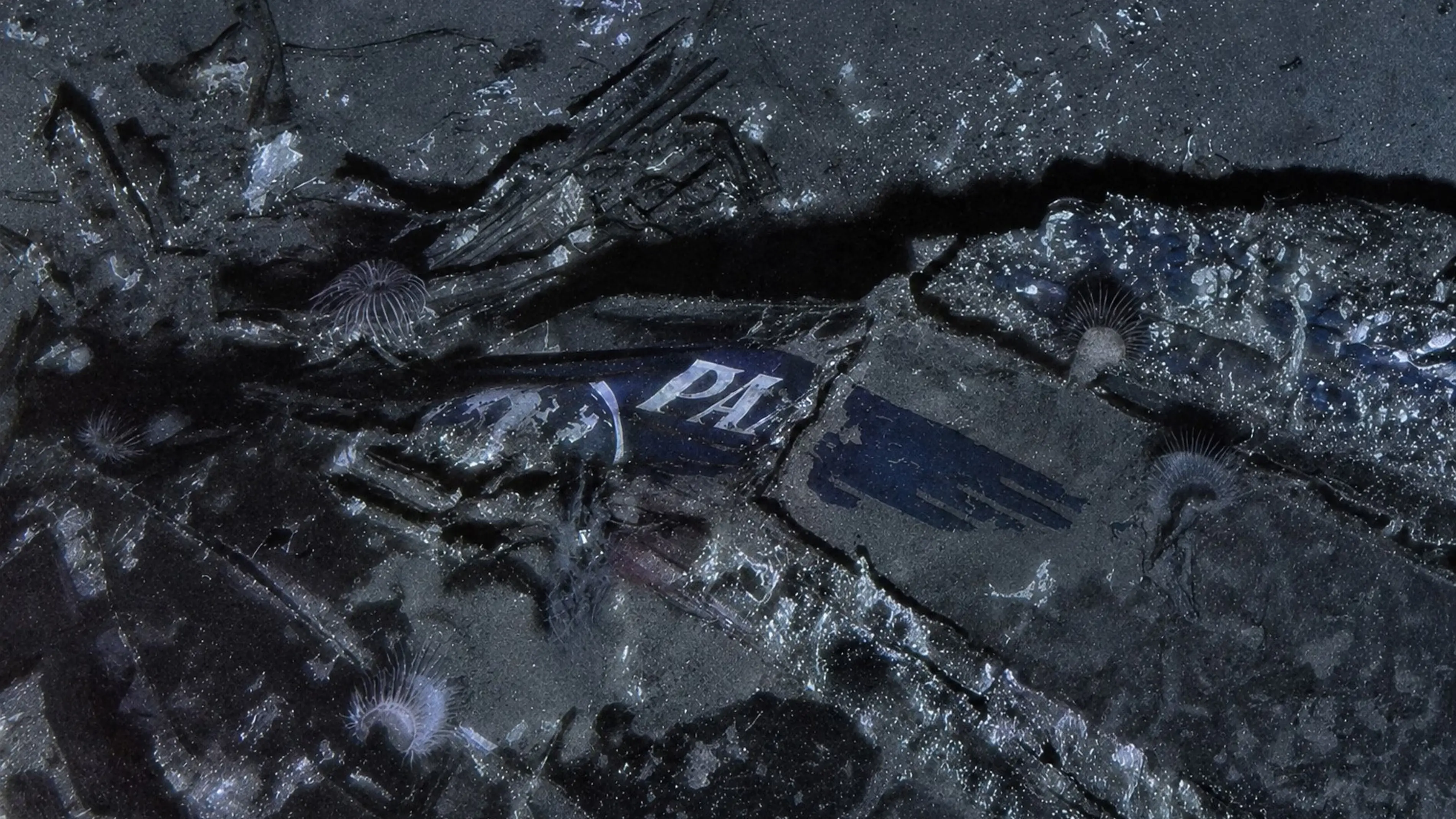
Wreckage of plane that crashed and killed 52 passengers finally discovered 74 years later

We're all used to the pre-flight safety routine by now but that only came into existence after 52 people died in a plane crash back in 1952.
When the Pan American Airways passenger plane Clipper Endeavor crashed into the water around 10 minutes after setting off on its journey from Puerto Rico to New York, the plane remained remarkably intact, with no fatalities at that point.
However, the lack of safety information at that time meant that many of the passengers were unwilling to exit the plane, which tragically led to 52 people drowning as the aircraft sunk below the water.
Rescue crews were only able to save five crew members and 12 passengers, while the wreckage of the plane sunk to the ocean floor and has been lost for the past 74 years.
Advert
But last month, the wreckage was discovered on 2 June by a team of the Air/Sea Heritage Foundation, alongside Deep Sea Vision, the eco minerals company and the Discovery Channel’s series Expedition Unknown following a seven-year investigation.
"Seeing the bright aluminium fuselage shining back at us from the ocean floor was a hugely emotional moment," said Expedition Unknown host Josh Gates in a Warner Bros Discovery press release.
Although the 1952 incident was obviously a tragedy because of the lives lost, it is thought that the subsequent safety procedures that were introduced in the aftermath of the incident have helped to save thousands of lives in the years since.
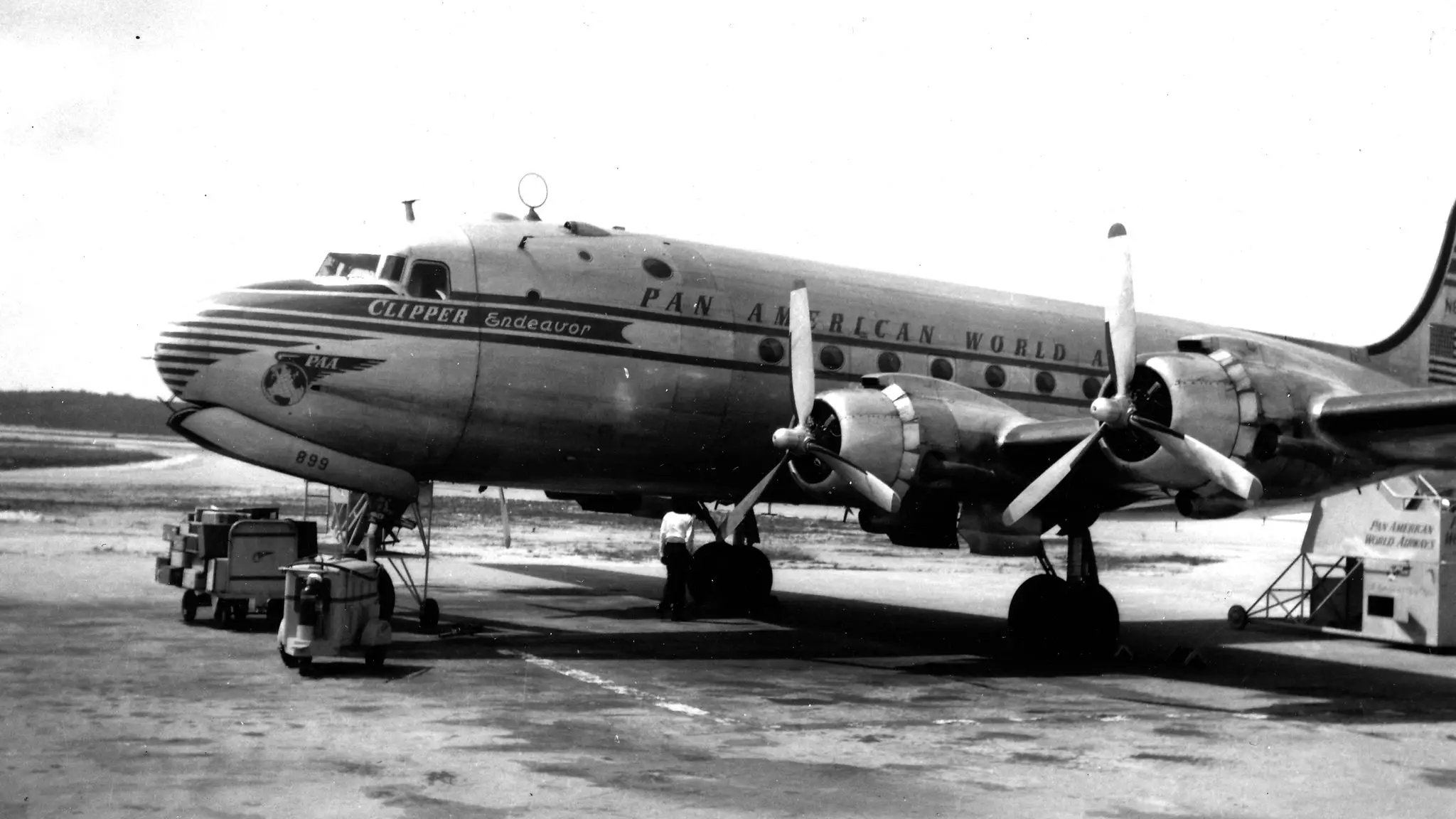
Gates added: "Every time you step onboard an airplane today, you are safer because of what happened to her and her passengers three quarters of a century ago.
"I hope this historic discovery brings some peace to the families of those aboard and serves to remind the flying public today of the debt of remembrance we owe to this fateful flight."
It was Russ Matthews, the president and co-founder of Air/Sea Heritage Foundation who was encouraged to restart the search back in 2019 after he saw a blurb about a luggage tag from the flight washing ashore in Florida.
But it wasn't until 2024, when Matthews teamed up with Gates, that they would enjoy their first major breakthrough when they discovered a chart map from US Air Force pilots who happened to witness the crash.
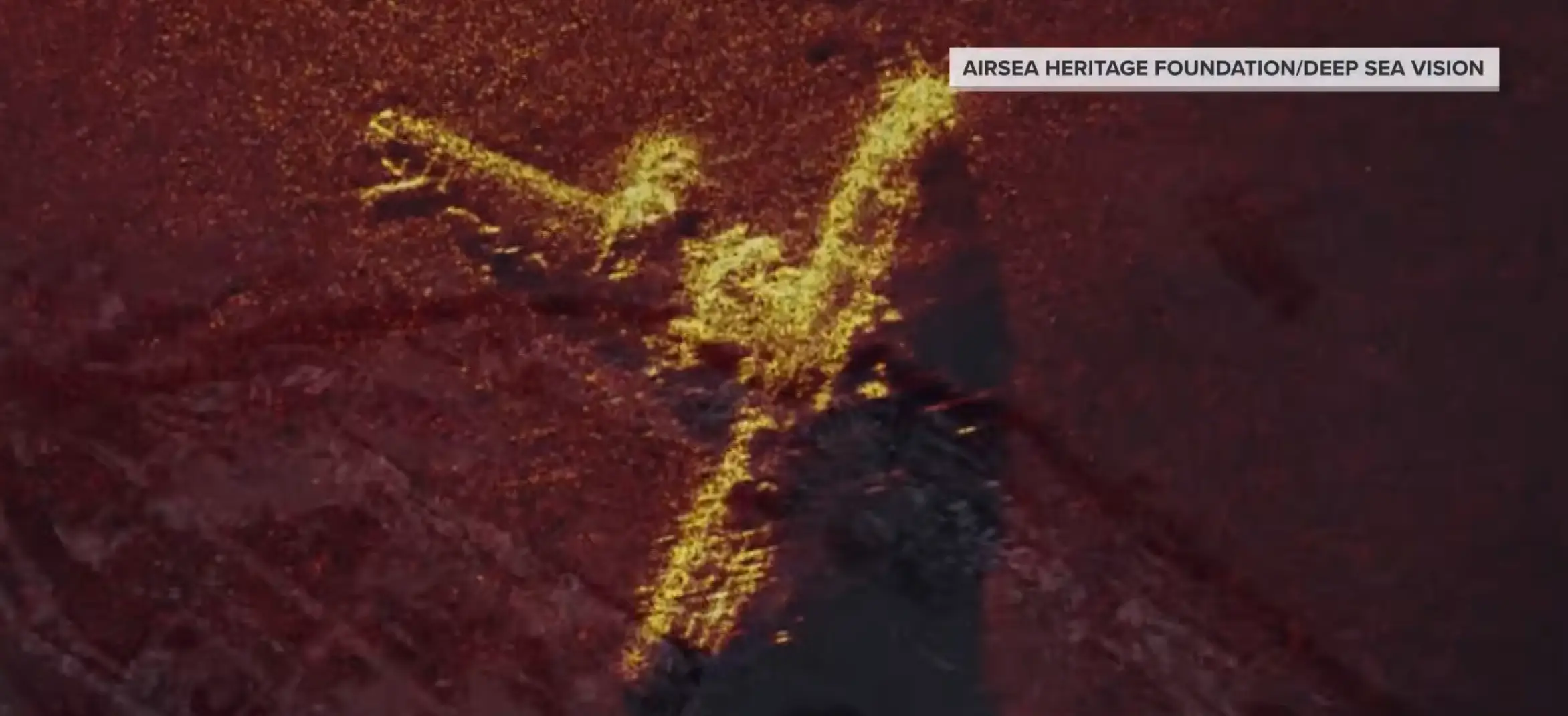
This helped to massively narrow down the search and with the help of the friendly Deep Sea Vision vessel which was on hand to assist for a few days, they were able to comprehensively scan the ocean floor.
On its first run, the vessel was able to spot the passenger plane split into two parts on the ocean floor, and they confirmed it was the wreckage after spotting the Pan Am logo alongside the name of the plane, which was still clear to see nearly eight decades on from the crash.
Gates added: "When the images came back from the AUV, we all gasped."
They are now working with the Puerto Rican government to potentially create a memorial to those who died in the crash, while the foundation has also reached out to the two living survivors from the 1952 crash.
 James Moorhouse