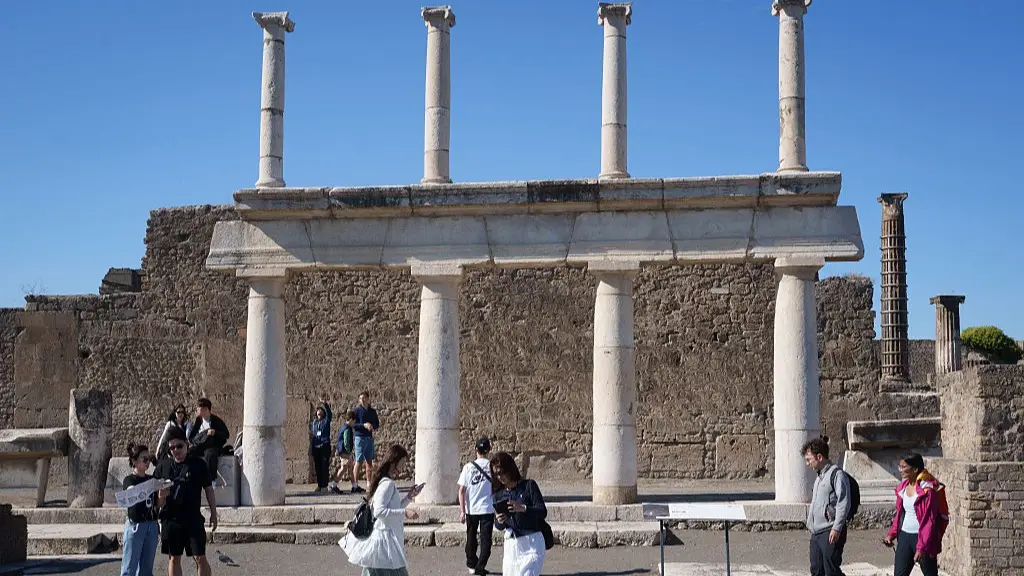
Experts make incredible discovery at Pompeii that confirms how Roman Empire was built

A construction site that was frozen in time after the ancient city of Pompeii was buried under volcanic ash has just been unearthed by archaeologists.
A team of experts who have been excavating the former metropolis made the extraordinary discovery, which comes nearly 2,000 years after the devastating eruption of Mount Vesuvius.
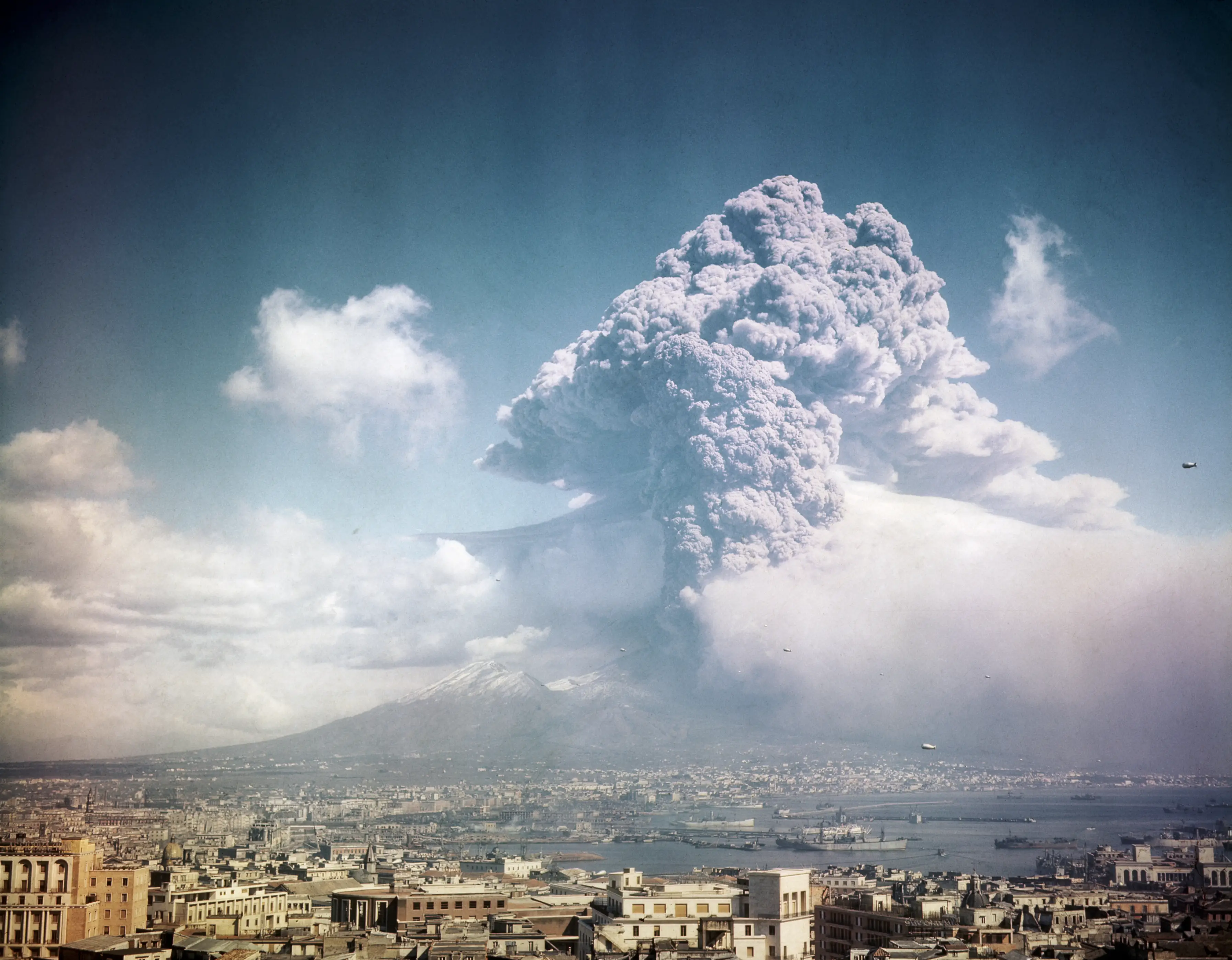
It was one of the deadliest volcano blasts in history, which effectively wiped Pompeii off the face of the Earth.
The eruption is estimated to have taken the lives of around 2,000 people, who were killed as gas, debris and molten rock blanketed the city - perfectly preserving their bodies in ash casts.
Advert
These have since been replicated in plaster and are on display in Pompeii, depicting the harrowing final moments and movements of locals.
And now, the world has gained some valuable insight into the unfinished business that these people had - as experts have just uncovered a building site that was left half-complete.
Professor Admir Masic, who led the team, said he felt as though he had 'travelled back in time' when they stumbled across the site, while admitting that he 'got emotional looking at a pile of dirt'.
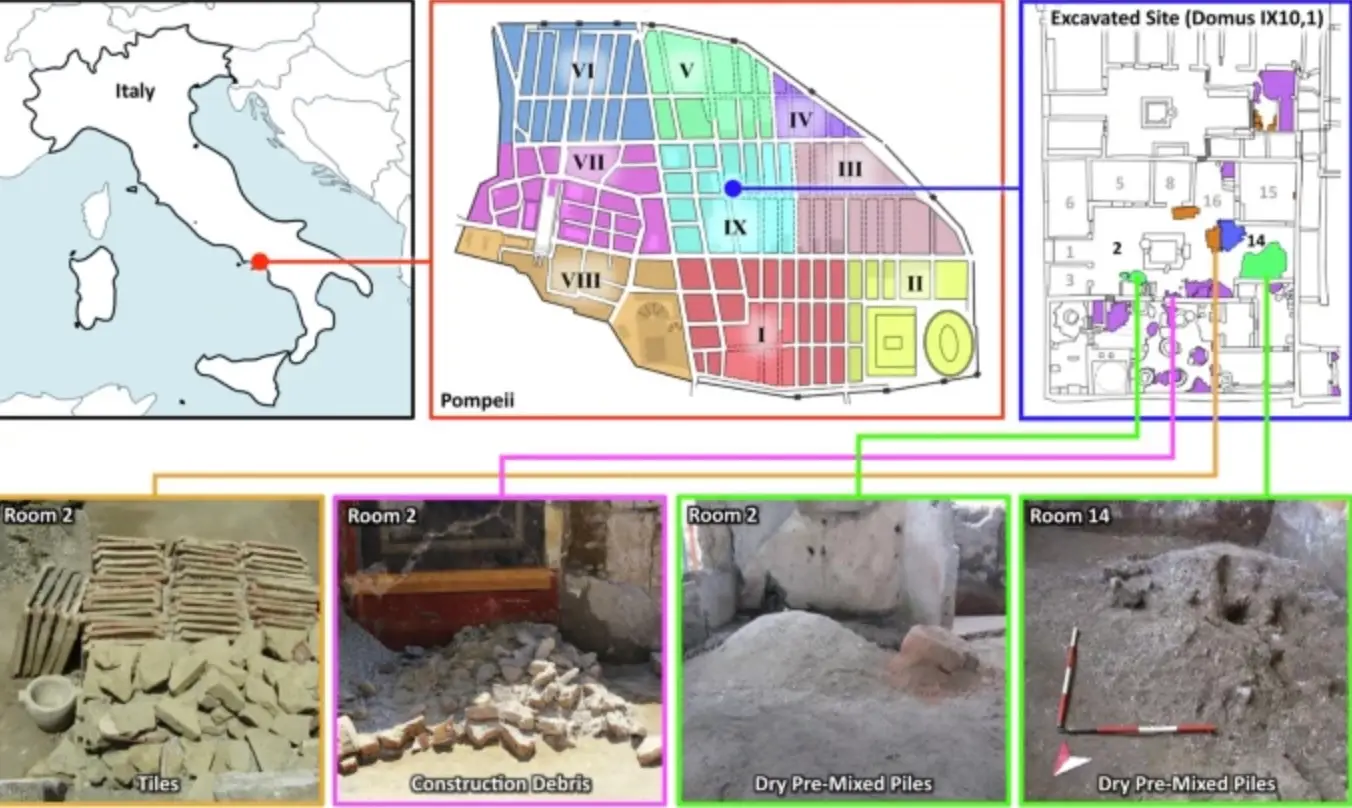
The building that was left incomplete due to the eruption of Mount Vesuvius boasted domestic rooms, as well as a working bakery which was kitted out with ovens, grain-washing basins and storage.
Some rooms had unfinished walls, while tools and piles of premixed dry materials were found littered around, right where the workers had left them as they prepared to lay the concrete.
"I expected to see Roman workers walking between the piles with their tools," Professor Masic said. "It was so vivid, you felt like you were transported in time.
"So yes, I got emotional looking at a pile of dirt. The archaeologists made some jokes."
He said the incredible discovery 'offers a true 'snapshot' of Roman building practice in action', adding: "Pompeii preserves buildings, materials and even work in progress in the precise state they were in when the eruption occurred.
"Unlike finished structures that have undergone centuries of repair or weathering, this site captures construction processes as they happened. For studying ancient technologies, there is simply no parallel."
All of this is pretty big news folks, as it gives an unprecedented insight into how the ancient Romans whipped up their durable 'self-healing' concrete that changed the architectural industry forever.
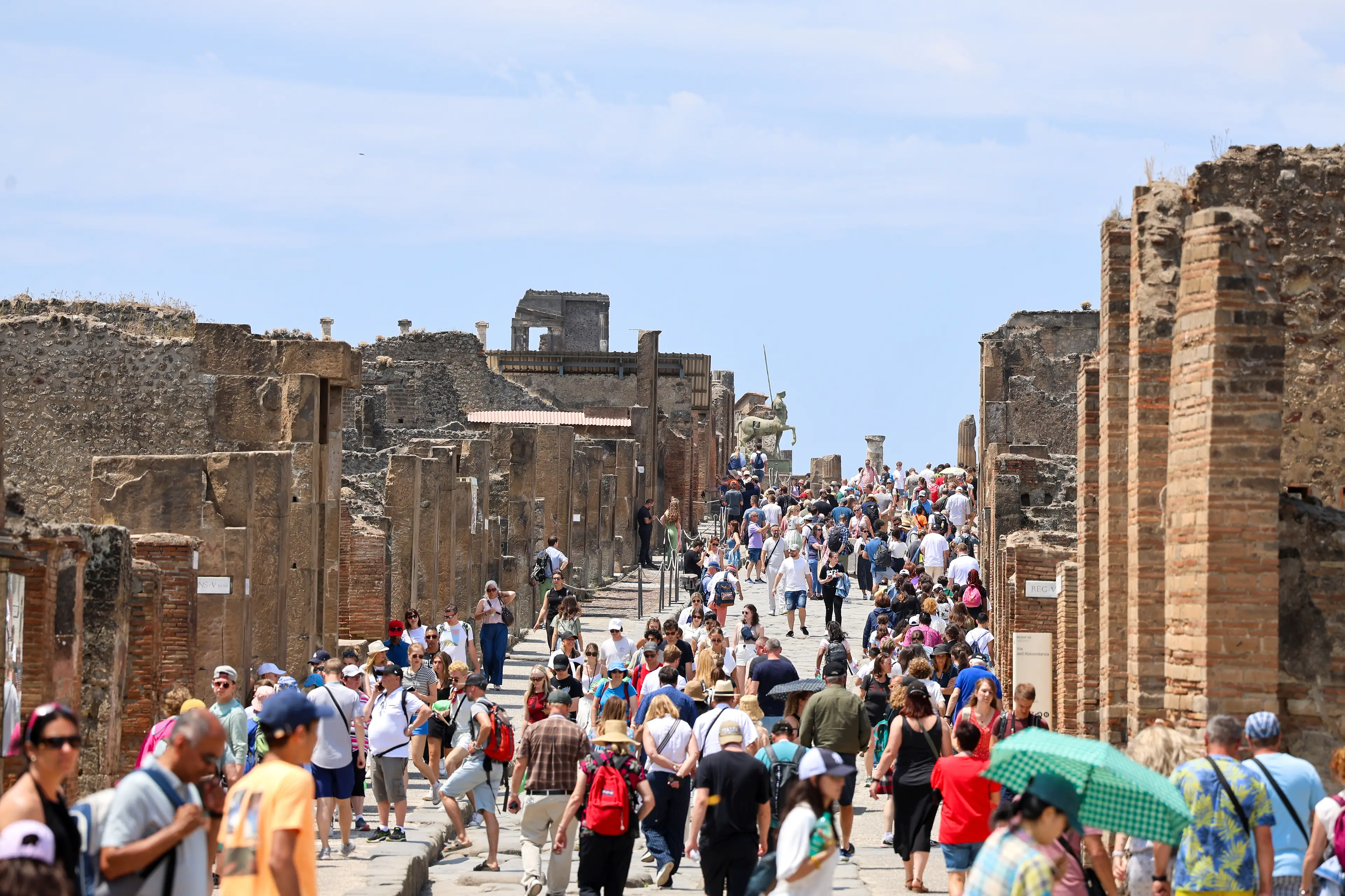
These lot managed to build an entire Empire with the stuff and some of the monuments erected all those years ago still stand today - so they were some seriously smart cookies.
They used this concrete concoction to erect the likes of the Colosseum and the Pantheon, as well as public baths, aqueducts and bridges.
The construction methods used by the Romans have long been a mystery, but now, the discovery of the construction site has confirmed their recipe for success.
Amid the discovery at Pompeii, scientists have concluded that a technique known as 'hot mixing' was used to produce the concrete mixture.
Combining dry limestone that was previously heated - which is known as quicklime - with water, volcanic rock and ash resulted in a chemical reaction taking place.
This caused the mixture to naturally heat itself, hence the name 'hot mixing'.
As a result, this blend of materials would be full of chunks of calcium, which is why the concrete could 'heal itself'.
When water would run down concrete, which may have cracks or damage, it dissolves the calcium - which can later recrystallise, and in turn, this heals the fractures in the structure by filling them in.
The team's findings, which have been published in Nature Communications, have a lot of 'historic importance' according to Professor Masic.
The civil and environmental engineering expert said: "There is the historic importance of this material, and then there is the scientific and technological importance of understanding it.
"This material can heal itself over thousands of years, it is reactive, and it is highly dynamic. It has survived earthquakes and volcanoes.
"It has endured under the sea and survived degradation from the elements. We don’t want to completely copy Roman concrete today.
"We just want to translate a few sentences from this book of knowledge into our modern construction practices."
He said hot mixing 'allowed builders to construct massive monolithic structures, complex vaults and domes, and harbours with concrete that cured underwater'.
"Concrete fundamentally expanded what could be built and how cities and infrastructures were conceived," the expert added.
Professor Masic said the discovery will help 'inform the design of next-generation durable, low-carbon concretes', as we can now take a leaf out of the Romans book.
Topics: World News, History, News, Science
 Olivia Burke