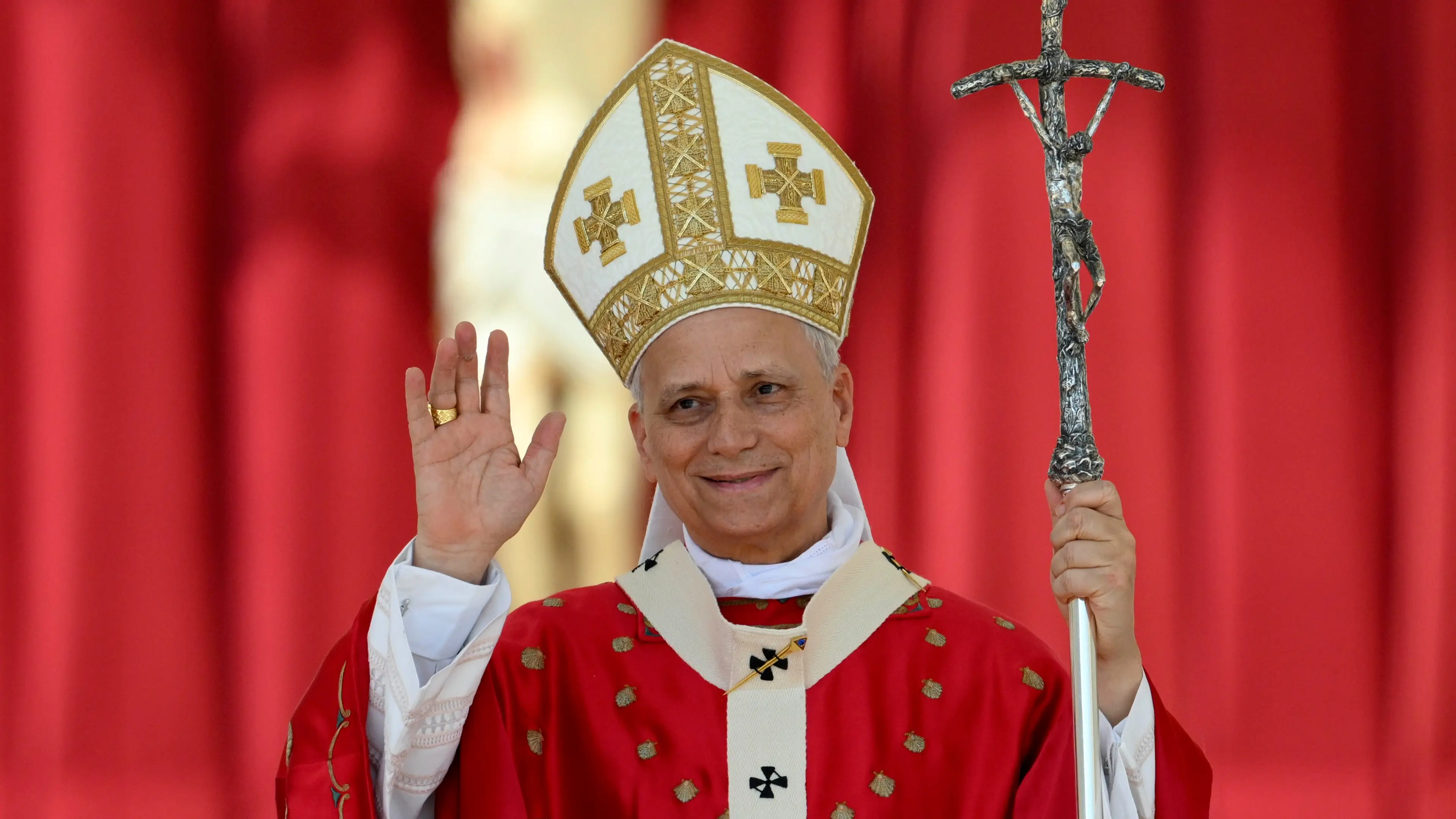
Pope Leo’s lung cancer diagnosis explained as experts reveal what happens next

PopeLeo XIV has had surgery to remove a cancer, the Vatican has said, as experts explain what will happen next for the pontiff.
The Pope went to Agostino Gemelli University Policlinic in Rome on Tuesday to have tissue removed from his lung after it was found to be pulmonary adenocarcinoma, which doctors said was detected at 'a very early stage'.
This is the most common form of lung cancer, and makes up around 40 percent of all cases.
Pope Leo had the growth removed, as well as a section from the lower lobe of his right lung as an additional precaution in the procedure, the Vatican has said.
Advert
Dr Juanita Mora is the national medical spokesperson for the American Lung Association, and shared that catching such a condition early means that the Pope should have a good prognosis.
“The fact that Pope Leo had a localised case of adenocarcinoma with an early-stage detection works in his favor,” she told CNN, “especially after surgical removal.”
Pulmonary adenocarcinoma is a type of non-small cell lung cancer, and often spreads and grows slower than other forms of lung cancer.
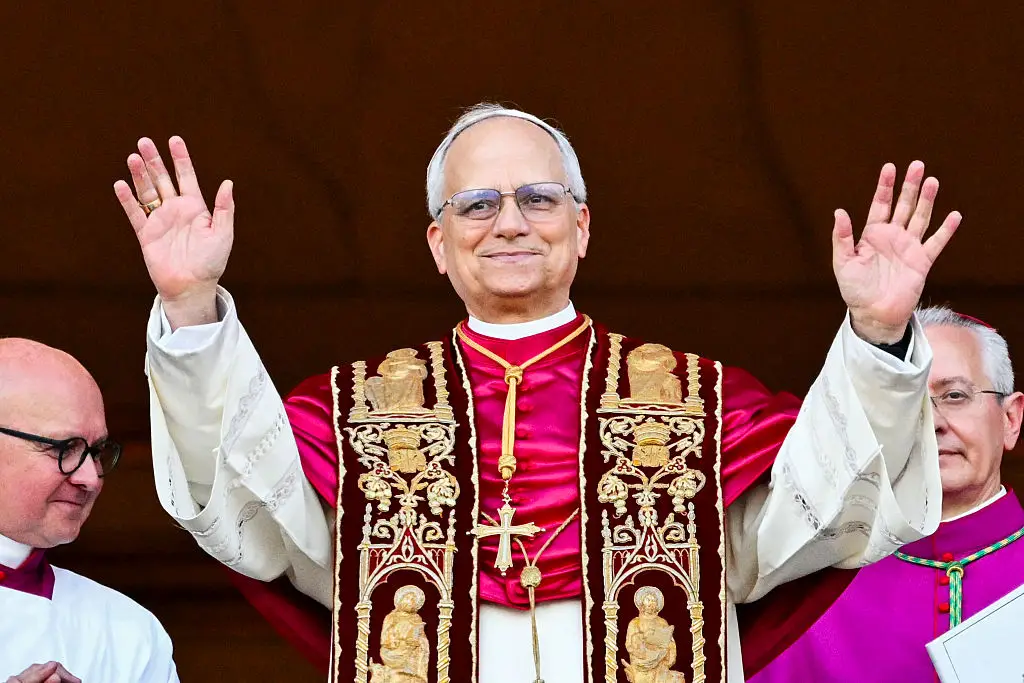
Dr Mora explained that the procedure will make it more difficult for Pope Leo to breathe for some time, but his lungs will start to adapt.
“Initially, it will be a little harder for him to breathe until the left lung starts to compensate for it,” she said.
There are also other factors which are working in the Pope's favour, she said, including that he does not smoke and that aside from this he is a healthy 71-year-old, and exercises regularly, including playing tennis.
Nonetheless, she added that there are still more steps that doctors will take as Pope Leo moves into the post-surgery step. This will include respiratory therapy to help build his lung function back up.
It also makes him particularly vulnerable to respiratory infections, Mora said, but many people are able to live full lives.
“So obviously, a lot of people live and can fully do everything in terms of function and capacity, even with a lobectomy," she said.
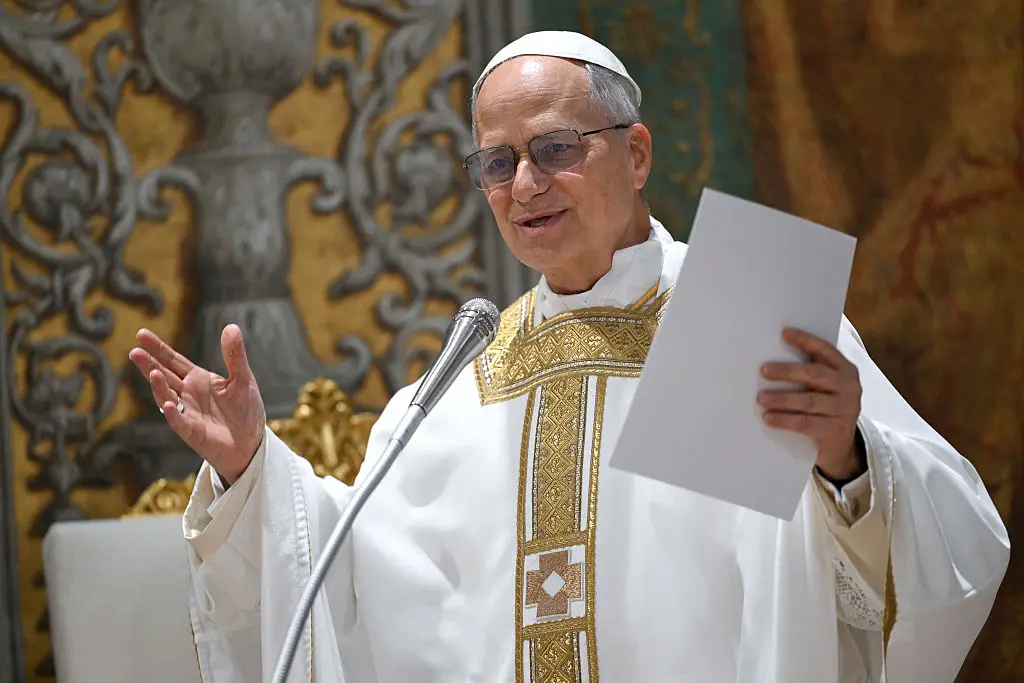
Mora explained that patients usually remain in hospital for a few days after surgery so doctors can keep an eye on their vitals, before moving to recovery at home once doctors are satisfied that their oxygen levels are stable.
“We’re hoping, though, that it’s just an isolated cancer where he’s one and done, in which now we see a survival rate of 80% to 98% when it comes to surgical removal,” Mora said. “But now we will have to wait for these tests.”
Pope Leo has a trip to South America scheduled next month, and whether he is able to go will depend on the test results, in which doctors will look at samples taken from the lymph nodes around his lung.
This will also determine whether he needs additional surgery or a course of chemotherapy, which may be necessary if the tests indicate that there are cancerous cells inside of the lymph nodes.
Topics: World News, Pope Leo, Health, Cancer
 Kit Roberts