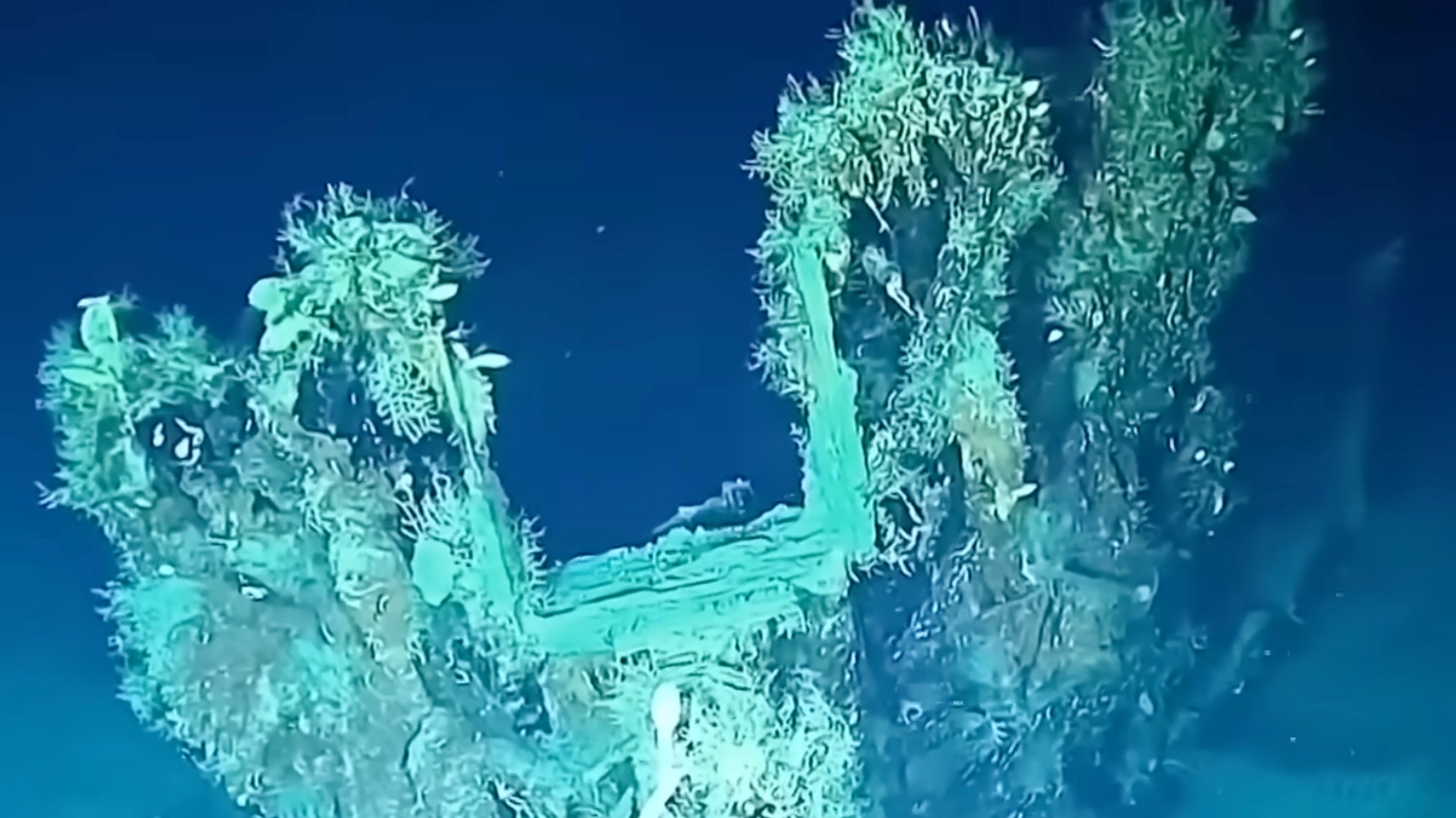
First part of $17 billion treasure at bottom of Caribbean sea has been recovered

Items of treasure from the wreckage of the San José galleon have been brought to the surface for the first time and researchers are keen to find out more about them.
A study published in June this year revealed that researchers uncovered a treasure trove that was part of the sunken Spanish ship sitting on the seabed of the Caribbean Sea.
The experts suggested that it could be worth around $17 billion (£12.7 billion), with the loot containing things from golden coins to silver and jewels which are thought to have originated from Spain's colonies in South America.
Back on 8 June 1708, the San José was carrying about 200 tons of goods when it was attacked and subsequently sunk by the Royal Navy during the War of Spanish Succession.
Advert
It had been lost until at least the 1980s, when certain organisations claimed that they'd found it, though the exact location was only confirmed in 2015.
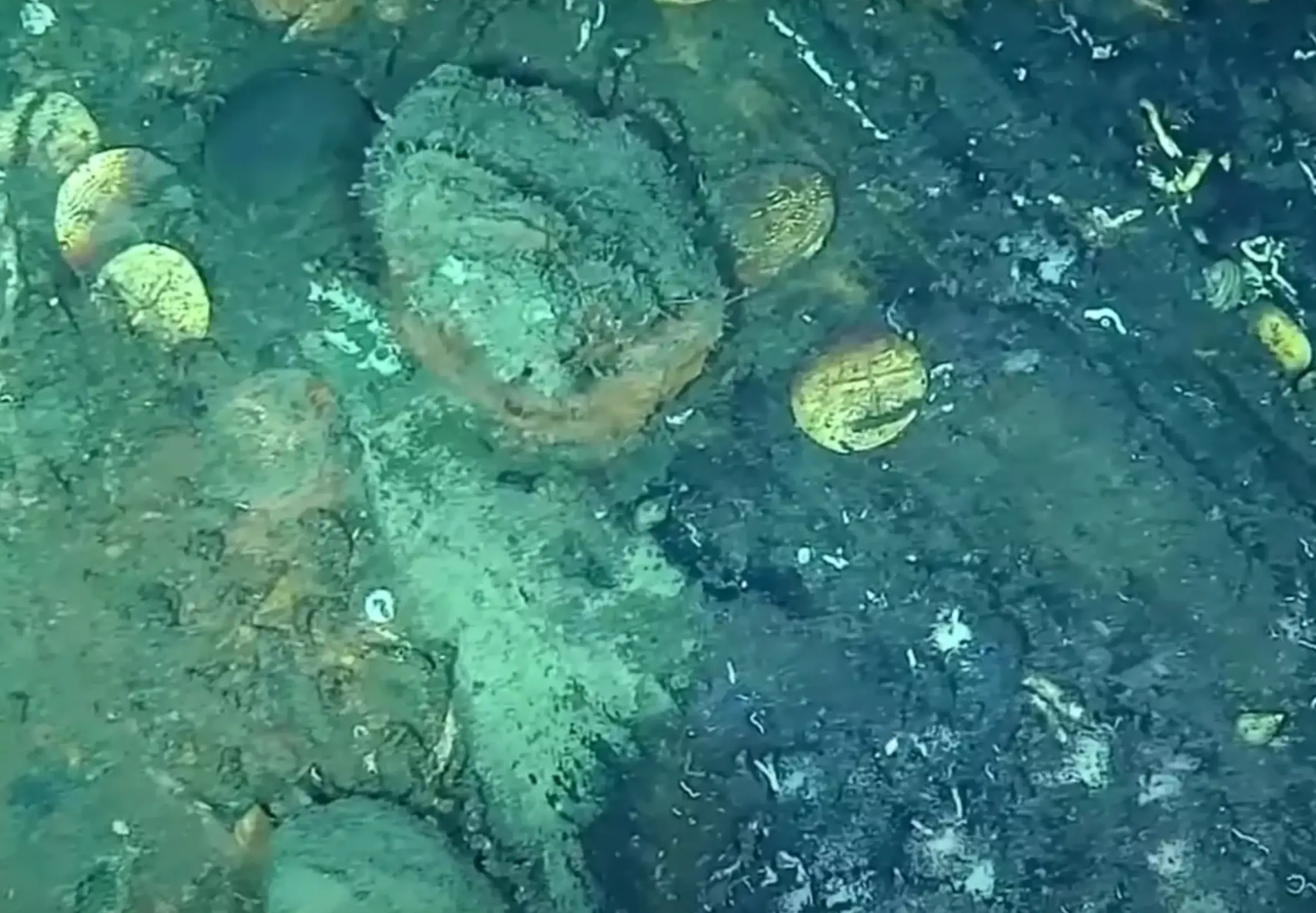
While the Colombian government kept the location under wraps to stop others from trying to get to the site and loot it, there's been disputes over who the treasure really belongs to after three centuries deep below the surface.
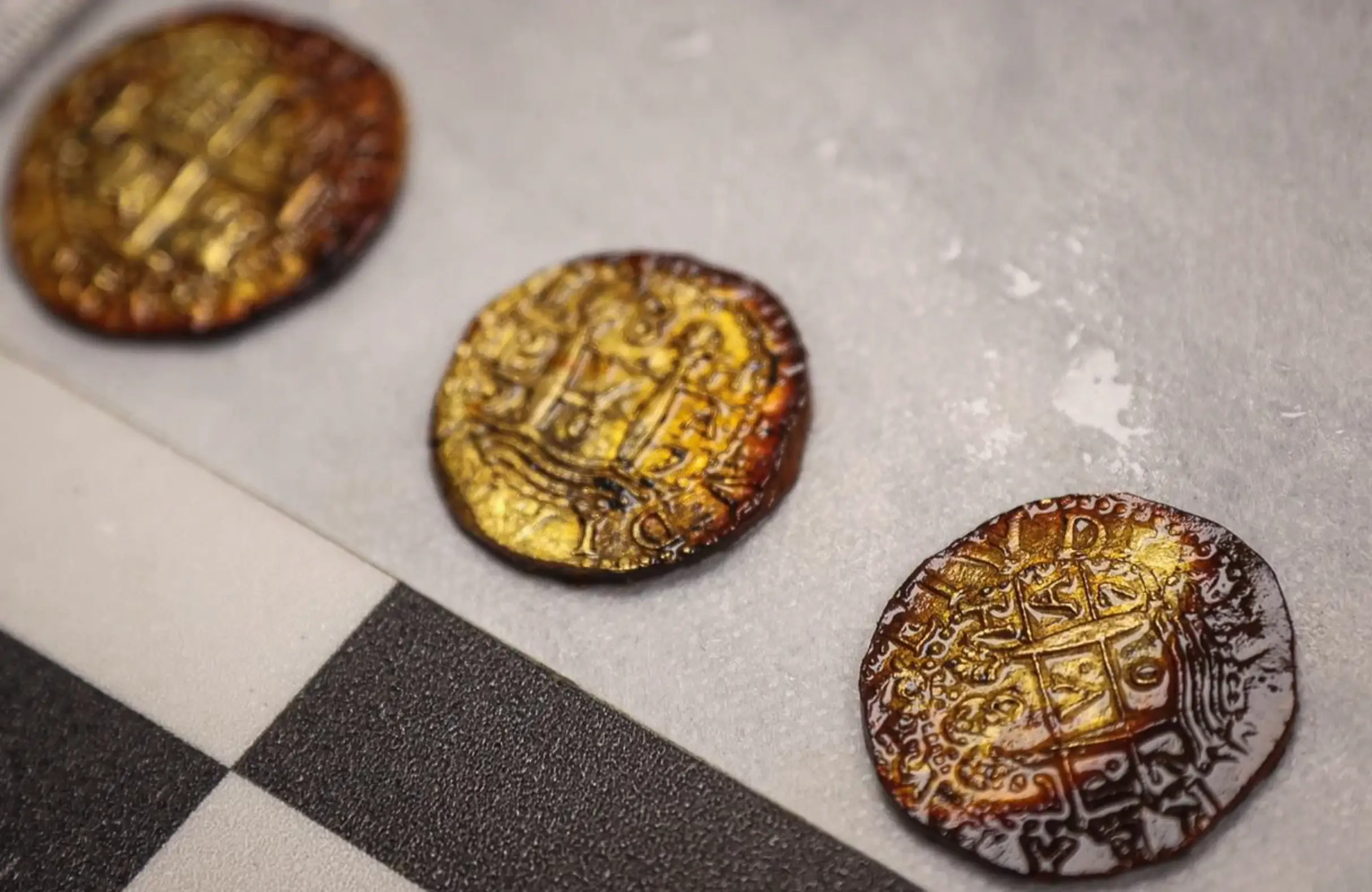
Whether it be the US, Colombia, Spain, or even Bolivia, the fact is that the first artefacts from the shipwreck have been recovered, and they include a number of objects.
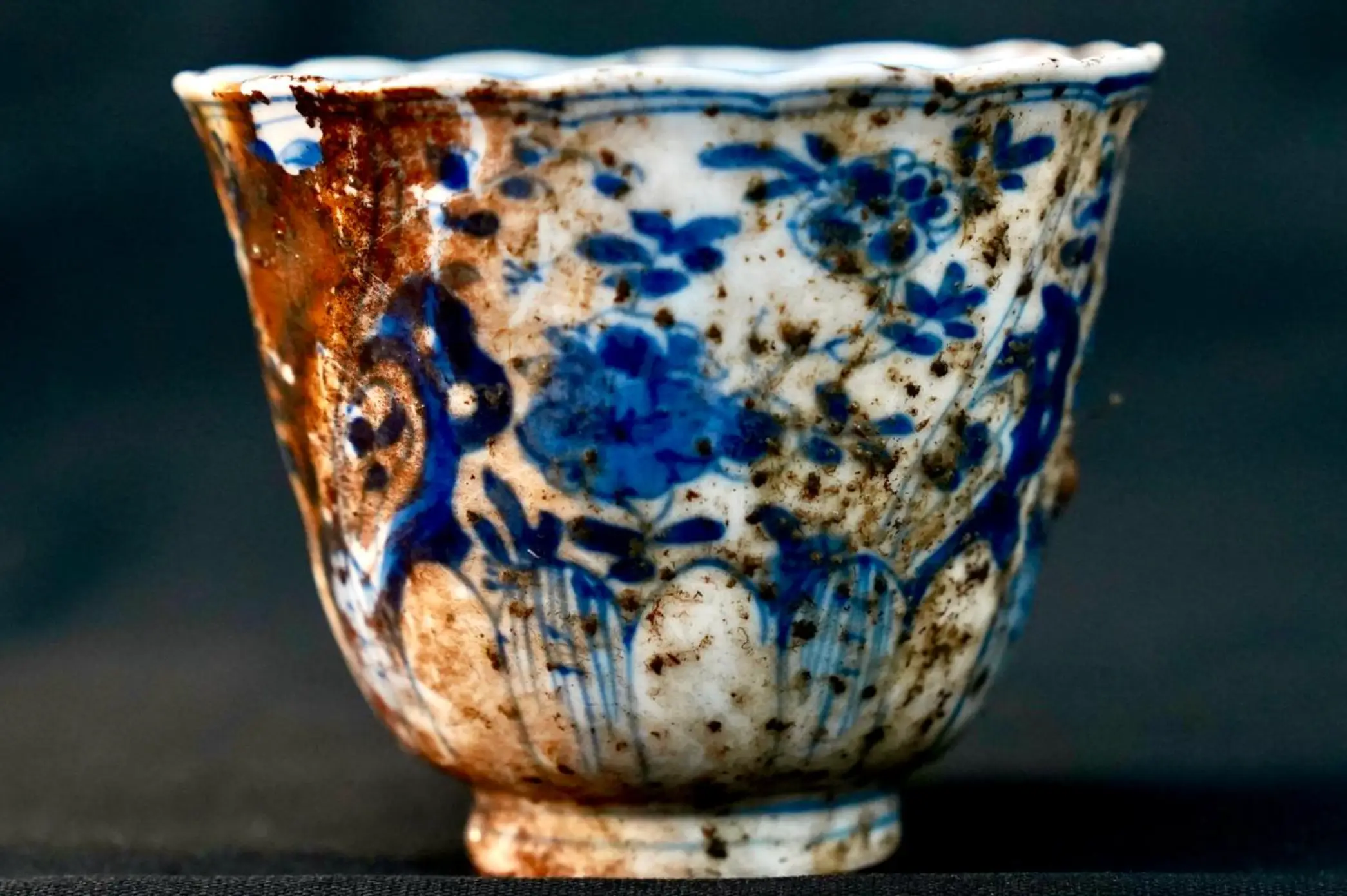
In addition to gold coins, there are also pieces of fine porcelain and a huge cannon which looks like something out of a Pirates of the Caribbean film.
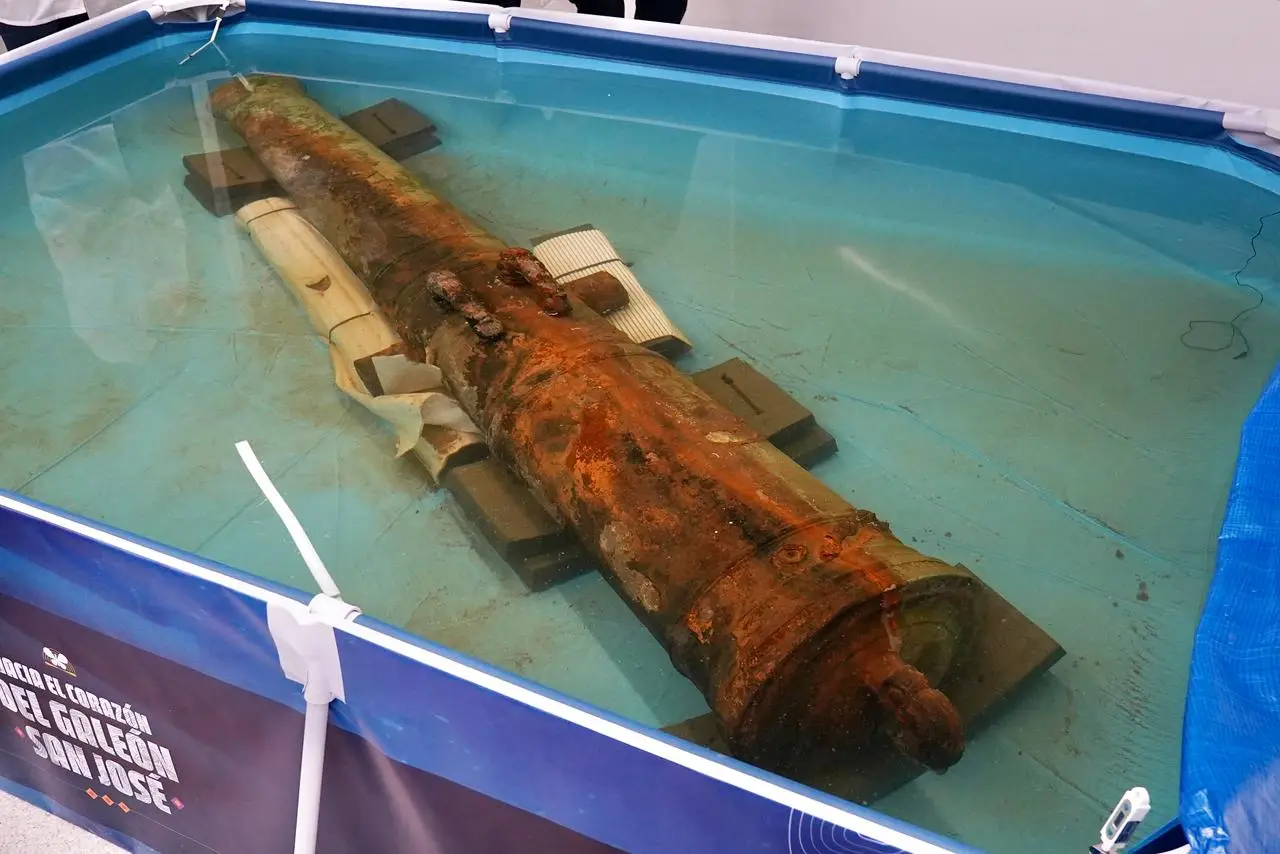
It was all part of an ongoing research project on the ship, which is not far from the coast of Cartagena, Colombia.
The South American nation's government has been leading a project since 2024 titled 'Toward the Heart of the San José', with the goal of finding out more about the ship that once was.
In working with scientists and marine archaeologists, remotely operated submarines going down to those depths discovered gold coins before starting the recovery and analysis of these historic objects.
The coins were macuquinas, which were manually minted coins used in Spanish America from the 16th century to the middle of the 18th century.
A number of techniques will be used to look into these objects, to reveal how and when they were made, with the goal to gain more information about the technologies of the time and the exact trade routes used at the time of Spain's colonisation of the Americas.
The items could even help to offer an explanation behind the San José galleon sinking in the first place, as while it is understood that an ambush by the British Navy sunk it, the exact method used is still up for debate.
One theory even suggested that a cannonball hit the powder magazine, which would have been fatal for the ship, though this hasn't been proved yet.
The Colombian Minister of Cultures, Arts, and Knowledge, said in a statement: "This historic event demonstrates the strengthening of the Colombian State’s technical, professional, and technological capabilities to protect and promote Underwater Cultural Heritage, as part of Colombian identity and history."
It's still not clear how much the treasure is worth, though researchers found that many of the coins found in early stages had an 'L' printed on them, meaning they were minted in Lima, while other markings suggested they were made in 1707.
Topics: Archaeology, History, Science, World News
 Joshua Nair