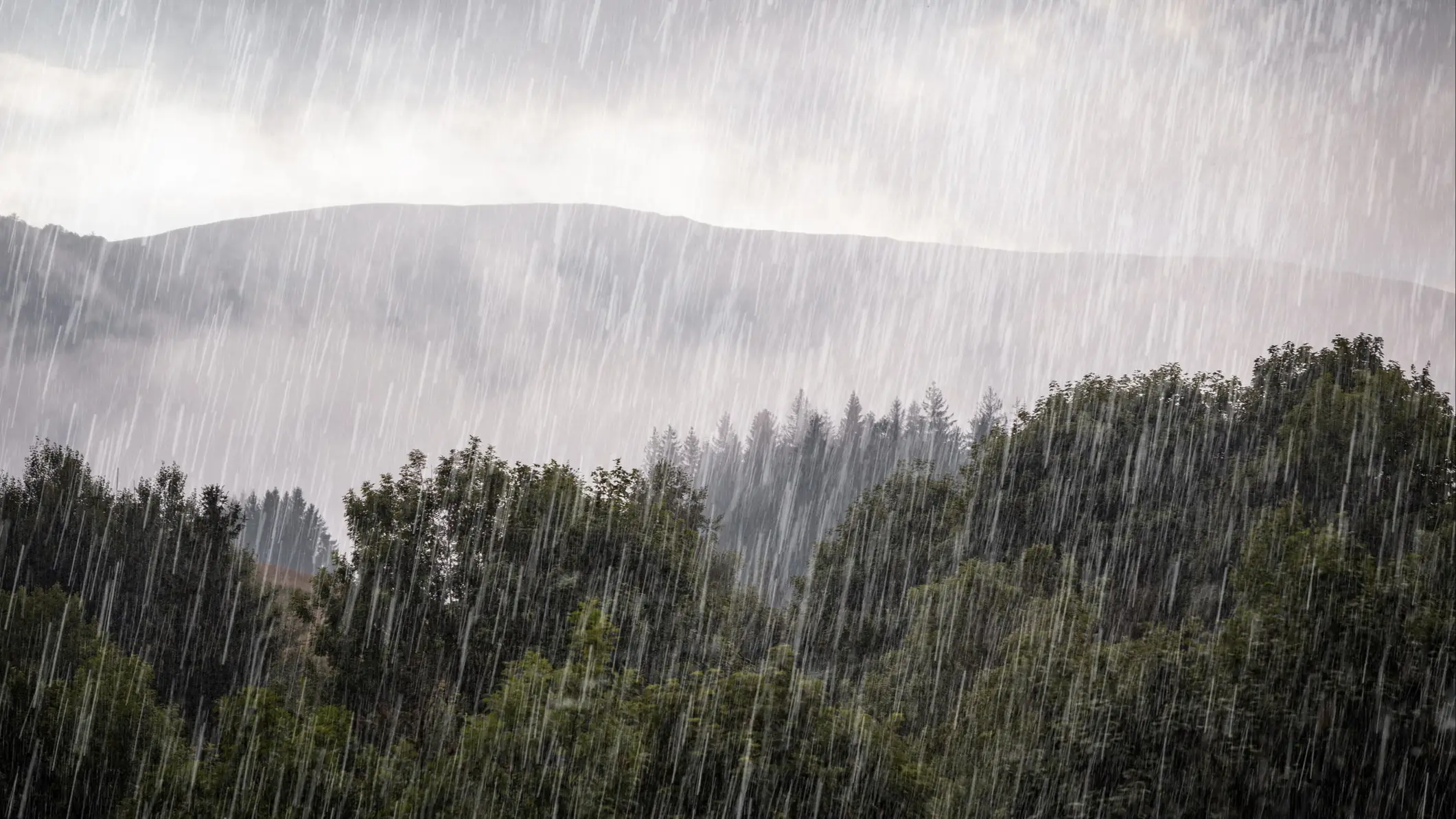
Tragic impact strongest Super El Niño 'in living memory' will have on most impacted area in world

The coming months have been forecast to see what scientists now expect to be one of the strongest El Niño events ever recorded.
This cycle began in June and is predicted to last until 2027, and many have taken to referring to the event as a 'Super El Niño' to reflect the sheer scale of the weather events it is likely to cause.
El Niño is part of the cycle of the heating and cooling of the surface temperature of the Pacific Ocean, called the ENSO cycle, and has a big impact on weather events around the world. This has the 'neutral' phase, the cooling phase, La Niña, and the heating phase, El Niño.
Depending on where you are this could mean floods or droughts and wildfires, with the impact crossing continents even when the El Niño is not an extraordinarily strong one.
Advert
But now scientists have predicted that the Pacific surface temperature is set to rise by a record amount, a circumstance which is likely to lead to extreme weather.
While El Niño is not caused by climate change, the impacts of climate including rising ocean temperatures and greater vulnerability to extreme weather can exacerbate the impact that El Niño has.
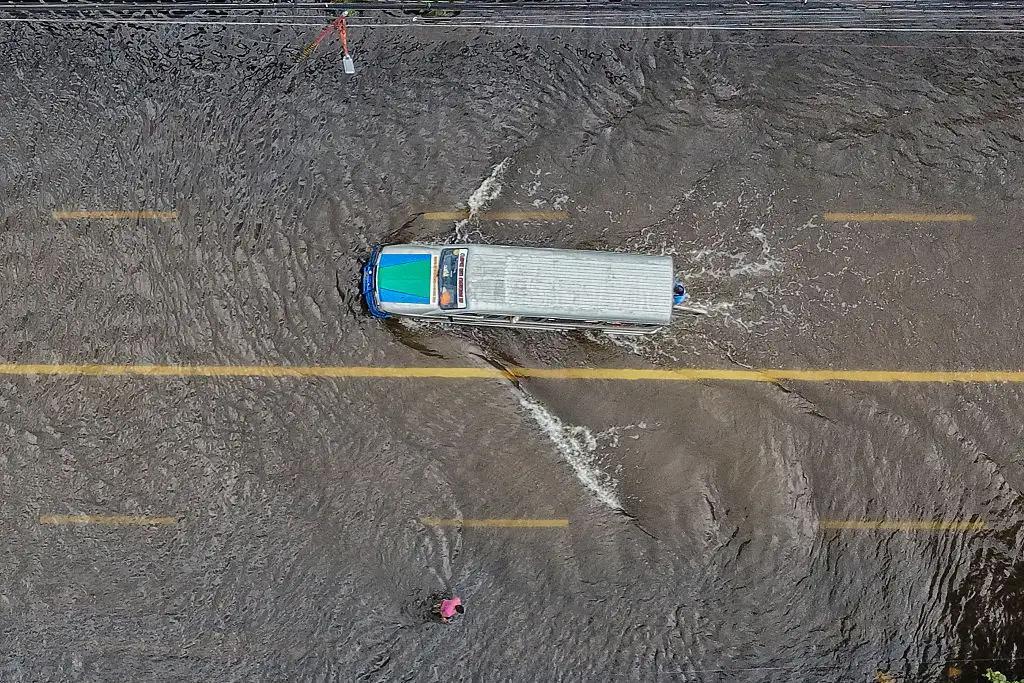
El Niño will have an impact around the world in different ways, but some regions are more vulnerable to the more extreme effects than others.
South America and South-East Asia are areas which are especially vulnerable to El Niño, so how does it affect these areas?
While the nature of it makes it difficult to predict precisely, the Central America and the northern parts of South America, which includes the Amazon Rainforest, typically experience a drier climate during El Niño, Carbon Brief reported.
Meanwhile the southern parts of the continent more often experience an increase in rainfall.
As a result of that countries such as Colombia, Venezuela, and the north of Brazil are at an increased risk of wildfires, with southern Brazil, northern Argentina, and and Chile vulnerable to severe flooding.
Meanwhile, south-east Asia is more vulnerable to very dry conditions, meaning that it is at a heightened risk of wildfires.
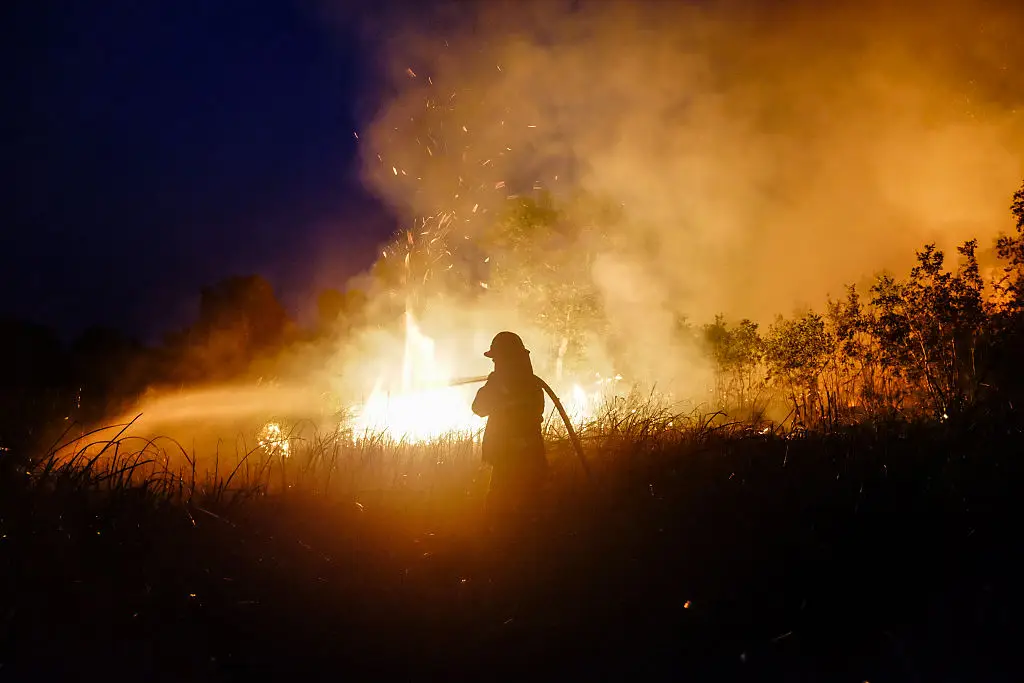
Nonetheless, no two El Niño events are exactly the same, so their precise impact can be hard to predict.
While South America and South-East Asia are especially vulnerable to the impact of El Niño, that doesn't mean that the UK will not be affected by it.
The UK's Met Office has said that the UK weather is likely to be affected by the EL Niño, with experts saying that this is unusual.
Professor Adam Scaife is the head of long-range forecasts at the Met Office, and told the BBC: "I have not seen an event like this developing in our forecasts before."
He added that weather forecasters in the UK 'already see signals for increased rainfall and storminess in autumn here in the UK'.
It comes after the UK experienced another summer of extreme heat, with emergency services scrambling to contain wildfires as hot and dry ground became particularly susceptible.
Topics: World News, El Niño, Weather
 Kit Roberts