Safest countries to be in if WW3 breaks out

Global tensions are still rising as multiple wars continue to grind on, leaving the question of where might be safest for World War Three becoming uncomfortably close.
Around the world invasions, bombardments, insurgencies, and civil wars continue to cause death and destruction.
With Russia's invasion of Ukraine still grinding on, Putin continues with sabre-rattling rhetoric towards western Europe.
In the UK, the risk of Russian attack is now deemed to be increased, though such an attack might not come in the shape of bombs and missiles.
Advert
Instead, defence experts have warned that Russia may use strategies involving cheap drones, such as the incident in Leipzig in which such a drone was found near the airport, or cyberattacks to target digital infrastructure.
While potentially very dangerous to the UK, these operations may still fall short of outright war, with Russian aggression towards a NATO member being a big diplomatic line.
Meanwhile, Donald Trump's war with Iran has continued to increase instability in the Middle East, with Israel attacking Iran alongside the US, as well as also invading southern Lebanon and a demilitarised zone on the border with Syria.
China has also made its designs on Taiwan very clear, with Xi Jinping not ruling out China using military force to take the island.
In short, there's a lot of reasons to be worried about geopolitics, and that's without even worrying about social breakdown caused by climate change, or the threat posed by artificial intelligence.
If World War Three were to actually break out it would be unlikely you'd be able to travel far as international travel breaks down. Of course, all bets are off if such a war were to escalate to a nuclear confrontation as well.
And of course, this is assuming that you would want to survive a nuclear war, as the post-nuclear world is unlikely to be an easy one to live in.
Nonetheless, if you do want to be a part of that world, here are some places where it might be best to live.
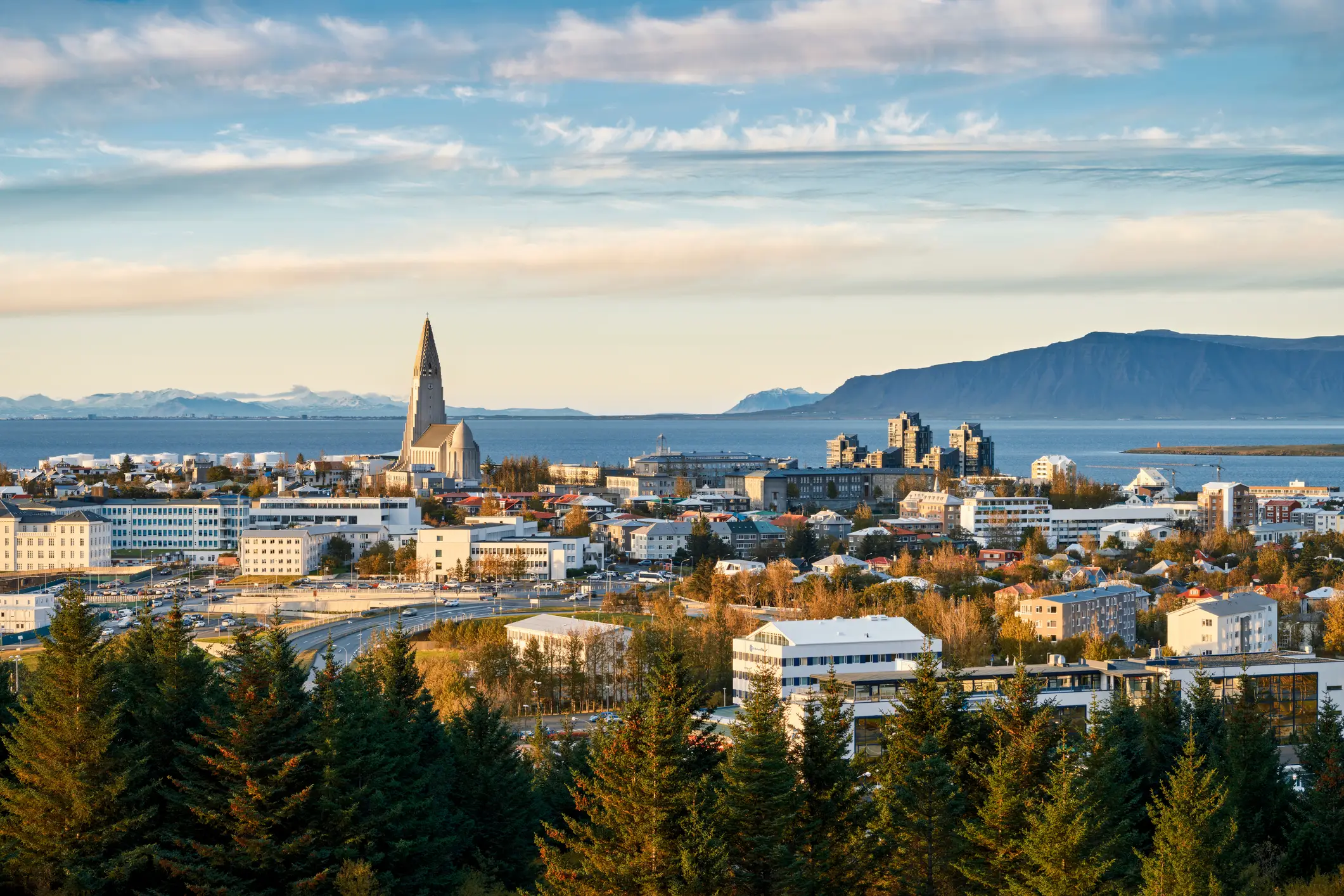
Iceland
The Nordic nation is known as one of the most peaceful countries in the world, consistently coming out on top of the Global Peace Index, as it has never been part of a full-scale war or invasion.
The remote island would also avoid the effects of war which could break out in Europe, while the government is known to have agreements with Ukraine, providing some financing and transportation.
Switzerland
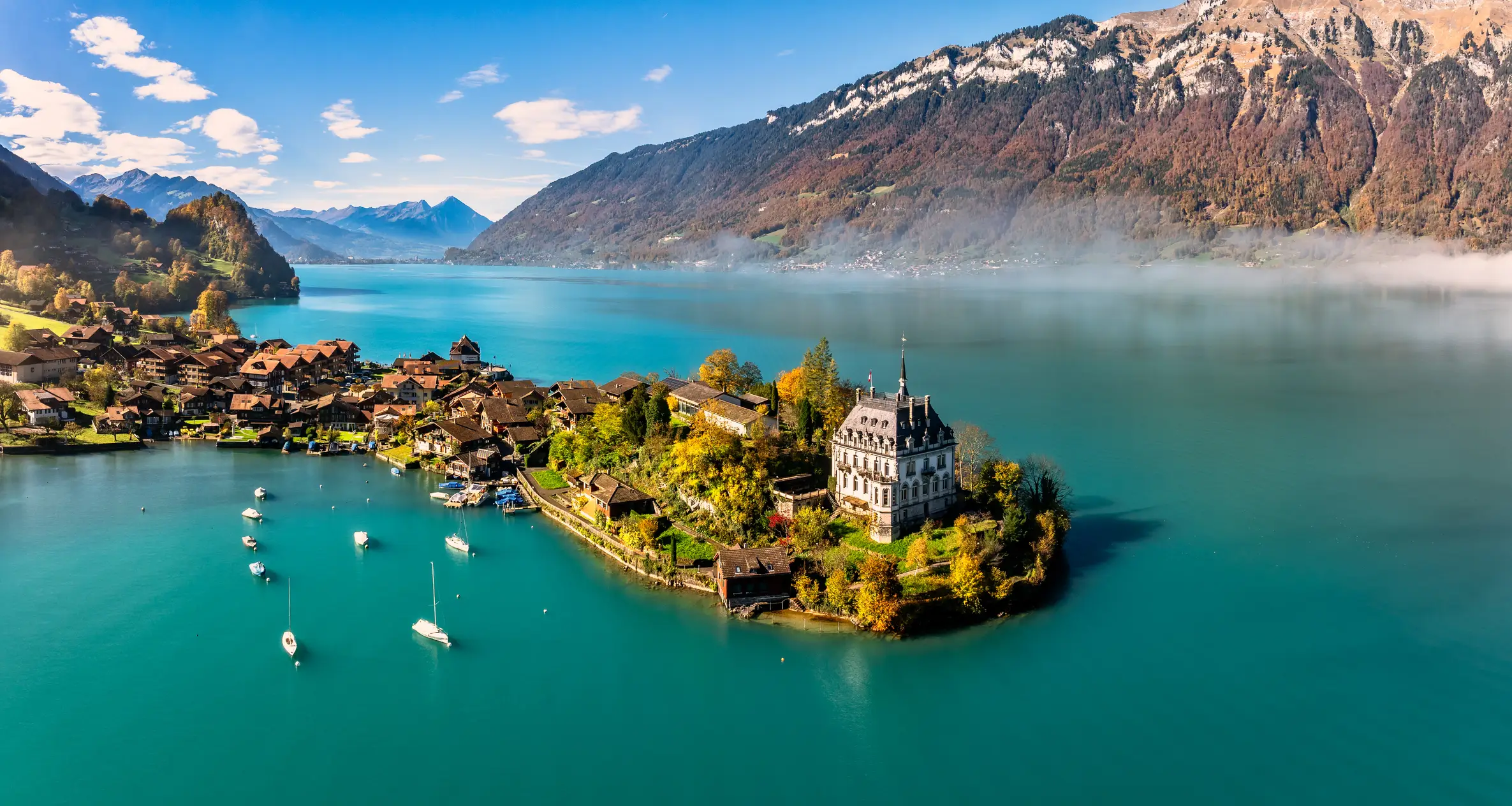
Known globally as the politically neutral nation, it is protected by landlocked geography and its mountainous terrain, while also featuring some nuclear shelters.
They have historically blocked the delivery of Swiss-made weapons and ammo bought from other European nations who bloked them.
New Zealand
The country ranks second in the Global Peace Index and is known to be neutral on most conflicts, while also using its mountainous terrain to its advantage.
It also has a geographic advantage if the conflict in the Middle East or the ongoing war between Russia and Ukraine were to continue.
Tuvalu
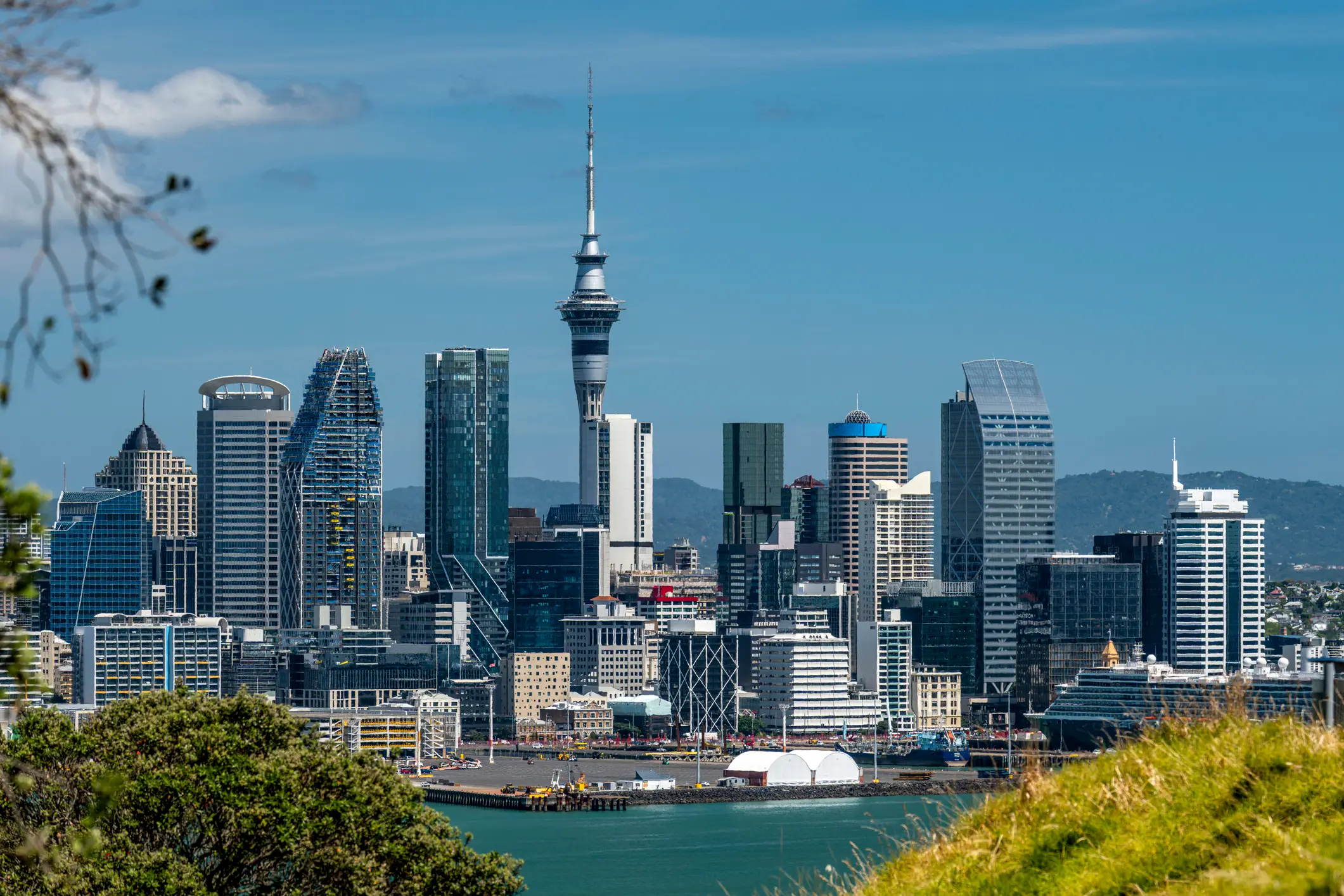
The little-known Pacific island is halfway between Hawaii and Australia - with a population of just 11,000 and its remote location, you would likely be safe of any major wars.
Tuvalu does lack in natural resources though, which may be an issue for those living on the island, but may also deter any possible aggressors.
Indonesia
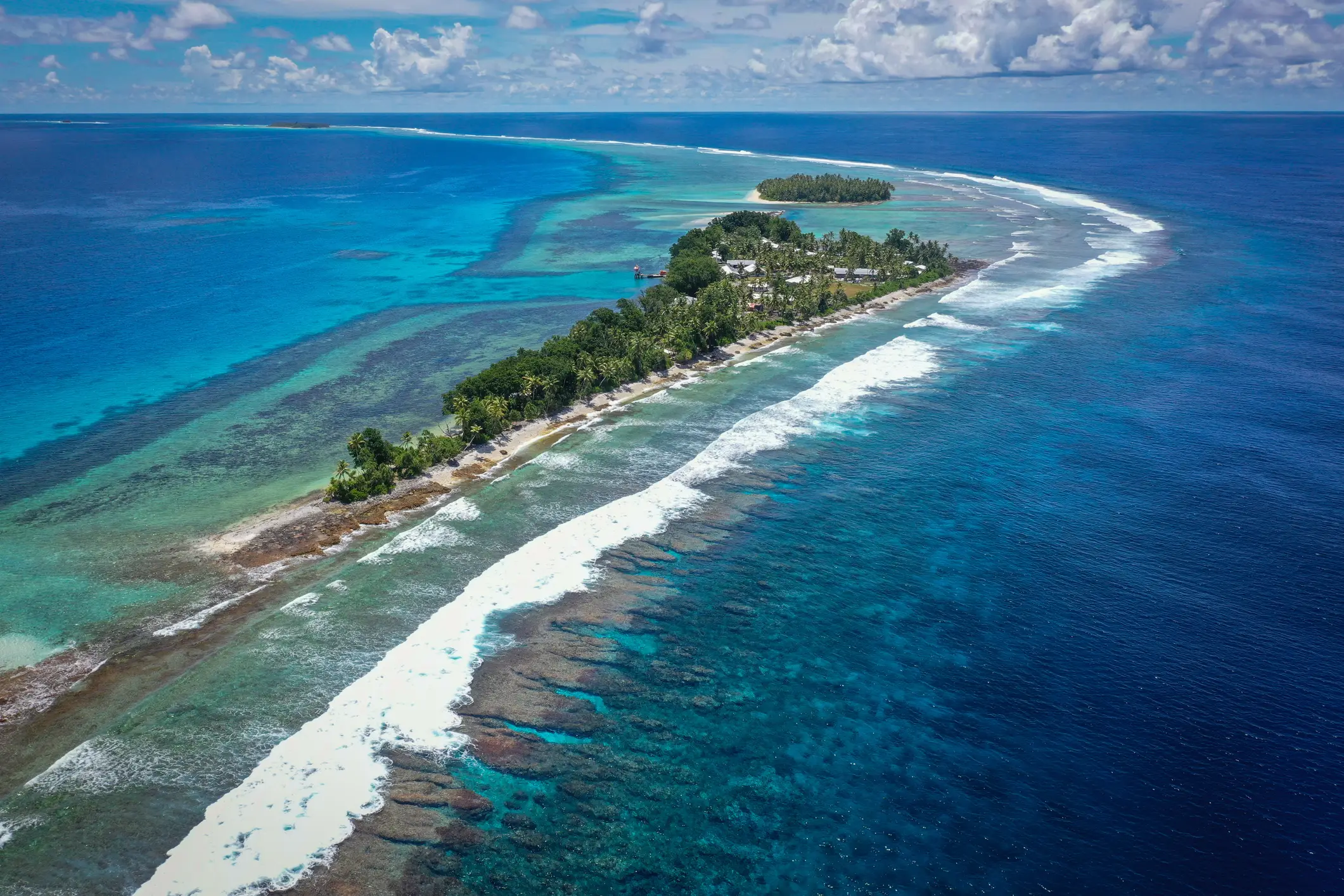
Known for its neutral stance on political issues, the Southeast Asian country acts independently within international affairs and claims to be most concerned with world peace.
Bhutan
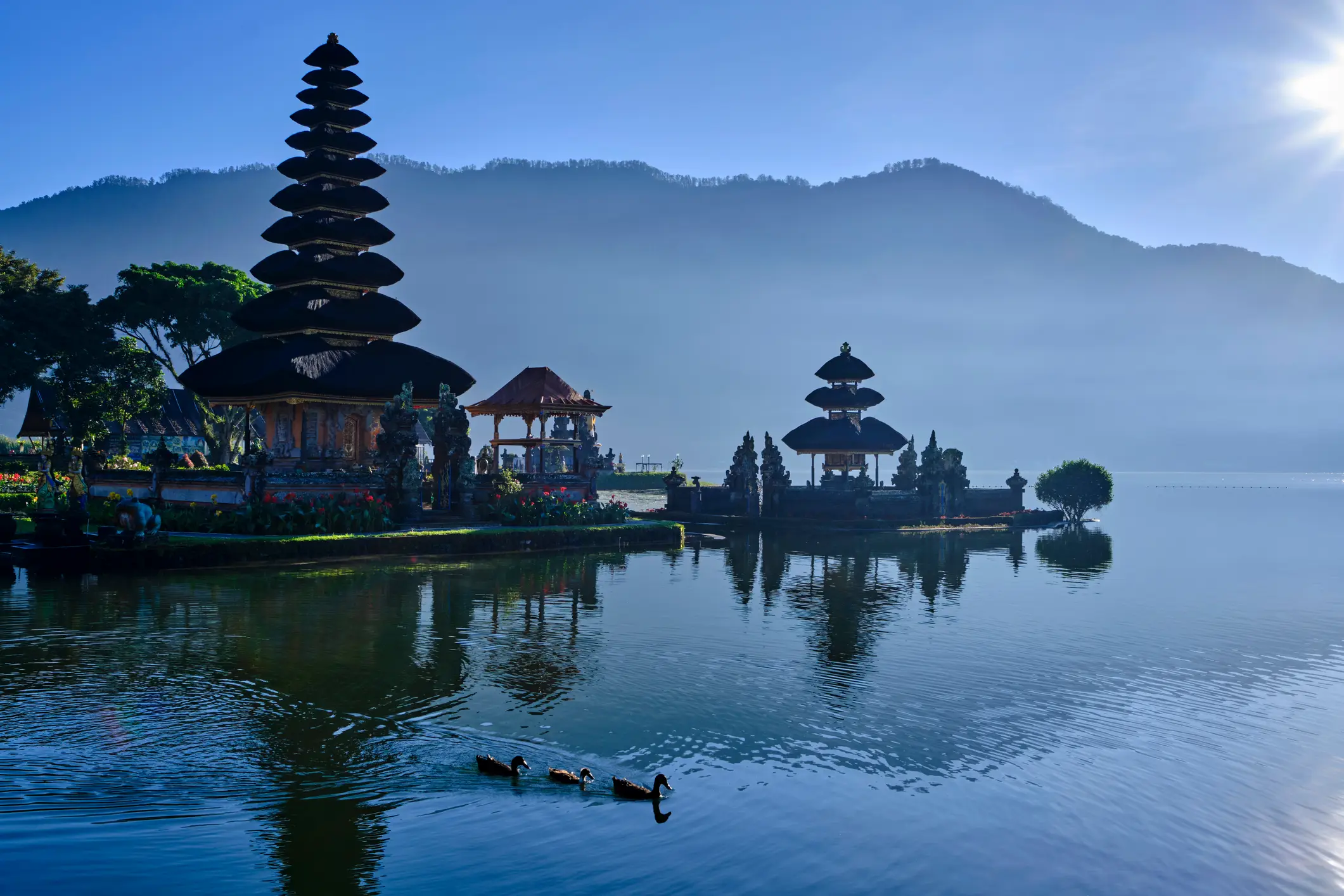
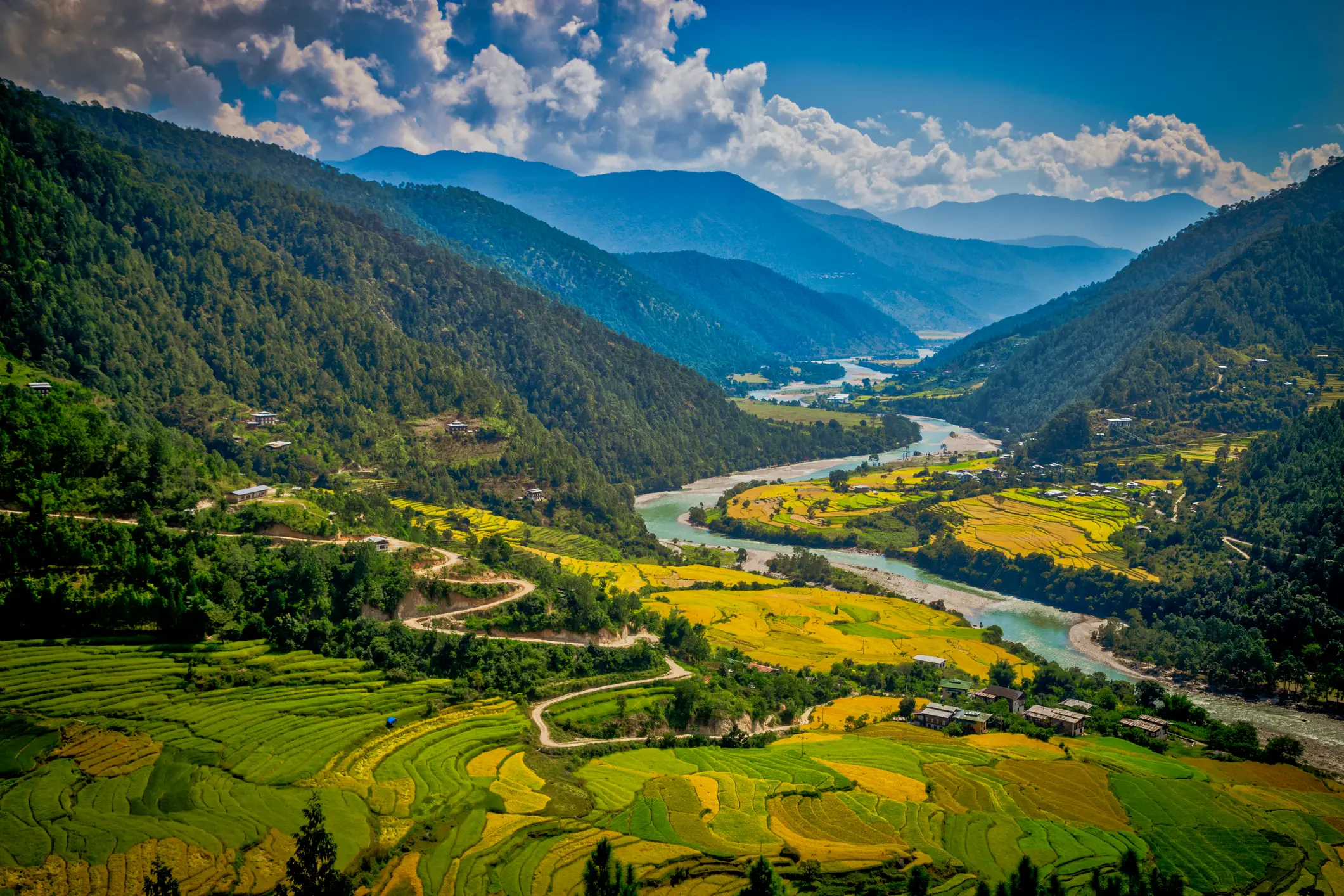
Bhutan declared itself neutral in 1971 after joining the United Nations, while also benefiting from its mountainous features.
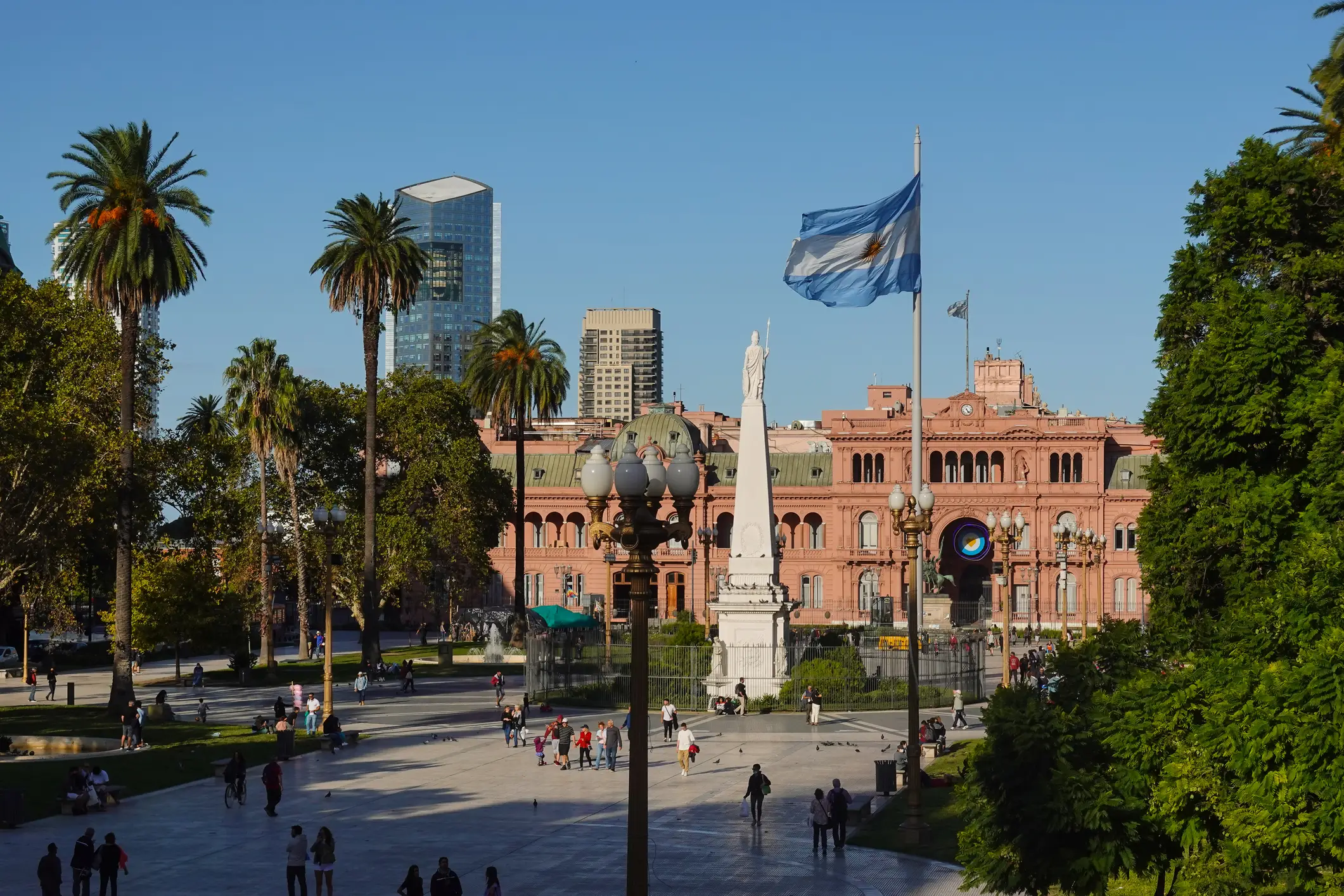
Argentina
The South American nation has engaged in conflict in the past, famously during the Falklands War in the 1980s, while also being one of the most likely places to survive famine.
This is due to the nation's abundance of crops, including wheat, with residents having crops in supply if nuclear dust were to block the sun.
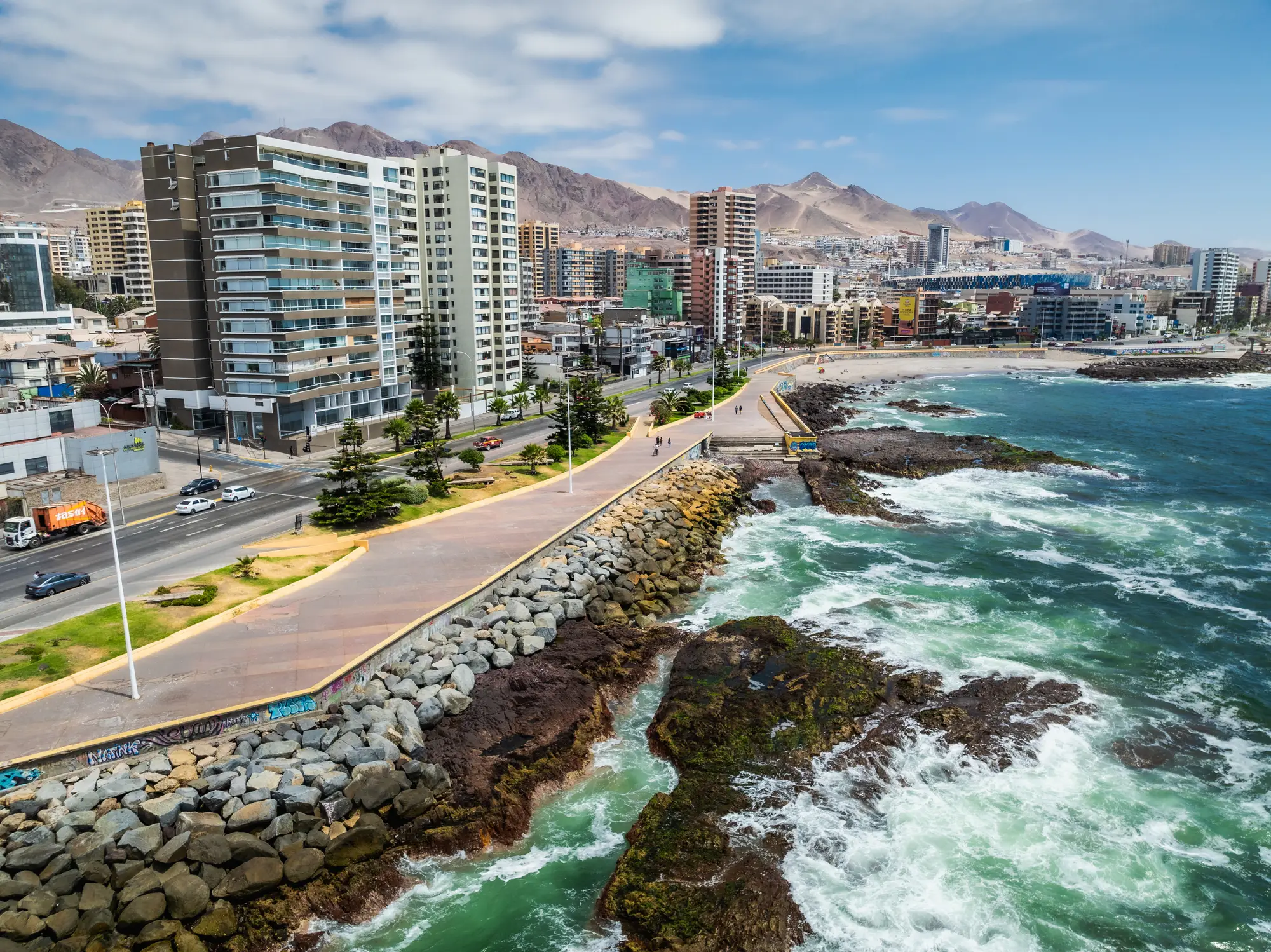
Chile
It's 4,000 mile-long coastline and mountain-filled terrain can prove to be a problem for anyone who tries to take over, while also being a home to a number of crops and natural resources.
Chile's development and infrastructure is also said to be among the most advanced in the continent.
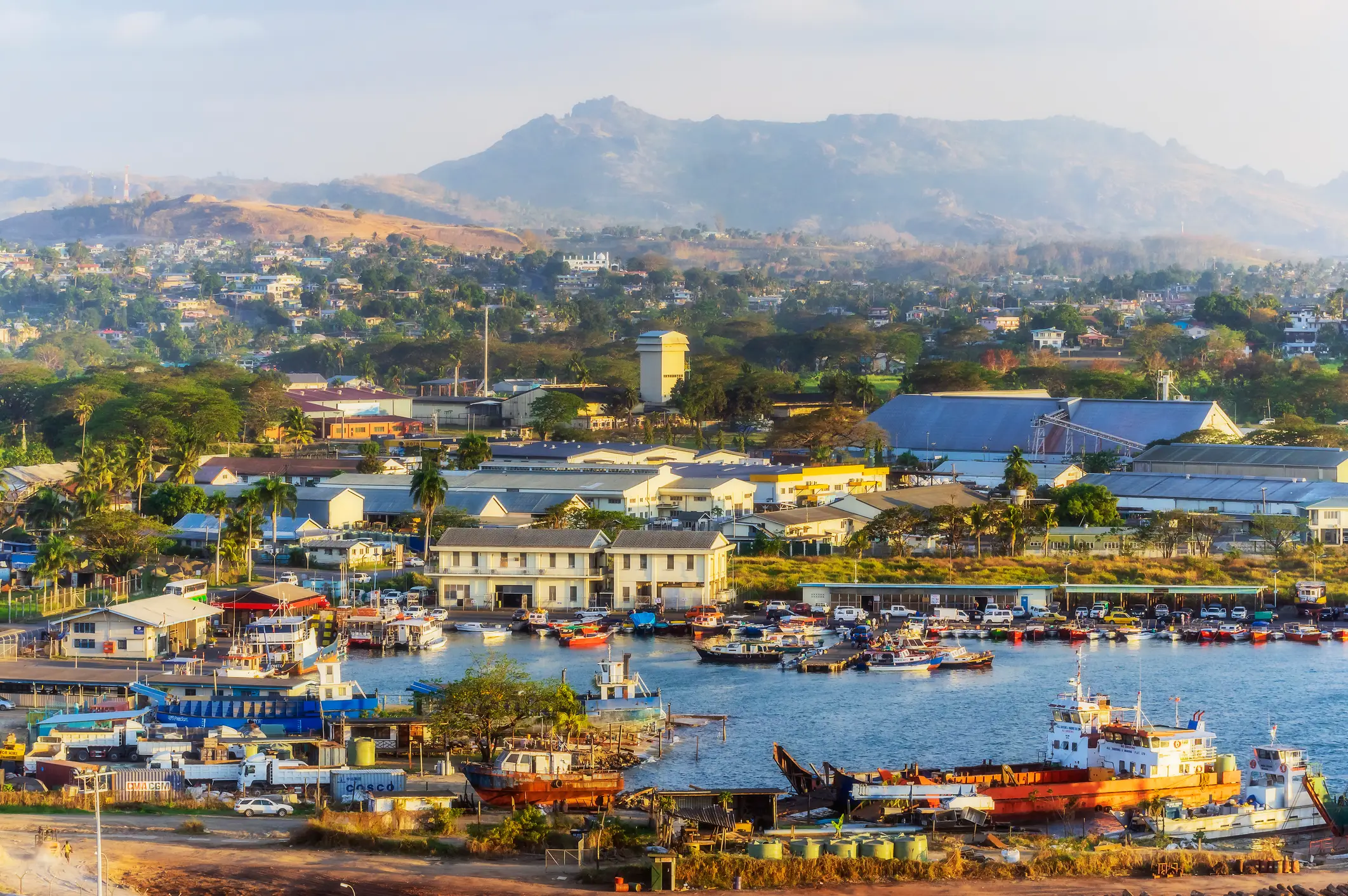
Fiji
Fiji does not have a clear military strategy and an army of just 6,000 people, as the nation ranks high up on the Global Peace Index.
The island nation is 2,700 miles away from the nearest country, Australia, while featuring several dense forests, minerals, and fishing spots.
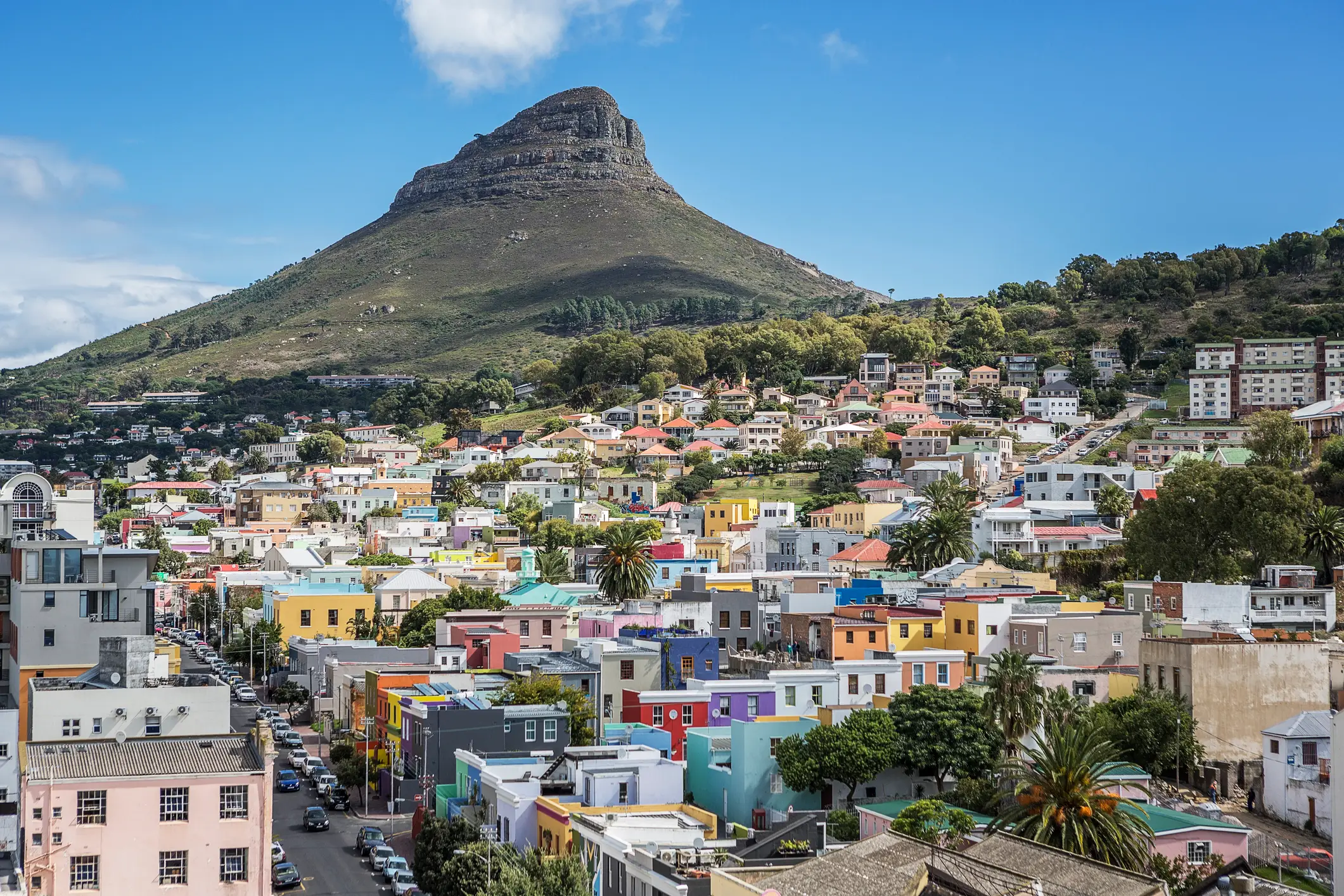
South Africa
South Africa boasts several sources of food, fresh water, and fertile land, while its modern infrastructure could help survival as its resources are managed.
Antarctica
Finally, in what may be the most outlandish and difficult nation to get to, the continent which covers the South Pole is considered to be one of the safest places on Earth to survive a nuclear war.
It is thousands of miles away from any nuclear warheads, while boasting an area of 14 million square kilometres.
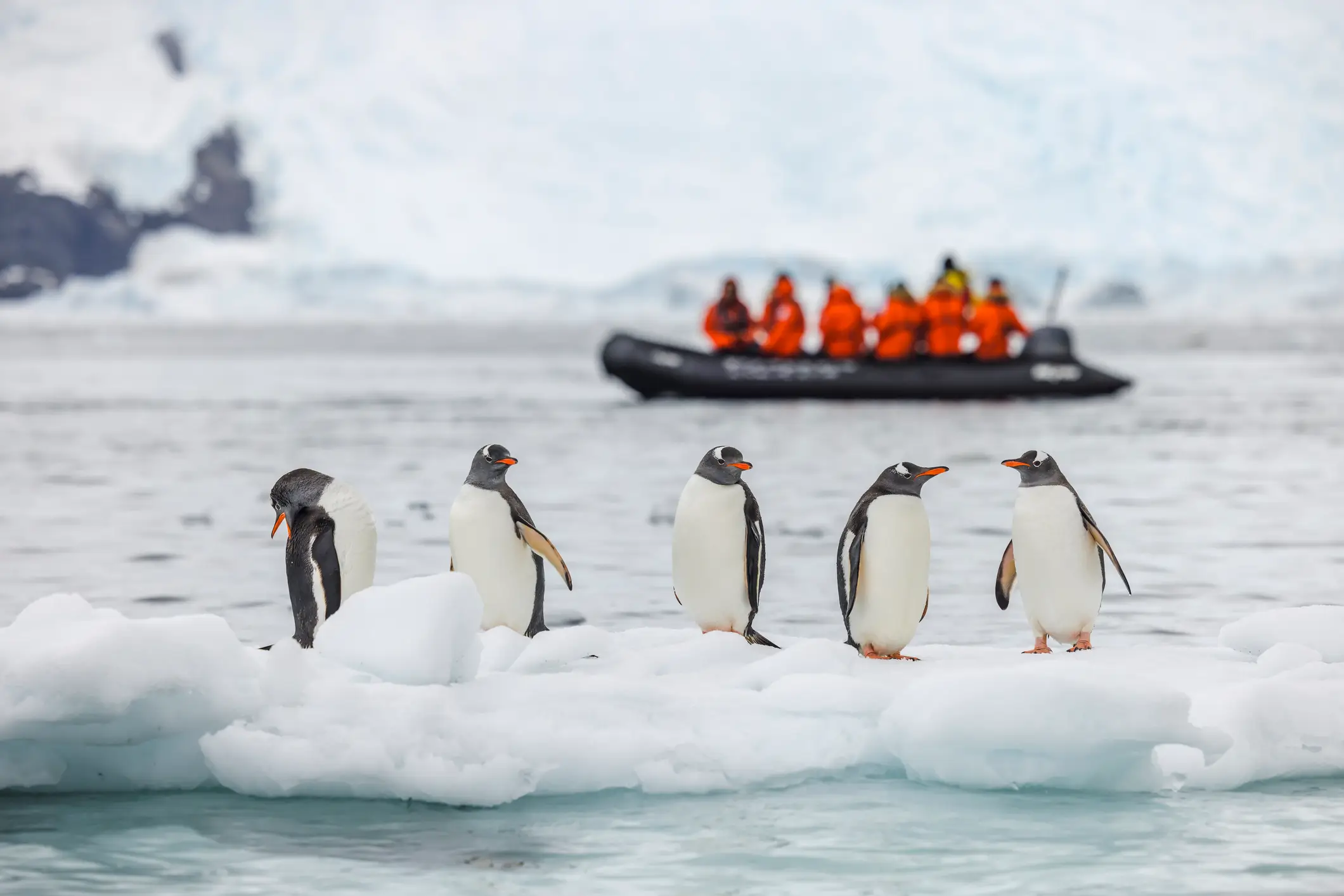
Obviously, the freezing and borderline uninhabitable climate will play a part, though if people prepare accordingly, it could be the ultimate safe place.
Topics: World News, US News, UK News, Iran
 Joshua Nair