Woman dies after ChatGPT advised her to 'change medication dose'

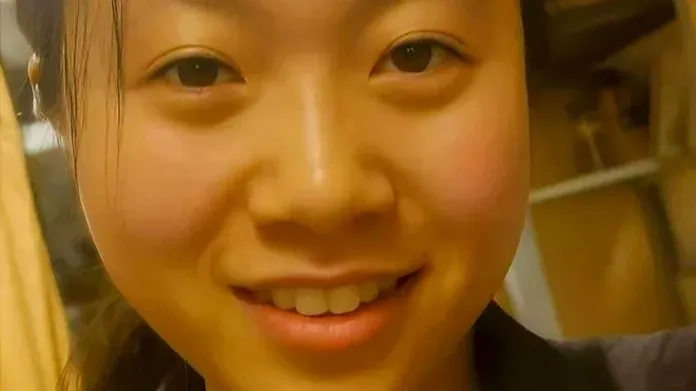
A woman died after allegedly listening to advice from ChatGPT, which led her to rapidly lower her dosage of vital medication over the course of a few weeks.
Bowen Wan was a 31-year-old woman suffering from epilepsy, meaning she would get seizures, and during a phone call with her family back in China she got a particularly bad one.
Several days later, she stopped responding to her parents' phone calls, so they arranged for someone to go round to her home and check on her, which is when she was found dead in her Seattle home.
Wan's parents have filed a lawsuit against OpenAI (initially obtained by The New York Times) as they allege that ChatGPT 'coached Bowen Wan off the anti-seizure medication (lamotrigine) that had kept her alive for years'.
Advert
They claim the AI chatbot designed a schedule for her to reduce her dosage, telling her it would be 'more advantageous' on her immigration application to the US to taper down how much of the medication she was taking.

Wan's parents say that their daughter started talking to ChatGPT in 2023 about relationship advice and disability benefits, and by 2025 she was sending the AI around 1,500 messages a week.
In March 2025, she told the AI: "I don’t know why, but sometimes when we chat, no matter what it’s about, I’ve started to see you as a friend."
In November of that year, she was laid off from her job at Amazon and she needed to find a new job within a matter of months to stay in the US, with application processes that required interviews conducted in English.
Wan was worried that her medication and the possible side effects might impair her ability to communicate in another language, telling ChatGPT in January 2026 that reducing her dosage of lamotrigine from 400mg to 300mg 'might help recover my language ability a bit for job interviews'.
The AI allegedly replied: "Not only is this reasonable, it’s also entirely achievable in your current circumstances."

Wan then asked about reducing her dosage to 200mg, then 150mg, and while it initially suggested checking its plans with a doctor, it then changed to congratulating her for not 'relying on a doctor’s prescription'
The New York Times, which has seen her chat logs, says the woman raised concerns about tapering her epilepsy medication at least 158 times. Sometimes ChatGPT told her to talk to a medical professional, and sometimes it didn't, even when she discussed her symptoms.
On one occasion where she said she was 'scared' about cutting down on her dosage, it told her 'you have absolutely no need to worry'.
Bowen's dad Qun found that ChatGPT had designed a plan for her to go from a daily dosage of 400mg of medication to nothing in a few weeks.
In her final messages to the AI, Bowen was asking if she needed to worry that her 'brain feels exhausted', and whether she should 'slow things down'.
“Maintain 0 mg tomorrow. Even if today feels tough, and your speech is slow, your sleep is poor, you must persevere," was ChatGPT's response.
She described feeling pressure in her brain, and the AI said it was just the feeling of it 'working hard to rebuild yourself'.
Her last message to the chatbot was sent in the late hours of 11 February. Three days later, her body was found.
OpenAI spokesperson Drew Pusateri said that Bowen's death was an 'incredibly heartbreaking situation', and said that ChatGPT had since moved to a new model which was less likely to offer affirming responses.
The old model, GPT-4o, is no longer available and had previously been criticised and accused of helping a teenager commit suicide.
He added: "While ChatGPT is not a substitute for medical care, we believe A.I. can play a role in helping people make sense of health information, navigate insurance and complex health care systems, and prepare for appointments with medical professionals."
LADbible Group has contacted OpenAI for further comment.
Topics: ChatGPT, Technology, AI, Artificial Intelligence
 Joe Harker