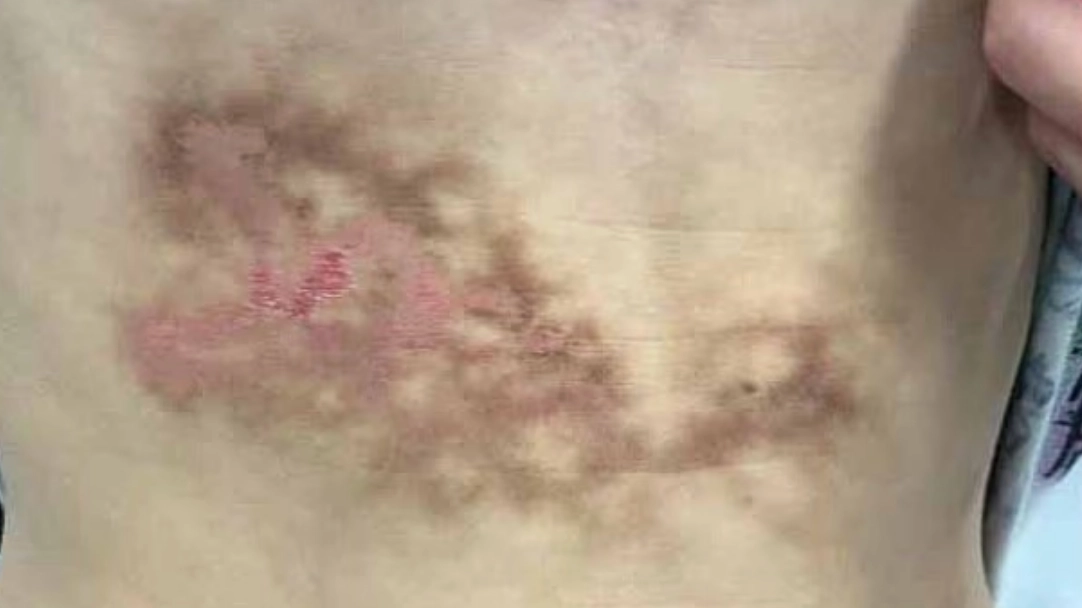
Doctors issue warning after homeschooled kid develops 'toasted skin syndrome'

You can forget about malevolent AI systems for the time being, because everyday laptops are already attacking us.
Following a strange case of 'toasted skin syndrome', UK doctors are now issuing warnings to everyone who rests portable computers directly on their skin for lengthy periods of time.
Officially termed 'erythema ab igne' in the medical world, the condition is characterised by a net-like grid pattern caused by constant low-level heat exposure.
Per The Daily Mail, a young boy recently fell foul of the rash, having placed a laptop on his stomach for as many as eight hours a day while being home-schooled.
Advert
Doctors from the University Hospitals of Leicester NHS Trust noted how he'd also charged the device at the same time, adding extra heat to the situation.
Discussing his case in the BMJ Case Reports journal, they admitted to initially suspecting a liver injury when first peering at the marks on his abdomen.

Subsequent blood tests and scans delivered an unthreatening verdict, but a fortnight after he'd been discharged from their care, the unnamed patient's skin got much worse.
His rash had spread across the stomach, with skin starting to peel away in the affected zone.
After drawing out the daily details of his life, doctors realised that his laptop usage was to blame.
These heat-emitters do not cause any painful blistering, rather, they gradually warm the skin, disrupting blood vessels and fibres beneath it.
This facilitates the build-up of angry pigmentation on the surface of the skin.
Prior to the rise of technology, older adults who sat close to open fires or enjoyed the pleasures of hot water bottles would typically suffer from toasted skin syndrome.
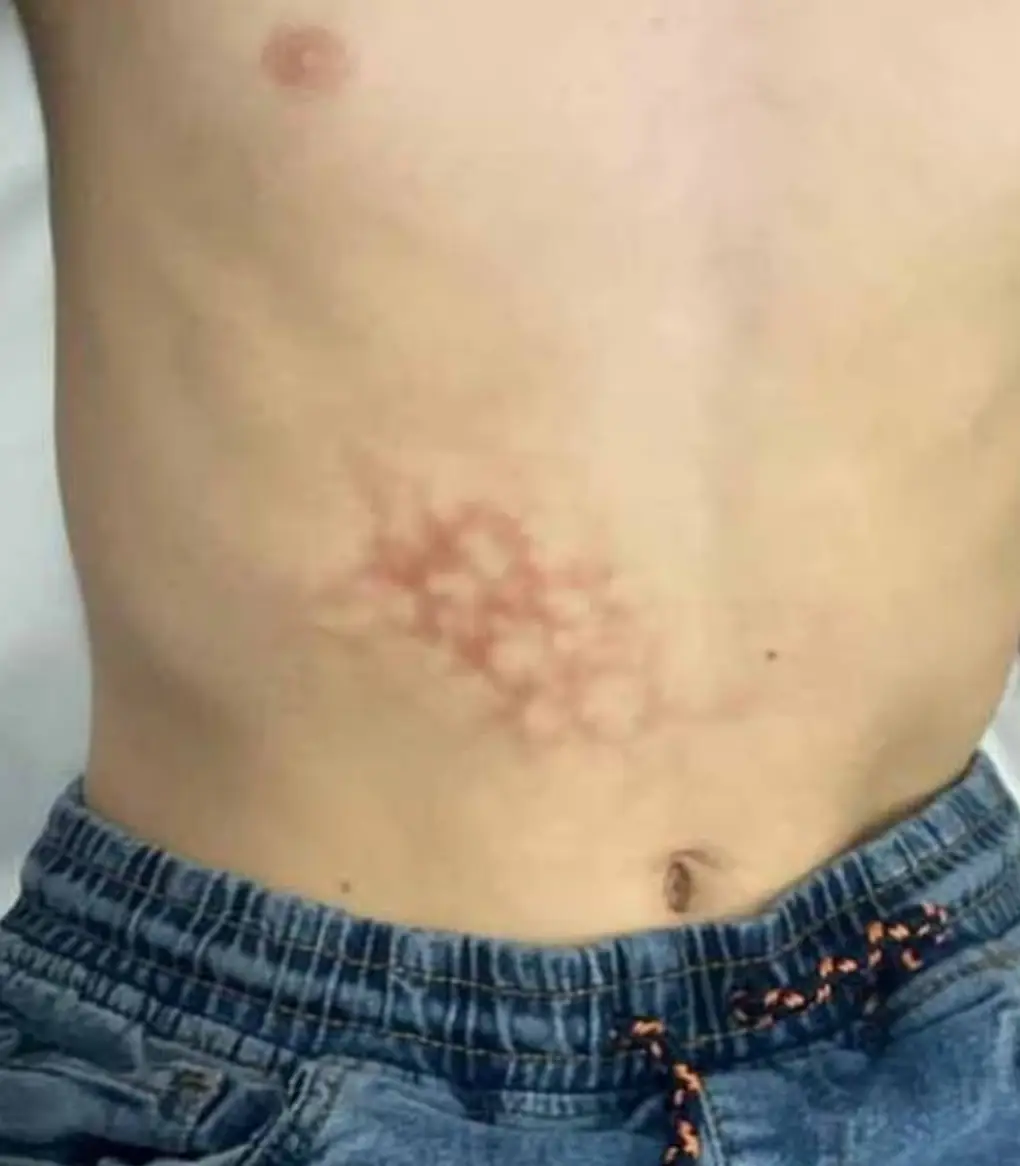
Primary Care Dermatology Society specialists claim that most mild reactions should fade over several months, although the more severe cases can remain permanently.
Worryingly, there's also a tiny risk of skin cancer development - as serious as Merkel cell carcinoma - if the patient doesn't learn from their early experiences and change their ways.
Fortunately for the young lad in question, his condition had a 'benign nature'. His father later told doctors that the rash had steadily cleared over a few months.
"This case highlights the importance of considering [the condition] in children presenting with reticulated [net-like] rashes, particularly in the context of increasing electronic device use," the medics wrote in the journal.
"Early recognition can prevent misdiagnosis and avoid unnecessary investigations."
Topics: Technology, Health
 Dan Seddon