
Boeing pilot debunks truth behind using 'brace position' following huge recent change

The world's most experienced Boeing 747 captain has debunked a common myth about what the brace position is designed to do in an aviation emergency.
A near endless list of myths and urban legends surround flying, from aeroplane doors opening at 10,000 feet in the air in movies to the belief that a cheeky gift to a member of the cabin crew will bag you a free upgrade to first class.
One of the more grizzly legends is that the brace position - a curled up posture you take in the event of an impending collision - is specifically designed to kill you instantly to avoid any chance of prolonged suffering.
Nick Eades, who enjoyed a 50-year career as a pilot and flew for more than 32,000 hours - that's more than three and a half years spent in the air - couldn't help but chuckle as he joked to LADbible: "Probably if you're in the brace position the aeroplane is going down and you're going to die anyway."
Advert
He then moved to shoot down the myth completely.
"No, that's completely, absolutely nonsense," he said. He then explained exactly how the brace position helps you, rather than harms.
He said: "The brace position is designed to make your body as small as possible and to stop any of your arms or legs flailing around, which is where you get real damage.
"So as you lean forward, you put your hand over your head to stop the head moving. You get your elbows in so you're making yourself as compact as possible to reduce the impact and stresses as much as possible."
A new brace position is being used
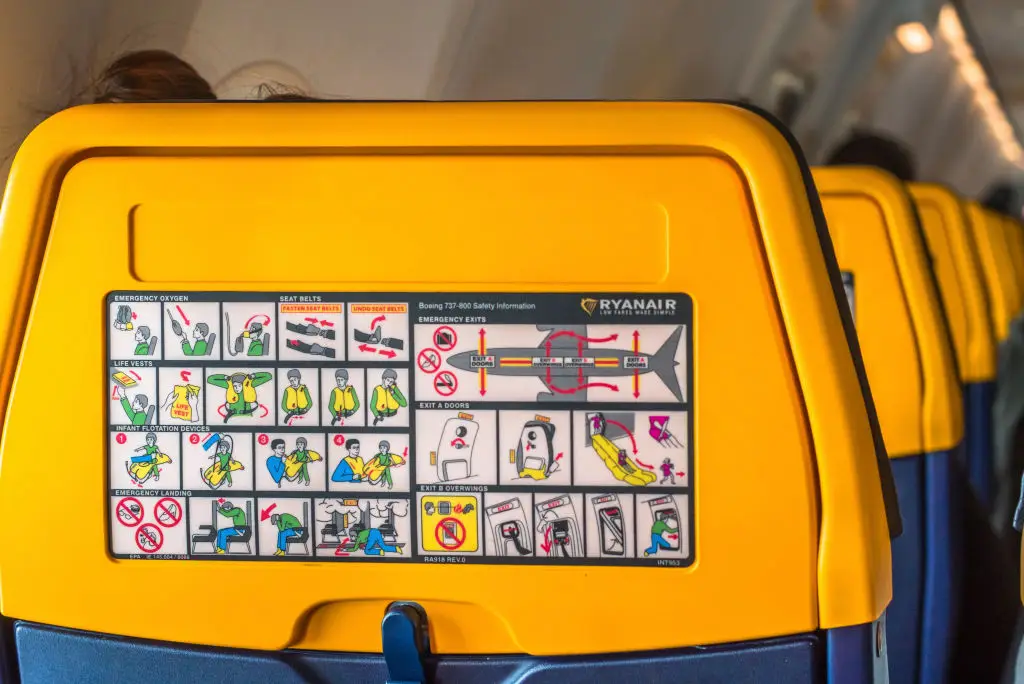
Typically, the brace position would see a person plant their feet firmly on the floor, lean forward in their seat and put both arms on their head to protect the crucial area of the body.
As it turns out, that has now been revised slightly.
Nick explains: "They have actually changed the brace position recently.
"They've changed it from both hands over the head to one hand over the head and the other clutching the chest."
The small change could make a big difference by offering further protection to a person's midriff in the event of any collision.
"What it does is it gets you leaning forward and that's going to reduce space between you and the seat in front, Nick added.
"So impact forces, you want to reduce the impact of the body as much as possible."
What about other myths?
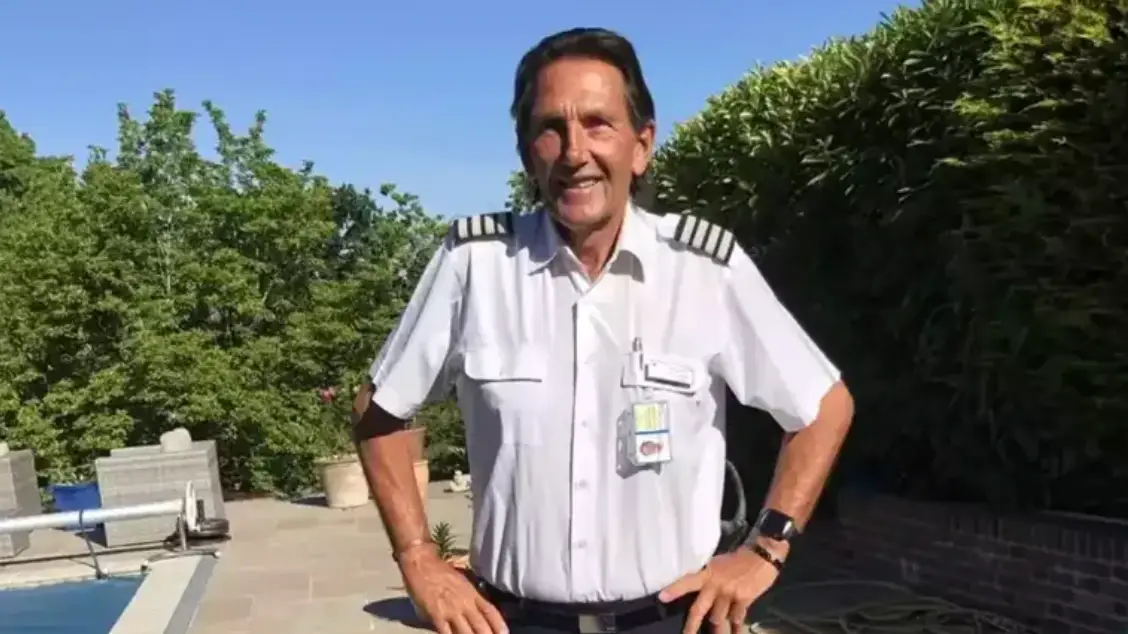
There are some rumours out there, though, that turn out to be true.
Fro example, it turns out that pilots are supposed to eat different meals to one another in order to avoid falling ill at the same time
"In my 50 year flying career," Nick tells us, "I never ate a crew meal or a passenger meal. I preferred to take my own food on anyway.
"There was an incident recently on a flight that the crew and the pilots had met up and had had the same breakfast and they were both ill on the flight back.
"We can't have the same meals, which just makes sense doesn't it?"
And you do get drunk quicker while flying, with one in the air really counting as two on the ground.
"That's absolutely correct," Nick added.
"What alcohol does, it replaces oxygen in the blood stream. The brain is starved of oxygen.
"Of course, on an aeroplane, there's less oxygen to begin with. So alcohol has a greater effect and a much quicker effect."
Now you know.
Topics: Travel
 Daniel Murphy