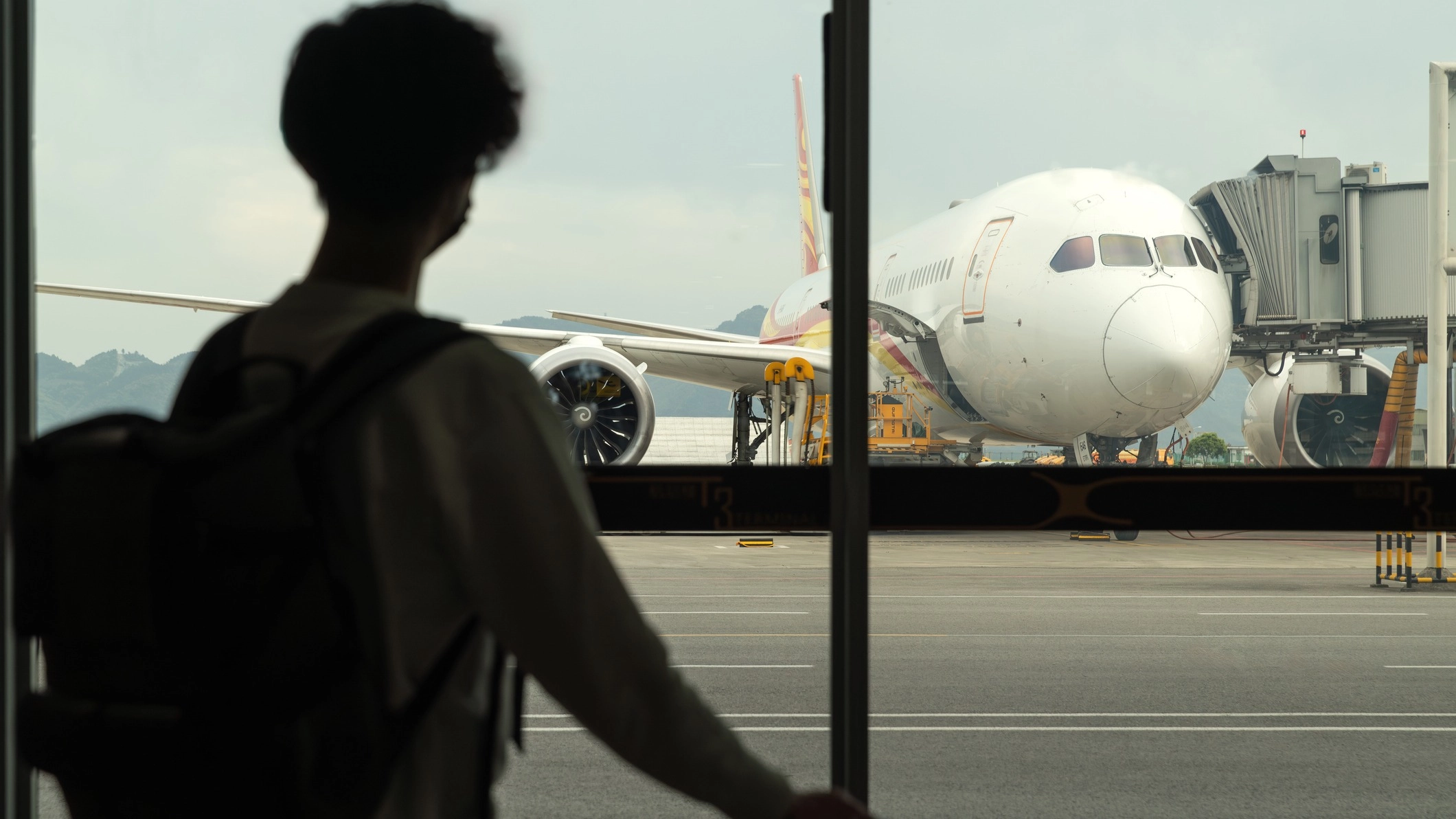
Brits flying to America face being refused boarding under new rule

Travellers flying to the US could be turned away at airport gates if they've visited a specific country, due to illness concerns.
Under new guidance from the US Centres for Disease Control and Prevention, US-bound travellers must confirm whether or not they've visited the Democratic Republic of the Congo within the past 21 days.
Passengers will be expected to sign a statement confirming they've not travelled to the Central African nation in the three weeks before flying to America in order to be allowed entry.
All travellers who have visited the DRC, including US citizens, will be expected to wait outside the States for 21 days before being allowed to return.
Advert
Anyone who fills in the form incorrectly is at risk of fines and criminal prosecution.
The measures are set to come into effect on 3 November and will apply to all passengers boarding an international flight which is bound for or connecting through the United States.
Why aren't travellers who've visited the DRC allowed to enter the US?
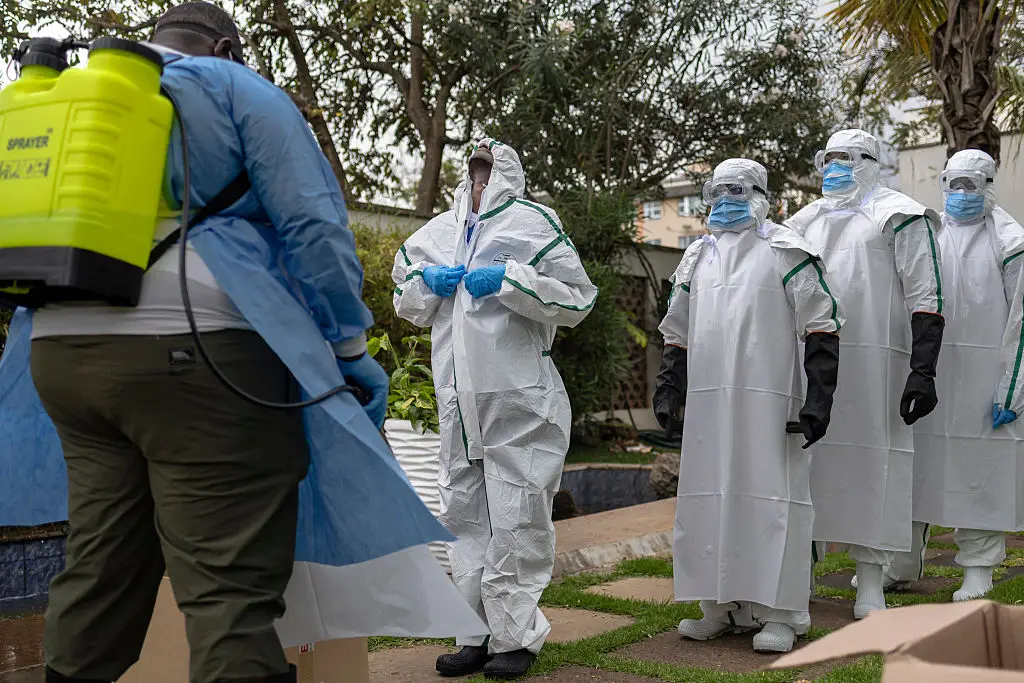
The updated guidelines come as the DRC continues to struggle with an outbreak of Ebola.
According to recent statistics shared by the UN earlier this week, the number of Ebola cases in the DRC stands at 10,141, with nearly 5,000 deaths confirmed.
The outbreak is the largest in the country's history and is thought to have been transmitted by the Bundibugyo virus variant, of which there is currently no vaccine or treatment.
It is believed to be the deadliest outbreak of Ebola in Congo and the second-deadliest on record, with infections since detected in Kenya, Uganda and Nigeria.
The US isn't the only country which has imposed such restrictions either, as Canada and the Bahamas have also introduced bans on non-citizens entering from DR Congo and neighbouring countries.
Will the Ebola outbreak reach the UK?
The strain's long incubation period, 21 days, has also led to concerns of a more wider outbreak, with Dr Jean Kaseya, director general of the Africa Centres for Disease Control and Prevention (CDC), comparing the transmission to the Covid-19 pandemic.
"We want all countries to know that they are not safe if they don’t take appropriate measures," he told The Guardian.
"It is the first time three African regions have been affected [by Ebola]. The geographic extension of this outbreak is unprecedented."
UK health experts have since hit back at the comments, with Dr Simon Clarke, Associate Professor in Cellular Microbiology and Public Engagement in Science at the University of Reading, suggesting the claims were 'misleading.'
"Comparing Ebola with Covid-19 is misleading," he said.
"Ebola spreads less readily between people and requires direct contact with infected bodily fluids, such as blood, vomit, saliva, faeces or sweat. Unlike Covid-19, it cannot be caught simply by being near an infected person."
 Brenna Cooper