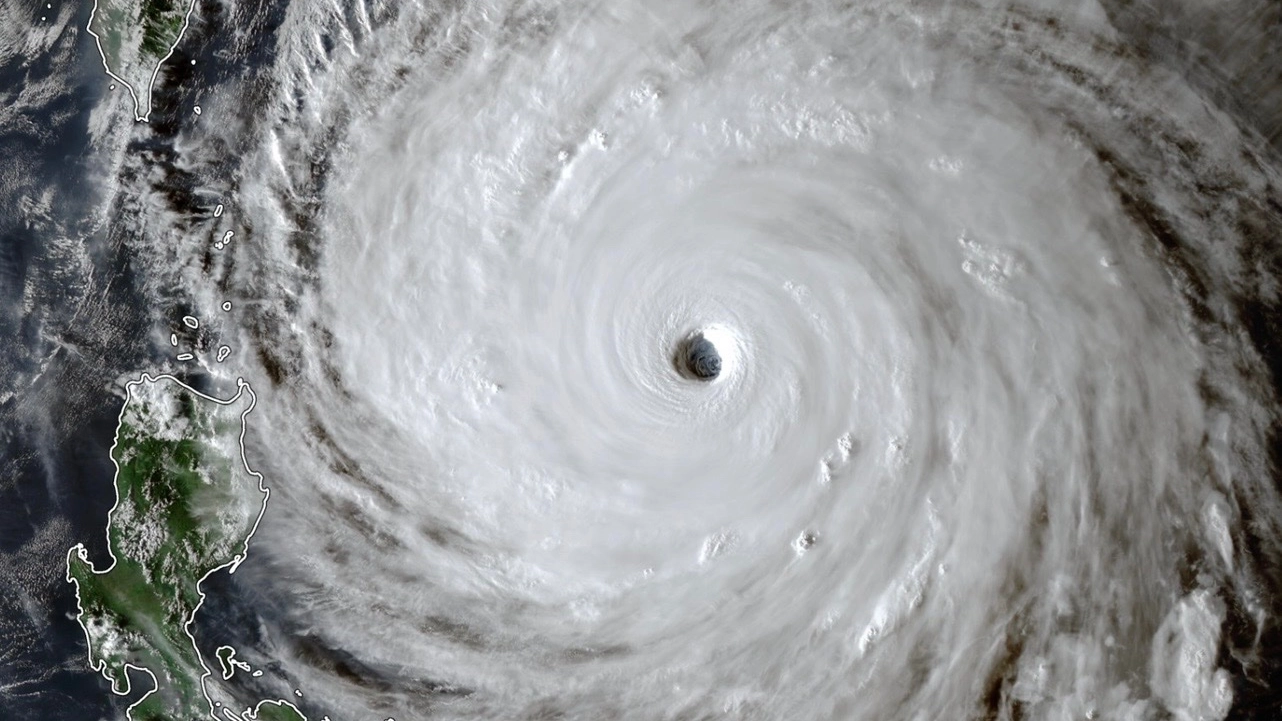
Strongest typhoon in the world driven by El Nino cancels flights as land warnings issued

A tropical storm carrying gusts as strong as 185 miles per hour is currently barreling towards Taiwan, leading to hundreds of flights being cancelled.
Super Typhoon Champi - the equivalent of a Category 5 hurricane - is currently on a warpath towards China, Taiwan and the Philippines, bringing risks of strong winds, heavy rain and potential flooding in its wake.
According to the latest updates from the US National Weather Service, the storm is currently moving west-northwest across the Philippine Sea after passing the territory of Guam in the Western Pacific.
The typhoon is now believed to be the strongest storm of 2026 in terms of wind speed.
Advert
Taiwan's Central Weather Administration has since issued a sea and land warning in preparation for the storm, estimating that Champi will most likely hit the island on Friday and Saturday.
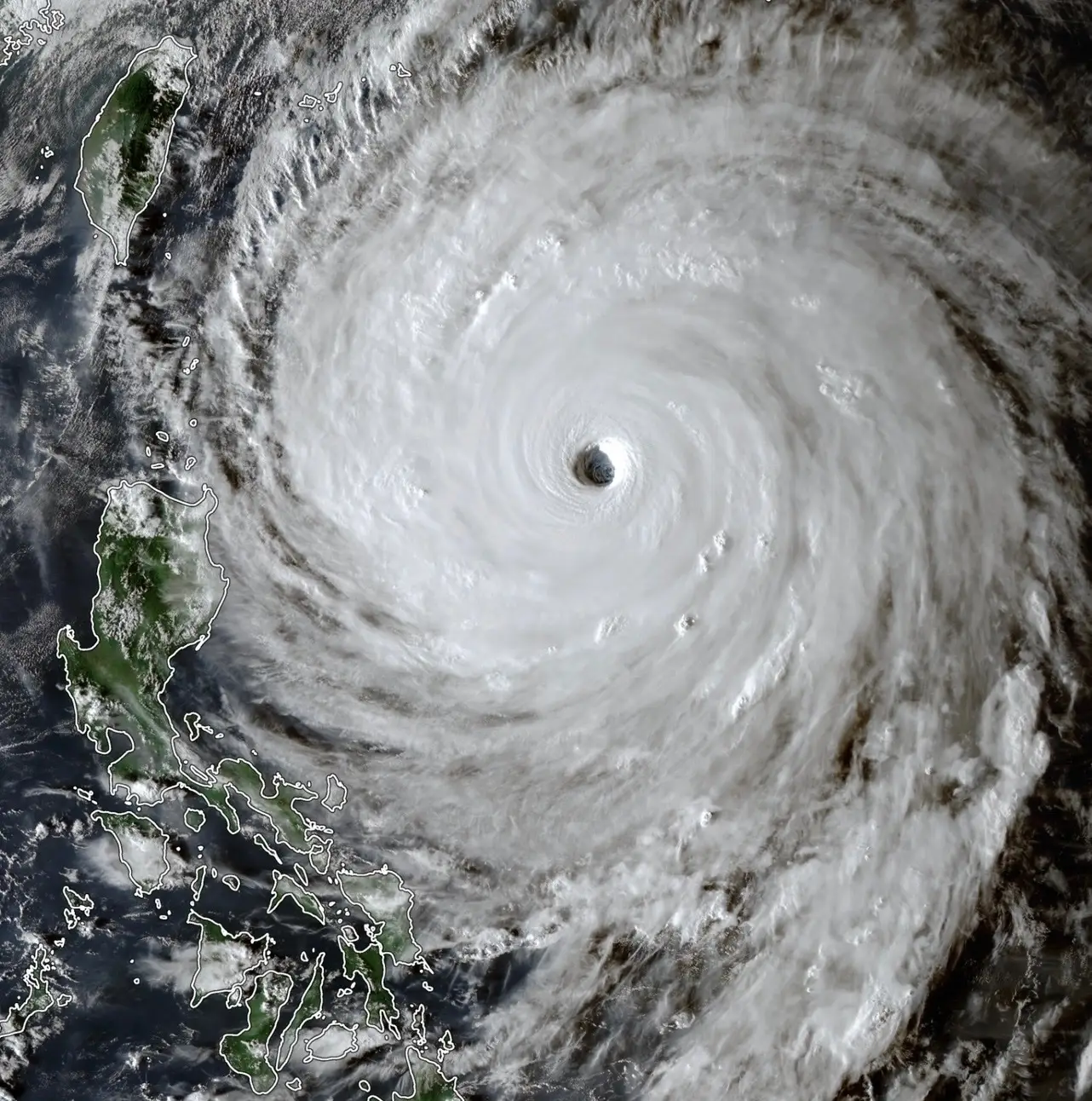
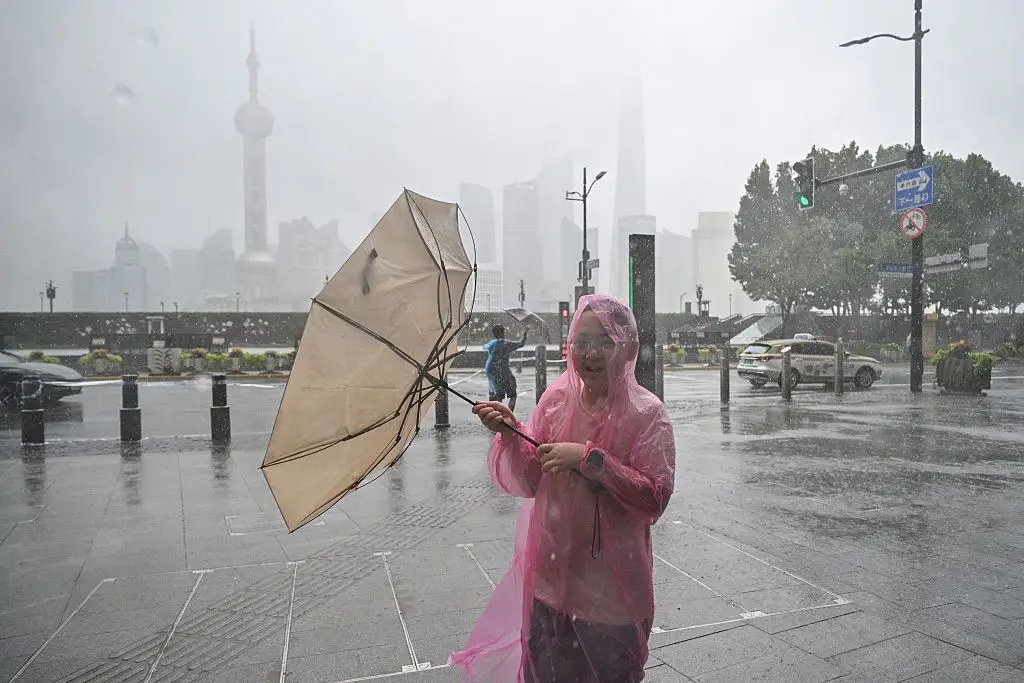
Over a hundred flights have been cancelled in preparation for the storm passing, with news outlets reporting that 125 flights, mostly domestic, had been cancelled while residents in coastal areas had received mobile alerts.
Taiwan's President Lai Ching-te has also called for the public to prepare for the storm, urging people to avoid mountainous and coastal areas. "A little more preparation means less risk," he said in a post on his Facebook page.
After passing over Taiwan, the storm is expected to move north towards China before later moving towards Japan's southern islands.
How is El Niño impacting global storm patterns?
According to Scientific American, El Niño weather patterns will often see fewer storms in the Atlantic but an increase in activity in the Pacific region.
This is caused by a combination of shifting wind patterns and an increase in water temperatures, both of which are essential to typhoon formation.
The BBC added that changes to wind patterns mean that storms will also form east of Japan and China, while the warmer water temperatures mean an increase in storm intensity.
What is the impact of El Niño more broadly?
While Super Typhoon Champi is unlikely to have any impact outside of the immediate region, El Niño will have a significant impact on weather around the world.
There are concerns that El Niño could lead to an increase in sea levels along the west coast of America, from Alaska to Chile, leading to a potential risk of flooding.
The European continent will see an increase in wetter and stormier weather throughout the winter months, while the Southern Hemisphere will face drought conditions.
 Brenna Cooper