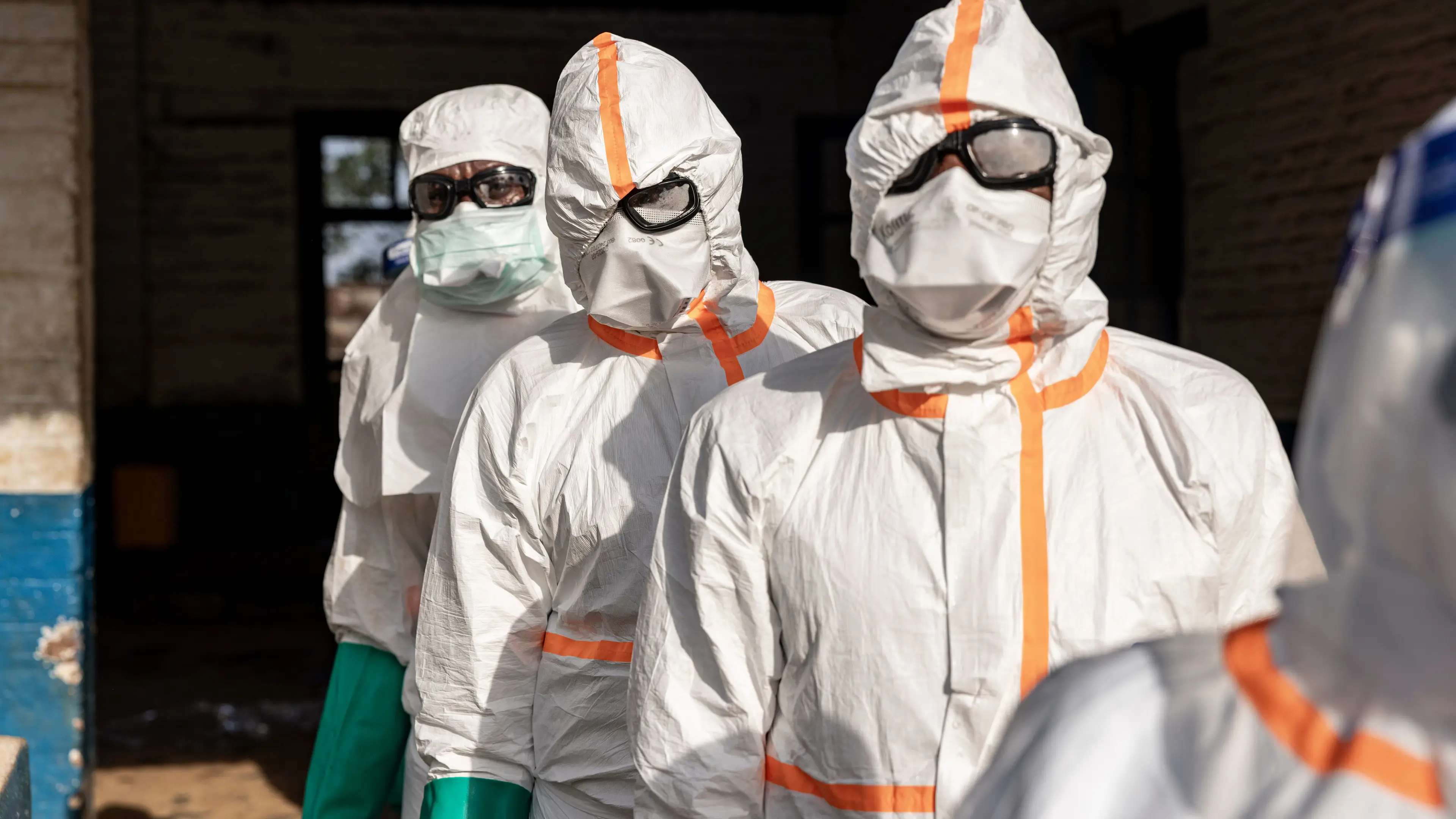
'Deadliest Ebola outbreak on record' has now potentially hit Europe

A person who recently travelled from Uganda to Austria is being kept under isolation in hospital while they're tested for a possible case of Ebola.
It follows an announcement from the World Health Organisation (WHO) earlier this month that an Ebola outbreak in the Democratic Republic of Congo and Uganda was a public health emergency of international concern.
There have been over 200 suspected deaths from the disease since the outbreak began, and the BBC reports that health authorities in DR Congo have said around 1,000 people are showing symptoms consistent with Ebola.
Several countries including Canada, the US and the Bahamas have introduced bans on non-citizens entering from DR Congo and neighbouring countries Uganda and South Sudan.
Advert
The strain of Ebola which has broken out is known as Bundibugyo, there are no medicines or vaccines that can treat it.
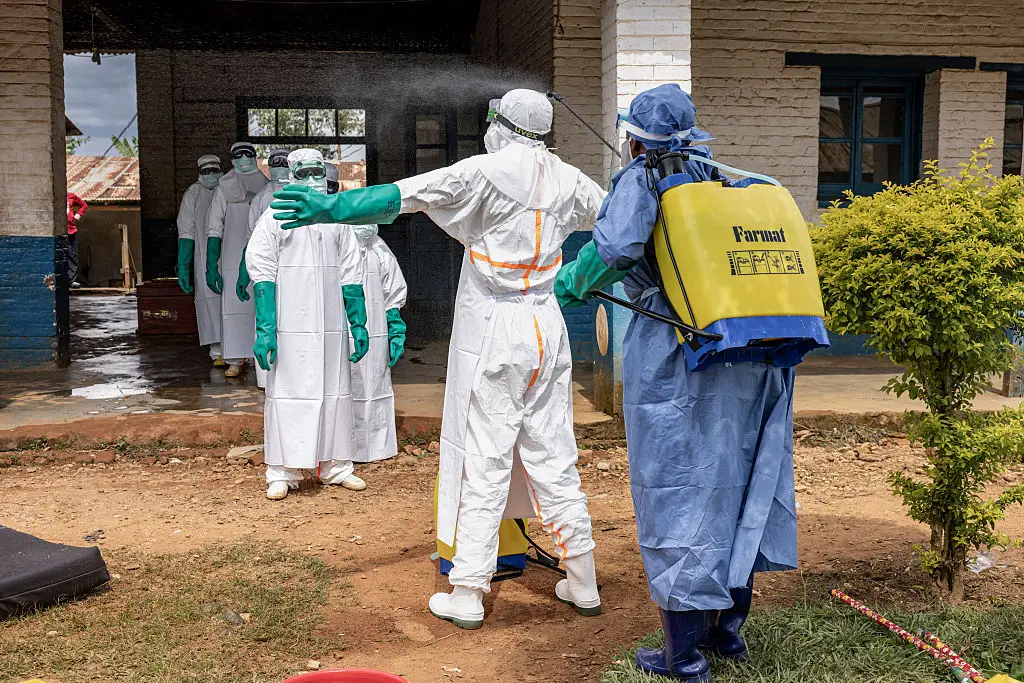
Austrian outlet Kronen Zeitung reported that someone from Austria who had returned from Uganda on Monday (25 May) had been feeling unwell and was admitted to hospital, then kept in isolation while they were being tested for Ebola.
The Provincial Health Directorate said in a statement: "Yesterday, a person from the Urfahr-Umgebung district was admitted to the hospital for inpatient evaluation due to symptoms of illness.
"Since the person returned from Uganda on Monday - a country currently affected by the ongoing Ebola outbreak - they were isolated and treated in accordance with medical guidelines."
The initial blood sample they had tested showed no evidence of Ebola infection, but that's a preliminary sample and the person has to stay in isolated care while a second sample is taken to confirm the lack of infection.
The person's condition is described as 'stable' and they'll soon be relocated to Vienna via an infectious disease transport to stay at a specialised clinic.
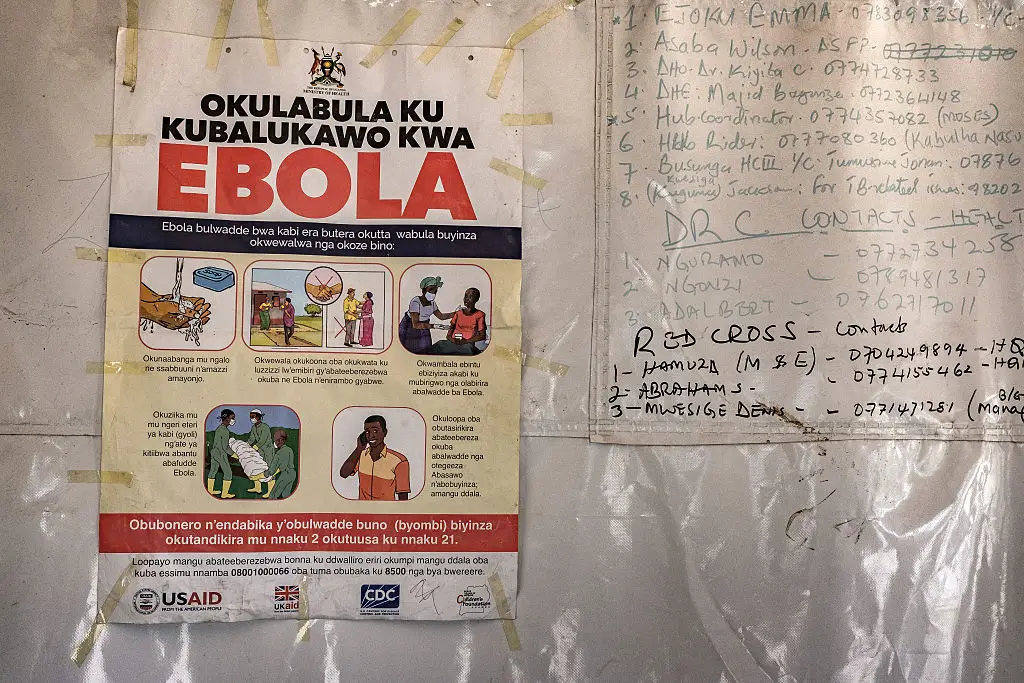
Contact tracing has also been implemented so authorities are looking to get in touch with anyone who made contact with the individual.
Ebola is an extremely contagious disease which can be spread through bodily fluids such as blood, semen and vomit, and the disease has a very high mortality rate.
Contagious and deadly, Ebola is a very dangerous disease and the outbreak is made more difficult to deal with by the lack of infrastructure in the areas where cases have been identified.
WHO boss Dr Tedros Adhanom Ghebreyesus said the latest outbreak was a 'catastrophic collision of disease and conflict' as ongoing conflicts in DR Congo made it difficult for health experts to travel there.
He said the WHO 'cannot build community trust or isolate the sick while bombs are falling', while Médecins Sans Frontières (MSF) told the BBC it would take weeks to get the infrastructure in place to contain the outbreak.
Topics: Health, World News
 Joe Harker