
‘Heteroflexible’ is the fastest growing sexuality in UK as more people come out

One of the newest terms on the sexuality spectrum rose to prominence in the past year, but despite it now being 2026, many still haven't heard of it.
Being 'heteroflexible' was the fastest growing sexual orientation in the UK in 2025, but it isn't as specific as it may suggest.
Experts have since clarified that the term is used to describe those who are straight, but who are also open to sexual experiences involving the same sex.
It's essentially a point on the spectrum between heterosexual and bisexual, two well-known terms and the latter of which is a well-known group that's part of the LQBTQ+ community.
Advert
Heteroflexible covers anyone from those who are open to trying a same-sex encounter to those who may almost consider themselves bisexual.
Those who may consider themselves to be under this umbrella may be open to it theoretically or open to participating in group sex scenarios, though experts at dating app Feeld have weighed in with their own thoughts on the matter.
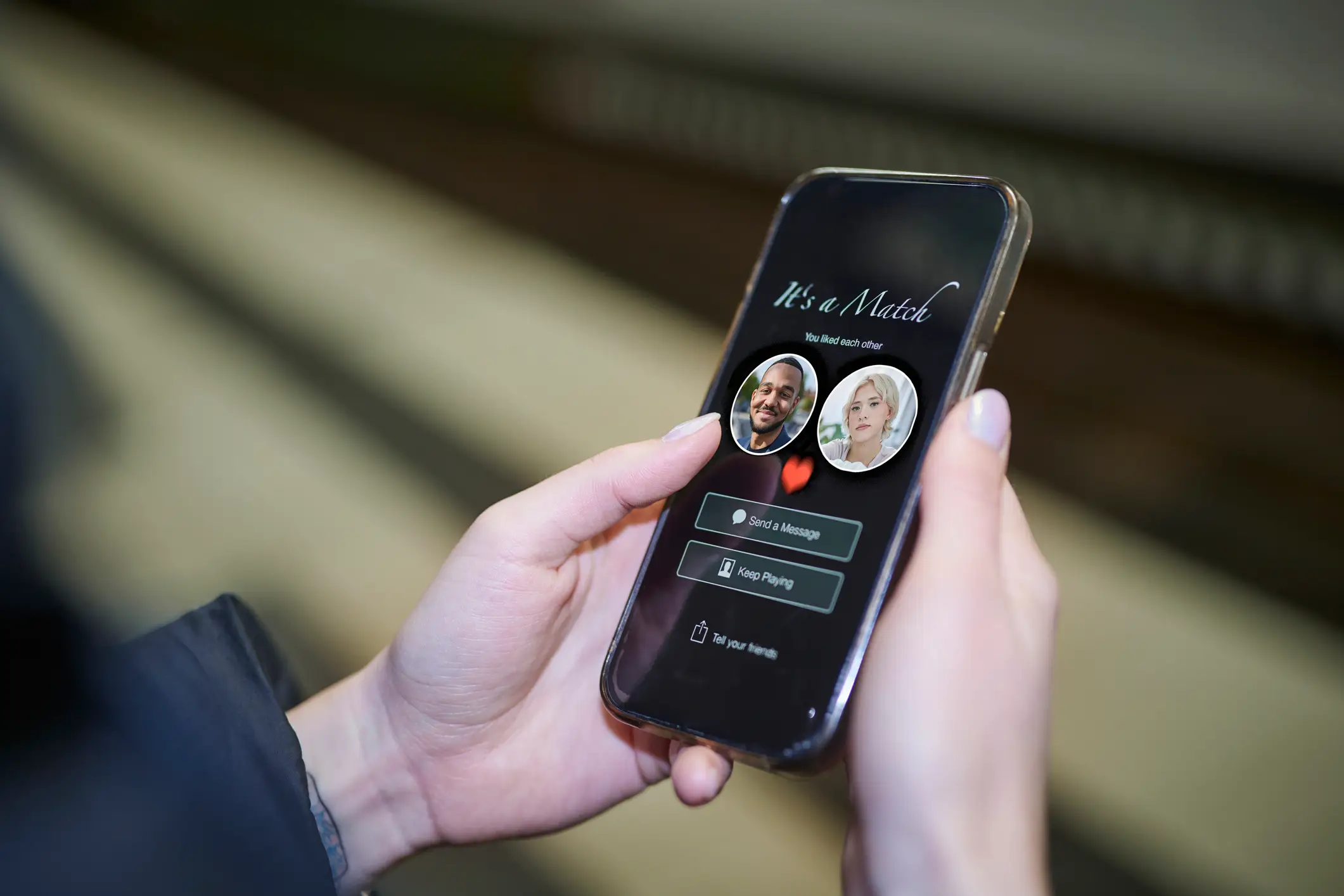
The dating app is geared towards those looking for ethical non-monogamy, polyamory, and kink.
According to their data, users who identify with 'heteroflexible' rose by almost 200 percent last year alone, with two thirds being Millennials and just 18 percent of these being Gen Z.
Despite popular belief, though, it's not just youngsters who are open to these new sexual experiences, with the dating app revealing to The Daily Mail that 15.5 percent of these users were Gen X, meaning they were born between 1965 and 1980.
Dr. Luke Brunning, a specialist in the philosophy of love, sex and relationships and lecturer from the University of Leeds, worked with the app to further explain why heteroflexibility is more common.
He explained: "The explosive growth of heteroflexibility suggests curiosity is becoming culturally acceptable, especially among younger users" adding that it describes 'how they experience attraction or typically behave'.
"For some, heteroflexible will describe accurately how they experience attraction or typically behave."
"For others, it might be more of a promise-to-self, something they want to look into further, explore, or which they hope they will be in a position to experience in the future," he further pointed out.
Following its rise to fame, the dating app says it doesn't know where the term originated from, though it is believed that its origins stem from US colleges around 2022.
"For some, any flexibility is a deviation from the heterosexual standard, and will be judged negatively; particularly for men who suffer extensive bi-erasure," he said of those fearing judgement.
The professor added that those who are 'firmly' part of the queer community may view the term suspiciously, 'as indicative of a reticence to be open about somebody’s 'true' bisexuality', or even 'internalised homophobia'.
Feeld also pointed out that homoflexibility is also a term used, being the opposite in that it is used for those attracted to the same sex, who are open to being attracted to someone of the opposite sex.
Topics: LGBTQ, Gen Z, Community, Sex and Relationships
 Joshua Nair