
Hospice nurse says there are 12 signs someone is nearing their death

A hospice nurse has revealed the 12 signs which she believes are evident when a person is approaching death.
Not to be all doom and gloom, but life is a countdown to death from the moment you're born, a concept which is understandably terrifying for many people.
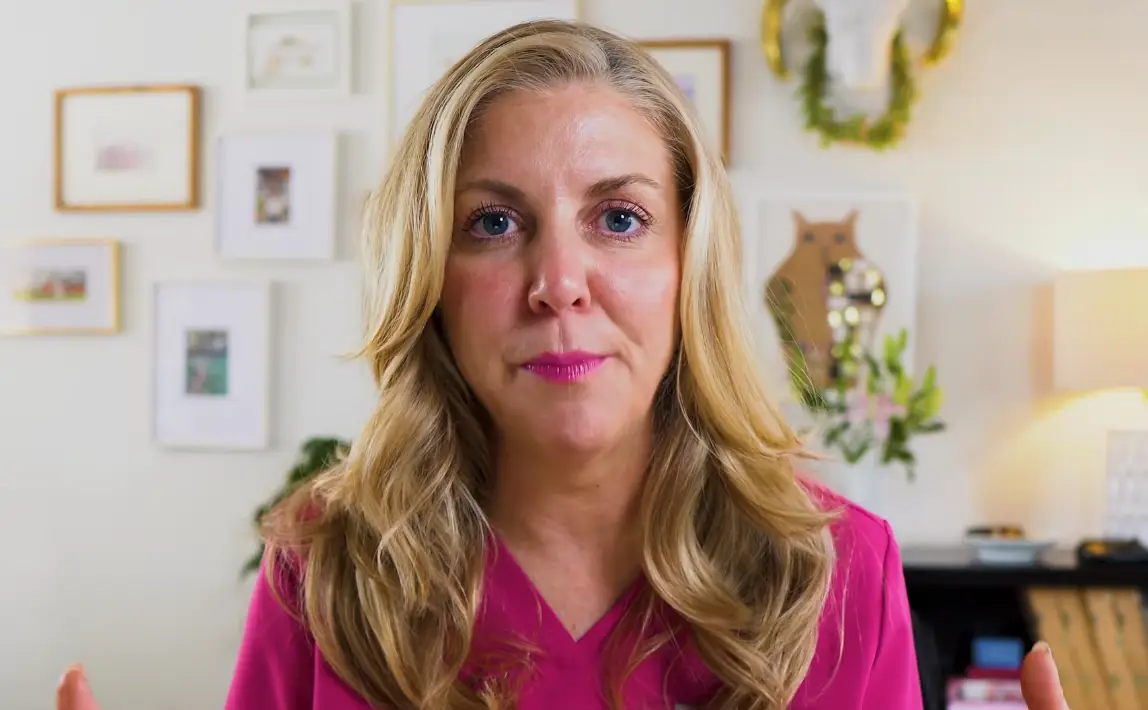
However, hospice nurse Julie McFadden has built herself a platform sharing her experience working in end-of-life care in order to dispel some of the myths around death and how to make people feel more at peace when the time comes.
McFadden has shared plenty of content from her experiences working in palliative care, including the six phenomena people experience on their deathbeds, the 'death rattle' noise a person may make when they're close to dying, and even touched on what she believes happens after we die.
Advert

McFadden has also touched on the signs which indicate a person is close to death in a YouTube video, and honestly, they all make sense.
Explaining why she believes the body gives off signals when it's reaching the end, she said: "Biologically, our body is built to live, built to survive first and built to help us die.
"I saw that firsthand - and I still see that firsthand - as a hospice nurse."
One major symptom which McFadden believes is evidence that a person is close to death is visioning or seeing relatives who have already passed away.
"You might notice this loved one of yours is talking about dead relatives, or even seeing dead relatives," she explained. "This is actually a sign of death and dying."
Meanwhile, the 'final stages' of dying include changes to a person's breathing, a change in skin colour, glassy eyes and 'terminal' agitation.
Here are the full 12 signs which McFadden says indicate that a person is likely dying:
- 1. A decrease in food and water intake
- 2. A decrease in functional ability
- 3. An increase in sleep
- 4. Dulled pain
- 5. Intermittent confusion or disorientation
- 6. Talking about or seeing dead relatives
- 7. Changes in breathing
- 8. Changes in skin colour
- 9. Fever
- 10. Glassy or teary eyes
- 11. Reaching for things or staring off into the distance
- 12. Agitation
"All of these things are normal in death and dying," Julie said.
This isn't the only time where McFadden has spoken about what she's learnt from working in palliative care, with the Nothing to Fear: Demystifying Death to Live More Fully author previously revealing observations which indicate a person may be dying six months before they take their final breath.
"You will have very generalised symptoms. One, you will be less social. So you'll be more introverted than extroverted," Julie said.
"Two, you will be sleeping a lot more. And three, you will be eating and drinking a lot less."
 Brenna Cooper