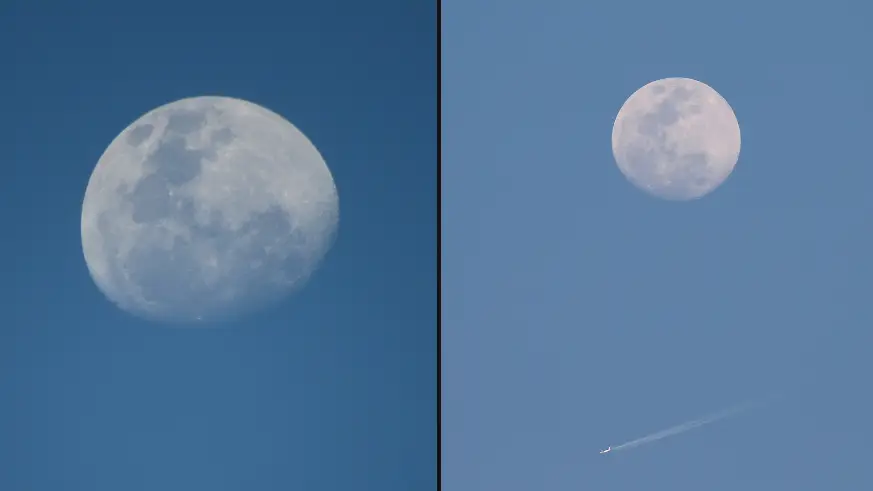

There are a few things that spring to mind when you think of the Moon - maybe you are daydreaming about cheese, wondering what it was like for Neil Armstrong to walk on, or pondering how and why it illuminates the night sky.
These are all very valid thoughts - especially the last one.
Stargazers might have noticed that the Moon doesn't always wait for the day to wrap up before it shows itself, as it sometimes makes a much earlier appearance.
Advert
Far-right conspiracy theorist Stew Peters clearly isn't in the know about this, as he was seemingly alarmed by its presence in the sky during the afternoon on Wednesday.
He shared a snap of the Moon against the backdrop of a bright blue sky on X alongside the caption: "This full Moon is out in the middle of the day. That's not supposed to happen."
Stew may want to do a bit of research on the natural satellite, as it is perfectly normal for it to show up while it's still daylight - despite what you may have heard.
Although we will be forgiven for thinking that the Moon is restricted to a nighttime shift, that is not the case.
How do you think solar eclipses happen, huh?
The Moon is omnipresent, just like stars and planets, but we typically can't see it with the naked eye during the day because the sky is so bright, as is the Sun's blaze.
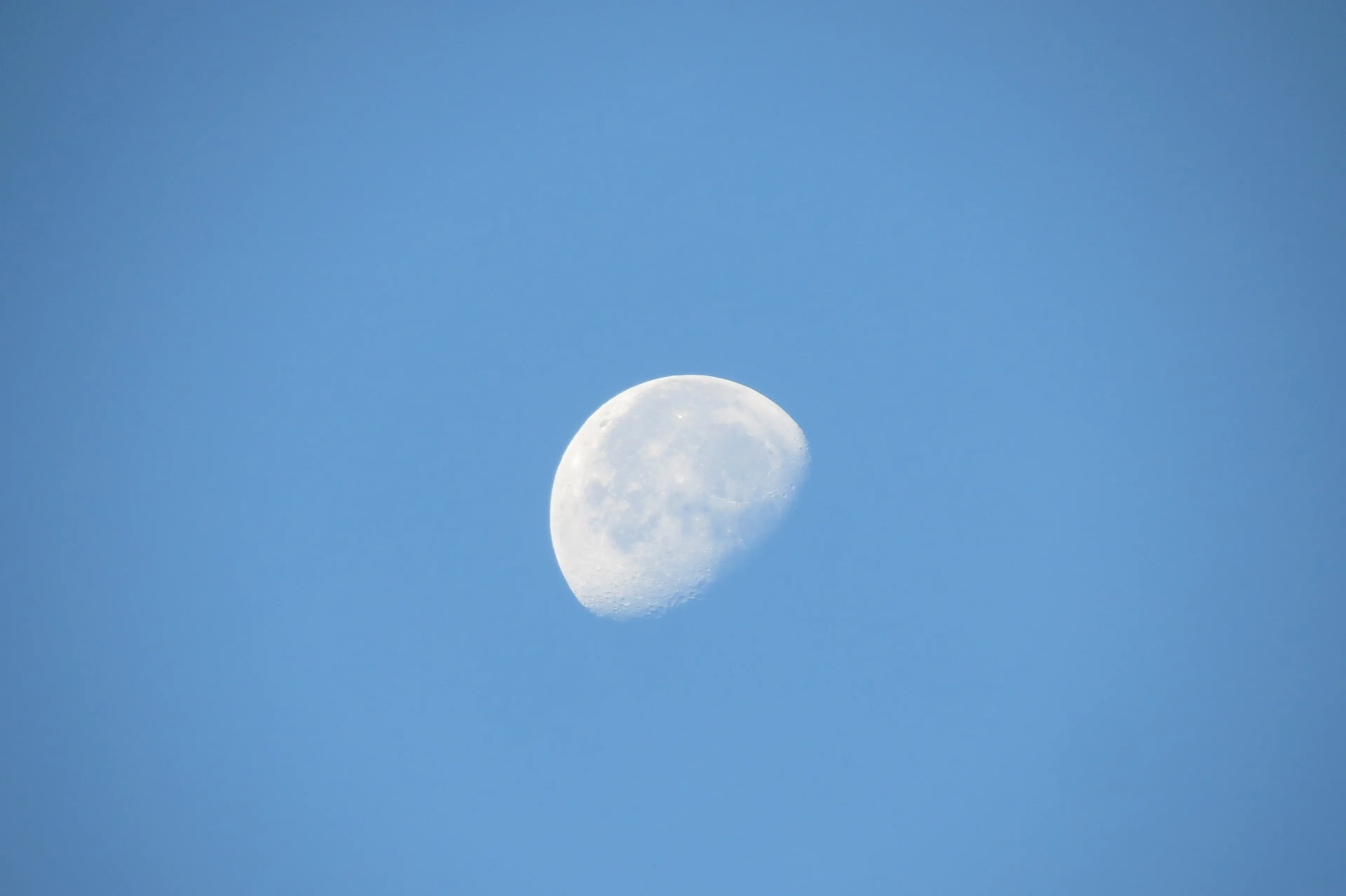
But it doesn't just clock off when morning comes and makes itself scarce from the solar system.
The Moon doesn't make its own light and is illuminated by the Sun as the glow reflects off it's surface - during both day and night.
During it's orbit, it moves through four principal phases, and when it waxes and wanes, it is in much closer proximity to Earth, which allows it to outshine a daytime sky.
Planetary geologist and NASA scientist Sarah Noble explained that the Moon actually spends 'almost as much time in the daytime sky as the night'.
In a NASA video uploaded to YouTube, she explained it actually shines bright enough for you to see it during both parts of the day as long as it is in the 'right part' of the sky.
It all comes down to how close the Moon is to Earth, the phase it is in, as well as how it orbits around our planet.
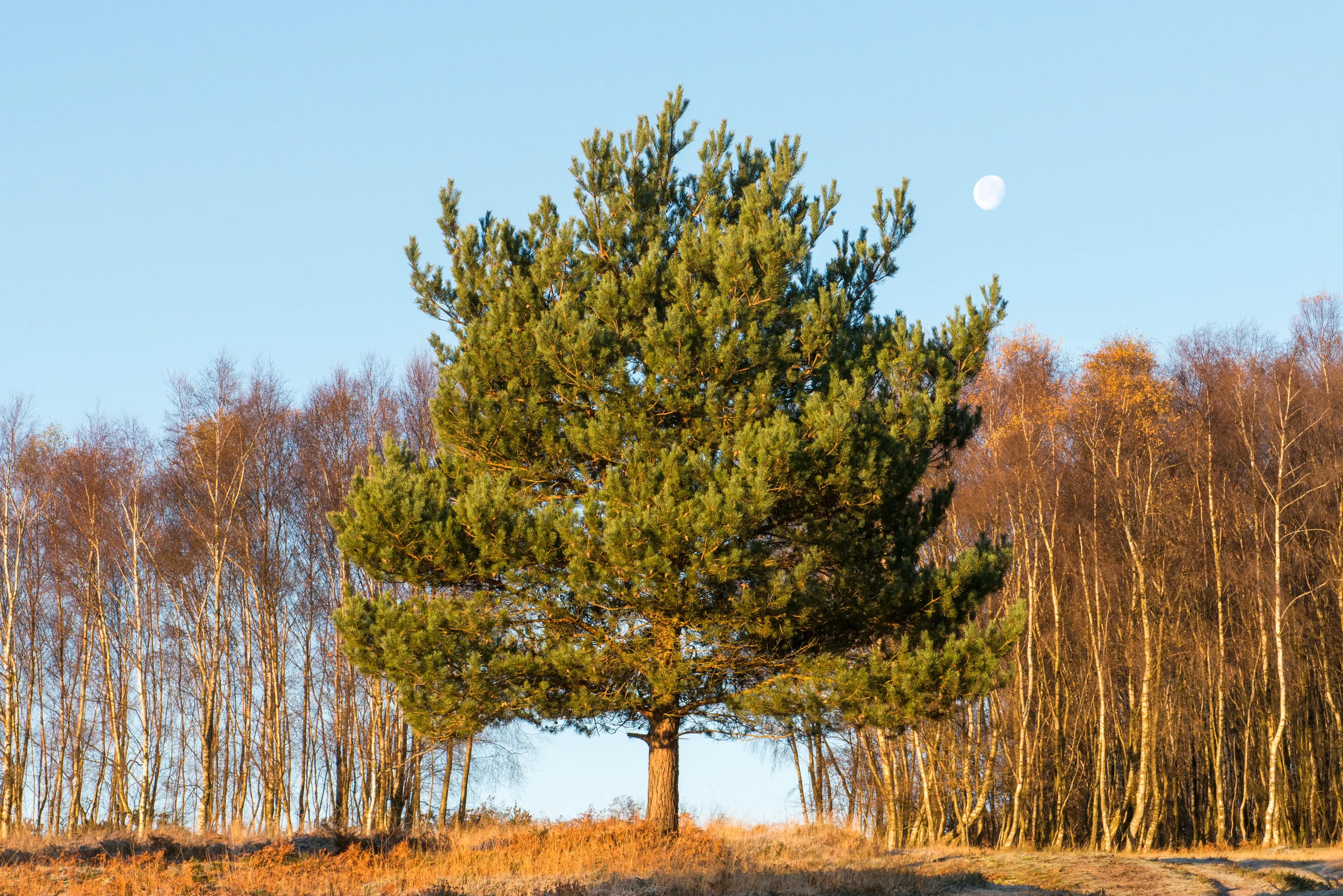
The weather season and cloud conditions also play a role in whether it is visible during the day or not.
Noble continued: "During a full Moon, the Moon is opposite the Sun in the sky. That's why we can see the full face of the Moon reflecting sunlight.
"As the Earth rotates, the Moon rises just as the Sun sets, but just on that one day of the month. In the days before a full Moon, if you look in the eastern sky, you can find the almost full Moon rising before the sun sets.
"And the days after a full Moon, you can look in the western sky and find the Moon setting after the Sun has come up."
The scientist said she has actually made a 'game' out of trying to spot the Moon in the day by timing her daily bike ride.
She added: "It will keep you on your toes.
"It sets about 50 minutes later each day as it marches through its phases. So, keep your eyes peeled and keep looking up."
You heard her!
Topics: Weird, Weather, UK News, World News, Science, Technology
 Olivia Burke