Exactly what happens to your body when it is cremated

Crematorium workers have revealed what really happens to a body once it is cremated, revealing the truth of what really happens after you die, physically at least.
There are many stories about what people have witnessed while on the brink of death, and theories about where we may go, whether there's an afterlife and so on.
But the unfortunate reality of it all, is that we will never be for sure until we're in that situation ourselves.
What people do know though, is what happens to our physical bodies following death.
Advert
A crematorium in Nottingham is now working to dispel the myths around what are known as the tangible aspects of death.
While many may be scared of death, those who tend to work in the industry have admitted to having a vastly different outlook on the process.
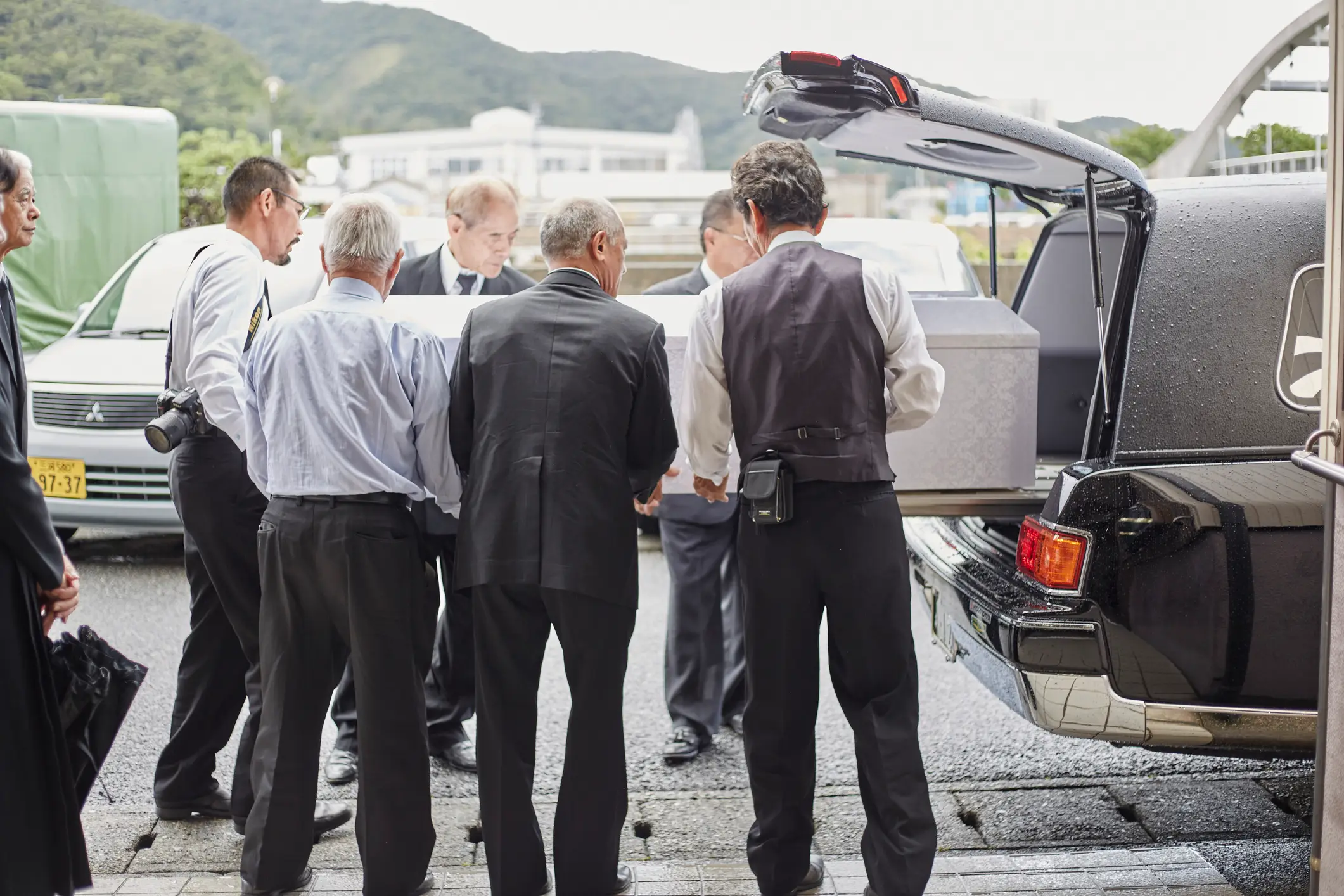
Bramcote Crematorium in Nottingham hosted an event to speak more to the public about the cremation process, as a manager revealed the reality of it all.
Louise Singer, manager at the crematorium, told local outlet Nottinghamshire Live via The Mirror: "There are so many myths about what happens at a crematorium.
"People think we resell the coffins or mix the ashes so today is to show we are transparent and we care. We just want to reassure them through the process."
Other burning questions were also answered, such as what happens straight after a cremation service.
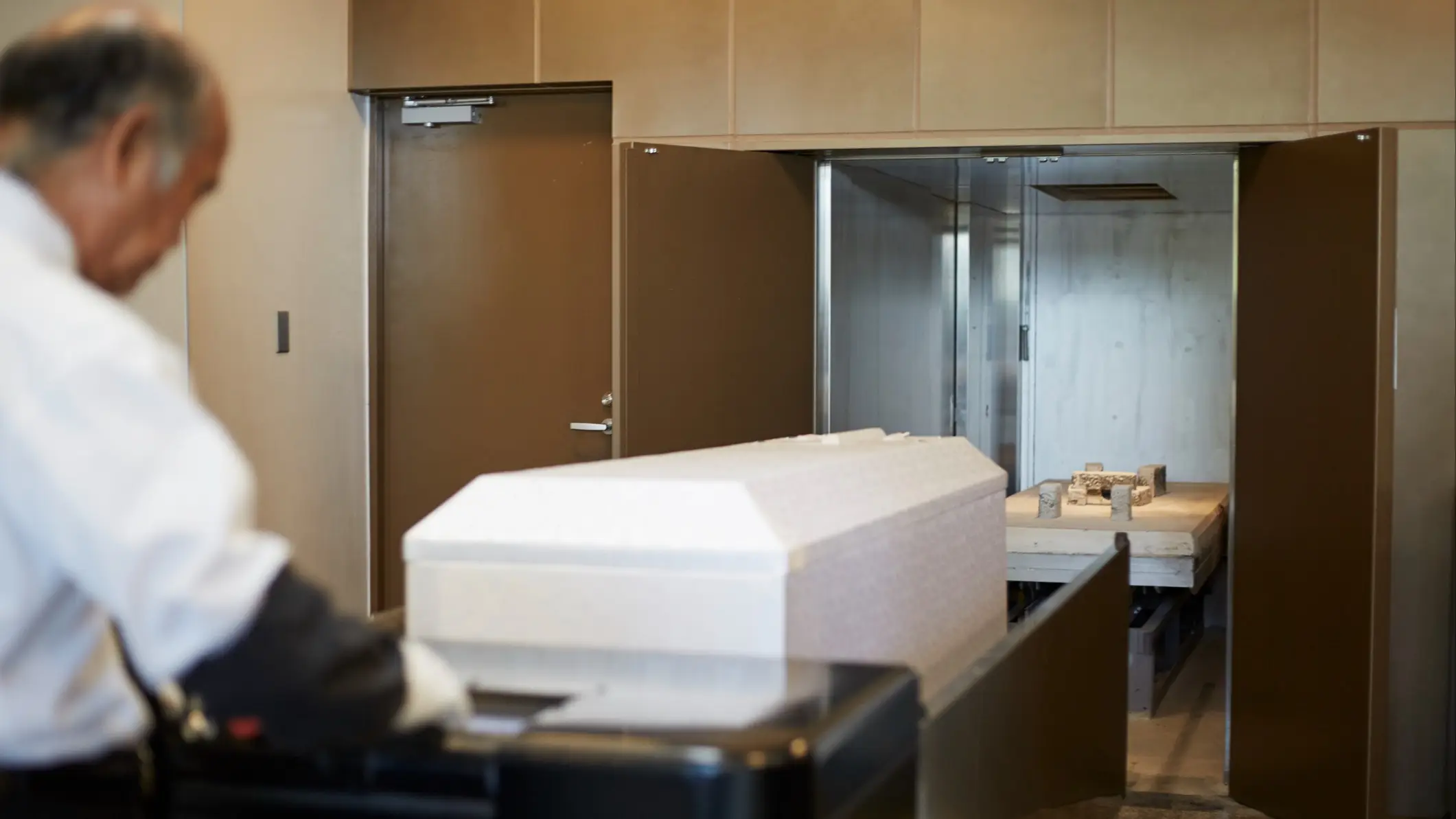
While some people think that the coffin immediately enters a furnace following a service, it's actually written into the law that crematoriums have up to 72 hours to cremate the body.
At Bramcote though, they do this within 24 hours on most occasions.
Unsurprisingly, the most important thing is for staff to make sure that there's nothing that's been left inside the coffin, while also verfiying that the individual does not have a pacemaker, as this could explode in the furnace and cause the 20 tonne machines to life off the ground.
Bodies are usually wheeled into one of two machines, with a flame raising the temperature to around 800 to 1,000 defrees celsius, for about 90 minutes, as staff monitor its progress through a viewing hole.
While this is happening, waste particles are extracted and filtered, to ensure that mercury from teeth fillings doesn't pollute the atmosphere.
Bramcote cremates 3,000 people per year, and they have explored using heat from the gas to warm the facility.
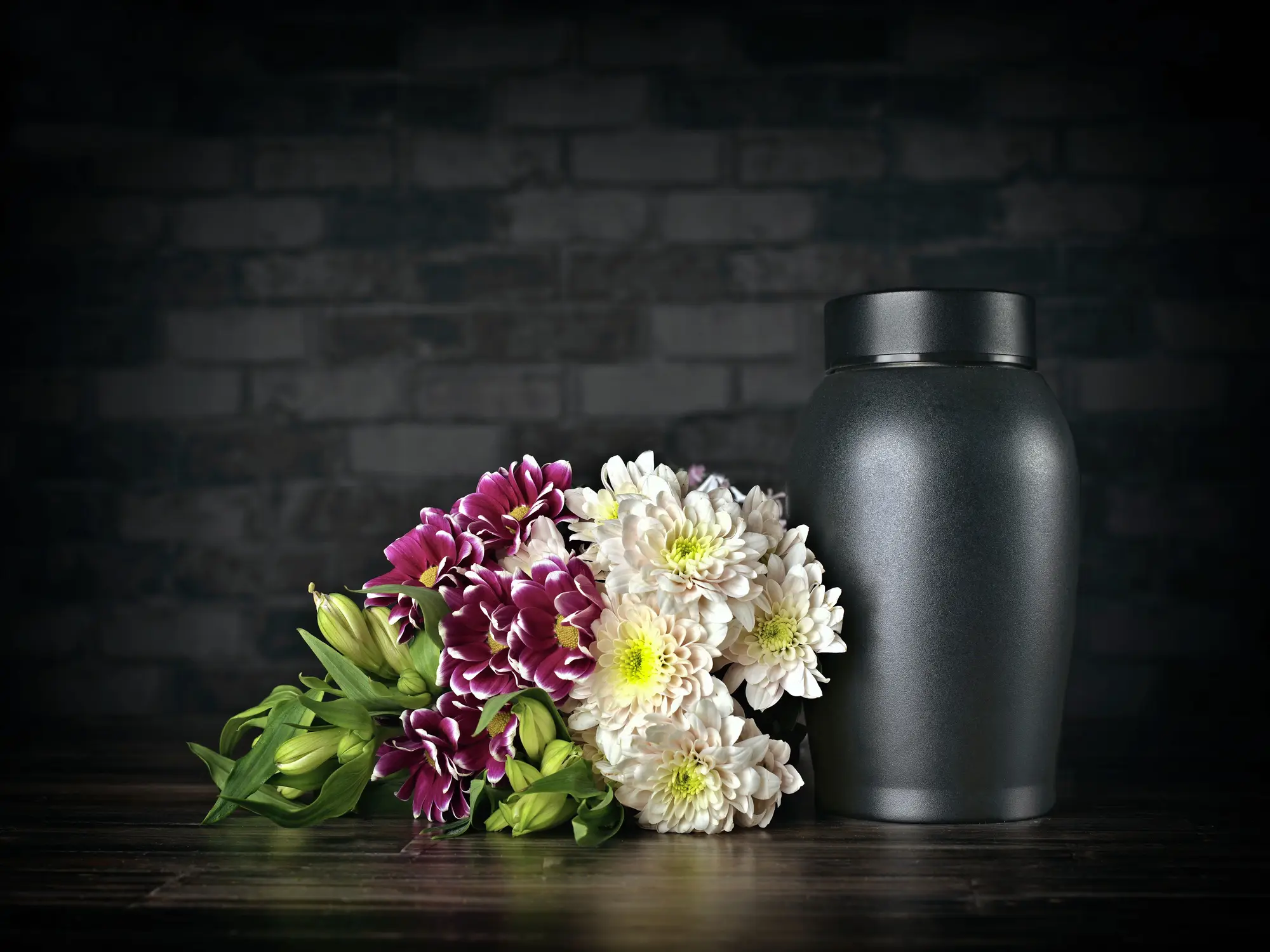
When it comes to storing the ashes, it's noted that they shoud have a sand-like conistency, before being gathered with a rake and left to cool for an hour.
Accoding to senior operative Andy hands, the final weight depends on the person and their bone density, though it is believed that it is around their birth weight.
Any metal objects such as rings or hip replacements are then removed by a machine, which can be recycled or donated to charity.
The family then usually decides if they want to scatter the ashes at the crematorium itself, or if they'd want to scatter them at a specific location.
More recently, some have chosen to incorporate their late loved ones into jewellery or tattoos.
Topics: Community
 Joshua Nair