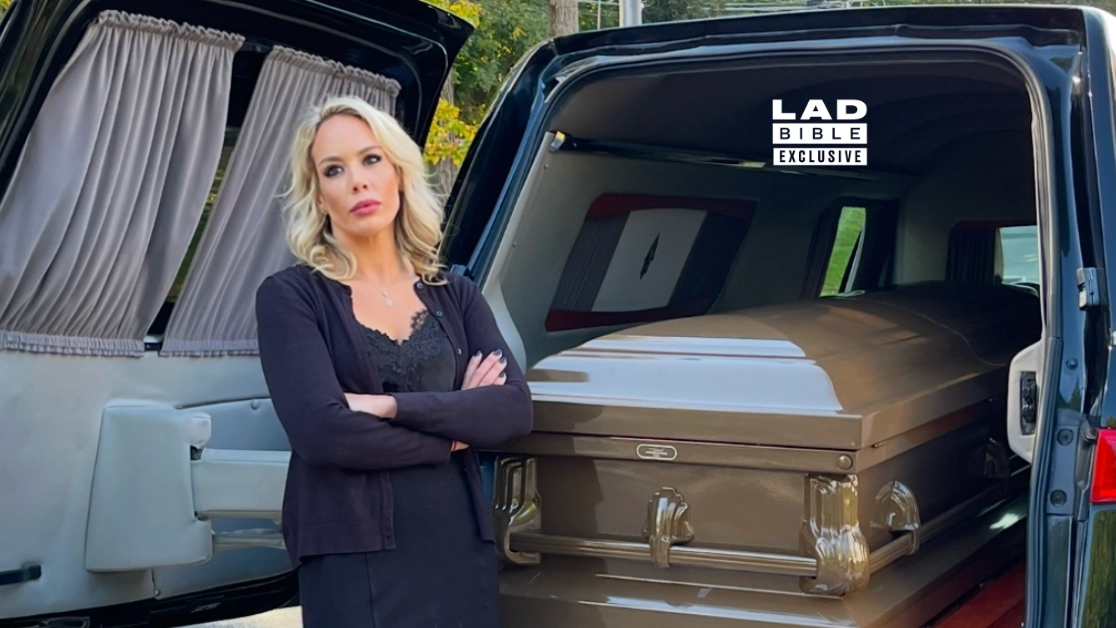
Funeral director explains people’s biggest regret on deathbed that will change your outlook on life

Melissa Schmidt deals in death, and everything it entails, from body removal and embalming to preparing the recently departed for their funeral.
But while most would assume it's the grizzly parts of the job that prove most difficult, the hard, 'physical reality' of having to work with bodies, the self-styled ‘funeralbabe’ says it's much more profound than that.
Speaking to LADbible, Melissa, whose story has led to her gaining a huge following on TikTok, says there are moments that will 'stay with her forever', ones that have completely changed her view of life and death.
We learn far more about people when they die
She is certain we learn far more about people, and the 'guilt and regret' they cling onto, when someone dies than when they were alive.
"There is something profoundly meaningful about restoring dignity, creating space for goodbye and helping a family honour a life," the New Yorker explains.
Advert
"You see people at their most unguarded, bodies, yes, but more than that, love made visible. You see how someone lived, how they were cared for, how they were mourned."
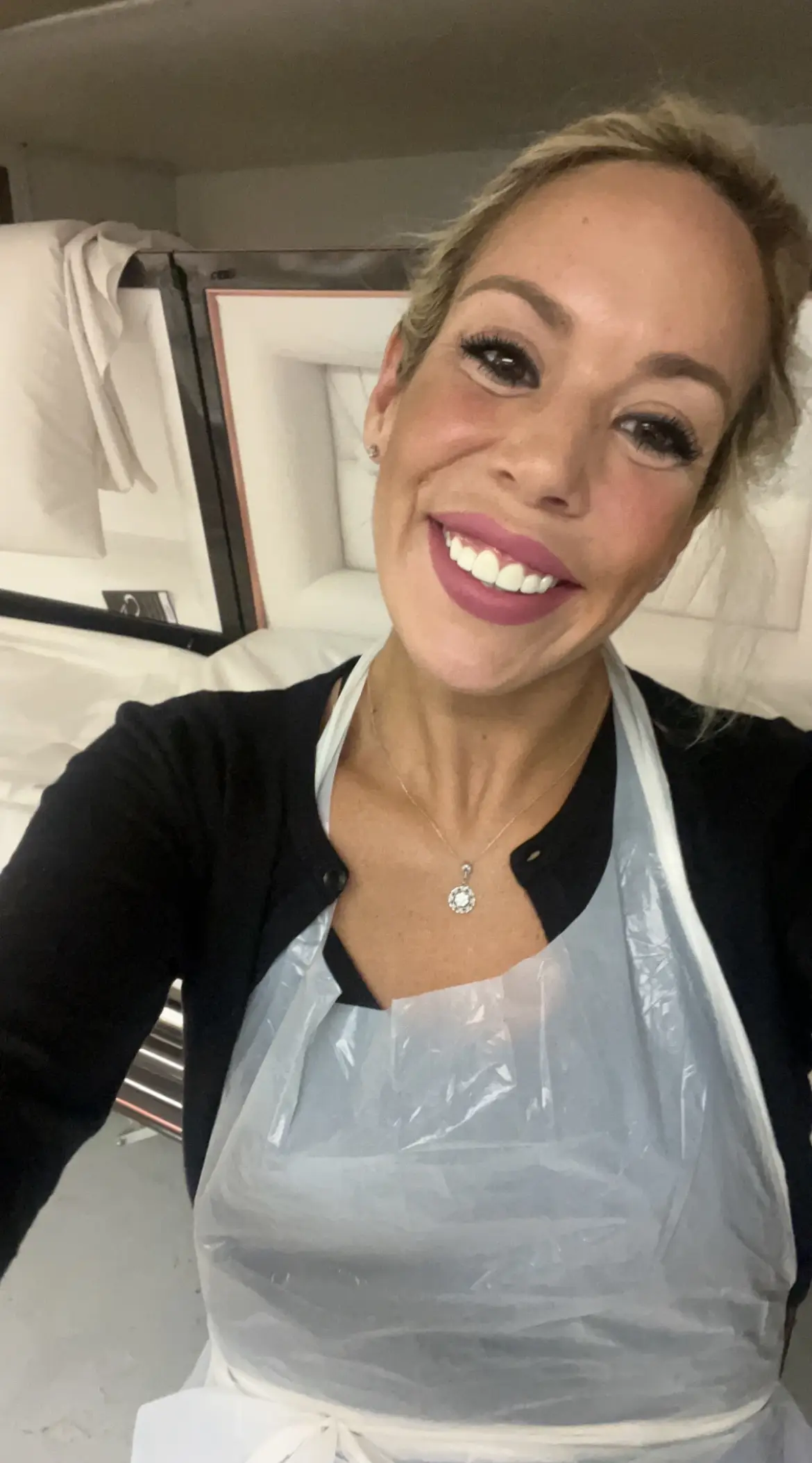
People have the wrong idea of what being a funeral director is really like
Melissa, who was once 'petrified' of death, knows people have a certain idea of what her job is, though.
And though the act of having to handle a dead body is heavy both physically and mentally, it's not what she finds most challenging about her role.
"The hardest parts of this job aren’t always what people expect," she admits.
"There is the physical reality…lifting bodies, caring for them, working with death up close, but the deeper impact is emotional and spiritual.
"You’re often sitting with someone on the worst day of their life and your role isn’t to fix anything, only to hold space. You witness grief in its rawest form - shock, guilt, love, regret, and you carry those moments with you."
Melissa goes on: "Some faces and stories (will) stay with me forever, like a young mother whose children didn’t understand why she wasn’t waking up, or bearing witness to a room full of people confronting something they’ve spent their entire lives avoiding.
"Emotionally, sometimes it's taking care of somebody you know, or taking care of a co-worker, those are really hard hitting - taking care of young mums usually is upsetting."
The biggest regret people always have on their death bed
The American says being 'this close to death' and witnessing the 'patterns in what people mourn' alters your outlook on life and what people 'wish they had done differently'.
"People don’t mourn money, jobs, or achievements…they mourn time," she says, matter-of-factly.
"It's time they didn’t give, conversations they postponed, moments they assumed they’d get back. The pattern is that regret isn’t dramatic…it’s ordinary."
It's not a truth that many of us are faced with on a daily basis, she says, and one most of us, if we're honest with ourselves, often forget soon after we are.
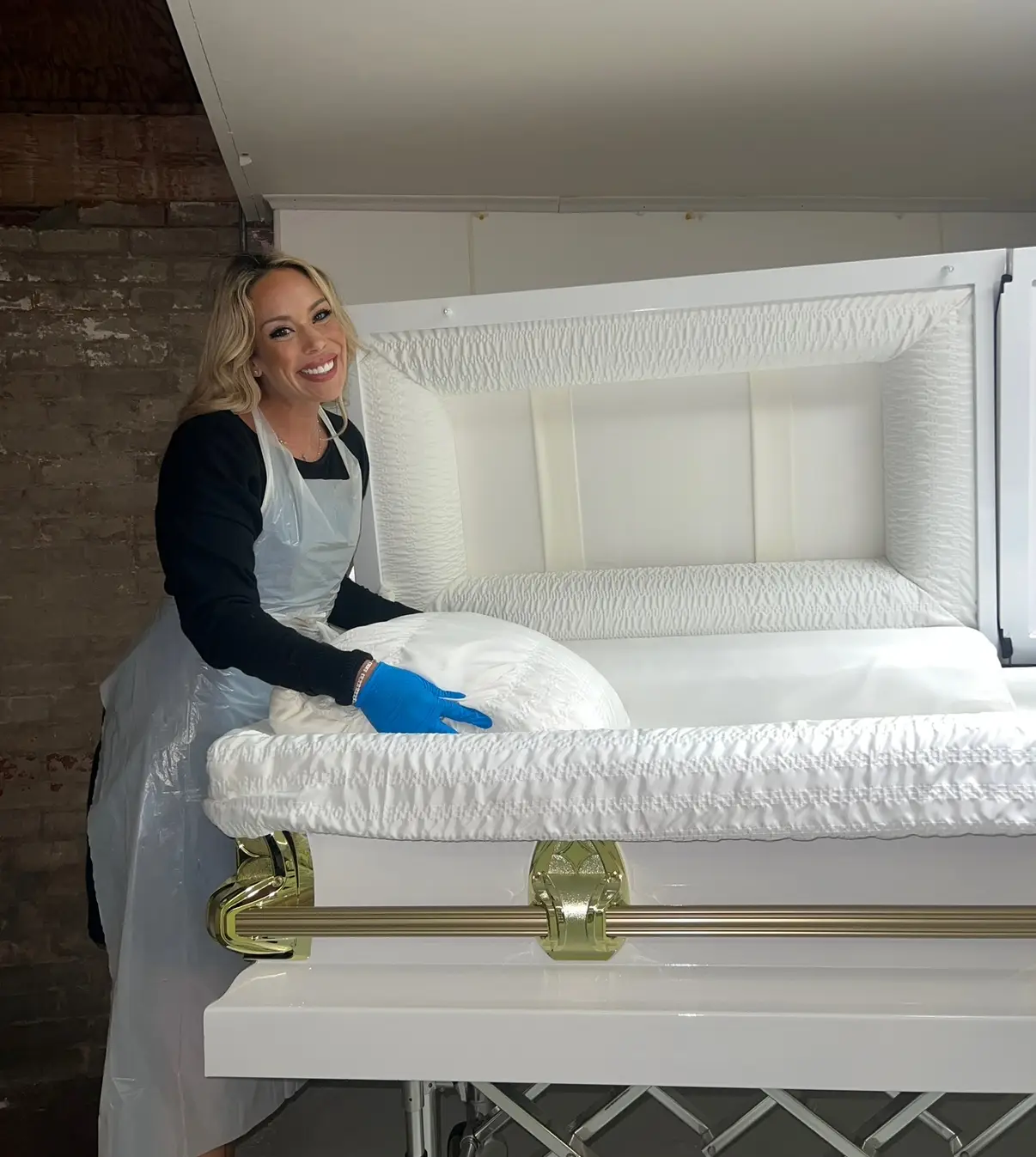
'I don't know anyone who works in this job and doesn't believe in a higher power'
Melissa goes on: "Spiritually, you see a lot of hard stuff and it makes you question a lot of things, but it makes you believe in a lot too. I don't know anybody who works this job and doesn't believe in something (a higher power).
"It’s not about religion, it’s about pattern, consistency, and what you witness over and over.
"I hear it from families constantly….they talk about timing that feels impossible to explain, moments of peace that arrive out of nowhere, and a sense that their person isn’t just gone, that the relationship has changed, not ended."
Speaking more about witnessing death, the funeral director pointed out: "I think it does challenge you in different ways, but it's the transcendence of evolving as you're doing the job and and learning more about yourself - death teaches you so much about life."
She said that it shows you that life is 'fragile and unfinished', highlighting that it's 'the life you’re living right now' that people will grieve, not plans you had or a 'version of yourself' you wanted to become.
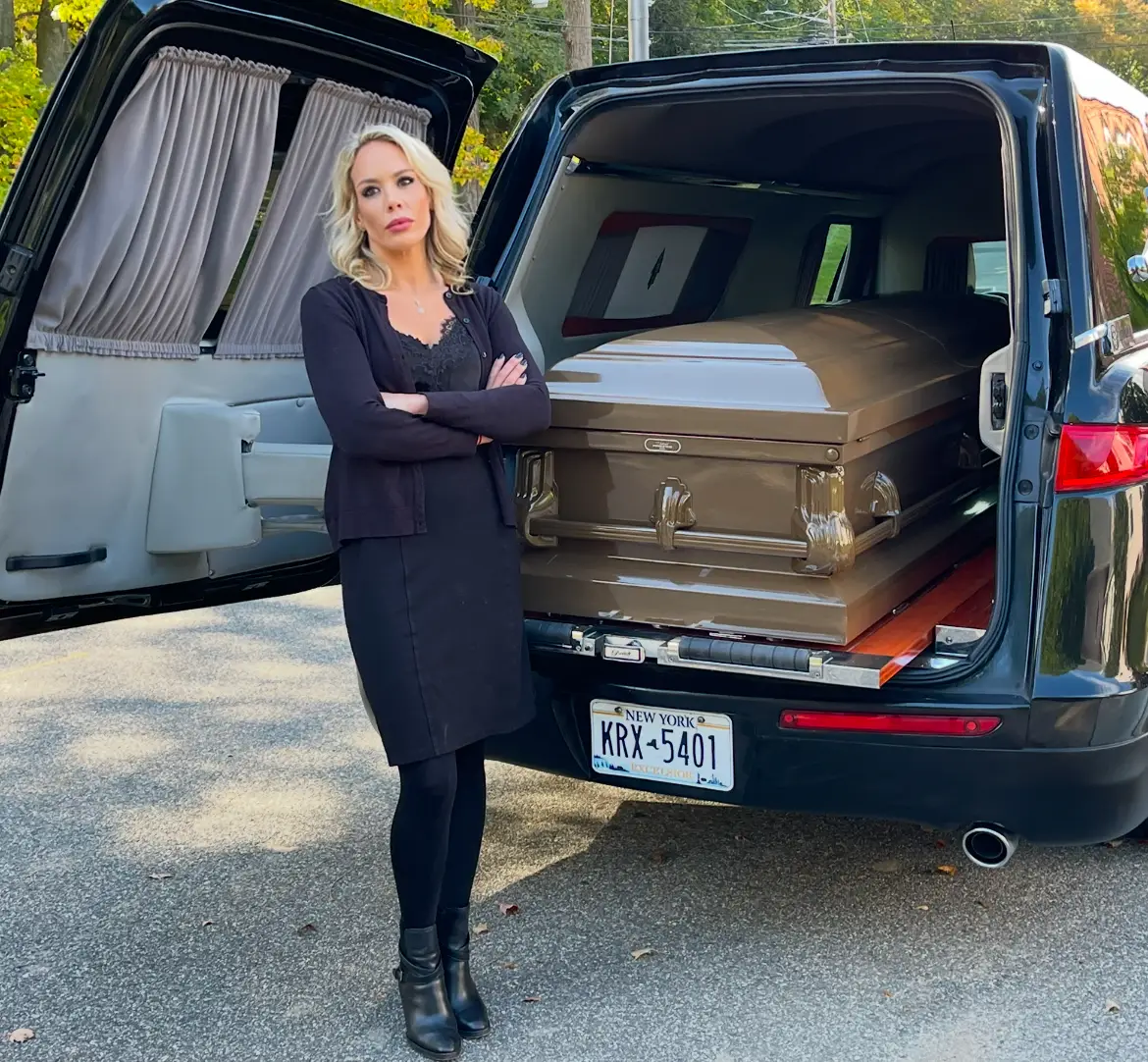
The moment that changed how I see death
Recalling the first time she had to care for a family member, above all, Melissa remembers 'how quiet it was' and how 'deliberate' she had to be with her movements.
"There was a deep sense of responsibility knowing that this person couldn’t advocate for themselves anymore, and that dignity was now in my hands. It absolutely changed me," Melissa explains.
"It stripped away any distance I might have had from death and replaced it with respect. From that point on, death stopped being something abstract and became something deeply human.
"It taught me that caring for the dead isn’t about detachment. it’s about presence, intention, and understanding that how you treat someone after they die still matters."
Concluding: "I always say working in funeral service hasn’t hardened me. It’s given me perspective, gratitude, and a deep respect for how fragile and sacred ordinary life really is."
Topics: TikTok, Social Media, Lifestyle
 Joshua Nair