‘I Swear’ star Robert Aramayo gives honest take on John Davidson’s N-word BAFTA incident

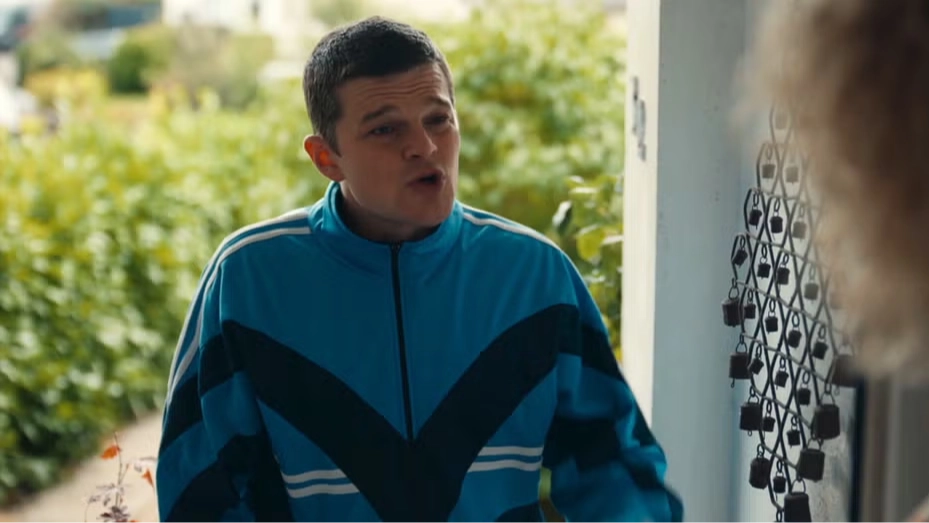
I Swear's leading actor, Robert Aramayo, has spoken on the BAFTA controversy which saw the real-life subject of the film – John Davidson – shout out a racial slur due to his Tourette's Syndrome.
Tourette's, according to the NHS, is 'a condition that causes you to make sudden, repetitive sounds or movements (tics)' that has no cure.
For many, this can include 'repetitive sounds (vocal tics) or movements (motor tics) you do not choose to make and cannot control', as well as words, and in rare cases, swearing.
Tourette's campaigner Davidson, has been active in the community about bringing awareness to the condition, but during a night at the BAFTAs last year that should have been a time of joy for him and the film's cast and crew, it was overshadowed by misinformation about Tourette's.
Advert
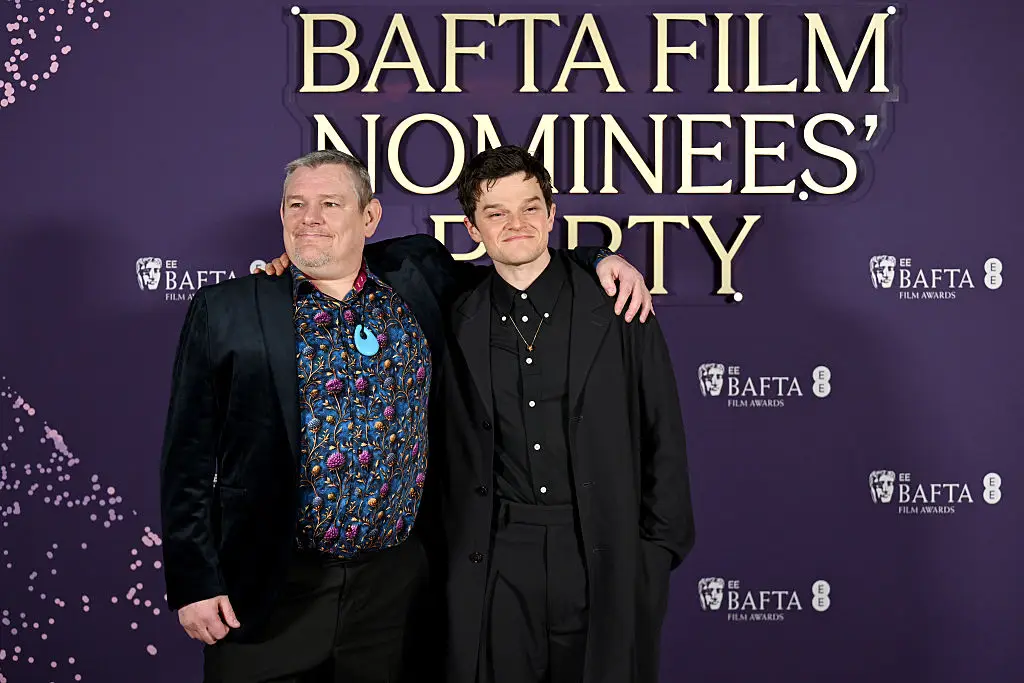
There, Davidson – who was invited to the event for his role in the biographical film – shouted out a racial slur at Sinners actors Michael B Jordan and Delroy Lindo due to his involuntary tics, leading to major backlash online.
He quickly revealed it left him 'mortified' in a statement to Deadline after the event.
Davidson was heard saying the N-word in the BBC's broadcast of the awards which was originally uploaded to iPlayer.
Now, over a year later, Aramayo has spoken about that night, and how worried he was for Davidson.
In an interview with Variety that was published yesterday (6 November), Aramayo revealed what he hopes people take away from that night, and their film.
"I hope people experience John’s story and then go and Google what Tourette’s is," he said. "The Tourette Association of America told me that one in 50 kids in America live with a persistent tic disorder, and one in 160 are living with Tourette’s. So it’s in schools. You can’t avoid it. Watch the documentaries about John; they’re fascinating. And maybe Google the TAA."
He added of Davidson's condition being something he cannot control, and while it may hurt others, it can also hurt himself too due to the pain inflicted.
He explained: "If John were here now, he might hit you [physically]. That will hurt you. It will also hurt John because he’s hit you. So I think what the film is trying to do — spreading awareness and education — is important."
He added: "But the actual fallout and the people who were affected, it’s really unfortunate."
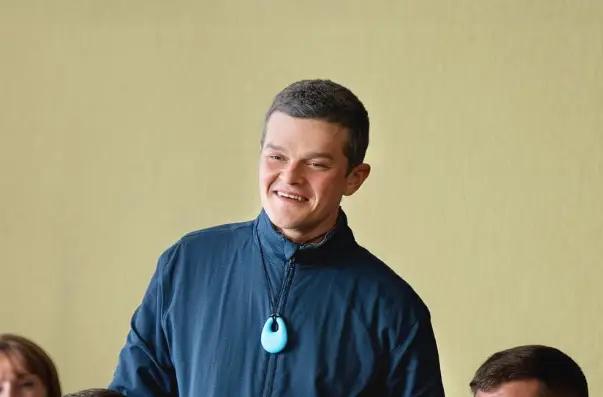
The actor went on to share that during the time he was researching the condition for his role to play Davidson in the flick, he was told: “Tourette’s is funny until it’s not.”
He said of that night: "There were a lot of tics that night, and some made people laugh, which is a natural response. Other tics, we know the story. Another thing people always say is, 'ignore the tics but not the person.' With John, I’ll always just let it go, let it go, let it go, whatever it is. Sometimes you can’t help but get hurt if he hits you or if the tic is hurtful verbally. Or it might even make you laugh."
He said: "All of those are human responses. At the same time, I see John’s experience and I know how difficult it is for him."
Admitting he was 'worried about' Davidson after he chose to leave the ceremony early due to the distress his tics had caused, he said ultimately, more education around the topic would help people to understand the condition.
 Britt Jones