Elizabeth Holmes slammed by Theranos whistle-blower for 'fake device' used in You Can See Everything

You Can See Everything has taken the world by storm as one of the biggest debuts from a documentary in film history, but despite the film’s near unanimous acclaim a whistle-blower from Elizabeth Holmes’ former company has revealed one scene made him ‘jump out his seat’.
Holmes is a former CEO who was given a ten-year jail sentence after being convicted of committing fraud in the formation of her company Theranos, which peaked at a huge valuation of $9 billion.
Theranos was a blood testing company that purported to be able to carry out complex medical testing using just a few drops of blood from a pinprick, preventing the need for large needles in a way that would have revolutionised the health and medical space.
The only problem was that the device ‘The Edison’ which was advertised did not work and this fact was actively hidden from investors. In the new documentary however, which sees Nathan Fielder staying with Holmes and her family in the days prior to her going to prison, a Theranos whistle-blower has accused Holmes of using a ‘fake device’.
A whistle-blower who helped expose Theranos’ shady practices has spoken out
Advert
Tyler Schultz is a scientist, researcher, and formerly an intern and worker at Theranos.
Schultz worked closely with The Edison and later became a key whistle-blower for The Wall Street Journal’s bombshell report that exposed Theranos.
He resigned in 2014, a year before many of the reports became public, but continued to inform people on the practices from within the company.
You Can See Everything has been widely praised, with a 9.4/10 on IMDb at the time of writing and 4.7 on Letterboxd making it the best-reviewed on both platforms.
Despite this, Schultz has been heavily critical of the documentary.
The whistle-blower pointed out that Holmes uses a ‘fake device’ in You Can See Everything and slammed the doc

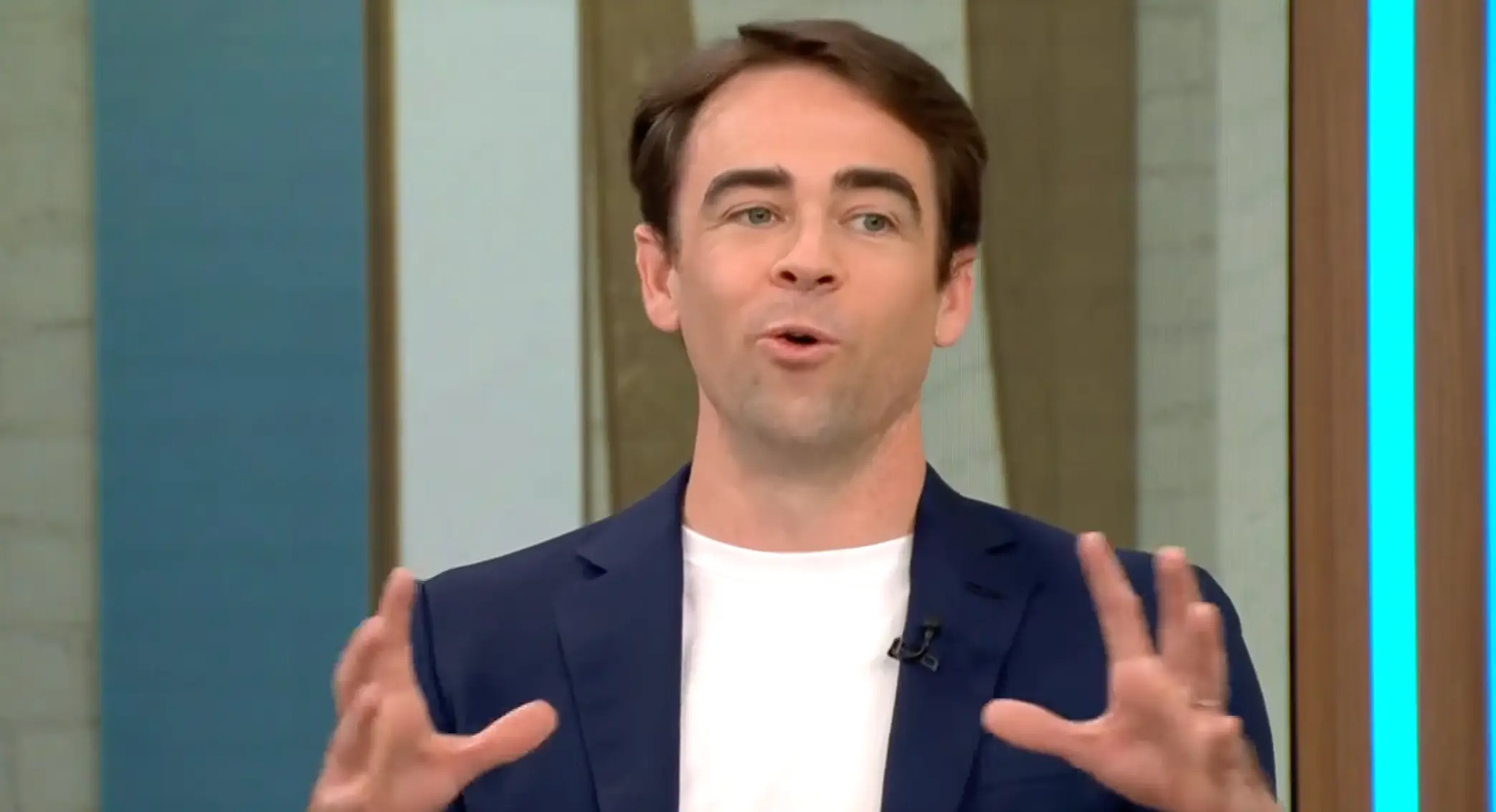
Shultz appeared on CBS Mornings where he accused the documentary of ‘barely relitigating Theranos at all’.
He added: “When they do, they do so just enough to make sure there’s doubt in the audience’s mind about whether she was maybe telling the truth or not.”
The Edison machine is shown in the documentary, a section he called the ‘most frustrating part of the film.
Shultz said he almost got out his seat and started talking to the film in anger as he said: “There’s this part where she brings out the Theranos device and she lays it out across the table and all of its components so you can see everything.
“They start litigating the work and she says ‘this is the device that could run any test’.”
He pointed out that whilst the doc focuses on her using the word ‘could’ for him it was a very different one. Shultz explained: “That was not the device that I worked with, that was not the device I worked on 12 hours a day, that was not the device we hid from regulators, that was not the device that failed quality controls.
“That was not the device we used to knowingly give patients incorrect medical information and she completely misled him down this completely different rabbit hole.”
Shultz claimed that this was a future version of the original device which was never tested on patients and the one Theranos and Holmes were charged over was ‘more rudimentary’.
You Can See Everything is available to watch in cinemas in the US.
Topics: True Crime, TV and Film, Documentaries, Film
 Michael Slavin