Antiques Roadshow expert refused to value 'most disturbing' item due to its past

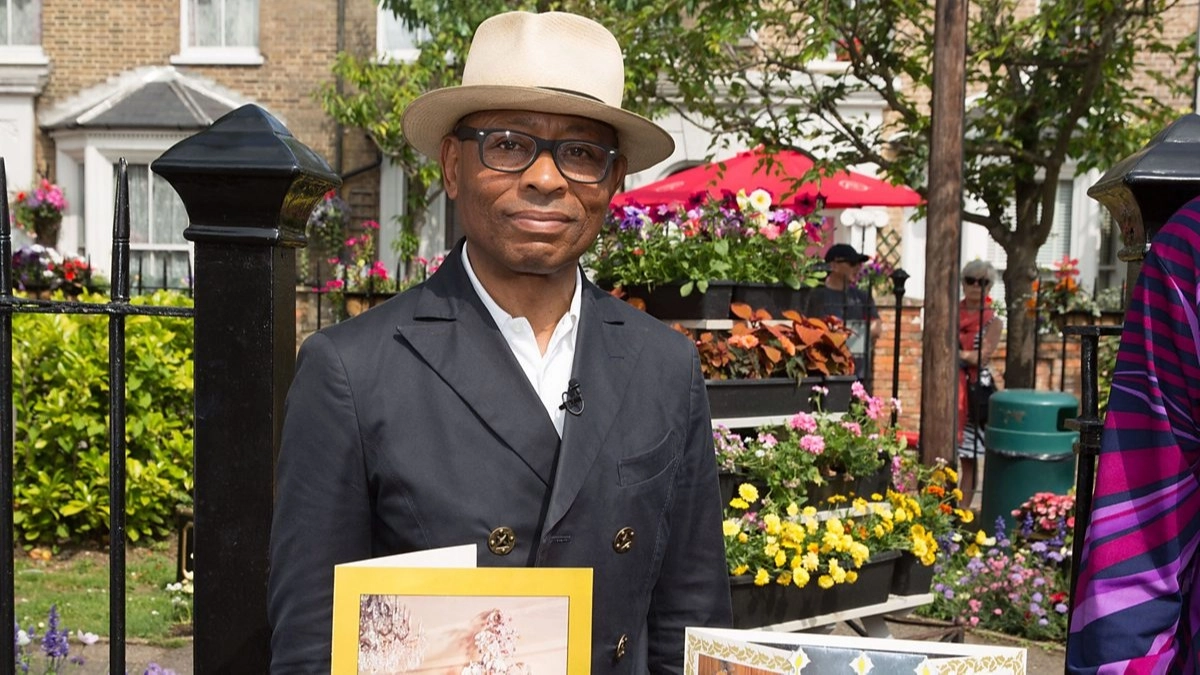
During a 2024 episode of Antiques Roadshow series expert Ronnie Archer-Morgan was presented with an object that he refused to value due to its dark past.
The experts on Antiques Roadshow have been presented with all manner of objects over the years and sometimes they refuse to put a price on what they see.
It's rare for an item not to be given a valuation but it does sometimes happen, including for sentimental reasons as was the case with the person who brought a series of letters from the Second World War written by a child killed when the ship taking her to Canada was torpedoed.
Advert
Another item which traced its 'distressing history' back to the concentration camps of Nazi Germany was a medal given to survivors of tht terrible ordeal, which was also not given a valuation by the experts as they felt there was 'no price you can put on what someone went through to be awarded that medal'.
So when an expert doesn't give a valuation for an item it's for a very good reason, and when Archer-Morgan was presented with an 18th century slave trade ivory bangle he found it to be 'one of the most difficult things' he'd been presented with.
What was the item?
Host Fiona Bruce took the show to Alexandra Gardens in Cardiff and found something worth focusing on, explaining in the voiceover that a woman brought a disc that 'acted as an endorsement of the professional reputation of an African slave trader in the West African port of Bonny in the 18th century'.
After seeing the antique, Ronnie was caught off guard and highlighted that both he and the show's crew 'wholly and unequivocally disapprove of the trade in ivory'.
He told the guest: "But this ivory bangle here is not about trading in ivory, it’s about trading in human life, and it’s probably one of the most difficult things that I’ve ever had to talk about. But, talk about it we must."

What did he say about it?
Despite its association with the slave trade, the expert called it 'amazing', adding that it was a 'testament to the callous trade' that took place from the 17th to the 19th centuries. He also noted that the inscription on the disc said the original owner was an 'honest trader'.
Ronnie said this was far from the truth, calling him 'despicable' and adding: "I'd like to meet him and teach him how honest I think he is.
"This is a document, the living proof, the surviving proof, that this awful trade went on.
"Look how beautiful the calligraphy is, the beauty of the calligraphy it just belies the awfulness of the message."
The guest innocently claimed she bought it for £3 at a house sale 36 years prior, and that she 'had no idea' about its significance.
She assumed 'traders' referred to coffee or spices, and was shocked to find out the truth.

Why did he refuse to value it?
Ronnie opened up about his family history, explaining his great-grandmother was a 'returned slave' from Nova Scotia in Canada, before returning to the capital of Sierra Leone, Freetown.
He said it's his 'cultural duty' to speak about the issues, adding: "I just don't want to value it. I do not want to put a price on something which signifies such an awful business.
"But the value is in the lessons that this can tell people. The value is in researching this and what we can find out.
"And I just love you for bringing it in and thank you so much for making me so sad."
Additional words by Joshua Nair.
Topics: Antiques Roadshow, Racism, TV, History
 Joe Harker