Man tries 'shocking' ADHD drug as he questions if disorder is 'genuine' or social construct

An NHS psychiatrist tried ADHD medication that an expert compared to 'slow release cocaine' after being diagnosed with the condition during a £1,200 online assessment.
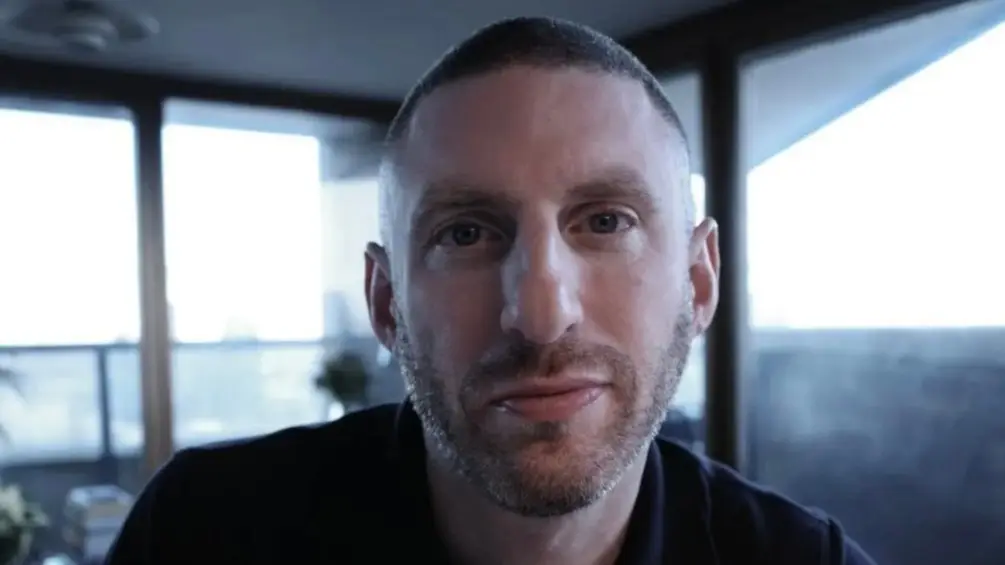
Dr Max Pemberton is at the forefront of Channel 4's latest documentary, which delves into the contentious debate about whether ADHD is a 'genuine neurodevelopmental disorder', or a social construct.
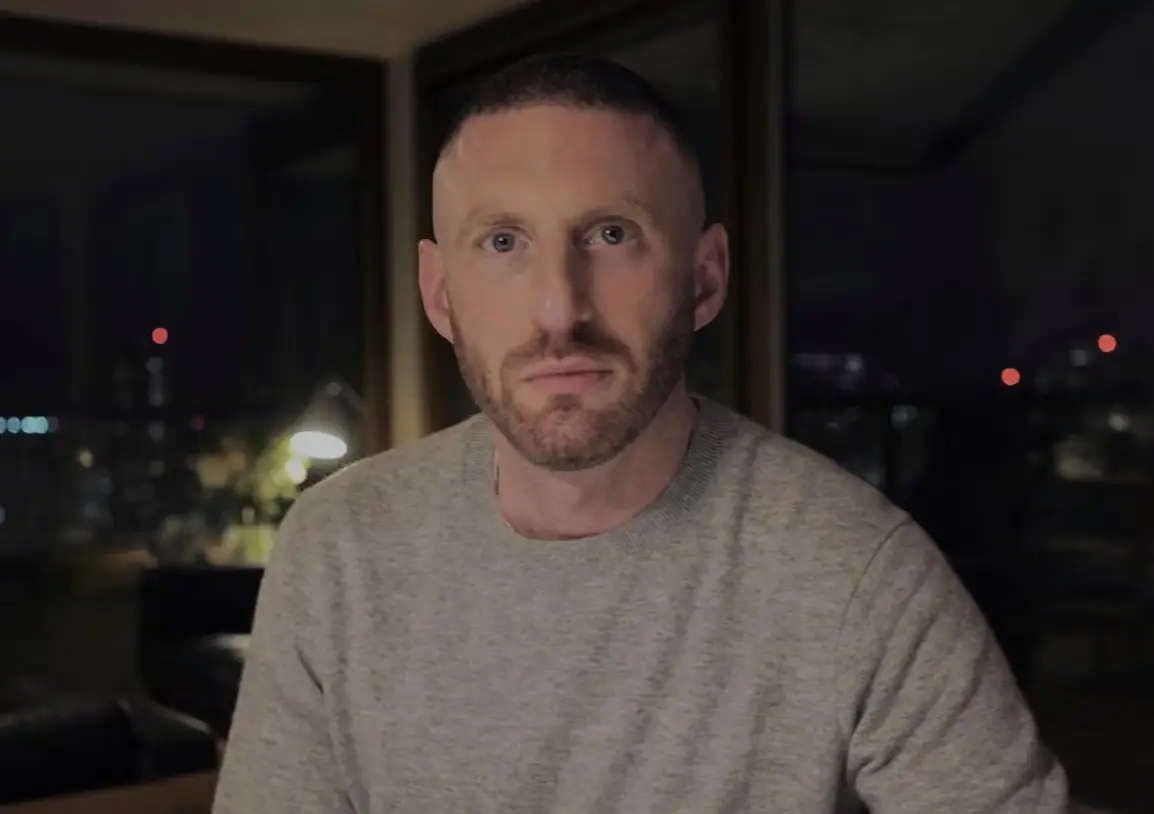
In his efforts to get to the bottom of this, the London-based medic underwent an ADHD assessment with a consultant psychiatrist - despite the fact he 'doesn't think he has got ADHD at all'.
Pemberton is at the helm of the documentary titled The Great ADHD Myth?, which airs on Channel 4 on Tuesday (18 August).
Advert
It follows the author's investigation into the ever-growing number of people being diagnosed with ADHD, as well as the alarming concerns being raised by health professionals about the treatments currently offered.
According to the NHS, ADHD is a 'condition where the brain works differently to most people', which may cause sufferers to encounter inattentiveness, impulsivity and hyperactivity, among other things.
Pemberton, who has nearly 25 years' experience in psychiatry, shares his suspicions with viewers that the minds of the next generation might be being medicated unnecessarily.
"Ten years ago, ADHD was rare in kids and especially in adults," he tells viewers. "Now, 2.5 million people in the UK are estimated to have ADHD."
He later adds: "It’s shocking that we’re giving children powerful medicines that can fundamentally change their character and personality without a bigger debate.
"I and many colleagues are uneasy about it, but the subject has become so charged that speaking up in public has felt like picking a fight."
'Medication should be the last thing you try', expert claims
A number of medical experts appear in The Great ADHD Myth? to share their opinions, including British psychiatrist and psychotherapist Dr Sami Timimi.
He describes the drugs provided to those diagnosed with ADHD as 'amphetamine-based or amphetamine-like substances' in the Channel 4 doc, which 'cause a sort of tunnel vision that allows people to concentrate better'.
"This medication has some quite powerful effects on people's mental state, this is why people take them recreationally," Timini said. "They are controlled drugs, there is a good reason why we warn the rest of the population."
Dr Sarah Worley is the founder of 'The Key Clinic', which is an organisation that specialises in drug-free therapies for children and adults with ADHD, and also appears in The Great ADHD Myth?.
She claims that ADHD medication given to children up and down the UK to help manage their symptoms is similar to a Class A drug - and says that 'medication should be the last thing you try, not a knee-jerk reaction'.
"In effect, they work in the same way as a slow release cocaine," Dr Worley alleges in the documentary. "Which is quite shocking when you use that language."
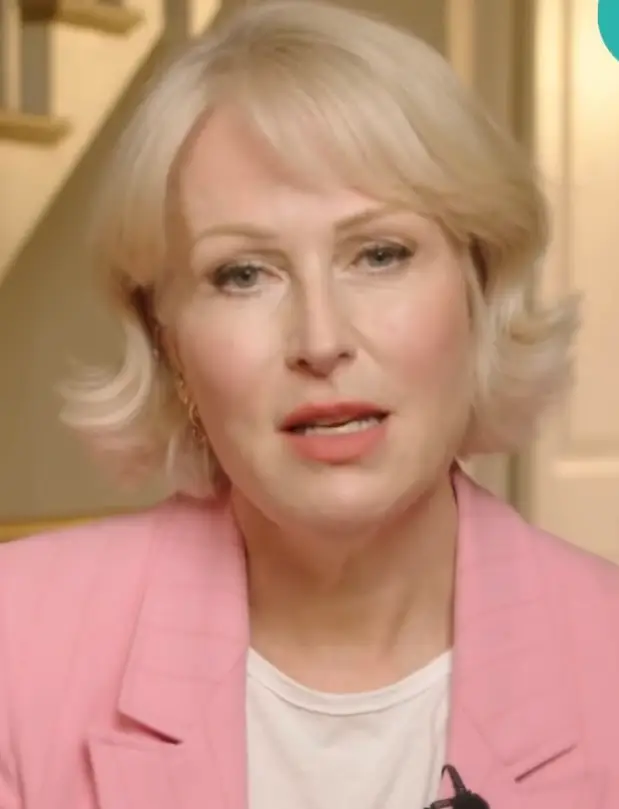
Dr Worley, a neurophysiological psychologist, also said: "We are going to look back and think, did we actually put a chemical cosh on an entire generation of developing minds?"
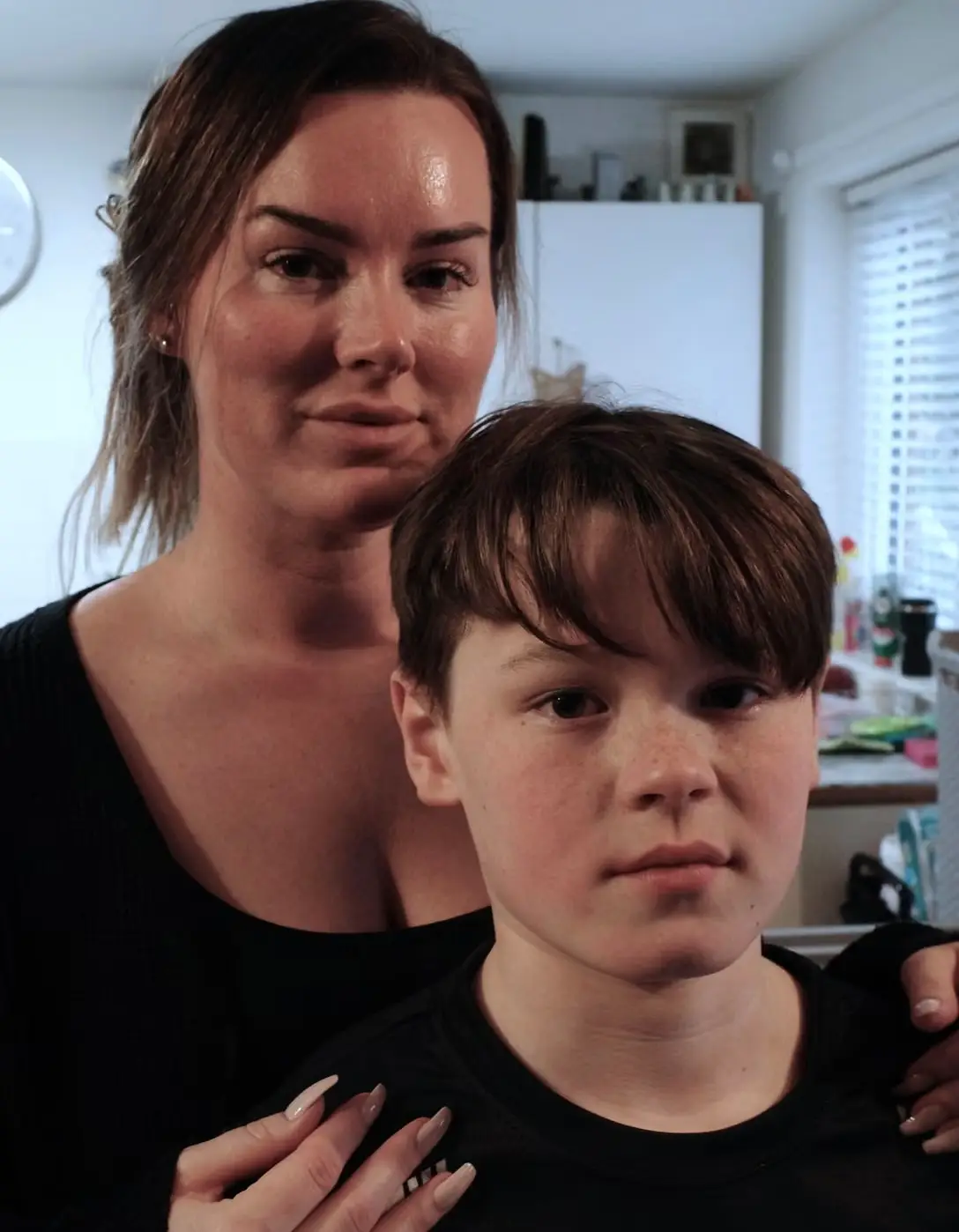
The documentary also follows the journey of a 10-year-old boy, Mason, who stops taking the ADHD medication he had been prescribed for two years, as his mother Shauna would prefer him to develop coping mechanisms for his ADHD symptoms rather than relying on drugs, which she says 'dull his sparkle'.
She explained that when the tablets are wearing off, her son's behaviour completely 'switches'.
"Sometimes, I really don't want to take it," Mason said of the medication. "But I have to, and it works. It takes my fun-ness away."
The schoolboy tells Dr Worley that they also make him feel ‘less energetic’ - and if it was up to him, he would 'not take it again'.
In a bid to get inside the mind of someone diagnosed with ADHD like Mason, while dually investigating how difficult gaining a diagnosis is, Pemberton took part in an online assessment.
Explaining why he signed himself up for a chat with an unidentified consultant psychiatrist which cost a whopping £1,200, the NHS medic said: "I don’t think I’ve got ADHD at all, but I’m interested to see what the process is like."
Viewers then watch Pemberton on an online video call with the expert, who diagnoses him with the 'combined type' of ADHD, citing 'impulsivity, hyperactivity and inattentiveness'.
He then confesses that he 'absolutely, fundamentally' does not agree with the diagnosis.
"The issue here is the way that psychiatry and medicine in general have decided where to draw lines around what is a condition and what is not," Pemberton went on. "What meets the diagnostic criteria and what doesn’t meet the diagnostic criteria. I’m sure if I’d have done that 30 years ago, I’d have been diagnosed with ADHD.
"I’m worried that I wouldn’t have developed all of the strategies that apparently I have put in place simply because people would have said, ‘You’ve got this thing and there is nothing you can do about it, take a medication’. And that horrifies me."
According to Pemberton, the criteria used to diagnose him is 'almost exactly the same' as the one used to diagnose children like Mason with ADHD.
What Dr Pemberton felt like on ADHD meds
In the wake of his £1,200 ADHD assessment, he then went to pick up a prescription of lisdexamfetamine, as he 'wanted to know what it feels like when you take it' and was 'really keen to try' it.
While reeling off the long list of side effects that can come with use of this medication, he adds: "It goes on and on. I would say that all drugs have side effects - however, listening to the types of side effects, it does kind of remind me is really what we’re doing is playing around with these types of tablets, with the chemistry in our brain."
After the medication took effect, Pemberton described how he had been overcome by a 'strange feeling' around an hour after taking it while nipping into a shop.
"I feel like I’m about to do something concerning or worrying, but I’m not, I’m just going to the shops," he said. "Things feel… slowed?
"It’s difficult, because I’m really mindful of how much of this is a placebo, because I’m expecting something to happen."
Detailing other aspects of how he felt, Pemberton continued: "I do not feel stimulated. It feels like, unstimulated. Say if I exist at 10, it feels like I’m 7.5.
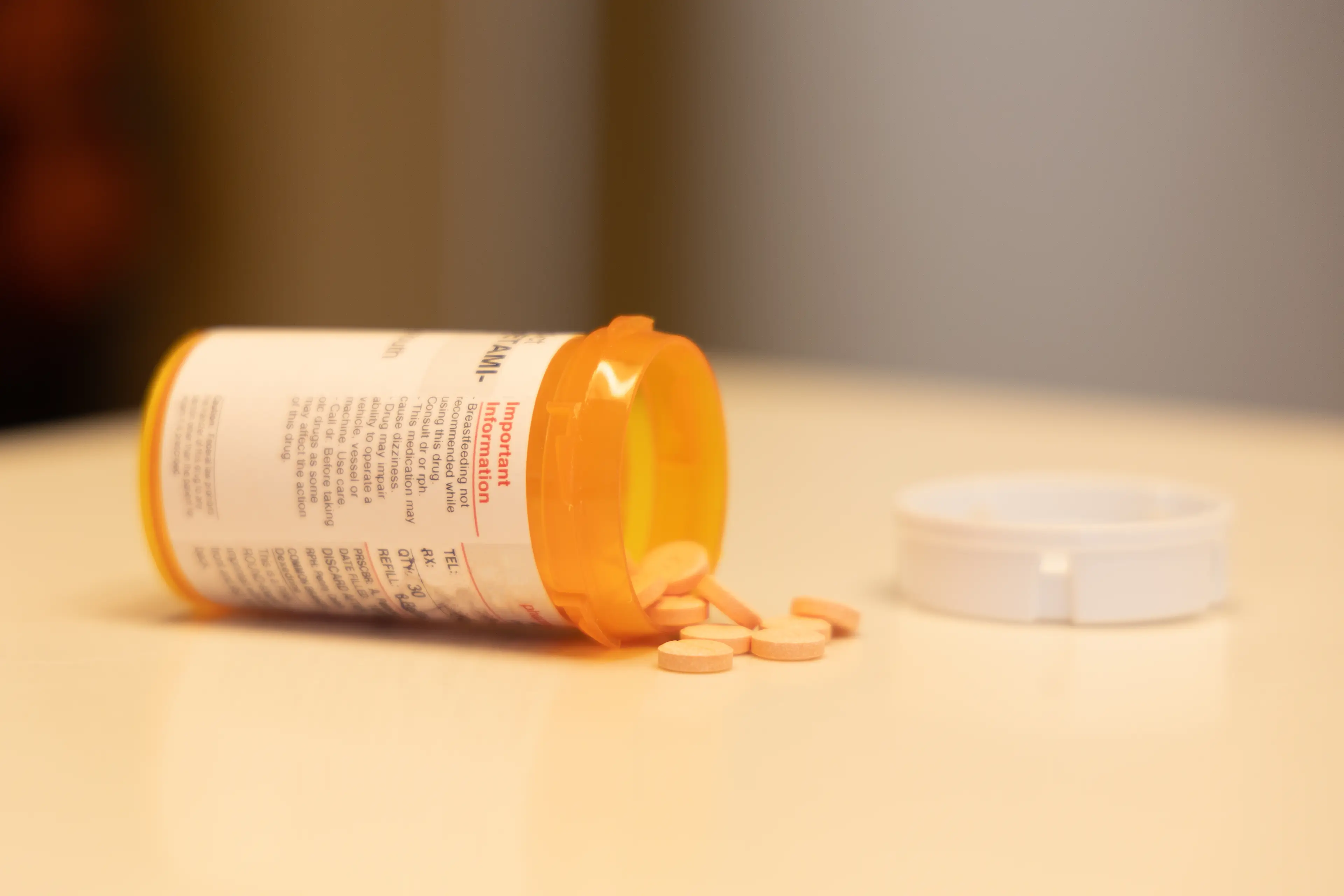
"What you realise is, is that extra couple of points is what makes me, me," he said. "I’ve only felt like this for a short space of time, but I completely understand the stuff that Mason was saying and what his mum was saying.
"I can see how you’d sit quietly in a classroom like this. The fact [the cameraman] is here is quite irritating. I’d sit and get on with something, just be in my own head."
Ultimately, he concluded that making changes in society - such as in the education system and other healthcare avenues - would be much more beneficial for those with ADHD, rather than medication.
UK charity ADHD UK wrote to Channel 4, outlining what they said were their concerns in a letter ahead of the broadcast.
The Great ADHD Myth? is available to watch and stream on Channel 4 at 8pm on Tuesday (18 August).
 Olivia Burke