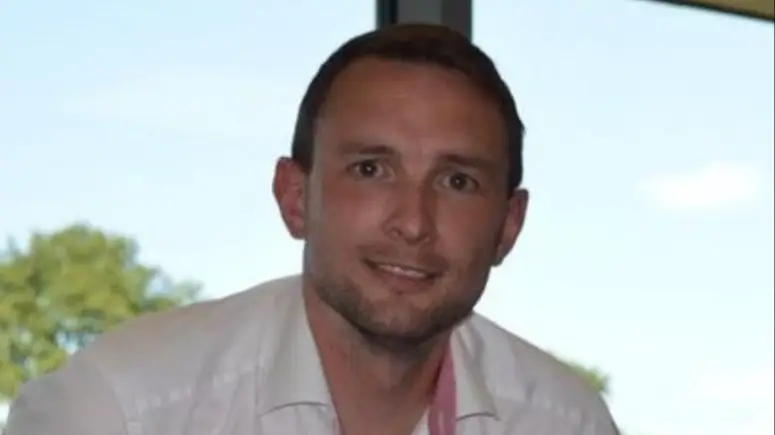
Key warning signs of ‘sudden adult death syndrome’ after Mark Hughes’ son dies aged 38

A condition which kills around 500 adults in the UK each year and suddenly claimed the life of football legend Mark Hughes' son could have key warning signs, according to scientists.
Alex Hughes, 38, was Grimsby Town’s player recruitment lead, having previously held roles at clubs including Manchester City, Fulham, Blackburn and 1860 Munich.
An inquest heard how the much-loved dad died from 'sudden adult death syndrome' after his sons found him lying unresponsive in his bedroom at the Macclesfield home on 19 June.
Emergency services raced to the scene, but despite resuscitation efforts, Alex's death was confirmed by paramedics shortly afterwards.
Advert
Following a post-mortem examination, his death was attributed to 'sudden adult death syndrome' also known as Sudden Arrhythmic Death Syndrome (SADS). Also called an 'invisible killer', the condition can strike at any age.
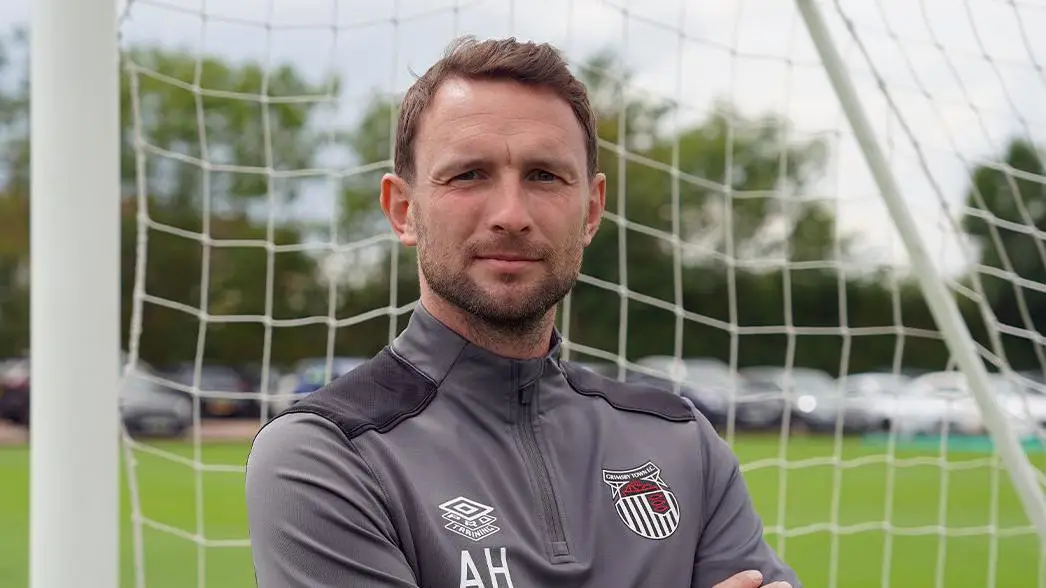
SADS is diagnosed when the cause of death cannot be explained in a post-mortem examination because the structure of the heart appears normal.
It affects around 500 people in the UK every year and the British Heart Foundation said SADS 'usually happens when a dangerously abnormal heart rhythm goes untreated and leads to a cardiac arrest'.
In Alex's case, it was revealed he died after he had collapsed onto the floor of his bedroom. An inquest heard that a doctor found ‘no significant results’, with no signs of alcohol or drugs in the dad's system at the time of death.
Former striker and football legend Mark Hughes said he and his family were 'heartbroken' following the sudden death of his son. The former Manchester City, Stoke and Blackburn boss said: “Jill and I are totally heartbroken by the sudden and unexpected loss of our beloved son Alex.
“Alex was a wonderful son, brother to Curtis and Xenna, devoted husband and father to Jessica and their two beautiful children Sebastian and Leonardo. Alex was player recruitment lead at Grimsby Town FC, and had many good friends and colleagues. He will be so deeply missed by us all.”

Warning signs of sudden condition
There are a number of possible symptoms and key warning signs. SADS usually happens when a dangerously abnormal heart rhythm, called an arrhythmia, isn't treated.
An arrhythmia usually causes the heart to beat too fast, too slow or irregularly. It's usually caused by a heart condition that affects the heart’s electrical system.

SADS is diagnosed when the cause of death can’t be explained in a post-mortem examination because the structure of the heart appears normal.
Last year, scientists identified four key warning signs that commonly appear in the days before SADS.
According to the European Society of Cardiology, Dr Matilda Frisk Torell of Sahlgrenska Academy at University of Gothenburg in Sweden, said: “SADS has not been well evaluated despite being one of the most common underlying causes of sudden cardiac death in young people, including young athletes.
“We conducted an analysis of a large cohort of cases of sudden cardiac death in Sweden to describe the incidence of SADS and to characterise frequent findings that occurred before death to highlight opportunities for prevention.”

In the study, researchers assessed 903 cases of sudden cardiac deaths that occurred in young people aged between 36 and one between 2010 and 2000. SADS was identified as the cause of 22 percent of these.
The study revealed that just over half, at 52 percent, of the people who passed away from SADS experienced symptoms beforehand. The main four included palpitations, fainting, nausea and vomiting, and signs relating to suffering from an infection.
Dr Frisk Torell continued: “With increased knowledge of the signs and symptoms that may precede SADS, such as [fainting], seizure-like episodes and pre-excitation, we may be able to identify young people at risk during healthcare visits.
“Our results also highlight the need for further study of psychiatric disease and treatment as risk factors for SADS and the potential for gastrointestinal symptoms and infectious diseases to act as triggers in predisposed individuals.”
If these signs aren't spotted, some heart conditions that can lead to SADS can be identified by mutations in specific genes.
Testing family members can give you a better idea of whether you have an inherited heart condition or are at risk of developing one.
 James Holt