Son of football legend Mark Hughes died of ‘sudden adult death syndrome’

An inquest has heard Alex Hughes, the son of football legend Mark Hughes, passed away from 'sudden adult death syndrome', a little-understood heart condition.
The 38-year-old and dad-of-two from Wrexham, in Wales, had collapsed at his home in Cheshire before paramedics desperately attempted CPR.
He had been tragically discovered by his two sons unresponsive on the floor of his bedroom on 19 June this year, and was sadly pronounced dead in the early hours of the morning.
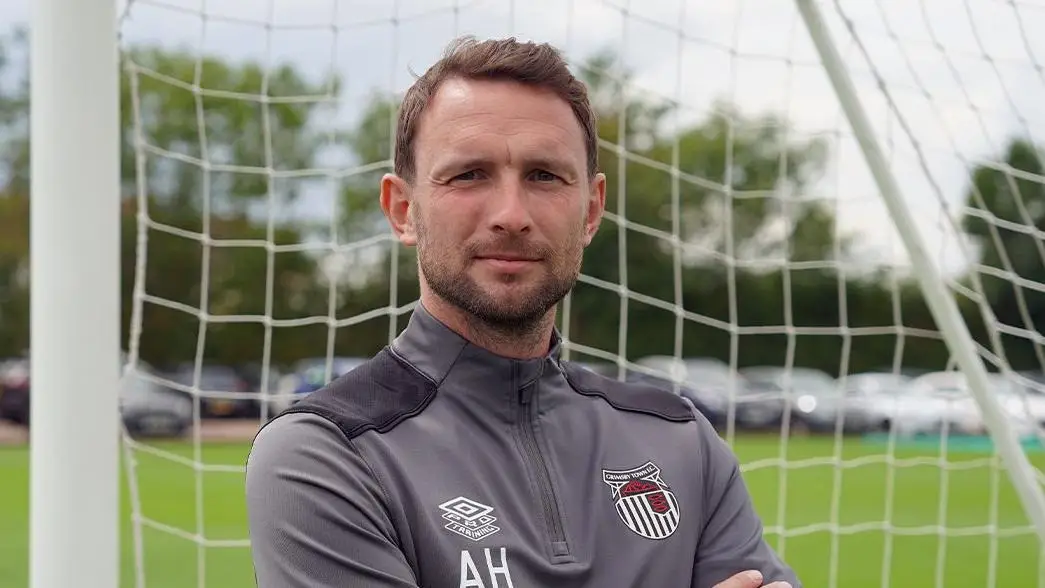
Hughes worked as Grimsby Town FC’s player recruitment lead, and had previously been at other major UK clubs including Blackburn and Manchester City, according to a statement issued by the club.
Advert
Following his death, Grimsby Town said the loss was 'sudden and unexpected'. "Alex was a devoted husband, proud father, beloved son, brother and friend, and a highly valued member of the Grimsby Town family," a statement at the time read.
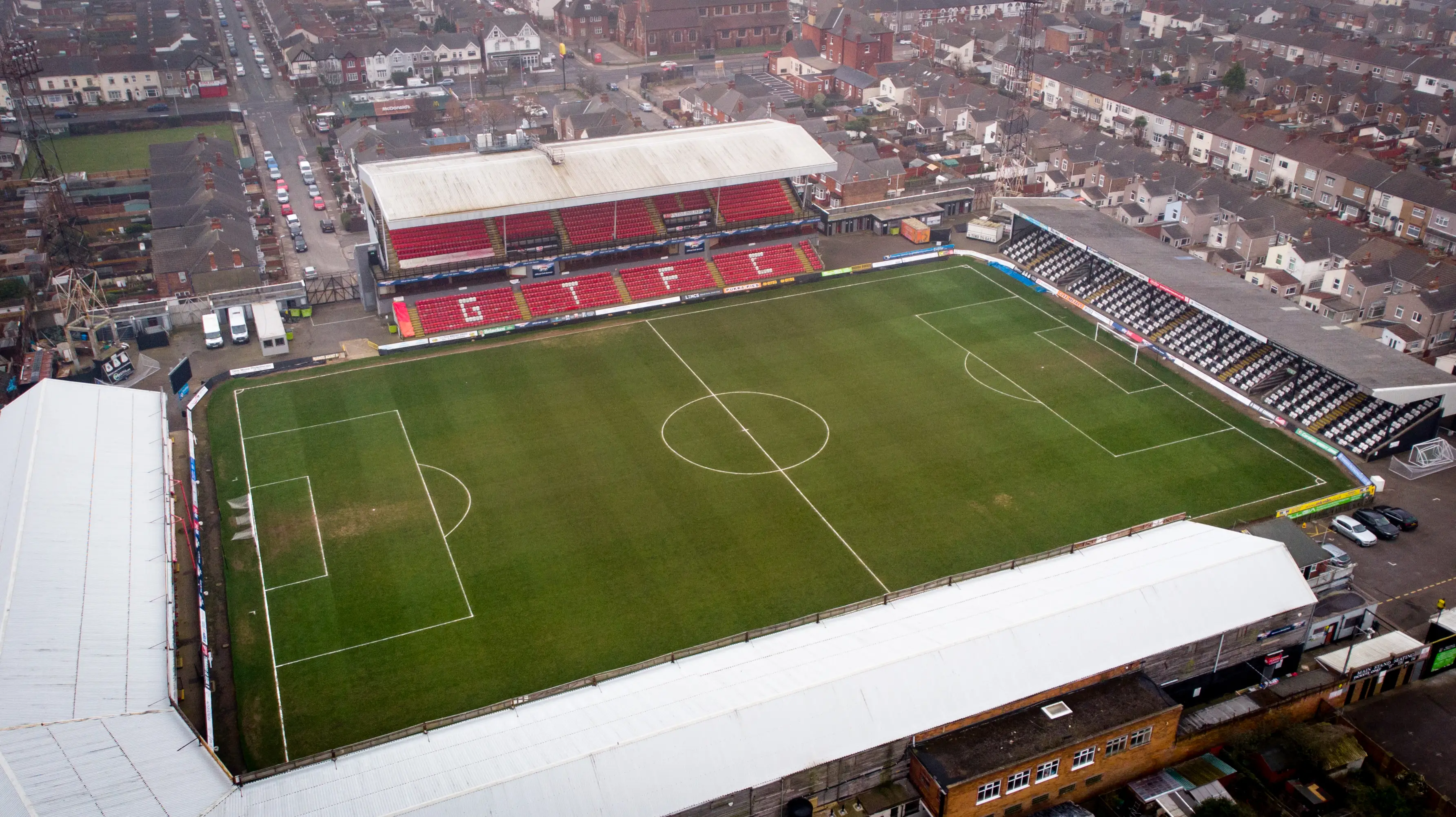
"Prior to joining Grimsby Town, Alex built an extensive career in football spanning performance analysis, recruitment and player representation. His experience included roles with Blackburn Rovers, Manchester City, Fulham, AFC Fylde and Morecambe, earning a reputation as a dedicated professional with an outstanding knowledge of the game.
"Beyond his professional achievements, Alex was deeply valued by those who knew him. His warmth, professionalism and positive personality made a lasting impression throughout the football club and the wider football community."
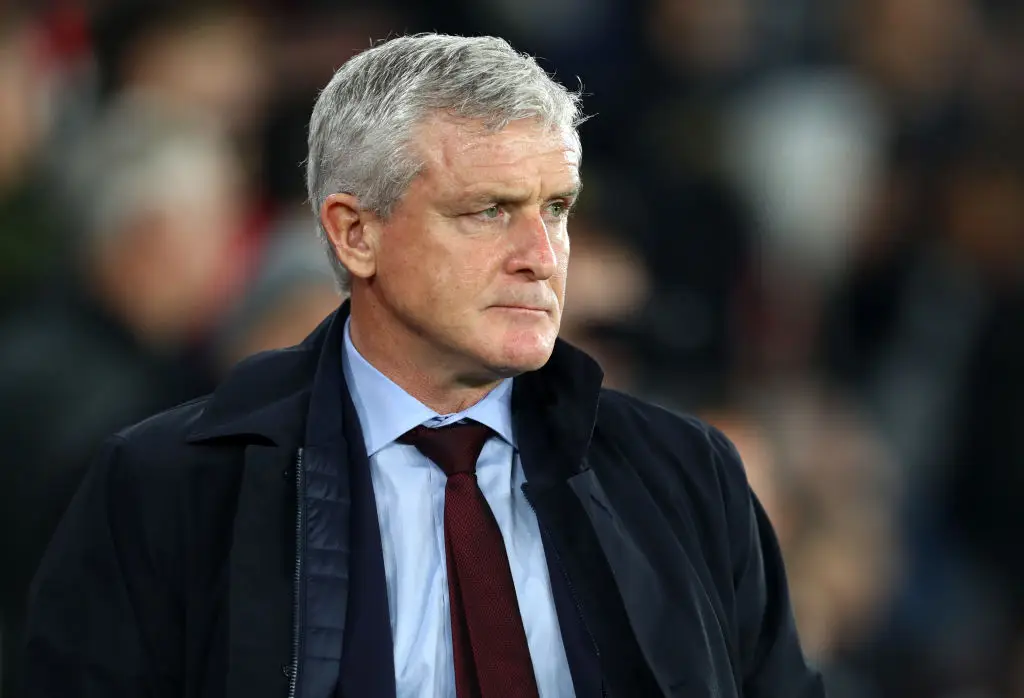
Alex was one of Mark Hughes' three children. The legend from Wales was a football manager and former player who had spells at Manchester United, while also playing for Barcelona, Chelsea, Southampton, Everton and Blackburn Rovers.
Hundreds turned out to Alex's funeral last month, including other legends from the football realm including Sir Alex Ferguson, Mike Phelan, Martin Edwards, Bryan Robson and Ryan Giggs.
As per the News & Star, Hughes had been found unresponsive in his bedroom at around 4am. His sons Sebastian and Leonardo had attempted CPR to revive him before paramedics arrived on scene.
The inquest heard that a doctor found ‘no significant results’, with no signs of alcohol or drugs in the dad's system at the time of death.
His cause of death was noted as an unexpected cardiac death as a result of sudden adult death syndrome, also known as sudden arrhythmic death syndrome. It was concluded that this was due to natural causes.
Tributes paid to Alex after 'heartbreaking' death
In a statement issued on behalf of the League Managers Association in June, his dad Mark Hughes spoke of the family's grief. He said: "Jill and I are totally heartbroken by the sudden and unexpected loss of our beloved son Alex.
"Alex was a wonderful son, brother to Curtis and Xenna, devoted husband and father to Jessica and their two beautiful children Sebastian and Leonardo.
"Alex was Player Recruitment Lead at Grimsby Town FC, and had many good friends and colleagues. He will be so deeply missed by us all."
Meanwhile, Polly Bancroft, CEO of the football club, added: “Alex was a much-loved and highly respected member of the Grimsby Town family. His professionalism, dedication and warmth made a lasting impact on everyone who worked with him.
"I thoroughly enjoyed working alongside Alex and will remember him not only as an outstanding colleague, but as a genuinely kind person who had a positive effect on those around him. He will be greatly missed across the Club and beyond.”
What is adult sudden death syndrome?
According to the British Heart Foundation, sudden arrhythmic death syndrome, also known as SADS, is when someone dies suddenly after a cardiac arrest with no obvious reason for it.
This is when someone's heart suddenly stops pumping blood around the body, meaning the patient stops breathing and the brain is starved of oxygen. Currently, it affects around 500 people in the UK every year and is the most frequent cause of death in individuals under the age of 35.
The charity says that it usually happens when a dangerously abnormal heart rhythm goes untreated and leads to a cardiac arrest. The abnormal heart rhythms, called arrhythmias, are not all dangerous, but usually cause the heart to beat too slow, too fast or irregularly.
 James Holt