
Biohacker gives truth about health supplements and mistakes to avoid to ensure they actually work

Estimated to be worth hundreds of billions, the global supplement industry is one of the most lucrative in the world.
Whether it's a general multivitamin for your health, Omega-3 fish oils, vitamin D or creatine to enhance workouts, you'll be hard-pressed to find someone who isn't supplementing their diet in some way.
But how do you know if you're getting the benefits advertised on the bottle?
This is why longevity expert Gary Brecka advises doing your research and reading the listed ingredients before heading down to your nearest health food store and stocking up on the latest trending vitamins.
Advert
"The front [of the bottle] tells you what's in it," Brecka, who has spent the last two decades analysing mortality data, told LADbible.
"The back tells you what form it's in, and the form is what decides whether your body can actually use it."

Guidelines from the NHS recommend that everyone in the UK take a vitamin D supplement to combat the lack of sunlight in Northern Europe, while vegetarians and vegans are advised to take tailored supplements which target the deficiencies caused by a lack of animal products in the diet.
"Vitamins and minerals come in different forms. Some are ready for your body to use as they are; others have to be converted first, and how well you make that conversion varies from person to person," he explained. "So two people can take the same dose and get very different amounts into their cells. Same label, different result."
How to get the most out of your supplements
When it comes to maximising the effectiveness of your vitamins, Brecka urges people to look for the 'active, bioavailable forms' of a supplement, which means that your body is getting maximum absorption.
Examples which Brecka suggests to look for include methylfolate (B9), methylcobalamin (B12) and chelated minerals. "You're not paying for a bigger number on the label, you're paying for what actually reaches the cell," he added.
"The lesson isn't any one ingredient. It's that the form determines the outcome. Read the back."
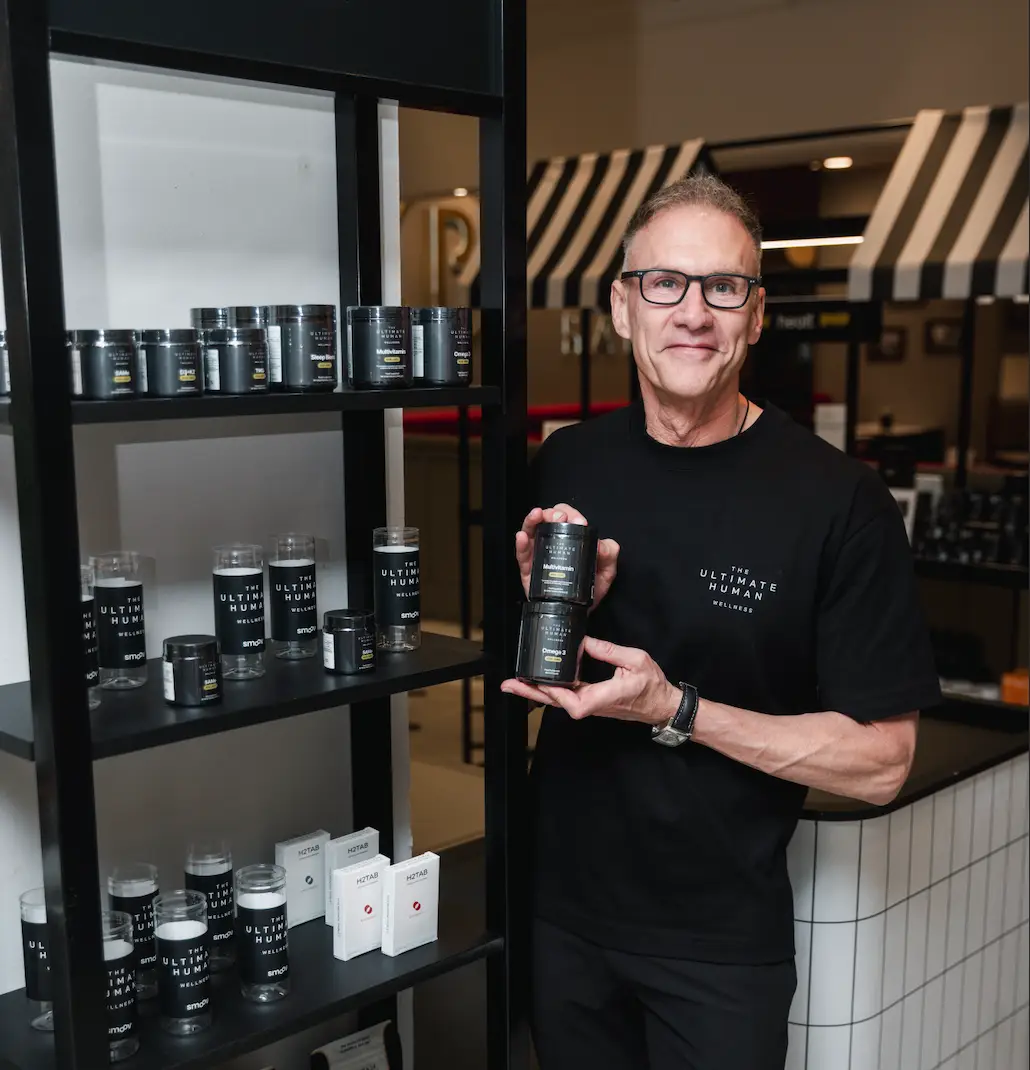
When it comes to ingredients to avoid, Brecka says to be wary of artificial dyes and cheap fillers used to 'bulk out' the product or anything which is listed as a 'proprietary blend', which is a term that companies use to get around disclosing the exact ingredients used.
He also suggests getting your bloods checked out rather than just guessing or taking whatever vitamins are popular. "Look at your vitamin D, your B12, your ferritin, your inflammatory markers," he added. "Most people are walking around with a deficiency they've had for a decade and they've been told it's stress."
"You cannot supplement your way out of that."
Brecka is also cautious about people trying to supplement their way to better health before making the fundamental lifestyle changes.
In recent months nicotinamide mononucleotide (NMN) supplements have gained traction online as a molecule which can boost your NAD+, an enzyme linked to cellular repair and healthy ageing.
Should NMNs be able to combat age-related health decline as advertised it's likely to be a gamechanger for the supplement world, but Brecka urges people to take care of the basics before adding the molecule to your diet.
"I meet people spending a fortune every month on longevity compounds who are sleeping six hours, mouth-breathing all night and eating ultra-processed food three times a day," he said.
"You cannot supplement your way out of that. Fix the deficiencies, fix the lifestyle, and then the exotic stuff has something to work with."
Topics: Health
 Brenna Cooper