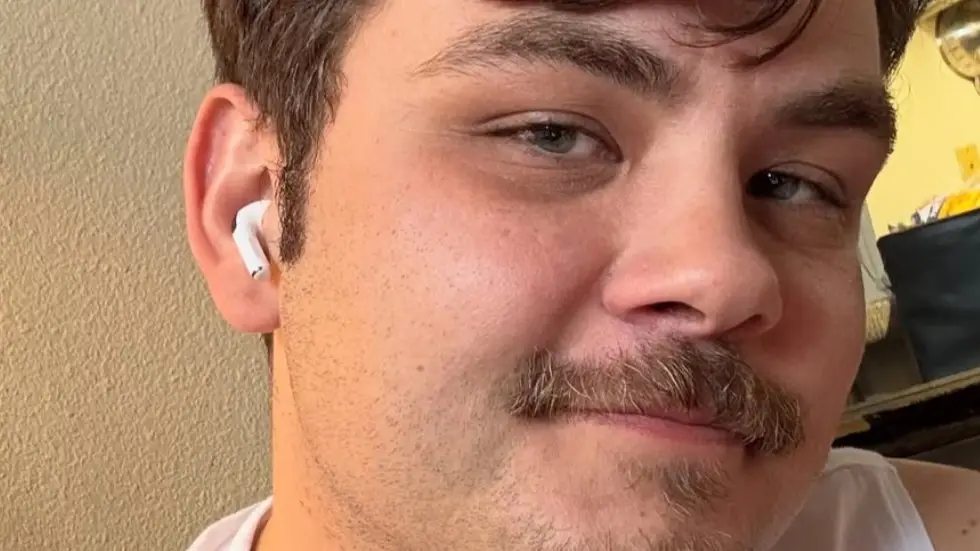
Man shares how fizzy drinks triggered cancer symptom

A man diagnosed with stage three thyroid cancer says his main symptom first appeared when he drank certain drinks.
John Beck, 33, received the stark news in the summer of 2021, two years after he started hiccuping relentlessly - which eventually left him struggling to eat, sleep and function.
He explained that he first noticed them creeping in each time he consumed beverages which a doctor previously dubbed 'liquid death'.
John, from California, said that his hiccups first started to take hold after he would consume fizzy drinks.
Advert
Cardiovascular surgeon Dr Jeremy London previously urged people to steer clear of these, as they have a high sugar content and often contain nasty chemicals that don't do your health any good.
John said that eating soon began triggering his hiccups too and explained that dealing with them incessantly soon became unbearable.
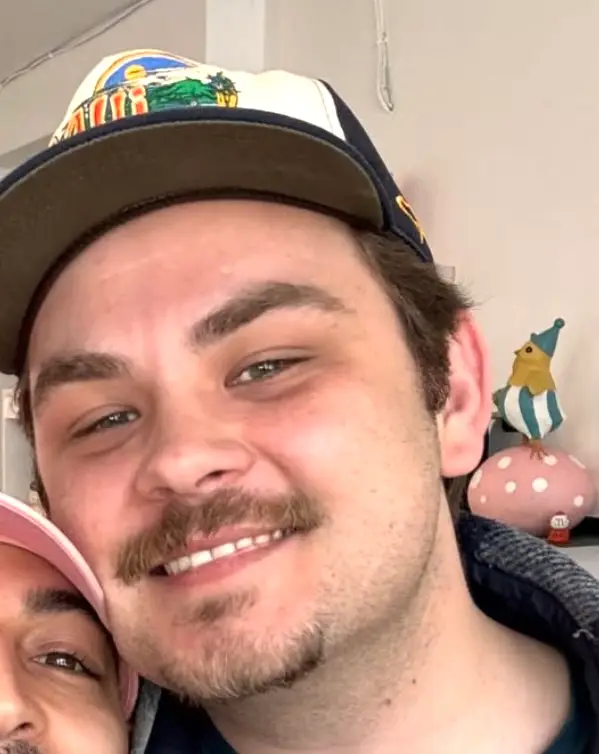
"They progressively got more aggressive," he told the Daily Mail. "Eventually, I would just sit there for an hour and hiccup and hiccup and hiccup.
"It gets to the point where you're frustrated and you just decide, I'm not going to eat anything."
He explained that he tried every supposed remedy - such as holding his breath and drinking water upside down - to get rid of his hiccups, but had no joy.
According to the NHS, there is 'often no obvious reason why you get hiccups', although known triggers include stress, eating, drinking and experiencing strong emotions such as excitement.
"In rare cases, hiccups that last longer than 48 hours can be due to a medical condition or a medicine you're taking," it adds.
Hiccups are uncontrollable, repeated spasms or sudden movements of the diaphragm - which is a muscle that helps us breathe while separating our chest and stomach. When it spasms, our vocal cords close suddenly, which makes the 'hic' sound.

John finally discussed the debilitating symptom with his doctor in late 2020, but admitted he found it 'pretty embarrassing' to book the appointment as it 'felt like he was getting giggled at'.
He explained he was informed his hiccups were likely the result of an issue in the upper part of the digestive system, while it was recommended that he 'tried antacids'. These neutralise the acid in your stomach to relieve indigestion and heartburn, but John found they did little to ease his constant hiccups.
The American visited another doctor a few months later when his hiccups continued to worsen, leaving him struggling to swallow and eat. This GP is said to have told him a gastrointestinal issue was probably the source of them.
But the third and final doctor he visited decided to conduct a deeper investigation into why John was plagued by hiccups, so ordered him to undergo tests and scans.

He was subsequently informed that they had been a symptom of stage three thyroid cancer, which had begun to spread. Tumours can lean upon the nerves and surrounding tissues close to the diaphragm, triggering hiccups.
John recalled how other symptoms that he initially brushed off included fatigue, brain fog, discomfort in his throat, and fluctuating weight.
He later underwent two operations to remove his thyroid and confirm whether the cancer had spread, followed by radiation treatment.
He now goes for annual check-ups to ensure he is still on the mend - but is thankfully hiccup-free.
Urging others to take their symptoms seriously, John added: "You know your body better than anybody else. Don't brush anything off."
He previously launched a GoFundMe to raise funds for his medical expenses, which hit its target of $15,000.
Do fizzy drinks cause thyroid cancer?

Some studies have suggested a link between fizzy drinks and thyroid cancer. A 2021 study of more than 450,000 adults found a link between drinking both sugary and artificially sweetened drinks and an increased risk of thyroid cancer.
A 2020 study of 100 people specifically looking at artificially sweetened (often marketed as diet or zero-sugar) drinks found that people who consumed around four grams per day of artificial sweeteners for five years had a 'statistically significant' association with an increased risk of well-differentiated thyroid cancer, which accounts for 90 percent of thyroid cancer cases.
However, Cancer Research UK says that artificial sweeteners are 'unlikely to cause cancer' while sugar 'doesn't directly cause cancer' either.
Symptoms of thyroid cancer

According to the NHS, warning signs of thyroid cancer include:
- a lump in the front, lower part of your neck that feels hard, slowly gets bigger and is not painful
- a hoarse voice
- a sore throat
- difficulty swallowing or breathing
- pain in the front of your neck, or a feeling like something is pressing against your neck
- a red face (flushing)
- softer poos or diarrhoea
- weight loss
- a cough
Topics: Cancer, Health, Food And Drink, US News
 Olivia Burke