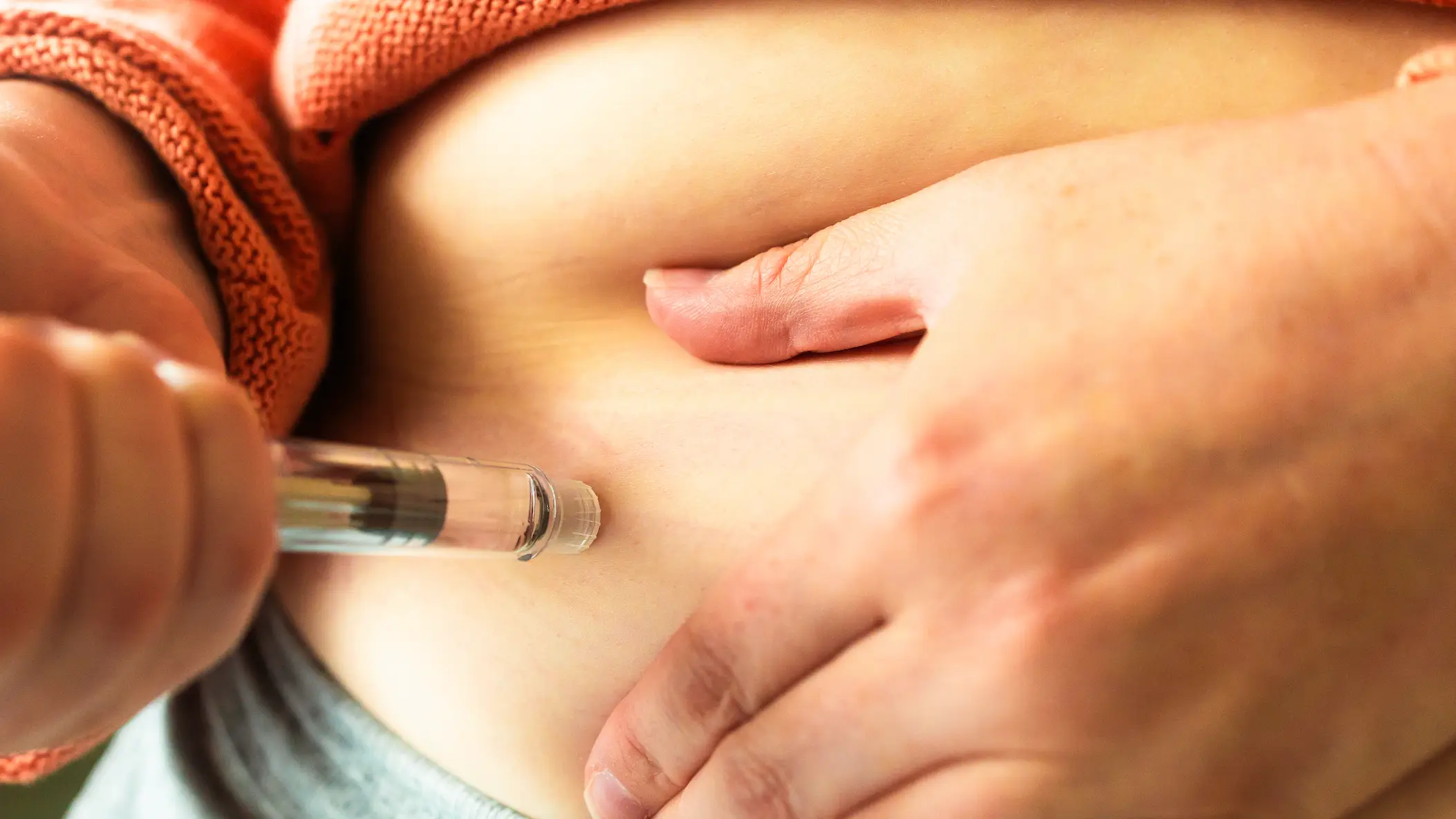
Cambridge professor warns over ‘unexpected Ozempic babies’ due to side effect

According to experts, we should get ready to expect a baby boom thanks to the rise in popularity of weight loss drugs.
GLP-1 weight-loss and diabetes drugs have become the holy grail for those who struggled to manage their weight, blood sugars and appetite for years.
When nothing else seemed to work, a handful of options began to pop onto the market and what was once a luxury for celebrities, soon found its way to the public domain.
Now, anyone who meets the criteria for weight loss drugs can be prescribed some.
Advert
But that doesn't mean the drugs didn't come with their own set of challenges – after all, they aren't miracle drugs.
From effects nicknamed 'Ozempic face' and 'Ozempic mouth', some drugs have been reported as being able to change people's appearance as well as some more nasty effect.
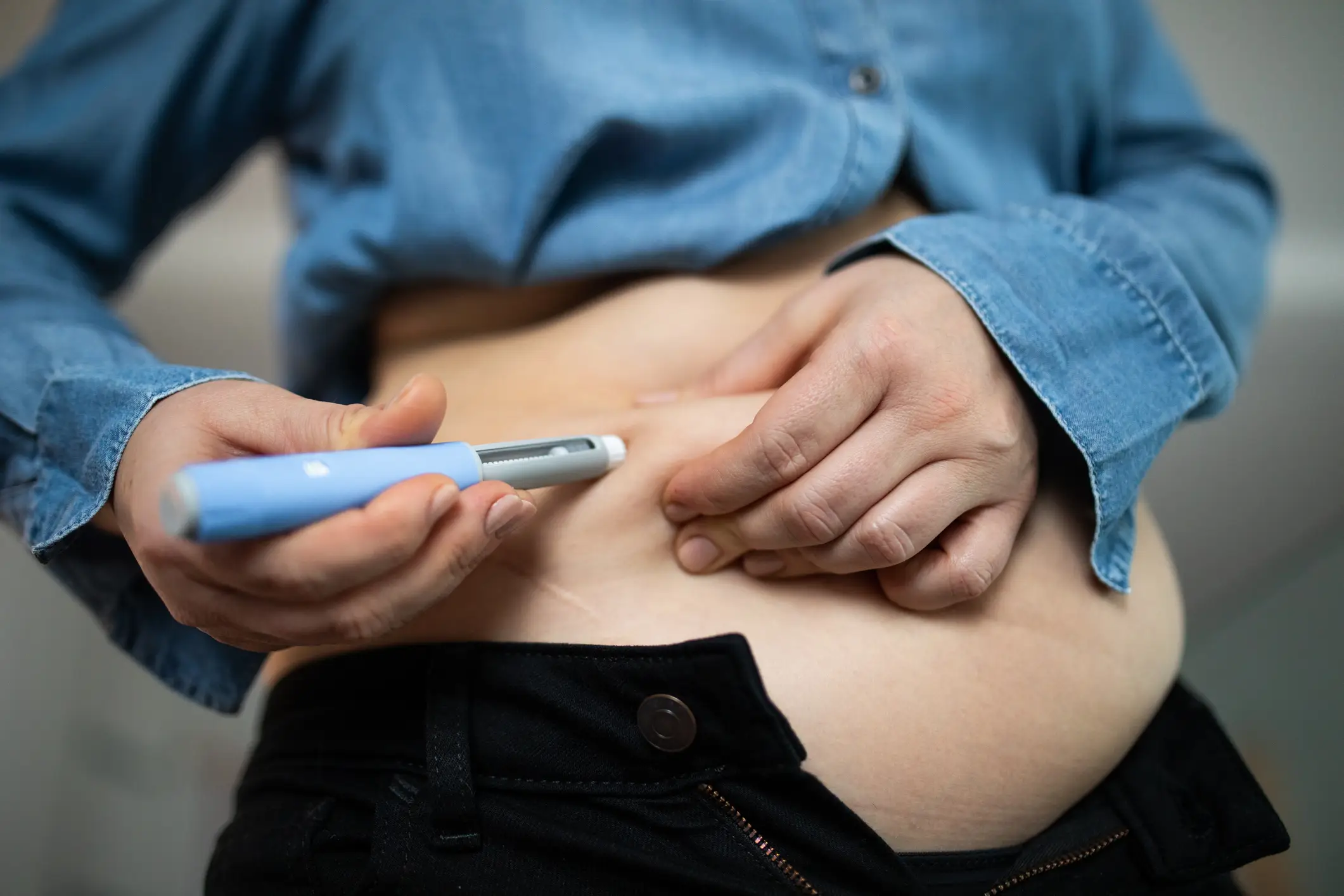
For instance, The most common side effects of a lot of weight loss drugs may include: nausea, diarrhoea, stomach pain, vomiting, and constipation.
But now, apparently there's the chance of getting pregnant.
That's because scientists are toying with the idea that the drugs could weaken the efficacy of certain medications.
This is because the drugs can slow your stomach from emptying, which gives you that feeling of being fuller for longer – preventing you from being snackish soon after a meal.
But what that does is also slow down the absorption of medications into your bloodstream.
Professor Giles Yeo, a scientist of appetite hormones and metabolism at the University of Cambridge, said per Science Focus: “The role of these gut hormones is to regulate the flow of food between here [points to his mouth] and here. That can be, for example, the speed at which food is released from the stomach.”
When it comes to meds that need to be taken at a set time each day to maximise effectiveness, like those to regulate hormone cycles, such as contraception or HRT, it matters a lot if things slow down.

According to a 2024 study, GLP-1 drugs impacted the absorption times of important medications like blood thinners, statins and some contraceptive pills.
Yeo said this can 'mess things up spatially and temporally where these drugs are delivered.'
He said: “The hormone needs to be delivered at the right place, at the right time – crucially – to have the maximum effect.”
So, while it won't stop the pill from working, it might stop it from being as effective.
“In other words, you’re not going to suddenly become pregnant, but if millions of people are taking it, and millions of women are on oral contraception, you’re going to get a lot of unexpected babies,” Yeo explained.
Because of this, the UK government has suggested women use condoms if they are taking weight-loss medications, so they are less likely to conceive the ‘Ozempic babies’.
Obviously, more research is needed to link this theory, but there have been documented cases of people falling pregnant after taking weight-loss drugs.
For example, a Florida woman named Kortney, got pregnant after having been trying for a baby since 2018.
At 225lbs (102kg), Kortney felt she needed to take drastic action to lose weight and boost her chances of having a baby, and after turning to weight-loss drugs, managed to do so.
She went on to have a healthy little baby soon after.
LADbible reached out to Novo Nordisk for comment.
 Britt Jones