
ladbible homepage
ladbible homepage
  • Home
  • News
    • UK
    • US
    • World
    • Ireland
    • Australia
    • Science
    • Crime
    • Weather
  • Entertainment
    • Celebrity
    • TV
    • Film
    • Music
    • Gaming
    • Netflix
    • Disney
  • Sport
  • Technology
  • Travel
  • Lifestyle
  • Money
  • Originals
    • FFS PRODUCTIONS
    • Say Maaate to a Mate
    • Daily Ladness
    • UOKM8?
    • FreeToBe
    • Citizen Reef
  • Videos
  • Advertise
  • Terms
  • Privacy & Cookies
  • License Our Content
  • About Us & Contact
  • Jobs
  • Latest
  • Archive
  • Topics A-Z
  • Authors
Facebook
Instagram
X
Threads
Snapchat
TikTok
YouTube
Submit Your Content Here
  • GAMINGbible
  • LADbible Group
  • UNILAD
  • SPORTbible
  • Tyla
  • FOODbible
  • UNILAD Tech
Doctor explains people who never get dementia make the same decision within 30 minutes of waking up
Home>Lifestyle
Updated 16:06 6 Jul 2026 GMT+1Published 13:49 30 Jun 2026 GMT+1

Doctor explains people who never get dementia make the same decision within 30 minutes of waking up

You should do it before you drink your morning coffee or check your phone

Dan Seddon

Dan Seddon

google discoverFollow us on Google Discover

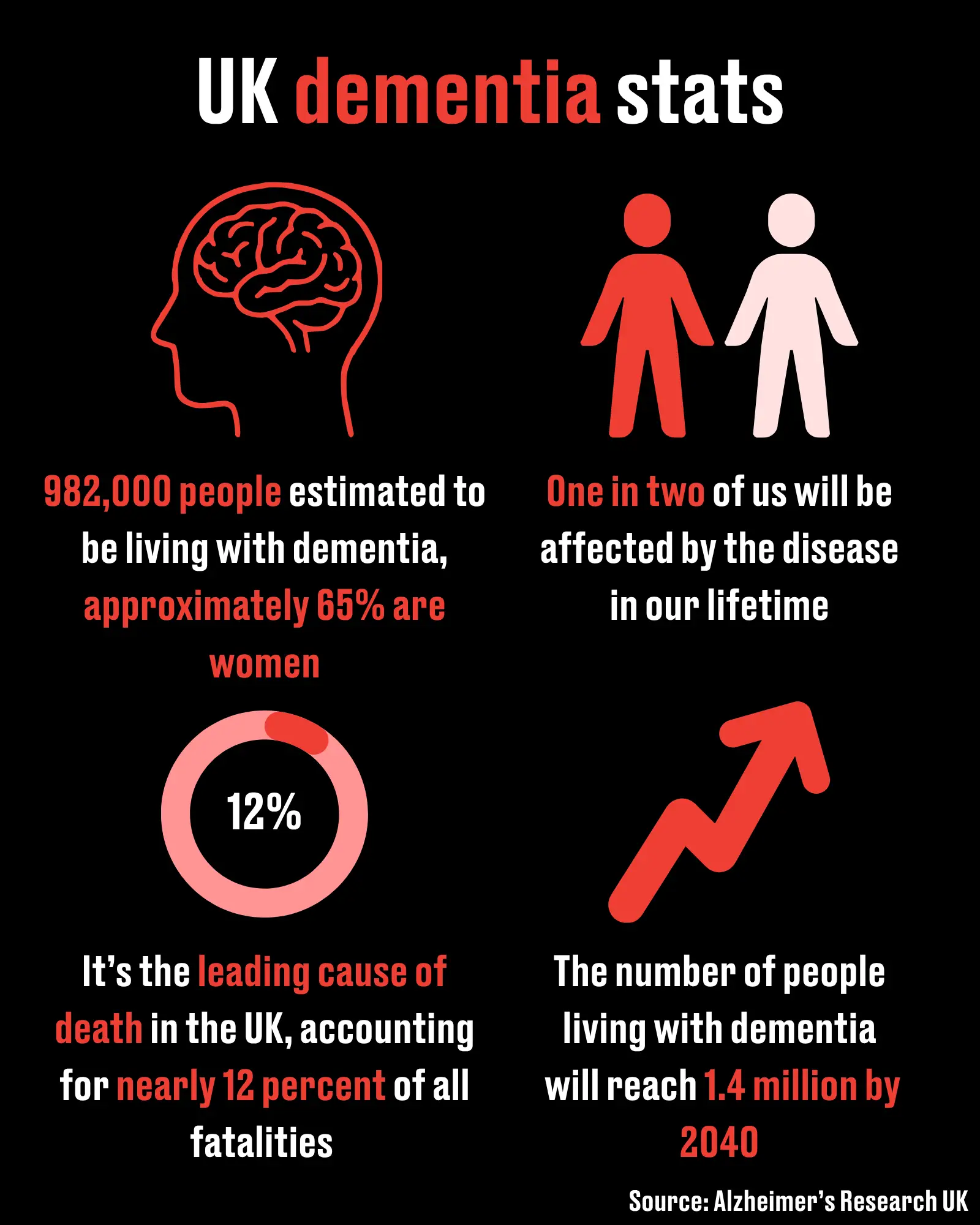
Dementia rates could potentially reduce across the globe if people start adopting a new morning routine, according to one doctor.

Drawing upon neurological experiment statistics, YouTube content creator Dr Neal K. Shah has explained in a video that nonagenarians (people in their 90s) who remain 'cognitively sharp' all boast the same approach to waking up every day.

Here's what Dr Shah began his life-extending monologue: "Neurologists studied people who stayed cognitively sharp into their 90s and they kept finding the same thing in their morning routine. But first, you need to understand what happens to your brain at night."

While we're sleeping, the human brain completes a full cleaning cycle every night, washing away the very toxic proteins that accumulate in Alzheimer's patients.

Advert

Dr Neal K. Shah wants everybody to stare at the sun to retain their cognitive sharpness way into their winter years (YouTube/@nealkshah)

"Here's what most people don't know: the quality of tonight's cleaning cycle is determined by what you do tomorrow morning," the doctor continued in his piece to camera.

"Within the first 30 minutes of waking, most people grab their phone, scroll, and in doing so they accidentally sabotage the most protective thing in their ageing brain.

"Your brain has a master clock, one specific trigger sets it every morning. Get it right and tonight's sleep is deep and restorative, get it wrong for years and the proteins will start building up. This habit is free, it takes 10 minutes and almost nobody does it deliberately."

So what exactly is he talking about here? Sunlight straight into the eyeballs, without melting the retinas and blinding yourself forever of course...

"Within the first 30 minutes of waking, before any screens, even before coffee, before anything. That one decision sets your cortisol levels, your melatonin and your brain's overnight cleaning cycle."

What does research say about sunlight, vitamin D and dementia?

Staring into direct sunlight first thing in the morning can do wonders for neurological health (Deng Daoli/VCG via Getty Images)

Research backs up what Dr Shah is saying, but with one important caveat.

A 2022 study of 362,094 UK Biobank participants found that people who spent two hours outside in the summer and one hour outside in the winter had the lowest risk of dementia.

The results had a 'J-shaped' association though, which means that too much as well as too little sunlight could increase the risk of dementia.

Vitamin D deficiency, however, is highly likely to increase the risk of dementia.
(LADbible)
(LADbible)

A 2014 study by the University of Exeter of 1,658 Americans found people with a severe Vitamin D deficiency were twice as likely to get dementia, while people with a moderate deficiency were 53 percent more likely to develop the disease.

Other sources of Vitamin D aside from sunlight include oily fish, red meat and egg yolks.

Common early symptoms of dementia

According to the NHS, the first signs of dementia often include:

  • mood changes
  • struggling to find the right word in a conversation
  • being confused about time and place
  • difficulty concentrating
  • finding daily tasks harder
  • memory loss
Featured Image Credit: Getty Images

Topics: Health, YouTube, Science

Dan Seddon
Dan Seddon

Recommended reads

Doctor's warning over popular Nee Doh Cubes and their 'serious risk' to childrenSmythsExact date England would be given extra bank holiday as supercomputer predicts World Cup winnersMarvin Ibo Guengoer - GES Sportfoto/Getty ImagesSam Neill's cause of death reported as pneumonia as ex reveals he was 'pretty sick'Borja B. Hojas/Getty ImagesHow much council tax every homeowner in Britain will have to pay under Andy Burnham’s planDan Kitwood/Getty Images

Advert

Choose your content:

3 hours ago
a day ago
2 days ago
  • Facebook
    3 hours ago

    Man who was 'sucked out' of broken window on Ryanair plane 'unable to speak' due to injuries

    Ljubiša Karović's wife clung to his legs after he was pulled out the window, saying: "If we die, we die together"

    Lifestyle
  • SWNS
    a day ago

    Man shares update after £20,000 leg lengthening surgery that 'snapped' his bones

    The man grew four inches after spending £20,000 for the operation in Turkey

    Lifestyle
  • Getty Images
    a day ago

    Scientists warn swapping sugar for 'healthier' alternative still comes with an unexpected risk

    Turns out that sugar alternatives like sweeteners aren't as healthy as they're marketed to be

    Lifestyle
  • Lal Hardy
    2 days ago

    Tattoo artist who has inked 100 footballers names the 'worst thing' that's happened to tattooing

    Lal Hardy has enjoyed a 47-year career as a tattoo artist

    Lifestyle
  • I lost the charger for this smartwatch for days and it still didn't die: Huawei Watch Fit 5 Pro review
  • Doctor explains exactly what happens to your bones when you crack your knuckles
  • Surgeon explains why you should never hold your head back when you get a nosebleed
  • Doctor warns waking up at 3am every night ‘not normal’ and you could need medical attention