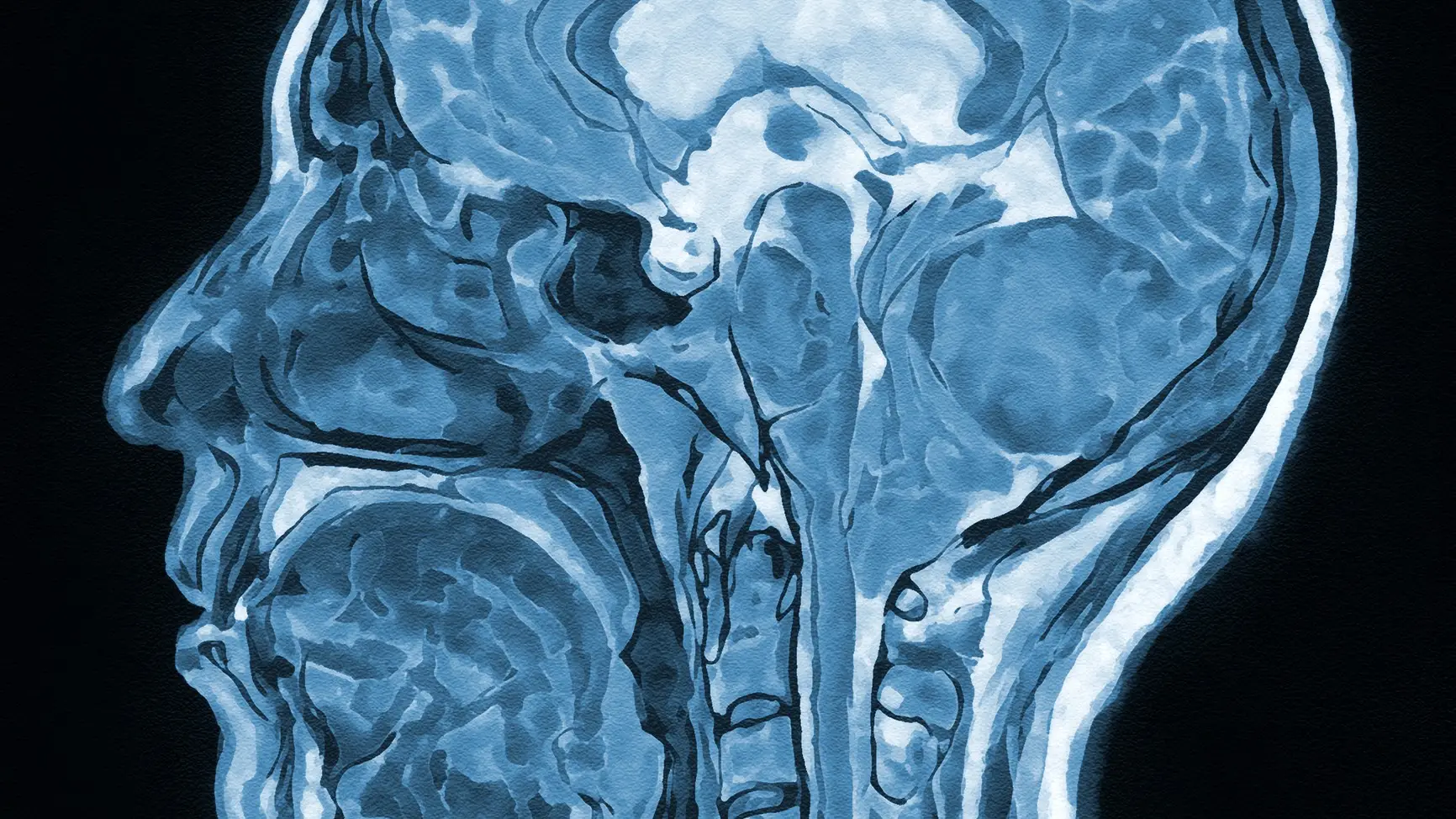
New research reveals worrying impact using cocaine just once has on the brain

One use of cocaine can create changes in brain cells that could linger for 'at least two weeks', new research has suggested.
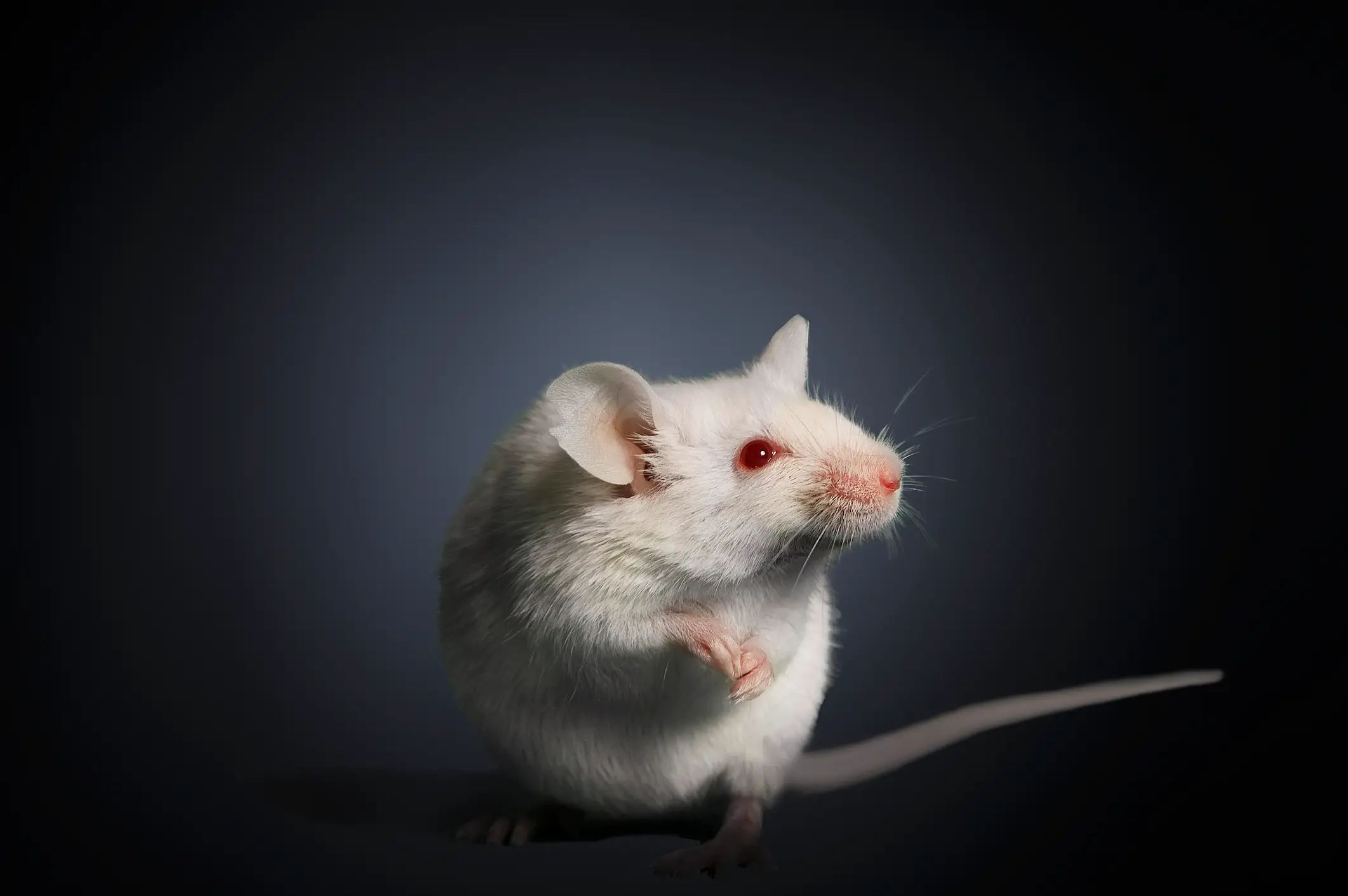
The findings come from researchers studying the impact of cocaine in mice and which are due to be presented at the Federation of European Neuroscience Societies (FENS) Forum on July 7.
Professor Dr Ana Pombo, from Johns Hopkins University in the US, said: “We know that cocaine hijacks the reward machinery of the brain. Most people do not become addicted after using cocaine once, but many do after a second use or repeated exposures.
“However, we don’t know enough about what is happening to brain cells exposed to cocaine and whether these effects are long-lasting.
Advert
“We have been using mice to see where the brain stores the memory of taking cocaine for the first time and to understand why addiction occurs after repeated use, even when cocaine use is months or years apart.”
Police seizures of cocaine hit a record high last year with 23,706 seizures logged in the year to March 2025 – up 13 percent from the previous year. In March, reports said Border Force and police forces had intercepted drugs on a record-breaking 269,000 occasions, an increase of 24 percent on the year before.
Cocaine is a 'highly addictive drug' according to NHS Inform, and acts as a 'short-lived central nervous system stimulant and local anaesthetic'.
Extracted from the leaves of cocoa plants, it is usually snorted by users, and the researchers added that it causes anxiety and paranoia, as well as leading to heart damage, impotence and poor mental health longer term.
Furthermore, the UN Office on Drugs and Crime said in their 2025 World Drugs Report that global cocaine production had hit an 'all-time high'.
Professor Pombo and her colleagues used a technique called genome architecture mapping to help them understand the effect that cocaine had on the mice brains.
She said: “Our results suggest that a single exposure to cocaine ‘rewires’ the genome of these important brain cells. The fact that we found such big changes that persist for two weeks is unexpected and it suggests that the drug is leaving a longer-term ‘scar’ in the genome of the brain cells.

“These persistent changes may be setting the stage for a stronger response after a second dose of cocaine, which could help explain why the brain becomes susceptible to cocaine addiction.
"We still need to investigate how long these changes last for. Are they permanent, or can the brain cells recover over time? We also need to investigate how these changes translate to the risk of addiction.”
Professor Christina Dalla, who is from the National and Kapodistrian University of Athens, Greece, and is also chair of the FENS Forum communication committee, was not involved in the research but added: “Cocaine use is a serious and growing problem around the world. We need to understand the effects of this drug and how people become addicted, but it’s almost impossible to study these mechanisms in detail in the human brain, so instead we look at mice.
“In this study, scientists have identified profound and lasting changes in mouse brain cells after just one exposure to cocaine. This shows that cocaine can alter the structure of the genome in these cells and this alteration may persist over time.
"These findings challenge the idea that occasional recreational use of cocaine may be harmless as they suggest that one use could change our brains and raise the risk of addiction in the future.
“Researching these changes in greater detail could help us understand why some people are more likely than others to become addicted. This could also help us to find new ways to treat addiction.”
According to UK Addiction Treatment Centres, successful cocaine addiction treatment programmes start with a detox, supporting people through withdrawal symptoms, then explore the stresses and triggers that led to the addiction in the first place to try and prevent relapses.
If you want friendly, confidential advice about drugs, you can talk to FRANK. You can call 0300 123 6600, text 82111 or contact through their website 24/7, or livechat from 2pm-6pm any day of the week
 Kerri-Ann Roper