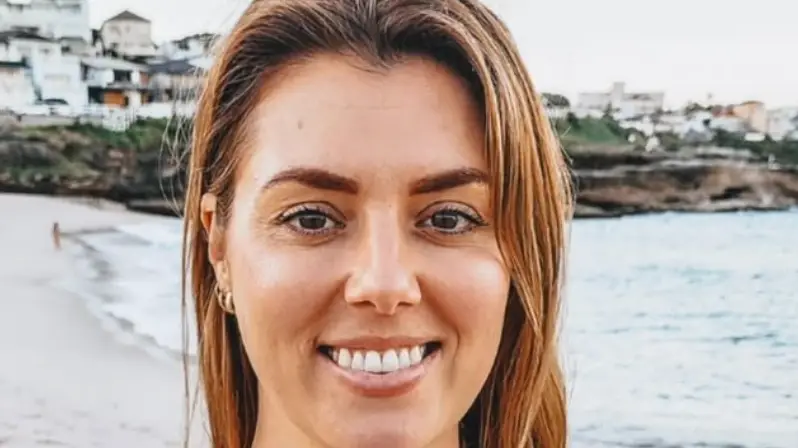
Mum thought she was paedophile for years before discovering she was one of millions with condition

An Australian woman left her loved ones in 'shock' after opening up about her fears of being a paedophile.
Dana Da Silva was first left with a 'sticky thought' when she was playing with a friend's child in the bath, despite having no intention of harming the child in any way.
As her fears began to grow, she began to question whether she could commit murderous or incestuous acts, and looked for answers online to see if her disturbing thoughts were 'real or not'.
Speaking to The Sun, Dana said it was there that she learned that she might have OCD, a common mental health disorder where intrusive thoughts can often dominate your thinking.
Advert
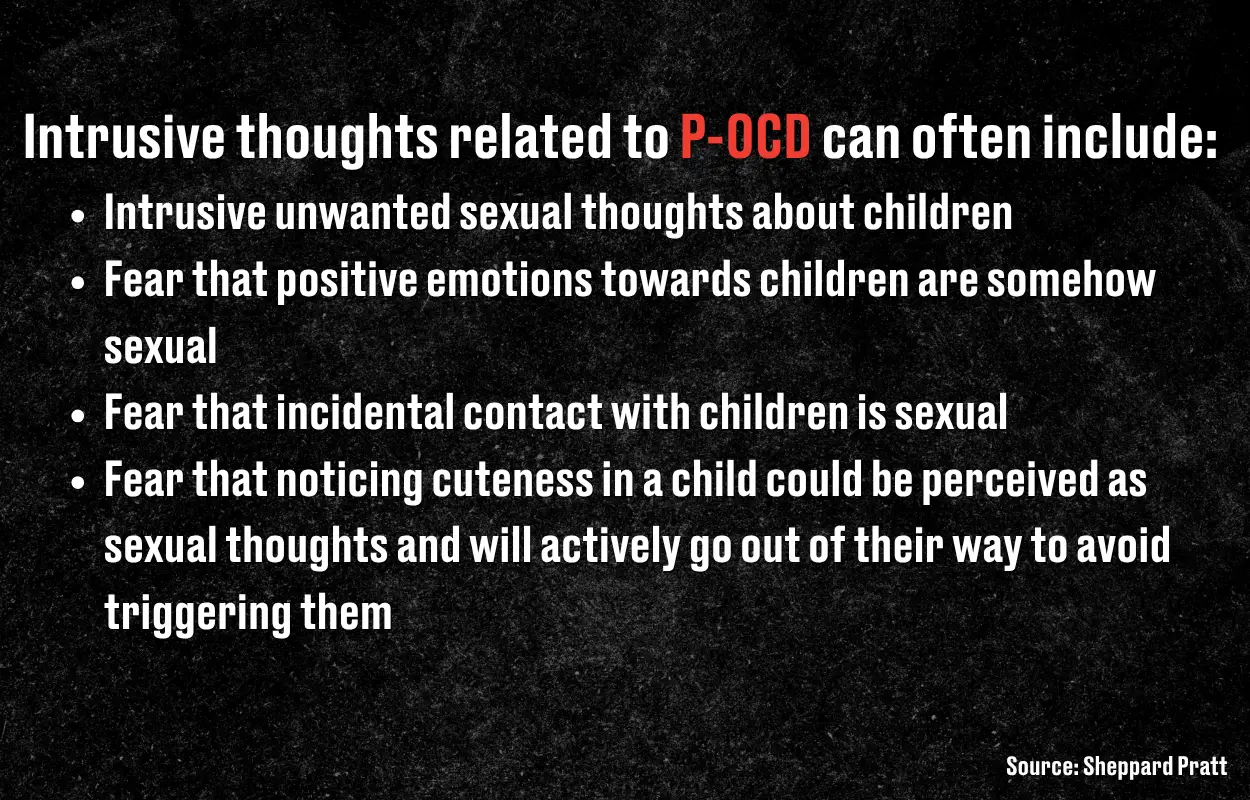
That later explained her dark thoughts as she learned more about Pedophilia-Themed Obsessive-Compulsive Disorder (POCD), which makes people have unwanted thoughts about harming or being attracted to children, often when they are completely contrary.
'I wanted some confirmation whether the thoughts were real or not'
Dana told The Sun: “They appeared from nowhere. I never harmed anyone but was terrified I would. I also feared being a murderer and incestuous. I ruminated on those possibilities, searching for answers. I wanted some confirmation whether the thoughts were real or not.”
After years of staying silent over fears of being judged, which saw her develop serious symptoms such as panic attacks, the 38-year-old eventually found solace in a podcast where the host was talking about OCD, and from there she was able to get an official diagnosis.
She added: “I understood OCD to be repetitive physical rituals related to hygiene or organisation. But that’s a stereotype. Mental health misconceptions, resulting from a lack of awareness and education, are the reason I went so long without diagnosis and treatment.”
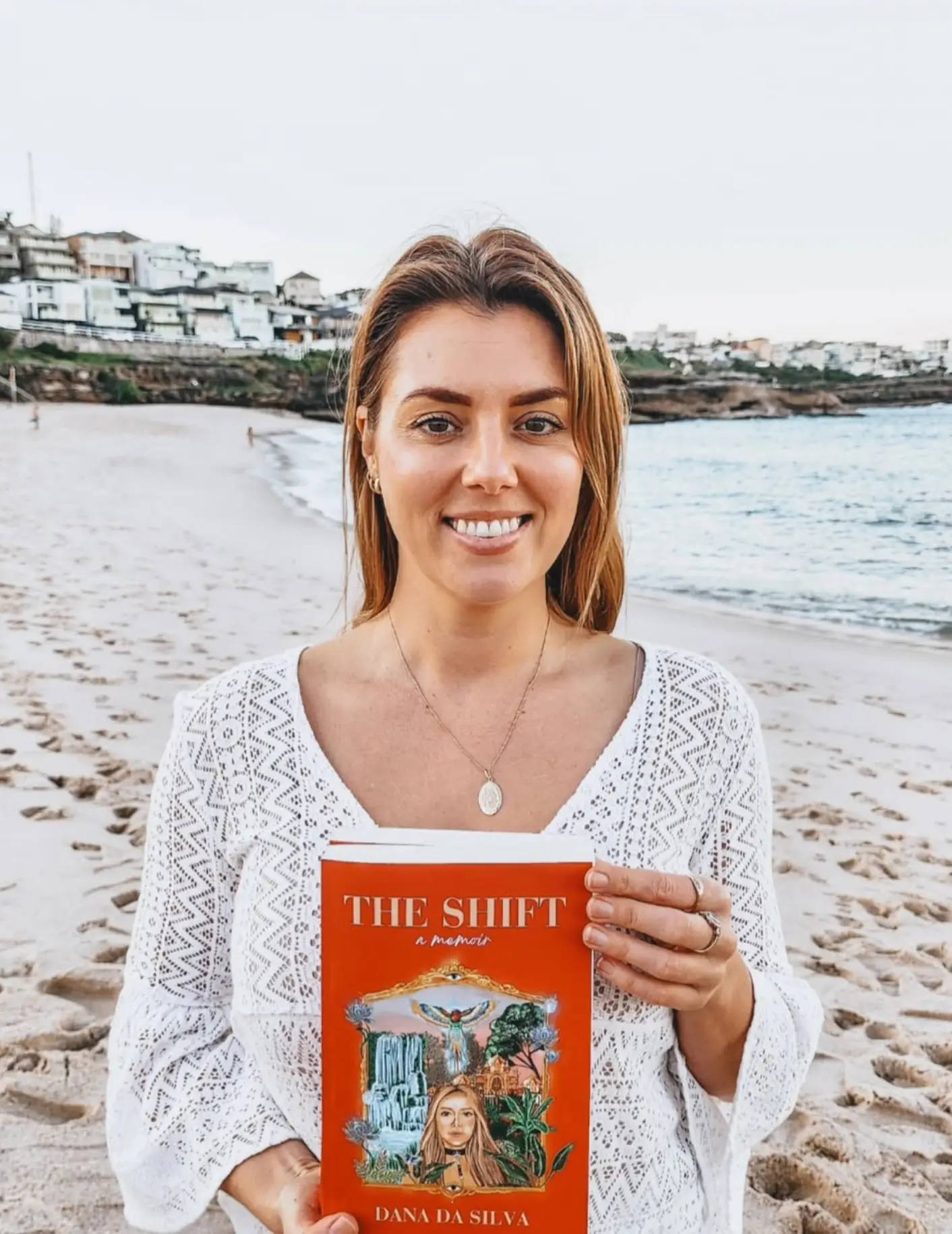
After writing a memoir about her experiences, which left many of her loved ones 'in shock', the mum-of-two is now looking to raise awareness about her condition and the intrusive thoughts it can sometimes cause.
According to OCD UK, 1.2 percent of the population are living with OCD.
Dana said: “Everyone has intrusive thoughts. People standing on train station platforms sometimes think ‘oh I could push that person next to me’ but for most people those thoughts don’t linger.
“But for people with OCD they can and do. That’s why I call them sticky thoughts.
“Early intervention is key and dependent upon an individual being able to recognise signs and symptoms. Sitting in the therapy chair soon after I was diagnosed I got an education on intrusive thoughts and OCD, learning about its many different subtypes that can centre around doing harm to others, relationships – often concerning a partner’s fidelity – religion and sexual orientation, to name just a few.”
'The only way out is through'
She went on to say: “I learned that everyone in the world has intrusive thoughts to some degree, but someone with OCD gives power to those thoughts. OCD types fixate on them, worry about their significance, become ashamed of them. OCD mostly involves irrational anxieties. For example, ‘what if this violent thought means I’ll kill someone?’
“We focused on my compulsions, which were mostly mental – arguing with the thoughts, seeking reassurance, searching for answers.
“Of course therein lies one of the most dangerous misconceptions regarding OCD, that compulsions are always physical, external behaviours, when in actuality they can be mental, internal and hidden from the world.”
Dana was naturally nervous when she became pregnant with her first child but for her 'the anticipation was worse than the reality', with the exhaustion from the new baby actually helping to distract her from her disturbing thoughts.
She concluded: “I’ve had a few people judge me but I don’t care. Generalised mental health posters and slogans aren’t enough. As a society we need to know what mental health illnesses really look like. And it ain’t pretty. It’s confronting. But the only way out is through.”
If you're experiencing distressing thoughts and feelings, the Campaign Against Living Miserably (CALM) is there to support you. They're open from 5pm–midnight, 365 days a year. Their national number is 0800 58 58 58 and they also have a webchat service if you're not comfortable talking on the phone.
Topics: Mental Health, Parenting
 James Moorhouse