Woman who spent years thinking she was paedophile shares moment ‘life changed forever’

Warning: This article contains discussion of suicide which some readers may find distressing.
A woman who bravely opened up about her battle with OCD has spoken about the moment her 'irrational' thoughts completely took over her life.
Molly Lambert explained that she spent her teenage years being tortured by her own mind because of the things that popped into her head.
She 'genuinely' believed that she was a paedophile because of her mental health condition, leading her to spend 'every second of every day thinking about how much of an awful person she was'.
Advert
The 22-year-old said she would often 'obsess over events' during her childhood and was 'a really anxious' kid, but didn't understand at the time that this was because of OCD.
The NHS describes obsessive compulsive disorder (OCD) as a mental health condition 'where a person has obsessive thoughts and compulsive behaviours' and says that it tends to take hold around puberty and early adulthood.
Those who suffer from it experience 'unwanted and unpleasant thoughts, images or urges' repeatedly entering their mind, which 'causes feelings of anxiety, disgust or unease'.
In Molly's case, she has Paedophile-themed Obsessive-Compulsive Disorder (P-OCD), which means she often experiences unwanted sexual thoughts or images about children.
According to mental health provider Sheppard Pratt, those who have this form of OCD exhibit an obsessive fear that they are or will become a paedophile.
These thoughts first began to take hold of Molly's mind when she was around 14 or 15 - and she remembers exactly what triggered them.
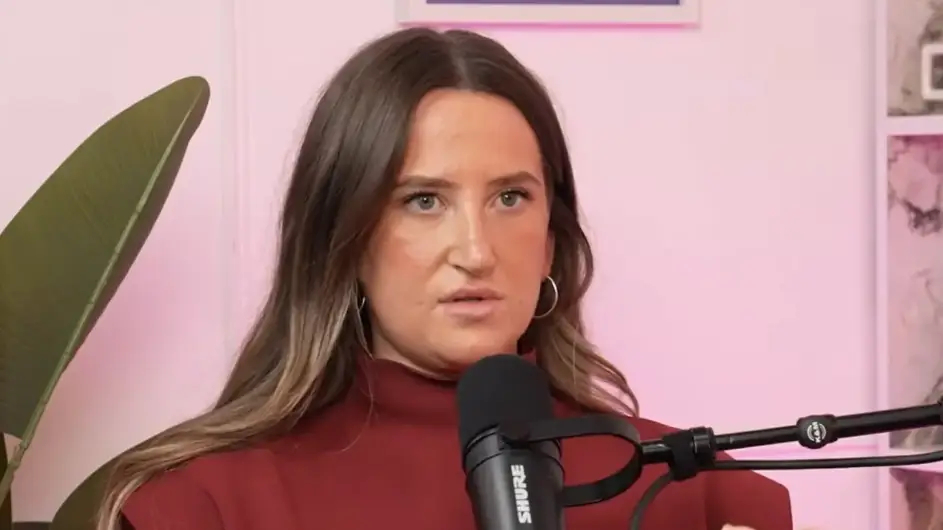
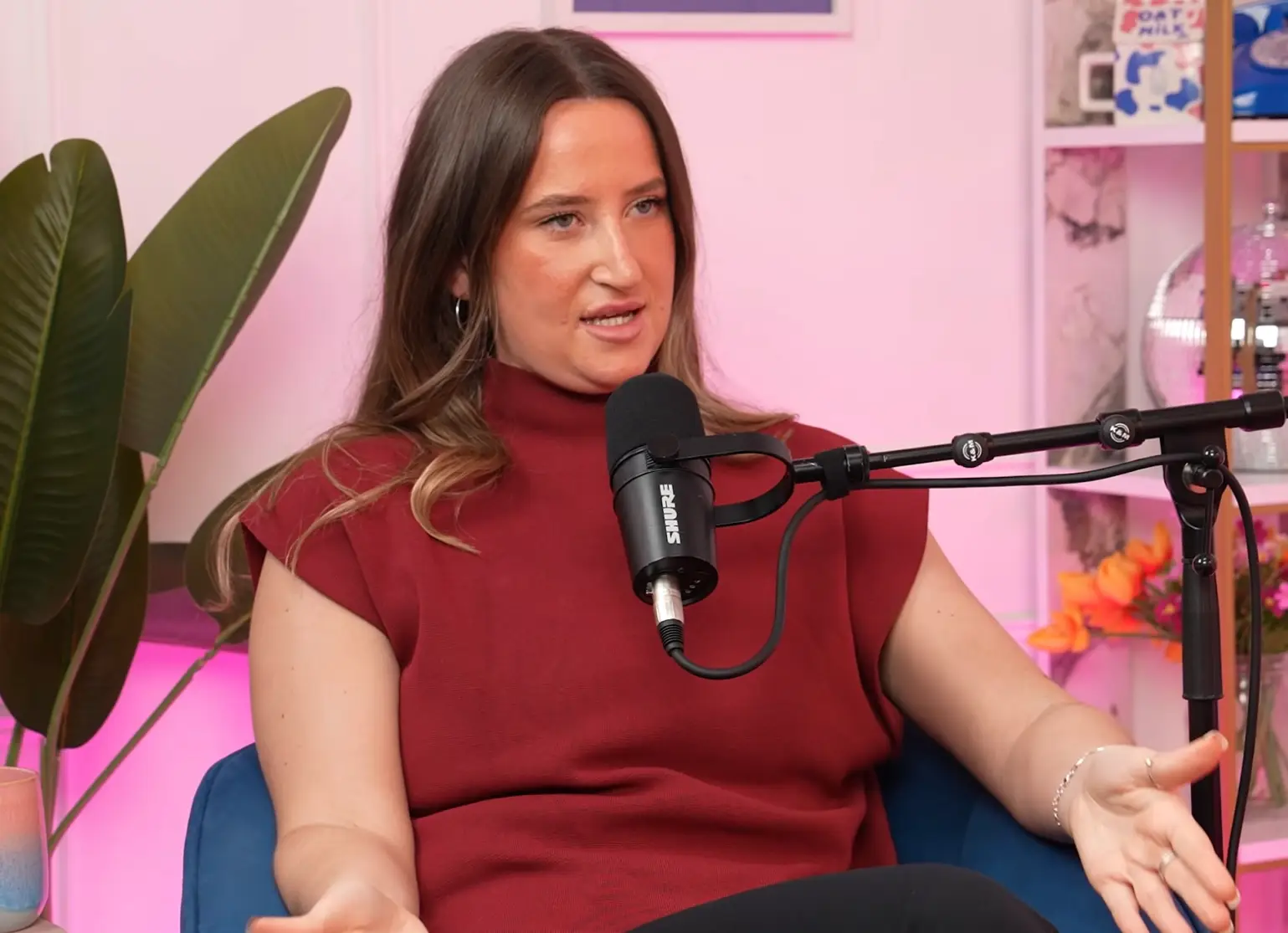
During an interview on the Tea At Four podcast, she explained that she saw a small child sporting a crop top and shorts while she was in an airport, and she deemed it to be a 'weird outfit'.
But she then began questioning why on earth she would consider it to be inappropriate in the first place...and throughout her holiday, these thoughts continued to spiral around her head.
Molly said she seemingly managed to get this out of her mind after a while and thought this experience was just a brief blip.
But while sat at her desk revising for her exams 12 months later, it popped into her head once again.
"From that moment, my life was forever different," Molly said. "From that desk day, I was just a different person - obviously, everyone around me didn’t know what was happening and just thought I was stressed about my exams.
"Every second of every day, I was just thinking about how much of an awful person I was."
She subsequently spent months living in fight or flight mode, as she struggled to eat, sleep or be alone due to her thoughts.
Reflecting on her younger years, Molly said: "Now I’m out of it, it’s so irrational, but all these themes are irrational. If you can understand OCD from a perspective of someone wiping the side five times, because that’s irrational, right?
"So is me thinking I was a paedophile when I was 15 - I obviously wasn’t a paedophile, it was my brain.
"OCD is a neurodivergence, so the way you process information is different. It gets stuck and you have a loop. You just can’t forget something.
"I suffered for years without knowing about it. But OCD is obsessive and intrusive unwanted thoughts. There are different themes within that, so harm, sexual, moral, health and contamination.
"Basically, anything that you can become anxious about is a certain theme. Mine was the paedophilic, sexual, and harm themes because they scared me the most - so I was attached to them the most."
After years of being tormented by her own thoughts, Molly finally realised that she had been suffering from P-OCD after stumbling across a TikTok video of someone discussing it.
She still experiences intrusive thoughts, however her therapy has taken her diagnosis from severe to mild on the diagnostic scale, with the digital PR worker now using her social media platform (@mollambert) to raise awareness about the condition, despite having to deal with some backlash.
"I get a lot of hate, but this conversation is so important for the people suffering in silence," she said previously. "The scariest part is how many people might not be here anymore because of this. I remember thinking I’d be 50 and never escape these thoughts, or I would be dead. Always talk to someone, once you understand what it is, you realise it’s not you. It’s OCD."
Molly recently revealed that since she shared her story, 'thousands' of people have got in touch with her to explain they have been quietly battling the same condition.
If you’ve been affected by any of these issues and want to speak to someone in confidence, please don’t suffer alone. Call Samaritans for free on their anonymous 24-hour phone line on 116 123 or contact Harmless by visiting their website https://harmless.org.uk.
Alternatively, the Campaign Against Living Miserably (CALM) is there to support you. They're open from 5pm–midnight, 365 days a year. Their national number is 0800 58 58 58 and they also have a webchat service if you're not comfortable talking on the phone.
Topics: Mental Health, Podcast, UK News, Health
 Olivia Burke