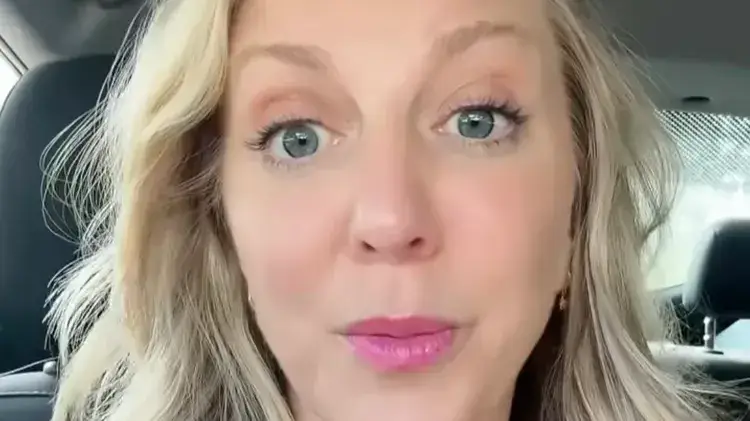
‘High-functioning alcoholic’ shares moment she realised as eight signs person is one revealed

Julie McFadden has revealed what it was like to live as a 'high-functioning alcoholic'.
The hospice nurse from California told her 1.8 million TikTok followers (@hospicenursejulie) that she was still able to have a normal life.
"I still had a job. I had never been to jail, never had a DUI. In fact, many close people in my life would not have considered me an alcoholic," she said in a video posted in 2024.
"Even in the recovery world, calling someone high functioning, some people don't like it and I get it. An alcoholic is an alcoholic."
Advert
Julie described herself as a 'high-functioning alcoholic', a term used to describe someone who is dependent on alcohol but still 'able to continue doing many of their daily tasks like going to work and looking after family members', according to the Priory Group.
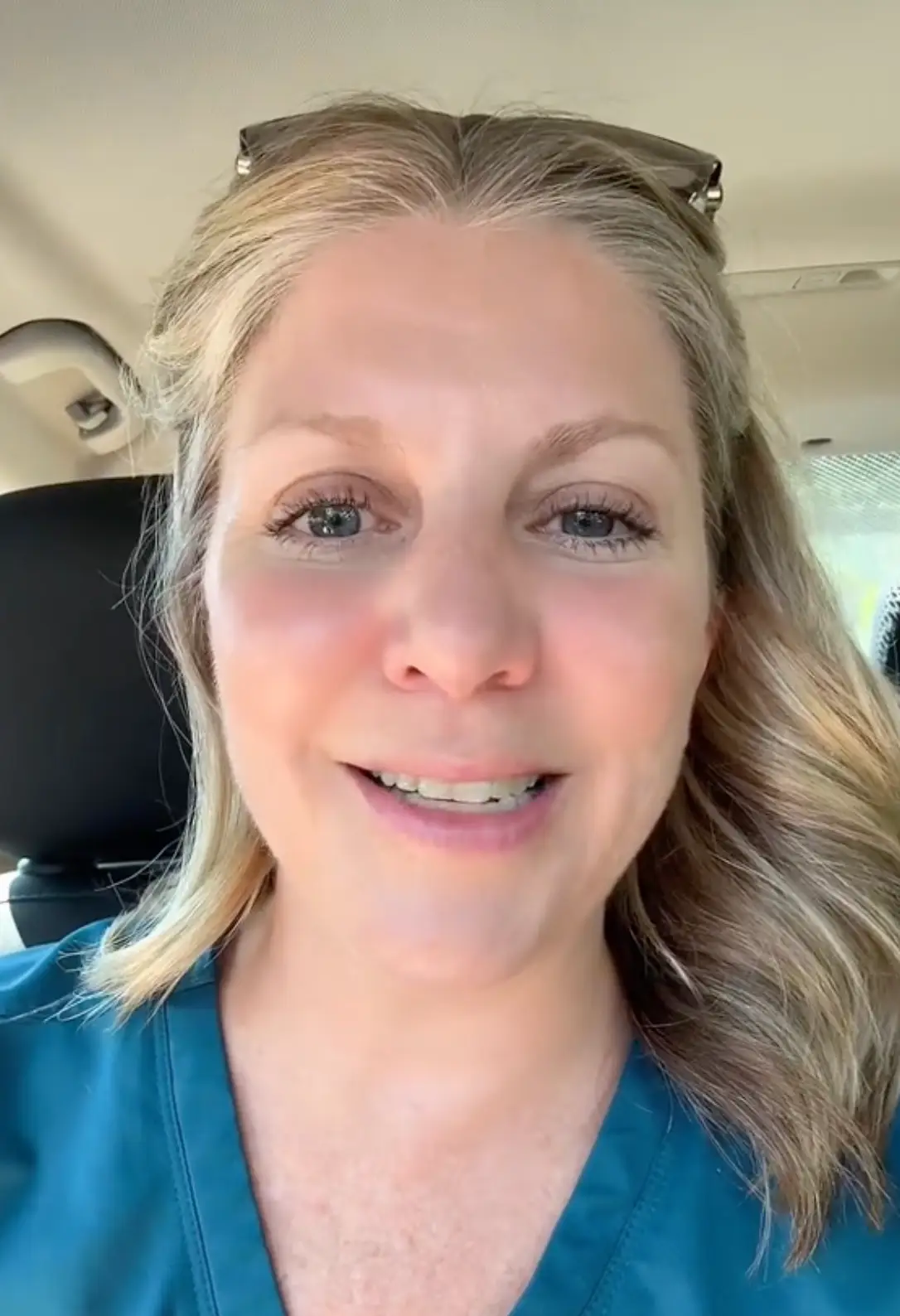
"And I think many people, including me, I was one of them, assume that if you're not a daily drinker, if you didn't go to jail a million times, if you don't have a bunch of DUIs, you must not be an alcoholic and that is just not true," she said.
However, after quitting drinking at the age of 33, she discovered things actually became harder.
“My life got smaller,” she admitted.
“It was harder to go out in public, see friends, work out or have hobbies. I thought my life would flourish, but it was the opposite.”

After learning about a 12-step recovery programme, she started to attend regular meetings and her sobriety 'truly took off'.
Eight years sober, at the time of the video, she said recovery remained a daily commitment.
"And I still go to this day. I mean, it's been eight years. It's been eight years now and it's the biggest part of my life," she admitted.
"It has shaped every part of my life and I feel recovered. But I only can be recovered, at least for me, the day that I'm in.
"Hence why people continue to do 12-step programs throughout their whole life because alcoholism is still alive and well in this brain and I need to treat that."
Her story comes as addiction recovery advocate Ben Lowe shared eight warning signs that could point to someone being a high-functioning alcoholic.
What are the signs of a high functioning alcoholic?
Lowe then went on to explain the 'signs of a high functioning addict' that a lot of people 'miss or minimise because none of them look dramatic enough to take seriously'.

Not being honest
Lying about how much alcohol you are consuming is a big red flag in Lowe's eyes, especially if it's rolling off your tongue 'automatically'.
"Not deliberately, just automatically, because the honest number feels like more of an admission than he’s ready to make," he wrote in a post shared to Facebook.
Drinking at every occasion
If 'every situation involves alcohol', Lowe says this should also set alarm bells ringing.
"Dinner, stress, time with the kids, after work, celebration, disappointment," he said. "It’s become the emotional punctuation for every part of his day and he stopped noticing when that happened."
Comparison
Thirdly, if you're concerned someone might be covering up their reliance on alcohol very well, be wary if they are 'comparing themselves to someone worse as evidence their fine'.
"That’s not a measurement of health," the coach said. "That’s a measurement of how low the bar has gotten."
Defensiveness
Another red flag is getting 'defensive' when someone touches on the topic, as well as a person being unable to 'relax without' booze as he believes that 'the exhale after the first drink isn’t enjoyment, it’s relief from the anxiety of not having had one yet.'
They never stop
Lowe also says you should consider that someone might be a high functioning alcoholic if they insist they 'can stop anytime' but 'just never quite does'.
Emotionally checked out
The seventh warning sign to look out for, according to the content creator, is if a person is 'physically in the room, but emotionally somewhere else'.
Feeling the distance grow
And lastly, if you feel as though you are walking on eggshells around someone and 'feeling the distance grow' because of alcohol getting in the way, it might suggest they have a problem with booze.
"You don’t need to lose your job or your house for this to be a problem," Lowe added. "High functioning addiction kills trust, respect and leadership at home long before it touches anything external."
Additional words by Olivia Burke.
 Anish Vij