The hidden health reasons thousands of Brits are being refused Mounjaro

1.6 million adults used the likes of Wegovy and Mounjaro to help lose weight in the past year.
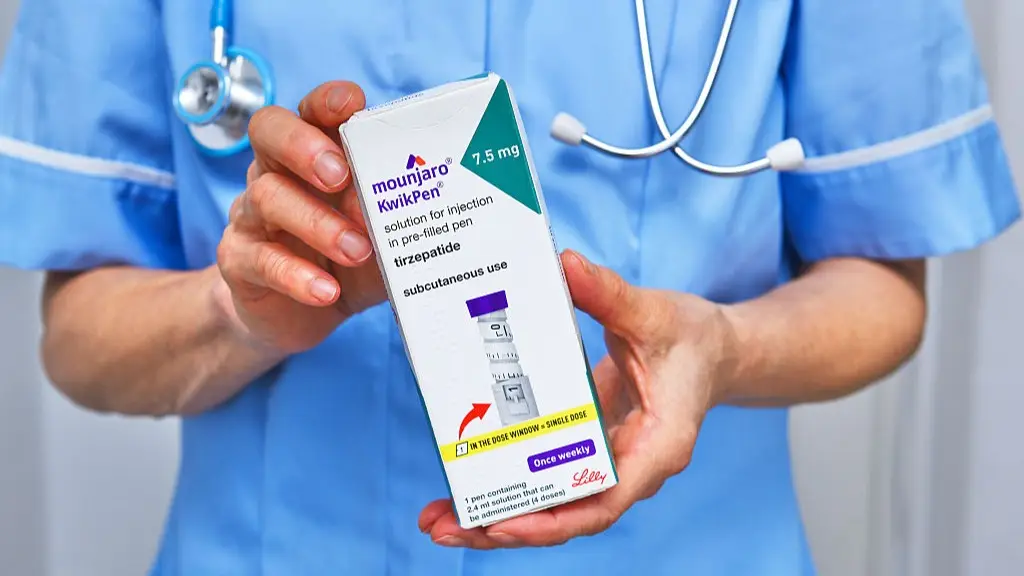
In the UK, you can access Mounjaro (tirzepatide) - a prescription injection used to help manage weight and treat some people with Type 2 Diabetes - either through the NHS or privately.
It works by mimicking hormones that regulate appetite and blood sugar, helping people feel fuller, eat less and theoretically lose weight.
The NHS' rollout launched in June 2025 and has been introduced in phases because of high demand and funding pressures.
Advert
Around 220,000 patients are expected to access treatment during the first three years, while full rollout could take up to 12 years.
Year 1 (from June 2025):
- BMI 40+
- Four or more serious weight-related health conditions
Year 2 (from June 2026):
- BMI 35–39.9
- Four or more health conditions
Year 3 (from 2027):
- BMI 40+
- Requirement reduces to three or more health conditions

Approved health conditions include:
- Type 2 Diabetes
- High blood pressure
- Heart/vascular disease
- High cholesterol
- Obstructive Sleep Apnoea
However, according to digital healthcare platform ZAVA, thousands of Brits are being refused the Mounjaro weight-loss jab due to hidden health reasons.
Pregnancy and breastfeeding
While many people assume eligibility is based on BMI alone, healthcare providers assess a much wider range of factors before prescribing.
Patients who are pregnant or breastfeeding are often declined due to limited safety data around the medication’s effects during pregnancy and infant development.

Mental health history and eating disorders
Mental health history can also play a role, as people with a history of eating disorders, including anorexia and binge eating disorder may be considered unsuitable because appetite-suppressing injections could make things worse.
Existing medications
Existing medications can also affect eligibility because patients taking other GLP-1 medications, anti-obesity treatments or some diabetes drugs may be refused over safety risks.
Hidden digestive conditions are leading to refusals
Underlying digestive conditions like severe gastrointestinal disorders, may also prevent access because Mounjaro slows digestion further.

Patients with kidney, liver or pancreatic issues face increased scrutiny
Patients with severe kidney or liver problems, a history of pancreatitis, or certain diabetes treatment plans may face additional checks.
The BMI loophole
BMI remains important, but many private providers require a BMI of 30+, or 27+ alongside weight-related health conditions, meaning meeting one number alone does not guarantee approval.
“A lot of patients are coming to us expecting a fairly straightforward yes or no based on BMI alone, largely because that’s how weight loss jabs are often discussed online. But in reality, eligibility has never been that simple,” Crystal Wyllie, clinical lead at ZAVA, said.
“What’s changed is the scale of demand, which has made the assessment process far more visible and, for patients, more noticeable when extra checks are applied.
“That’s why some people are surprised to find they’re being asked about conditions or medications they didn’t think were relevant.”
Wyllie added: “We’re seeing a clear expectation gap: patients often assume access is easier than it actually is, while clinicians are having to take a much wider view of safety and suitability before prescribing.
“That mismatch is what’s driving a lot of frustration, not necessarily stricter rules, but a better understanding of what safe prescribing actually involves when demand is this high.”
LADbible Group has contacted Mounjaro's manufacturer Eli Lilly and Company and the NHS for comment.
 Anish Vij