The four UK areas where Brits can access Mounjaro without seeing a GP first

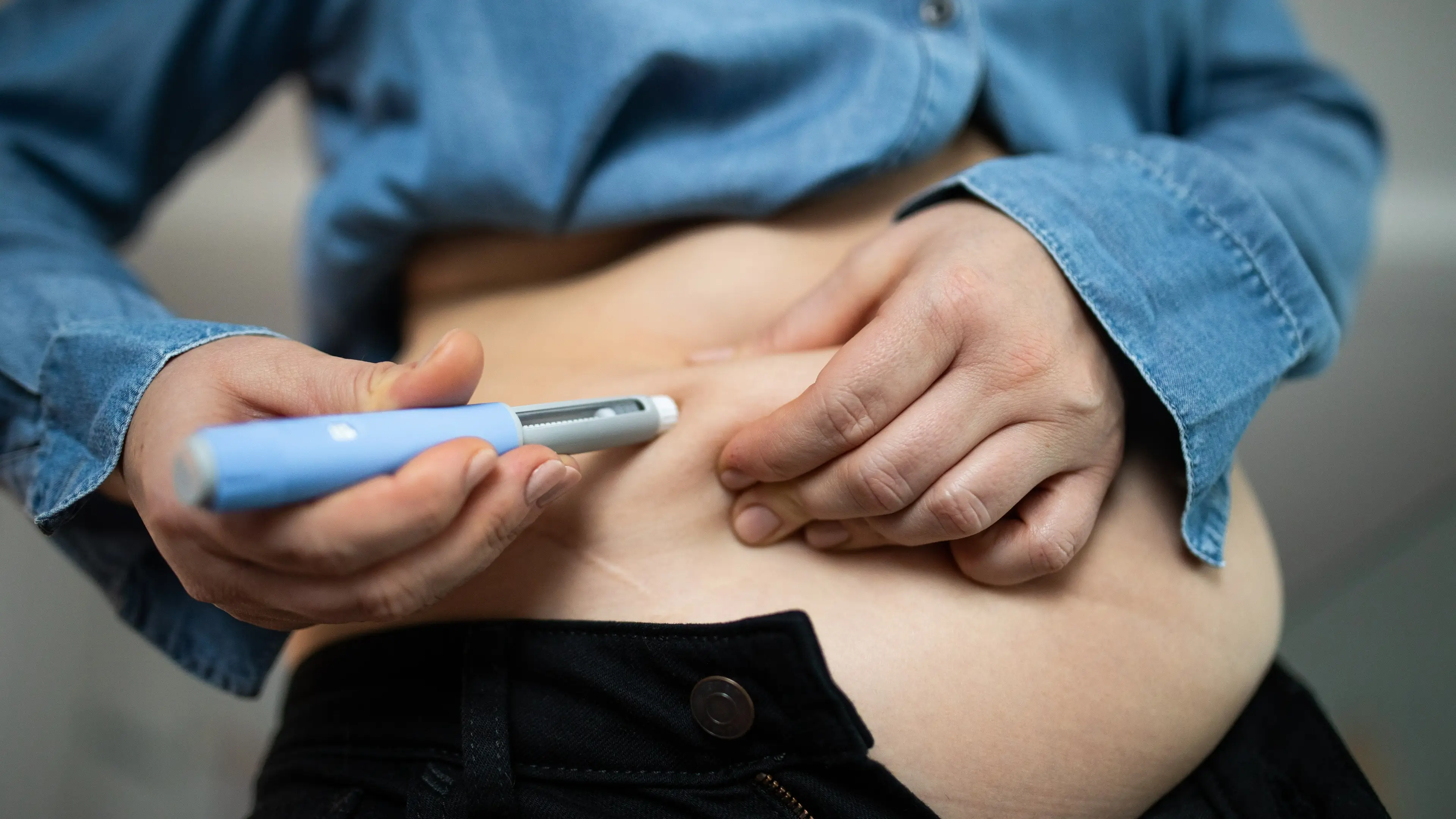
A groundbreaking new pilot in the UK means patients in four areas of the country could access weight loss jabs without seeing a GP first.
Dubbed the Obesity Pathway Innovation Programme (OPIP), the government is supplying £50 million of funding in addition to £35 million from the pharmaceutical company that makes Mounjaro, Eli Lilly and Company (Lilly).
At the moment, patients pay for weight-loss jabs privately or face strict rules to try and obtain them from the NHS.
To be eligible for the jabs on the NHS at the moment, patients need a BMI of 40+ and four or more serious weight-related health conditions including type 2 diabetes, high blood pressure, heart/vascular disease, high cholesterol or obstructive Sleep Apnoea.
Advert
Around 1.6 million adults used the likes of Wegovy and Mounjaro to help lose weight over the last 12 months.
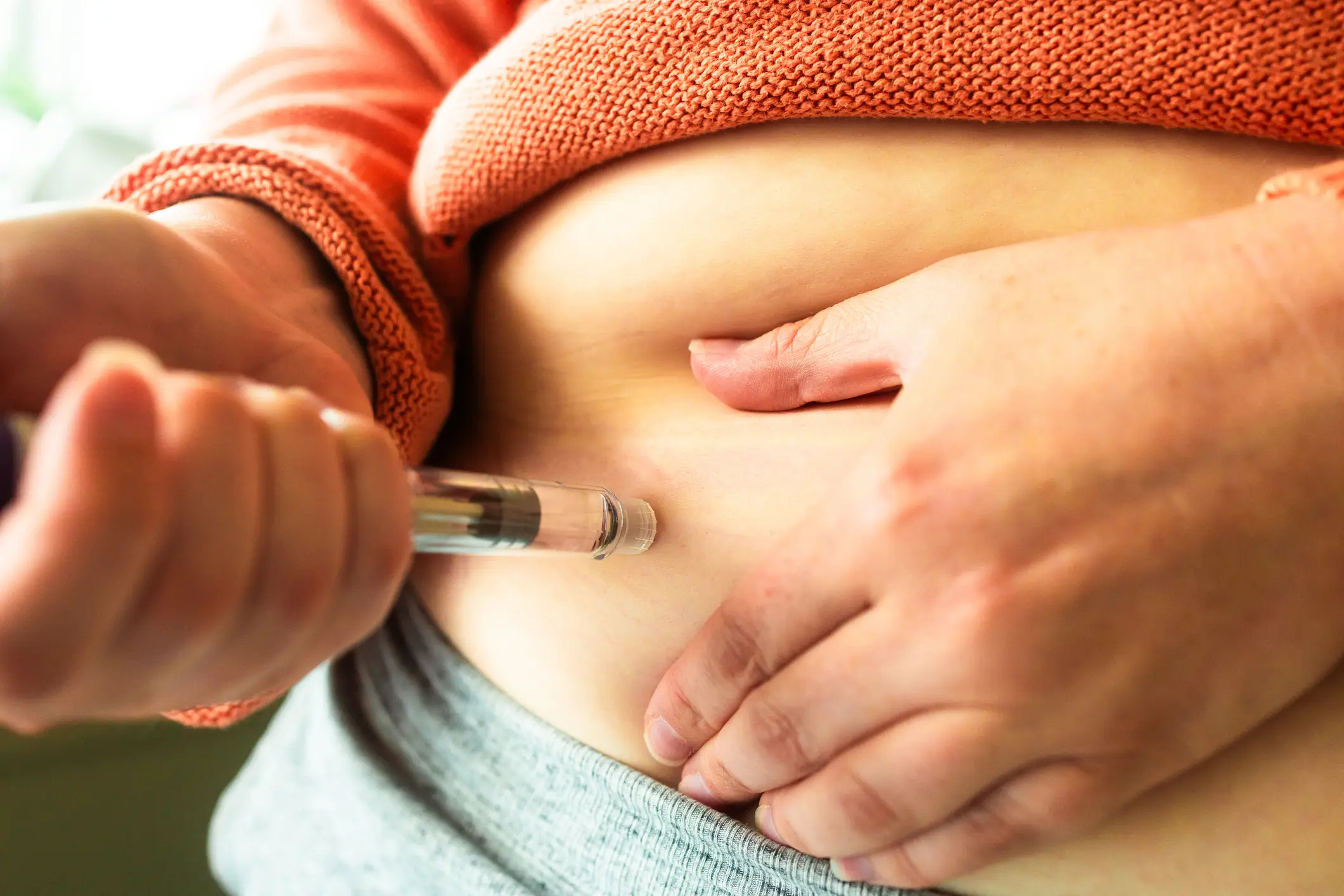
Under the new pilot, patients living in 12 areas of the UK will be able to access weight loss support, including attending groups, AI management and WhatsApp messaging, and checks at home.
The government said it will be supporting ‘underserved communities’ in the UK until March 2029, and aims to help patients ‘without a GP or clinic appointment’.
Of the 12 pilots, at least four of the pilots will give ‘easier access’ to weight management medication, according to the announcement.
Which areas will have access to the weight loss jabs?
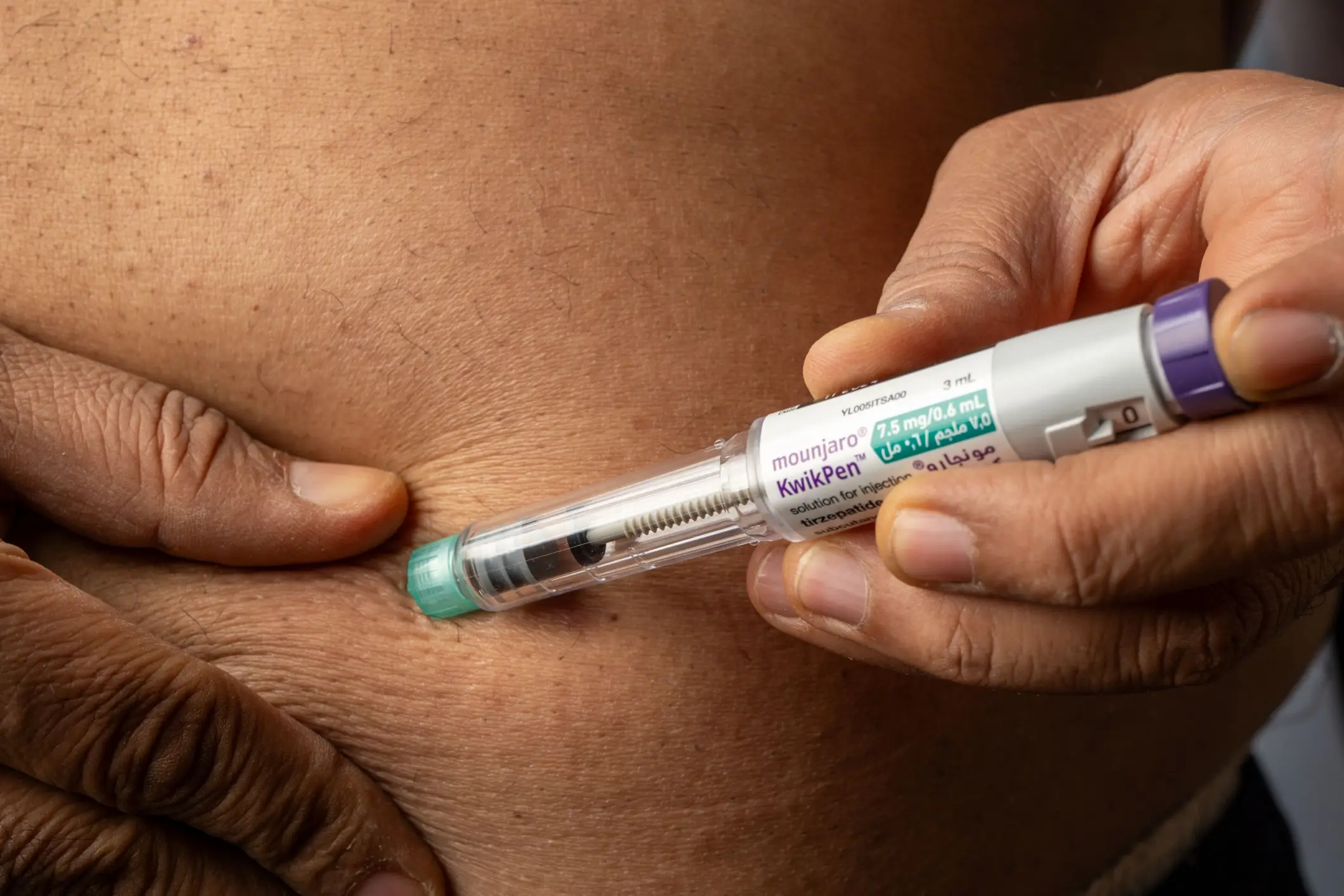
Under the new announcement from the government, four of the 12 pilots will include pharmaceutical prescriptions for weight loss medications 'where appropriate'.
The regions are:
- Northern Ireland
- Midlothian
- Birmingham, Solihull and the Black Country
- Leicester, Leicestershire and Rutland.
For example, in Northern Ireland people will bypass the need for GP appointments by accessing a ‘neighbourhood-based service’.
The Government said: "In Northern Ireland, a neighbourhood-based service will offer multiple routes into support, including people being able to refer themselves, stopping delays waiting for a GP appointment.
"Personalised goals will be agreed between clinicians and patients, with apps giving nutrition or exercise advice, and easier access to weight management medication where clinically appropriate."
'Obesity is an epidemic'
Health secretary James Murray said: "Obesity is an epidemic and we need bold action to end it now. These innovative projects will bring together the NHS, local partners and industry to test new ways of delivering obesity care that uses the latest technology and is closer to people’s homes."
"What we learn from these projects has the potential to help people across the country live healthier lives, underlining this government’s commitment to deliver the 10-Year Health Plan and shift healthcare from treatment to prevention and reduce long-term pressure on vital NHS services."
Science Secretary Liz Kendall said: "Almost 1 in 3 adults in this country are living with obesity - that’s millions of people who deserve real support.
"These pioneering projects will meet people where they are – whether that is through a pharmacy round the corner, an app on their phone, or support in their own language.
"The evidence these projects generate will help remove the barriers that have stopped too many people getting they help they need, shaping better health services in the future for every one of us.
For the other regions, patients in Norfolk, Suffolk, and north east Essex will get the care they need more quickly through AI-assisted triage.
Elewhere, in Kent, up to 3,300 families will get 'round-the-clock AI powered advice on healthy eating, activity, sleep and stress' via WhatsApp.
GLP-1 medication was originally introduced to manage diabetes symptoms, but many people, including high-profile celebrities, have been finding success with the jabs to lose weight and transform their figures.
 Jen Thomas