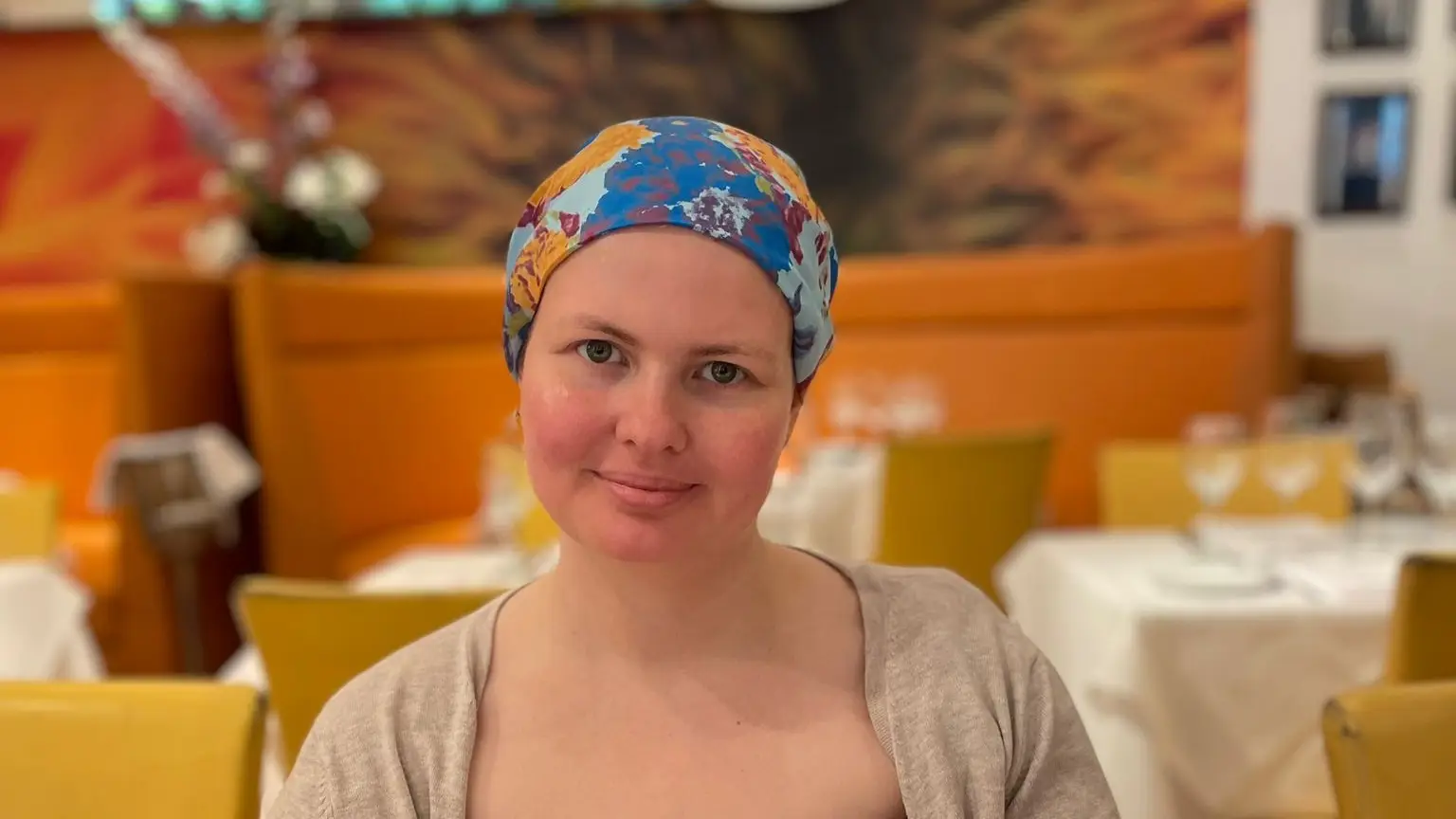
Mum diagnosed with leukaemia after suffering from bleeding gums

A first-time mum was diagnosed with leukaemia after experiencing what she thought were 'common pregnancy symptoms'. Rebecca Robinson was handed the devastating news just ten days after giving birth.
The 33-year-old from Leeds thought her fatigue and bleeding gums were normal before she was 'completely blindsided' by the shock diagnosis.
The product manager who was having her first child with husband James explained how she experienced fatigue during pregnancy in 2024, but when a blood test flagged low iron at 28 weeks, her midwife was not concerned.
When her gums started bleeding in the final weeks of pregnancy, Rebecca said her dentist told her it was perfectly normal and that no-one had any suspicions that there was anything seriously wrong.
Advert
But just 10 days after giving birth, Rebecca was told she had acute myeloid leukaemia (AML), a fast-growing type of blood cancer, and that she needed to start treatment within two days.
She was left in 'complete shock' and described feeling 'robbed' of time with her newborn while undergoing treatment for six months. However now, two years in remission, she says she is finally able to be 'a normal mum'.
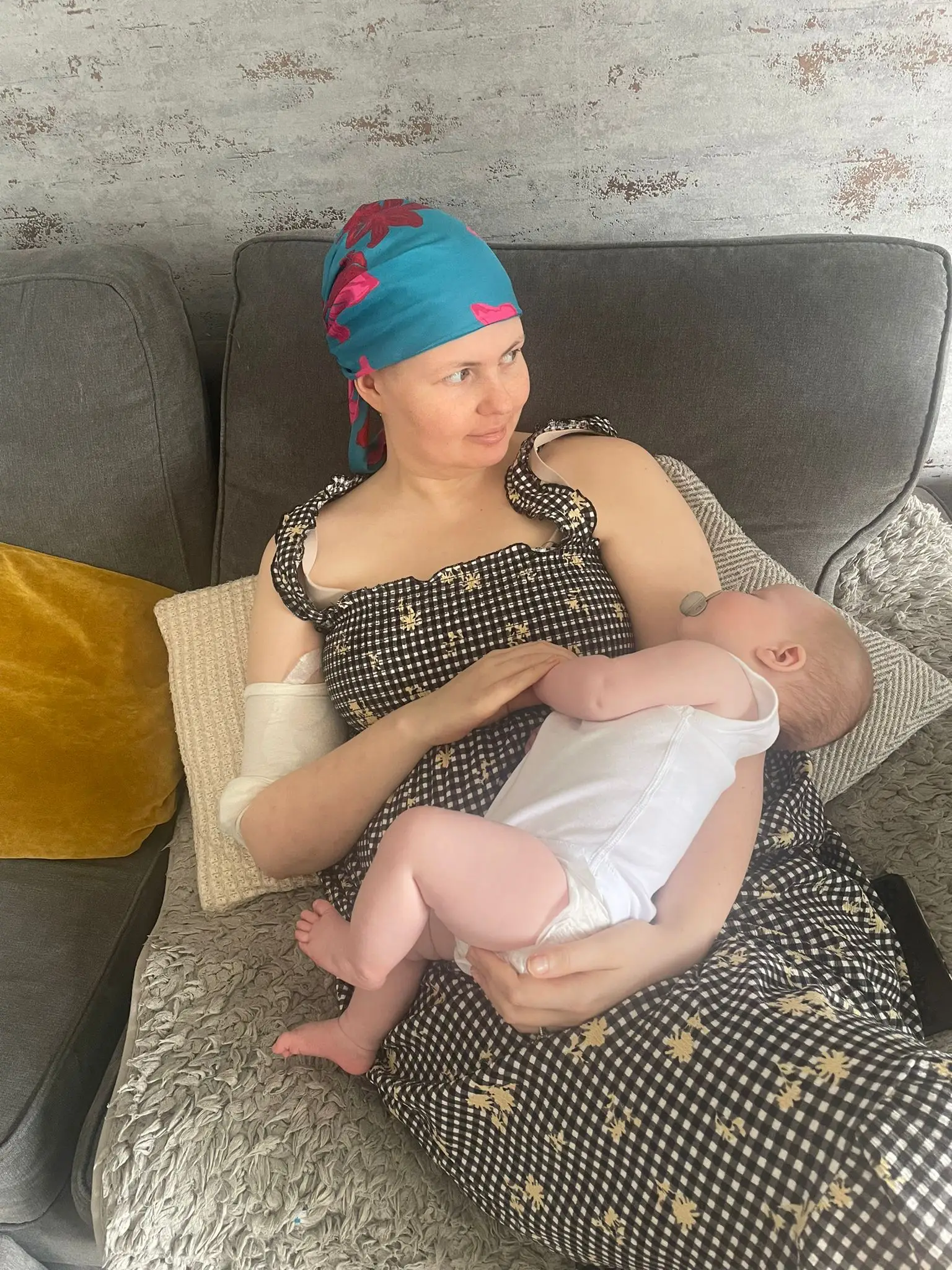
Rebecca explained: “I felt hugely guilty for Annabel because that’s not the life that I wanted her to have. I wanted to be able to go to baby classes with her and just have the maternity leave away from work, and my reality was completely different.
“I just felt robbed… but luckily, I got into remission after the first round (of chemotherapy) and I’ve stayed in remission ever since.”
Rebecca explained that she was 'completely healthy' prior to her cancer diagnosis and that she 'never went to the doctors'. At 28 weeks, she had a routine blood test which initially flagged low iron levels.
Rebecca experienced fatigue as well but assumed it was simply 'pregnancy tiredness'. She was able to continue working up until 38 weeks, but at 40 weeks, she started experiencing bleeding gums and noticed a 'little lump on (her) gum'.
According to the NHS, many pregnant women get a condition called pregnancy gingivitis, where the gums become swollen, red and tender, and they may bleed when brushing or flossing.
While Rebecca knew this was a 'common pregnancy symptom', she decided to visit the dentist 'to get it checked out'.
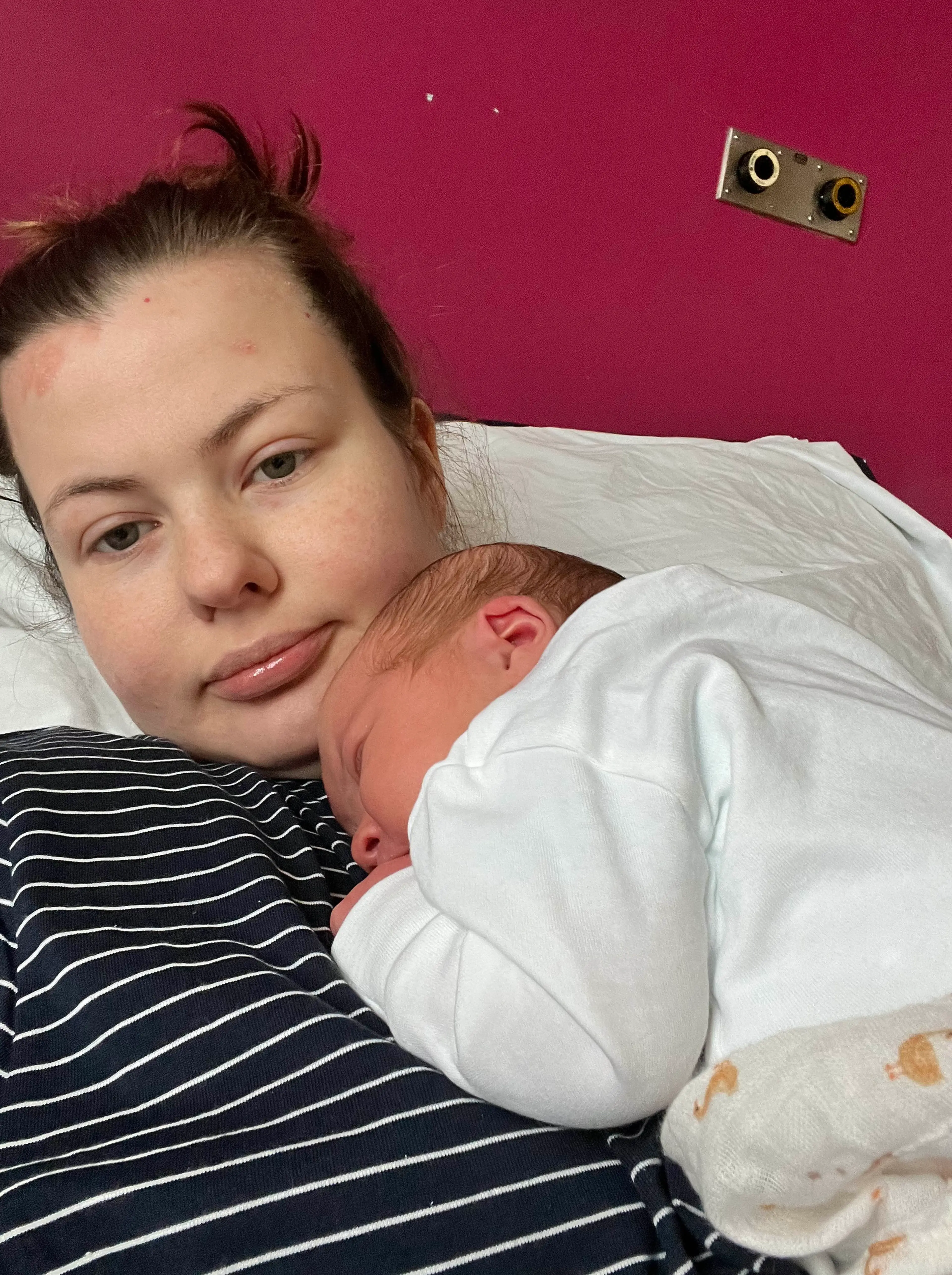
“The dentist said: ‘Oh, it’s just an infection, but there’s no point in giving you antibiotics because you’re 40 weeks pregnant. Of course, your gums are going to be bleeding’,” she explained.
On 26 April, during her labour, Rebecca said she requested an epidural, an injection in the back to help relieve pain, and that doctors took blood samples, which revealed her platelets were low.
Just hours after delivery, Rebecca developed a high temperature and was kept in hospital for eight days, where she had blood tests every day to monitor her levels.
She said: “It wasn’t until I had my blood test during labour that doctors said: ‘No, something crazy is happening’.”
After her temperature returned to a normal level and remained there for 24 hours, she was discharged from hospital and was told to monitor her symptoms and return in six weeks for repeated blood tests.
"It all just felt very out of the blue"
However, two days later, just ten days after giving birth, she was called back into hospital for a bone marrow biopsy and was told to bring an overnight bag. While cuddling her newborn baby on May 7, she was given the news that she had AML, leaving her 'completely blindsided'.
“They took me into a room and said: ‘You’ve got leukaemia. We’re going to do a biopsy today to work out exactly what’s what, but you’ll be in for six weeks and you’ll have to stop breastfeeding because the chemo will make your milk toxic’,” she explained. “It all just felt very out of the blue.”

According to the charity Leukaemia Care, leukaemia and other blood cancers can cause vague symptoms. Some of the more common symptoms can include feeling exhausted, bruising easily, unusual bleeding such as nosebleeds or bleeding gums, infections, fever and joint or bone pain.
Initially, Rebecca said she was 'in denial' about her diagnosis, but after some time to process it, she felt grateful that doctors had 'found it during labour'. Rebecca started chemotherapy two days after her diagnosis and said the treatment meant she could not breastfeed, attend baby classes or spend quality time with her daughter during her first six months of life.
She added: “I could have gone to 1,000 dentists and probably not one of them would have thought (it was) leukaemia because I was so heavily pregnant and it’s such a common pregnancy symptom.
“It just felt so unfair. You’ve spent nine months psyching yourself up for this experience, and then it was just completely taken away.”
Rebecca feels 'lucky' to be alive after shock diagnosis
Rebecca said she reached remission after the first round of chemotherapy, but she continued to have three more rounds, ending in November 2024, and she did not require a stem cell transplant.
She now has biopsies every three months, with two more left on her current treatment plan, and she feels extremely 'lucky' to be alive.
Rebecca said her cancer journey has taught her that 'everything is temporary' and that 'anything can change', and she is urging others to get any unusual symptoms checked and to advocate for themselves.
“Now I’m near the end, I keep thinking: ‘Oh my God, I can’t believe that actually happened to me and I actually survived it’,” she said. “It was unlucky that my gene mutated, but it was lucky that the treatment worked, and I know that it is just chance.
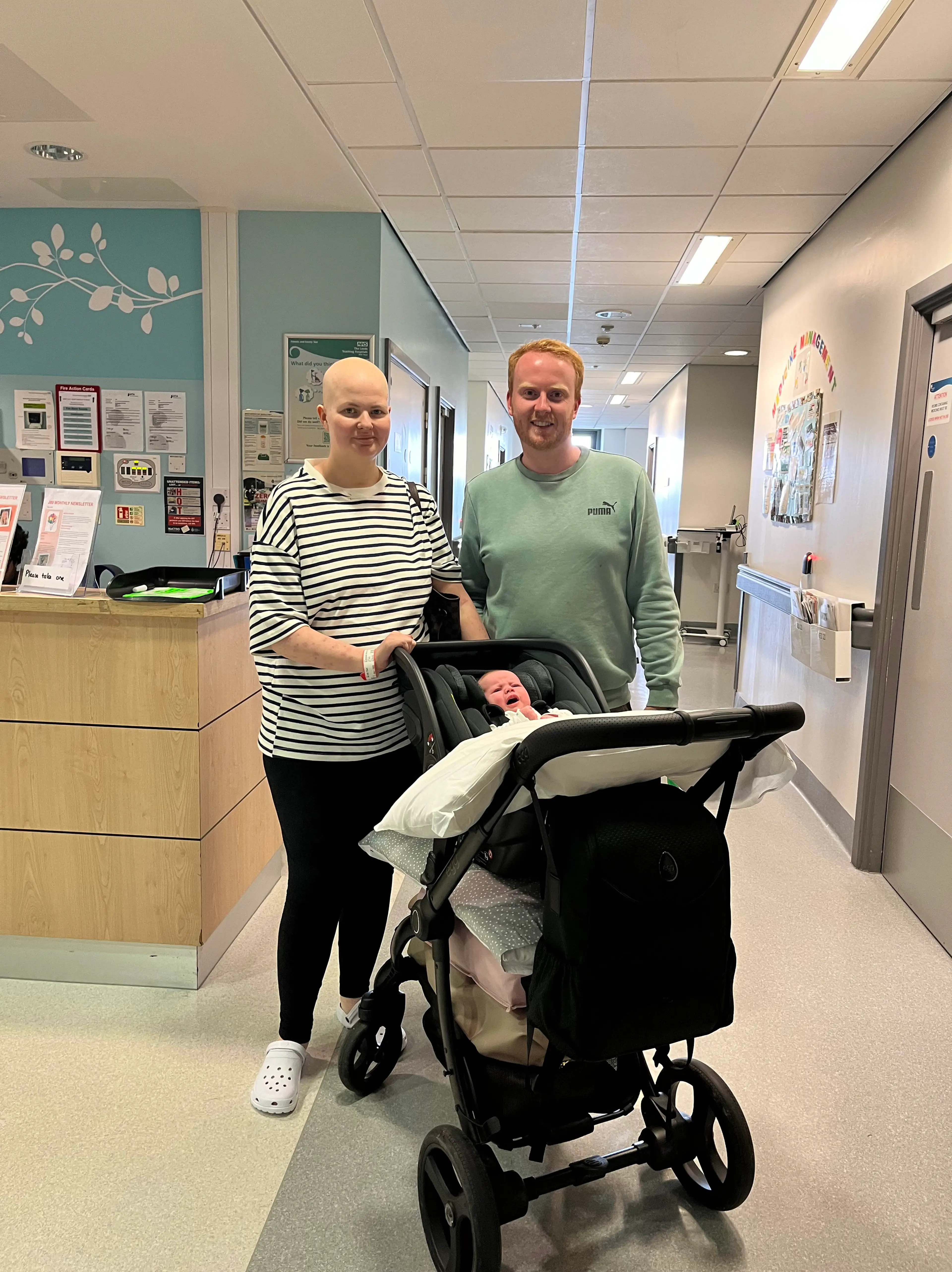
“It’s just a game of chance and I’ve just won on this occasion. To anyone diagnosed, just know that it’s all temporary and you can make a full recovery.
“That is the story I wish that I would have seen two years ago when I was lying in bed with a newborn. I wish I could have just found a story like mine and thought: ‘That’s going to be me’.”
Colin Dyer, chief executive of Leukaemia Care, said: “Rebecca’s story is a powerful reminder that leukaemia can strike at any stage of life – even during pregnancy. Every symptom she experienced had a perfectly innocent explanation, and that is exactly what makes this disease so difficult to catch.
“We are so grateful to Rebecca for sharing her experience and helping to show others that if something doesn’t feel right, it is always worth asking for a blood test.”
To find out more about Leukaemia Care’s ‘Spot Leukaemia’ campaign, visit here.
 James Holt