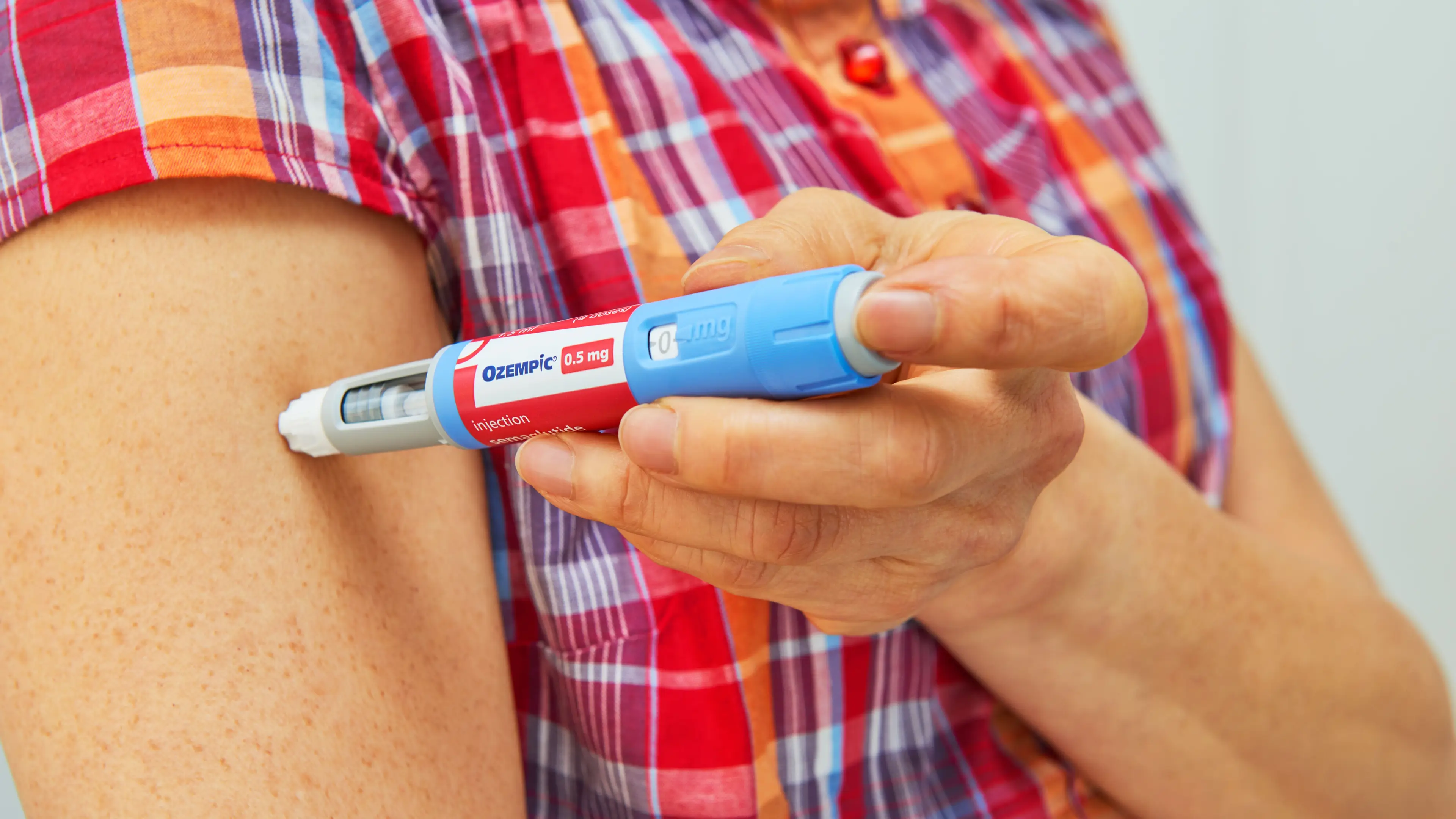
Ozempic and Wegovy have surprising new side effect and it's good news

With millions of people using GLP-1 medication like Ozempic and Wegovy to control their weight or diabetes diagnosis, research continues in to what potential side effects there could be from the now more widely accessible product.
And in a brand new health study from New Jersey in the United States - away from the findings around 'Darth Vader' side effects - researchers have found a new link between taking the likes of Ozempic and aggression.
The link is good news, with those taking the medication changing aggressive behaviour for the better.
As published in the Criminology journal, the Rutgers University research looked in to where taking the meds impacted violent criminal behaviour in adults.
Advert
Crucially, it factored this against two different factors that influence violence; impulsivity and alcohol consumption.
The timing of the finding couldn't be better after, as reported by our sister website Tyla, authorities in the UK have warned people to watch out for three signs of domestic violence during the World Cup, with the tournament leading to spikes in reports of incidents.
According to research referenced by the National Police Chiefs' Council (NPCC), reported incidents of domestic abuse rose by 38 percent when England lost a match. The number was still up by 26 percent even when England won.
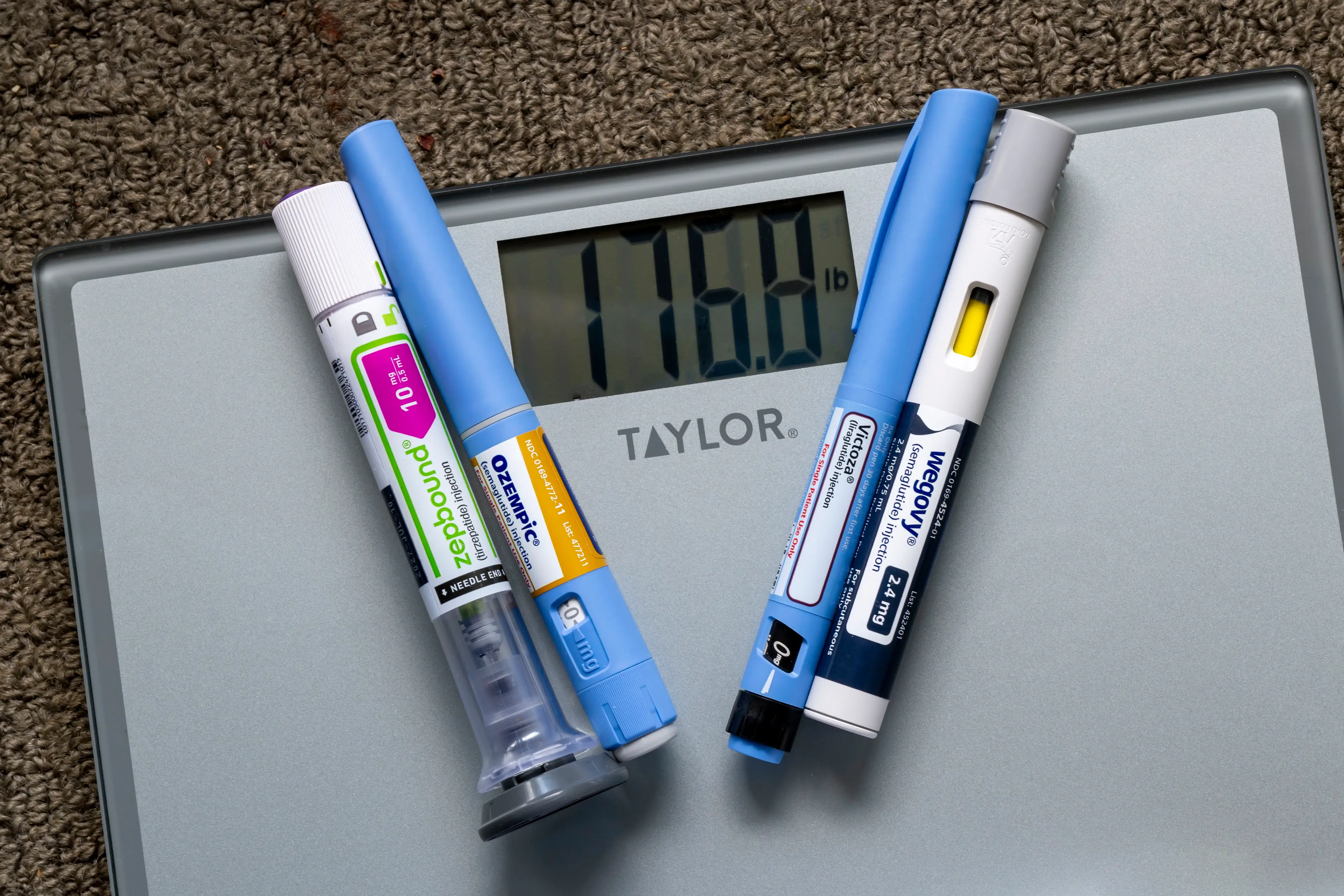
Link between violence and GLP-1s
The research from Rutgers surveyed 7,521 adults across the USA, with a focus on 821 people who had used Ozempic and co at some point in their life.
It looked at how using GLP-1s impacted the relationship between violent and impulsive behaviour, as well as alcohol use.
Daniel Semenza is the lead author of the study as well as the director of research at the New Jersey Gun Violence Research Center at the Rutgers School of Public Health, and an associate professor with the Rutgers School of Public Health.
Speaking about the findings, he said: "The strongest finding in the study was that the well-established link between impulsivity and violent behaviour was substantially weaker among current GLP-1 users compared to former users.
"As GLP-1 drugs become increasingly widespread, it is important to understand all of their potential behavioural effects, including those relevant to public safety."
Alcohol in particular
The entire study showed a much wider link between impulsive actions and drinking more alcohol, with both then linked to violence.
These were then lowered significantly among the cohort taking GLP-1s.
In fact, the researchers said the link with impulsivity and violence was a staggering 62 percent weaker comparing the two groups; this was 52 percent for the link between alcohol and violence.
"Our findings are consistent with these medications working like cognitive behavioral therapy, weakening the path from impulse to action rather than eliminating impulsivity itself," said Christopher Thomas, an assistant professor at Rutgers University-Camden and the coauthor of the study.
More research is now needed to reaffirm the findings.
Three signs of abuse during World Cup
Louisa Rolfe, the NPCC's Lead for Domestic Abuse, told Tyla of three warning signs to watch out for when it comes to people experiencing violence during the World Cup.
The first is being withdrawn, especially if someone becomes reclusive with their loves ones.
The second is losing contact with their support network because of the influencer of their abusive partner. Pay attention to comments like - 'I can't come and see you as much as I used to because they don't like it when I spend time with you'.
And the third is a loss of independence and with that, confidence. Coercion often leads to victims losing confidence in their own judgement, and withdrawing from what they once enjoyed.
 Tom Earnshaw