I tried a full-body MRI scan which revealed a health condition I never knew of

After spending my childhood and teenage years believing that serious illness and death were abstract concepts, the reality of my mortality hit me like a wall during my late twenties.
With constant articles highlighting the increasing rates of 11 different cancers amongst young people - including bowel cancer - coupled with losing a parent to the disease and the knowledge that a great-uncle died from a brain aneurysm at my age, it's fair to say that health and mortality are topics which have been on my mind in recent years.
There are, of course, NHS-funded opportunities to get health check-ups, such as a Health Check offered to Brits aged between 40 and 74 and screenings for certain cancers.
But as someone too young to qualify for the above, my approach to this recent onset of health anxiety has been 'cross my fingers and hope for the best'.
Advert
Enter the market of private health scans.
What is a full body health check? And why should you do one?
Health checks, or full-body MOTs, can vary, depending on the provider and the concerns you want targeted.
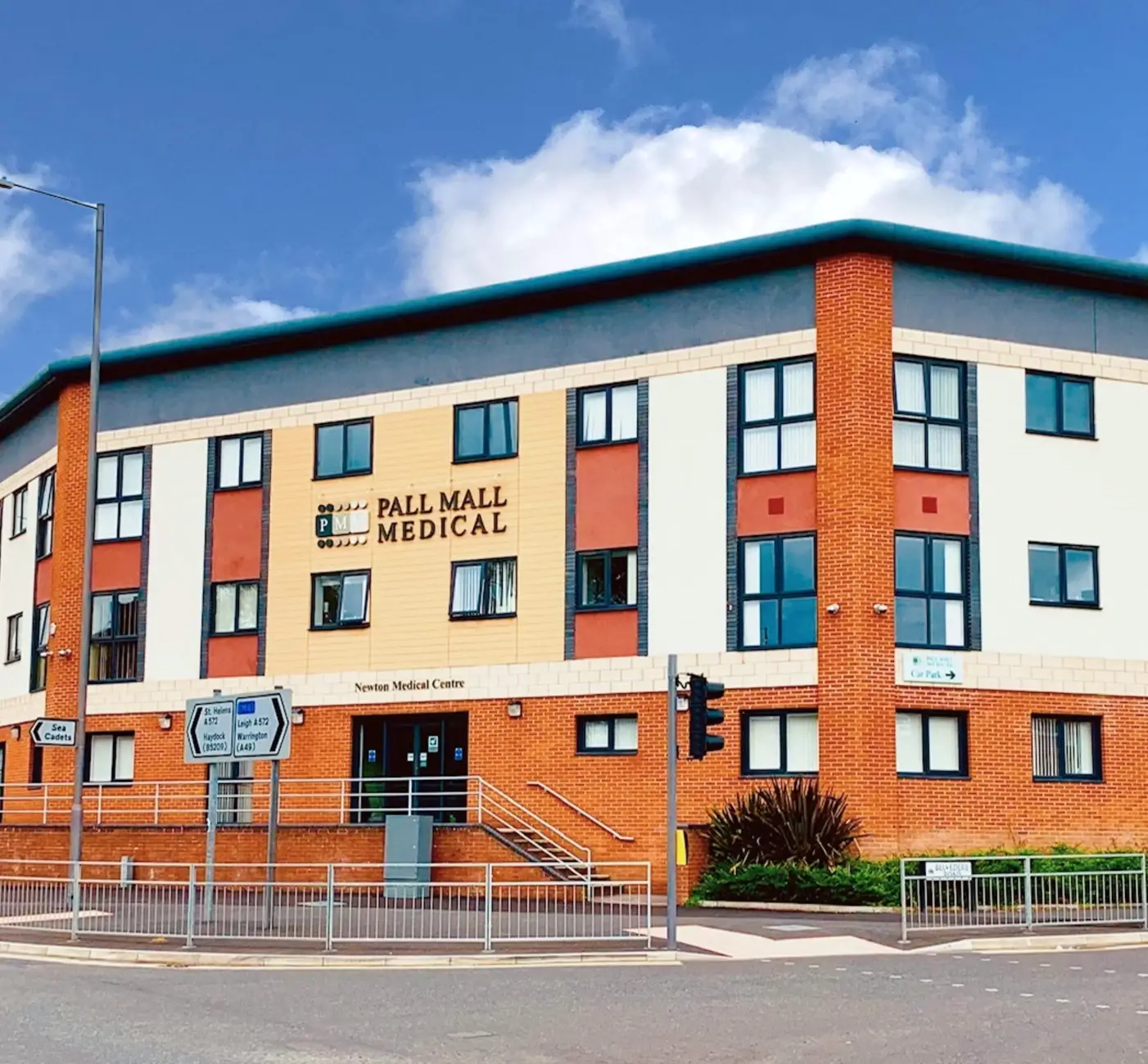
I underwent my scans through Pall Mall Medical at their hospital in Newton-le-Willows. Pall Mall also has clinics in Liverpool, Leeds and Manchester, serving clients across the North-West of England.
"They see body parts, but it depends on the scan [and] what area is targeted in that scan," Dr Chun Tang, a consultant at Pall Mall, said of the imaging process. "You see general anatomy, such as internal organs, etc. They are looking out for general gross pathology by using different sequences so we can see different views of how different body bits in the body behave under different sequences."
Dr Tang continued: "General screening is looking for abnormalities to then be able to be investigated further. We don't look for specific conditions; we are more looking for gross abnormalities to diagnose or refer for further tests.
"Bloods and scans complement each other. It is hard to choose one over the other as they have their own benefits. They are both beneficial and helpful in understanding your health."
How much does a private health check cost?
Private healthcare isn't cheap. I had the Platinum package, which costs £2995 at full price but is currently discounted to £1495.
While expensive, this is the most in-depth scan that Pall Mall offers, giving you an MRI of the brain, abdomen, pelvis and full spine alongside an ECG and blood test, which examines your full 61-Biomarker Blood panel as well as a PLAC test to assess your hidden heart attack and stroke risk.
Progesterone or Prostate-Specific Antigen (PSA) is also measured, depending on your gender, with the results taking anywhere between five and 10 working days.
There are also more affordable options on offer, with a general health overview of the brain, abdomen and pelvis currently available for £795.
And if you don't fancy spending your morning sitting in an MRI scanner, Pall Mall also offers various blood tests, including common allergens, hormones and cancer screening, starting from £47 depending on the test.
"Pick the two things you're most worried about," Dr Tang advised patients looking to invest in a private health check.
"If you get headaches and back pain, then you would get a head and spine. If you are getting brain fog and stomach pain, you would concentrate on these two areas.
"If you have absolutely no symptoms, then head and Abdo pelvis."
My experience
Scheduling the appointment was pretty straightforward; there was no GP referral needed and a scan was booked within two weeks of reaching out, which feels somewhat like cheating when you consider that an average of 19.6 percent of people referred for an MRI scan on the NHS had been waiting longer than six weeks in England, per NHS Wait Helper.
Wait times also vary by location and whether you've been urgently referred.
According to NHS England statistics, around 374,417 people up and down the country were waiting for an MRI at the end of September 2026.
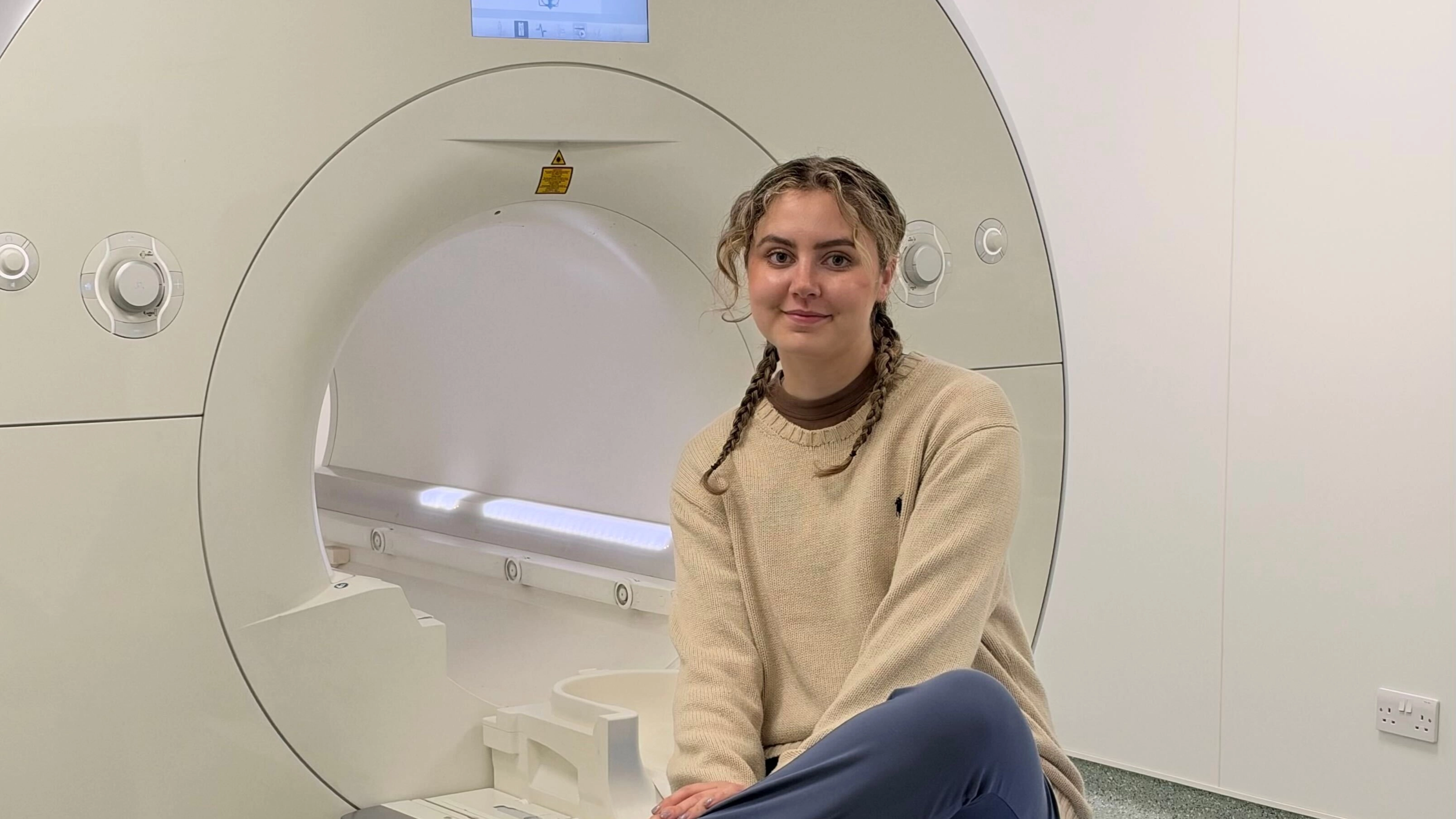
Arriving at Pall Mall at what felt like the crack of dawn (8am) on a brisk October morning, I made myself a cup of tea and got to work filling in the forms before a nurse called me in for my ECG and blood test.
As someone who has historically been squeamish when it comes to blood tests, the experience was seamless and reassuring. Just make sure you bring a snack to have directly afterwards.
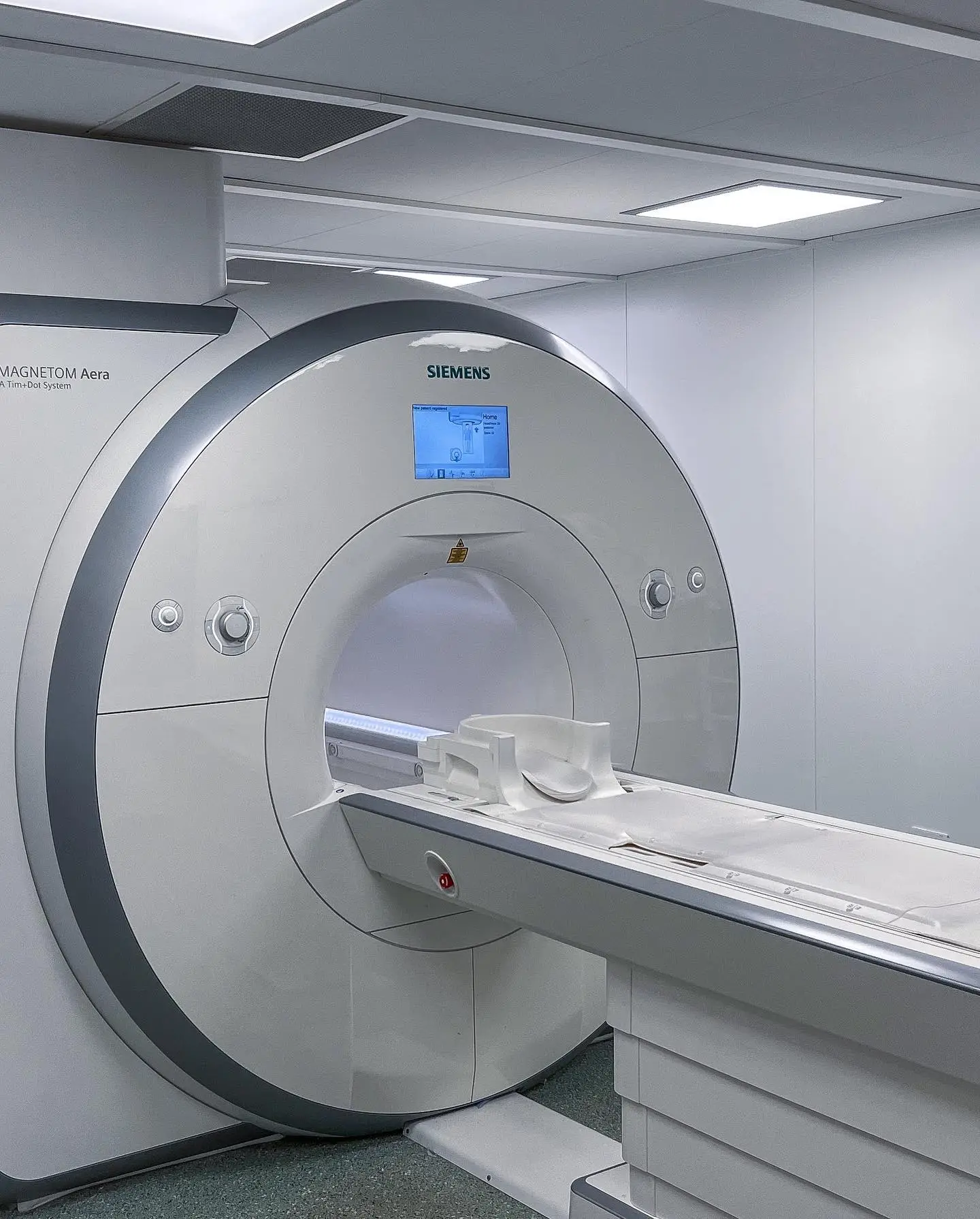
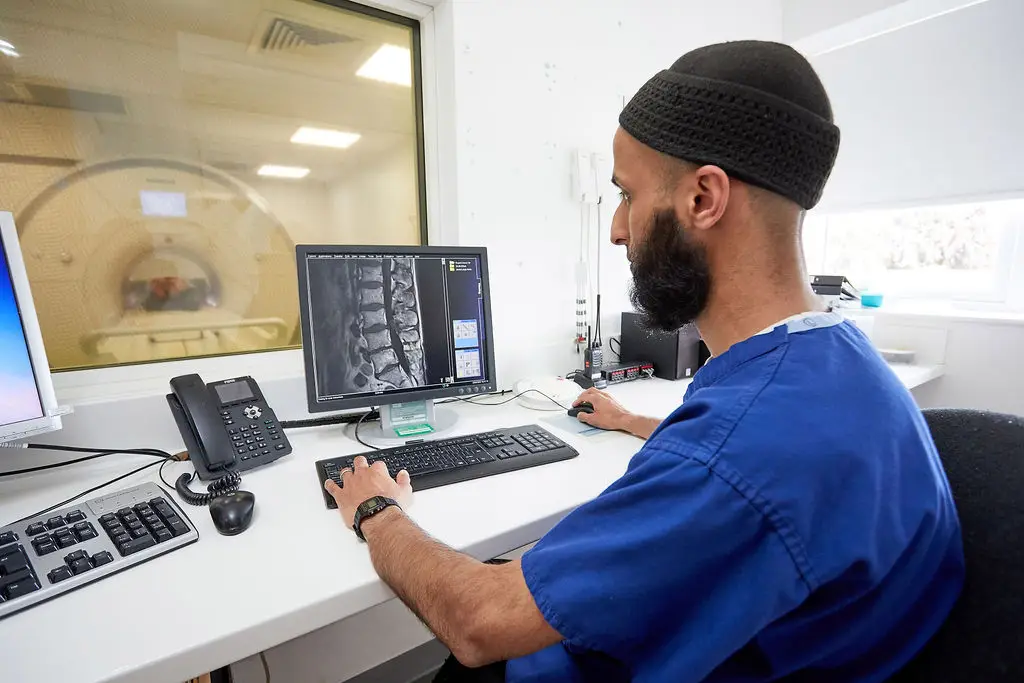
From there, I was sent upstairs for a short wait, roughly 10 to 15 minutes, before being called upstairs for my MRI. There's a secure locker to store your belongings, and a member of staff will make sure you're definitely not wearing anything metallic before you're led into the MRI room.
It's a little cold, so make sure you're dressed warmly. You'll then sit down on a bed with your legs raised slightly by a cushion, where you'll remain for the next hour or so, as a technician performs a variety of tests.
Unlike most people, I’m not particularly claustrophobic, so lying in a plastic sarcophagus for over an hour didn't bother me at all.
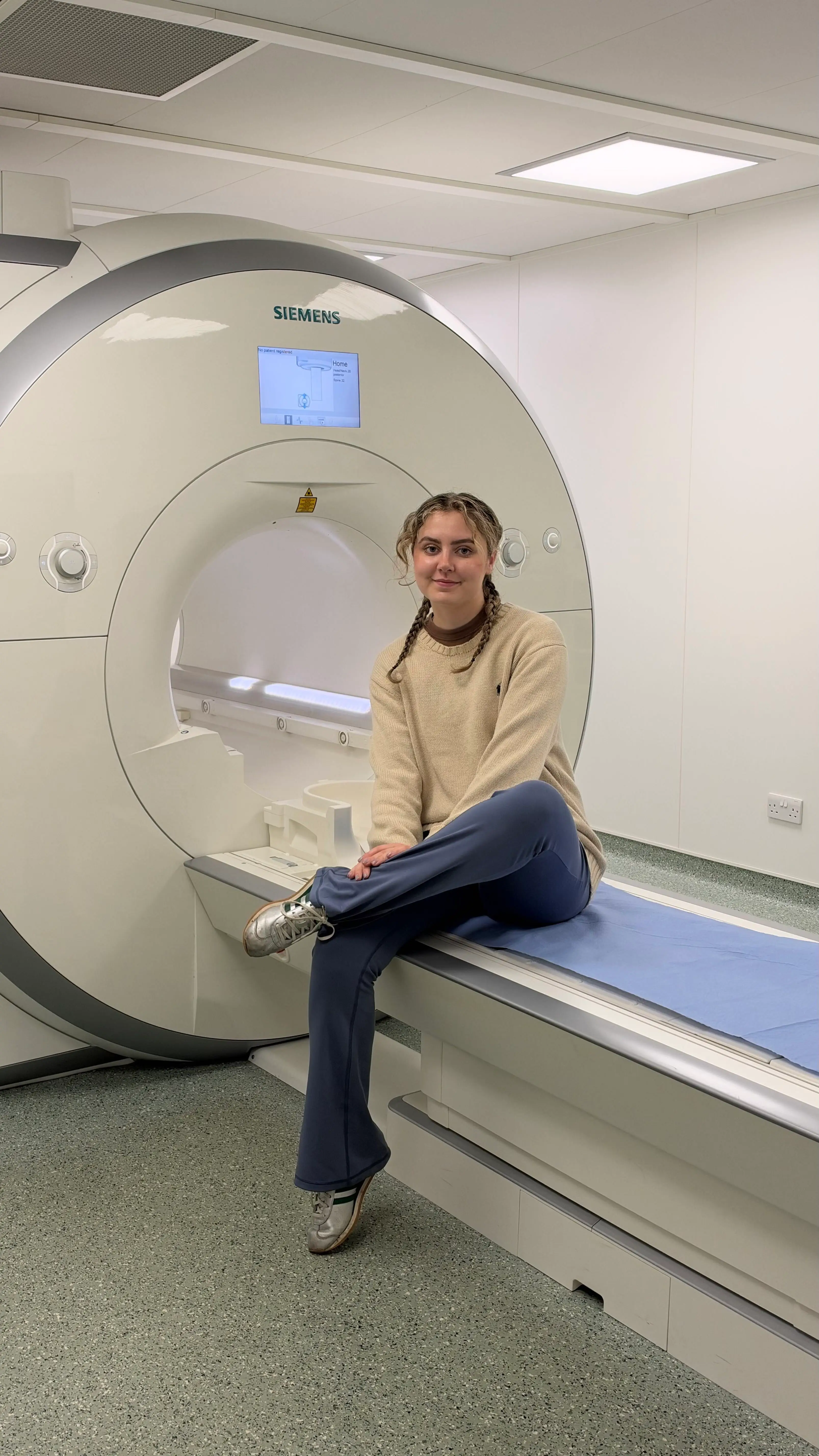
Just don't be fooled into thinking you could have a nap while in the machine, as the constant clanging of magnets sounds somewhat like a combination of someone drilling nearby and what a piece of paper experiences when it’s pushed through a printer.
My results
After the scans were completed, it took roughly five working days to get a report back, which detailed all of my scan results.
Fortunately for myself, there were no scary or concerning findings, which was a huge relief for someone with a combination of health anxiety and a family history of cancer.
This isn't to say it was a completely clear set of scans, as my bloods revealed that I have low vitamin D, iron and testosterone, the latter of which was a complete surprise.
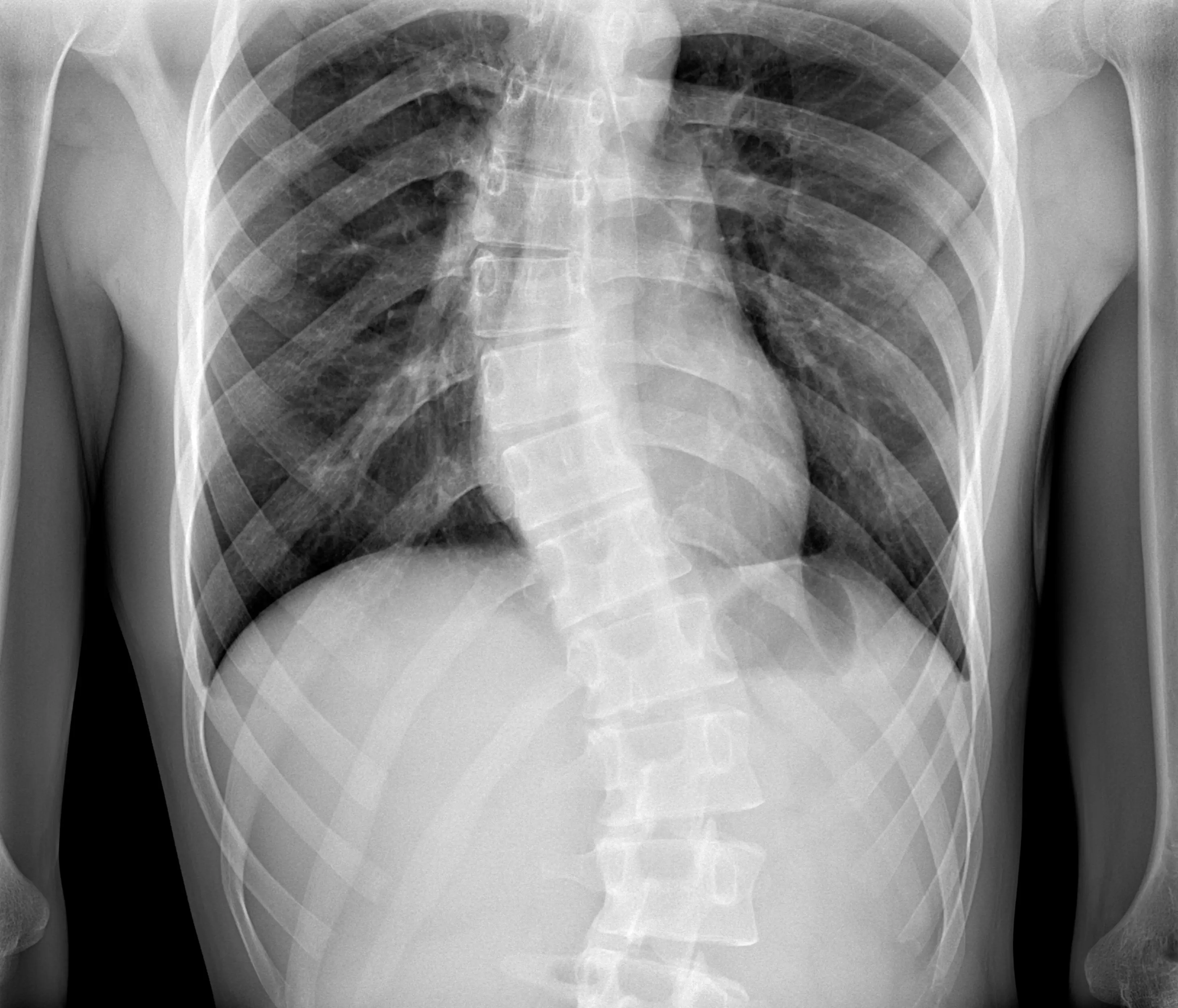
I also learnt something new about my body: mild scoliosis, which explains the back pain I get when sitting for extended periods. Fortunately, this should be manageable through physical therapy and targeted exercise.
Is preventative healthcare a worthwhile investment?
Paying out of pocket for a healthcare scan to get the 'all clear' may seem like a waste of money for some people. But it could also be the first chance to catch a disease at its earliest stages, even when you're not aware that something is wrong with your body.
"100 percent," Dr Tang said when asked if people who can afford to should consider private healthcare. "There have been lots of patients who have been to us with no symptoms, and we have picked up things they would not have known about otherwise."
One such example of this is Andrew, who was diagnosed with early kidney cancer after booking a Full Body Reassurance Scan with Pall Mall. The 67-year-old booked the scan after noting a 'few general worries at the back of [his] head' such as aches and pains.
Feeling as though his concerns weren't serious enough to visit his GP, Andrew decided to invest in a private body check and visited the clinic. It was through this MRI that he discovered a stage one kidney tumour, allowing him to undergo early treatment.
Although kidney cancer has a 90 percent survival rate in its early stages, it's often hard to detect due to minor or overlapping symptoms, meaning the disease isn't typically caught until it's more advanced.
"I don’t say this lightly, but it has probably saved my life," Andrew said of his decision to get the scan.
Of course there's an elephant in the room to acknowledge when it comes to the cost of the scans, as not everyone has a couple hundred, or thousand, pounds hiding down the sofa to spend on a body scan every couple of years.
It's not something I'd be able to afford to keep up with. However, having an in-depth understanding of my health as I reach the twilight years of my twenties has been certainly worthwhile and something I'd revisit once I approach middle age.
 Brenna Cooper