Expert reveals how to truly kill 'highly contagious' diarrhoea bug that is even resistant to hand sanitiser

It's that time of year again, with colder months comes more sickness and the spread of illness - with experts now revealing how one particularly nasty bug doing the rounds is even resistant to hand sanitiser.
Brits have been urged to ‘stay at home’ if they show any symptoms of the quickly spreading bug that causes vomiting and sudden diarrhoea.
The UK Health Security Agency (UKHSA) issued the fresh warning after recorded cases of the nasty winter bug rose across the country in recent weeks.
Those who show symptoms are urged to stay at home for at least 48 hours to make sure they are no longer contagious.
Advert
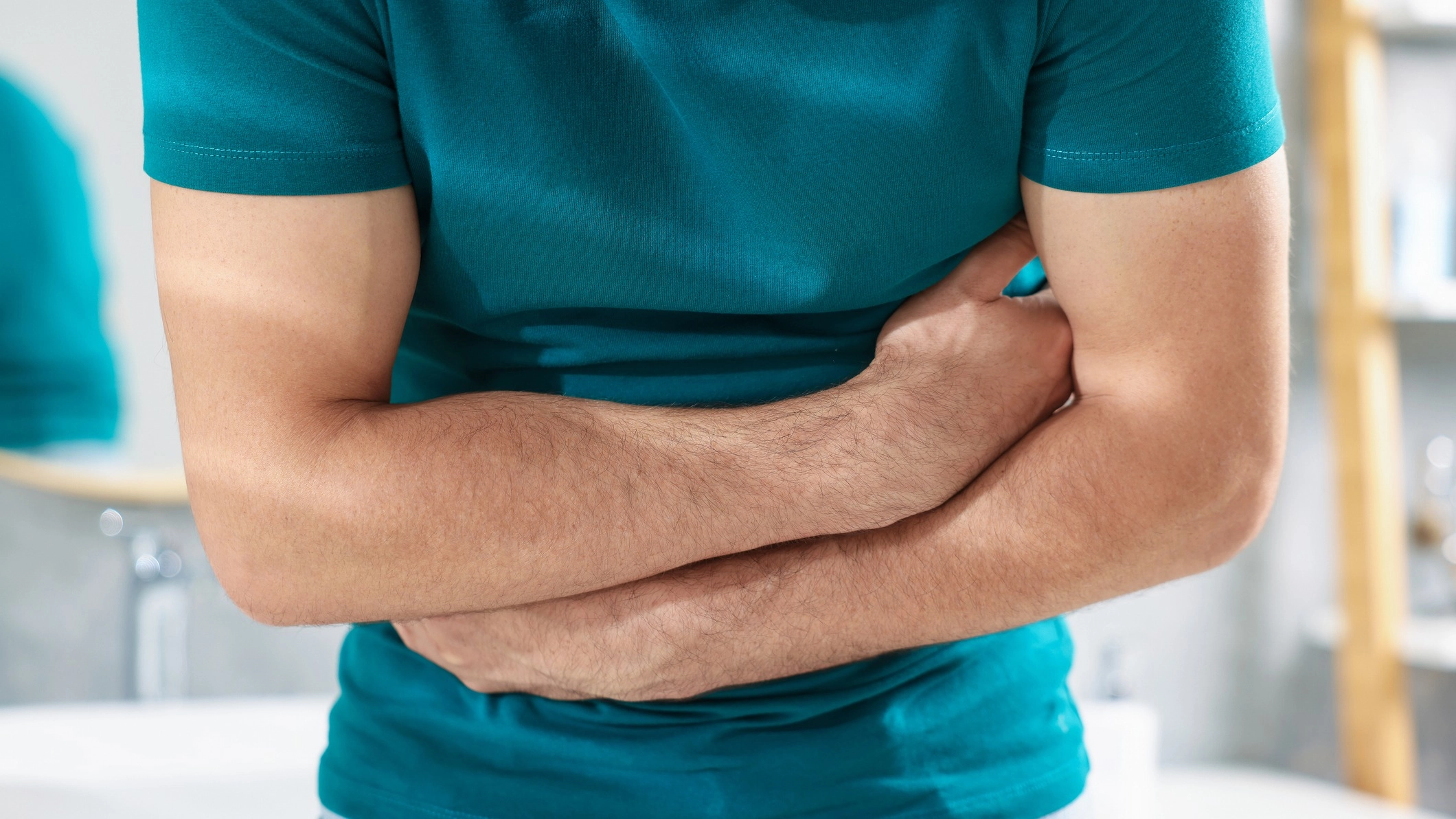
The winter bug, officially known as norovirus, can cause severe gastroenteritis which can lead to vomiting, diarrhoea and fever. Symptoms often start suddenly and ‘spreads easily’ from person to person through direct contact or touching surfaces where a person with norovirus has been.
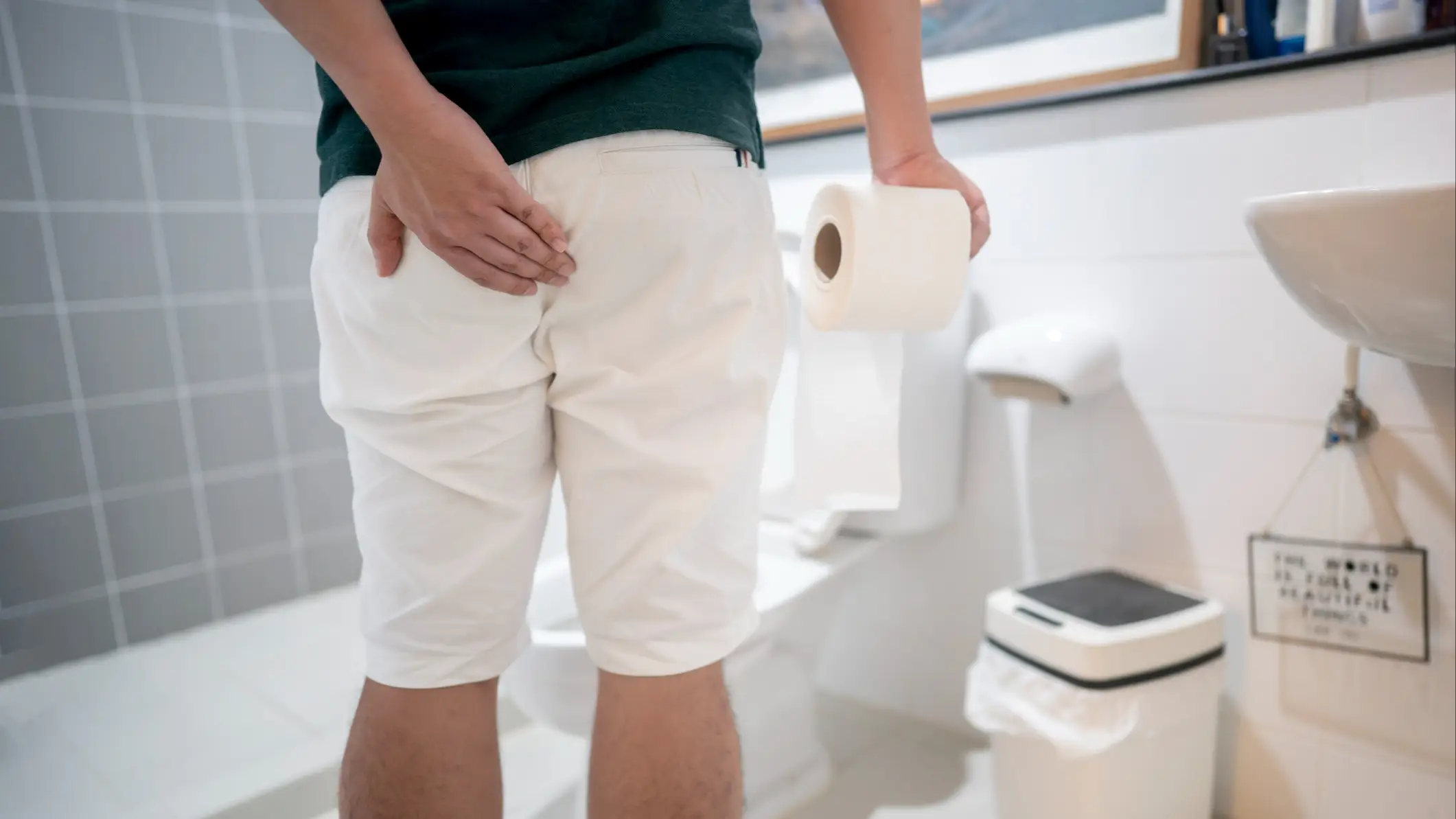
But there are also other effects of catching the illness, with people at risk of severe dehydration if they catch it.
It isn’t the first surge this year either, as cases of the viral infection spiked earlier in 2026.
But now a health expert has revealed that hand sanitiser alone won't do anything to kill the bacteria and explained exactly how to get rid of it.
Due to its way of spreading through contact, it means it is much more likely to be prevalent in schools, hospitals, workplaces and public transport during the colder months.
Just being in close contact with someone infected can mean you fall ill, according to the NHS, as does touching surfaces or objects that have the virus on them and touching your face or mouth.
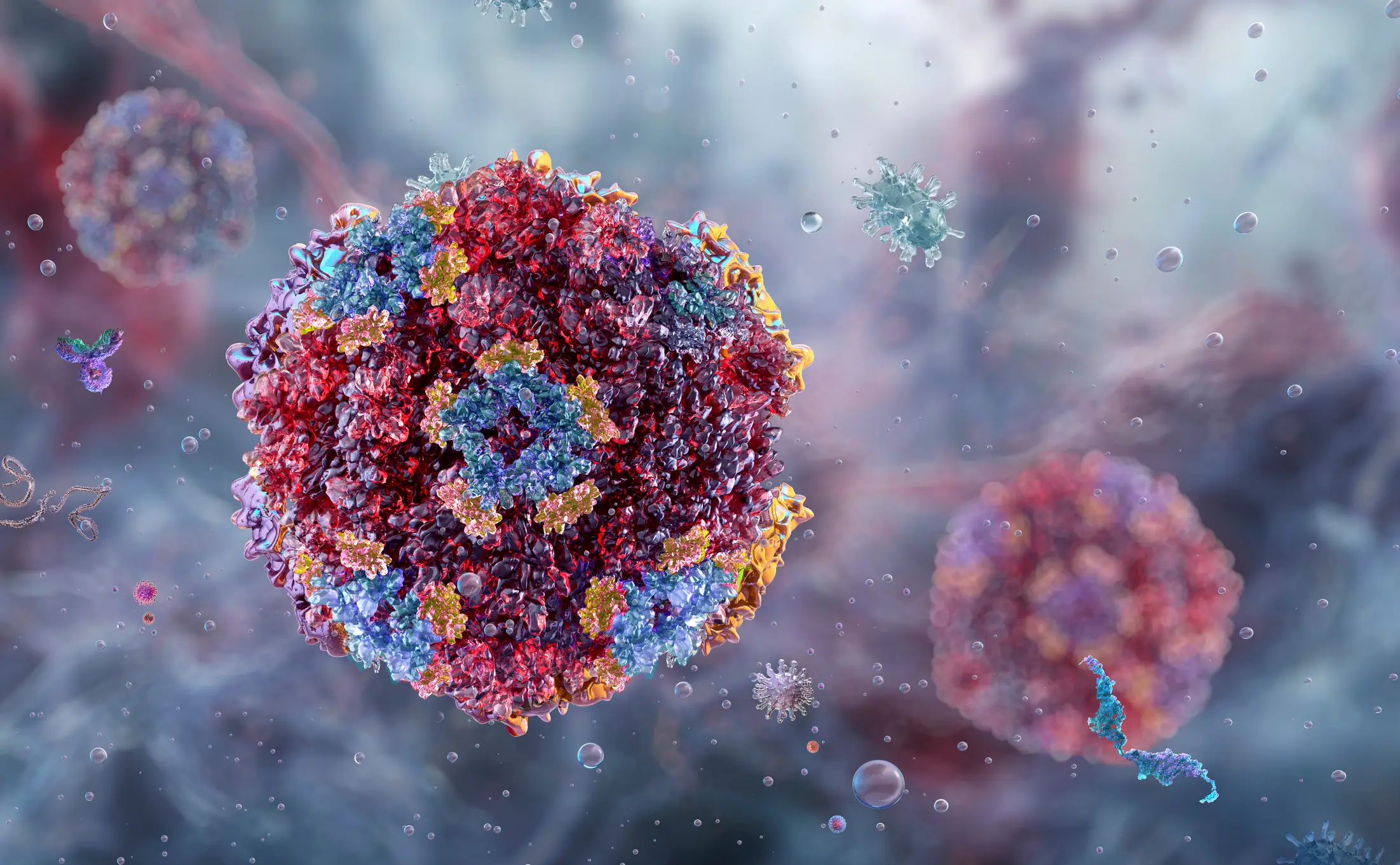
Warning against using hand sanitiser
Speaking to LADbible, Dr Hussain Ahmad, an experienced hospital doctor and consultant practitioner in the UK, explained the one best way for people to prevent the spread of norovirus in the first place.
He said: "Norovirus is highly contagious, with even a very small amount of the virus being enough to make someone ill. This is why it spreads so quickly throughout homes, schools, care homes, hospitals and even cruise ships.
"Cases of norovirus, sometimes referred to as the winter vomiting bug, tend to spike in the UK in winter because people tend to spend more time indoors and closer together during the winter months.
"The number of cases usually begin to rise from autumn onwards, although the exact peak can vary every year.
"Most people get better in two to three days but the biggest risk is becoming dehydrated, particularly young children and older people, along with anyone who has a weakened immune system.
"Contrary to belief, alcohol hand gel and hand sanitiser doesn’t kill norovirus. Instead of using it, you should wash your hands using soap and warm water. You should also clean any surfaces with a bleach-based product and wash any soiled bedding at 60 degrees centigrade.
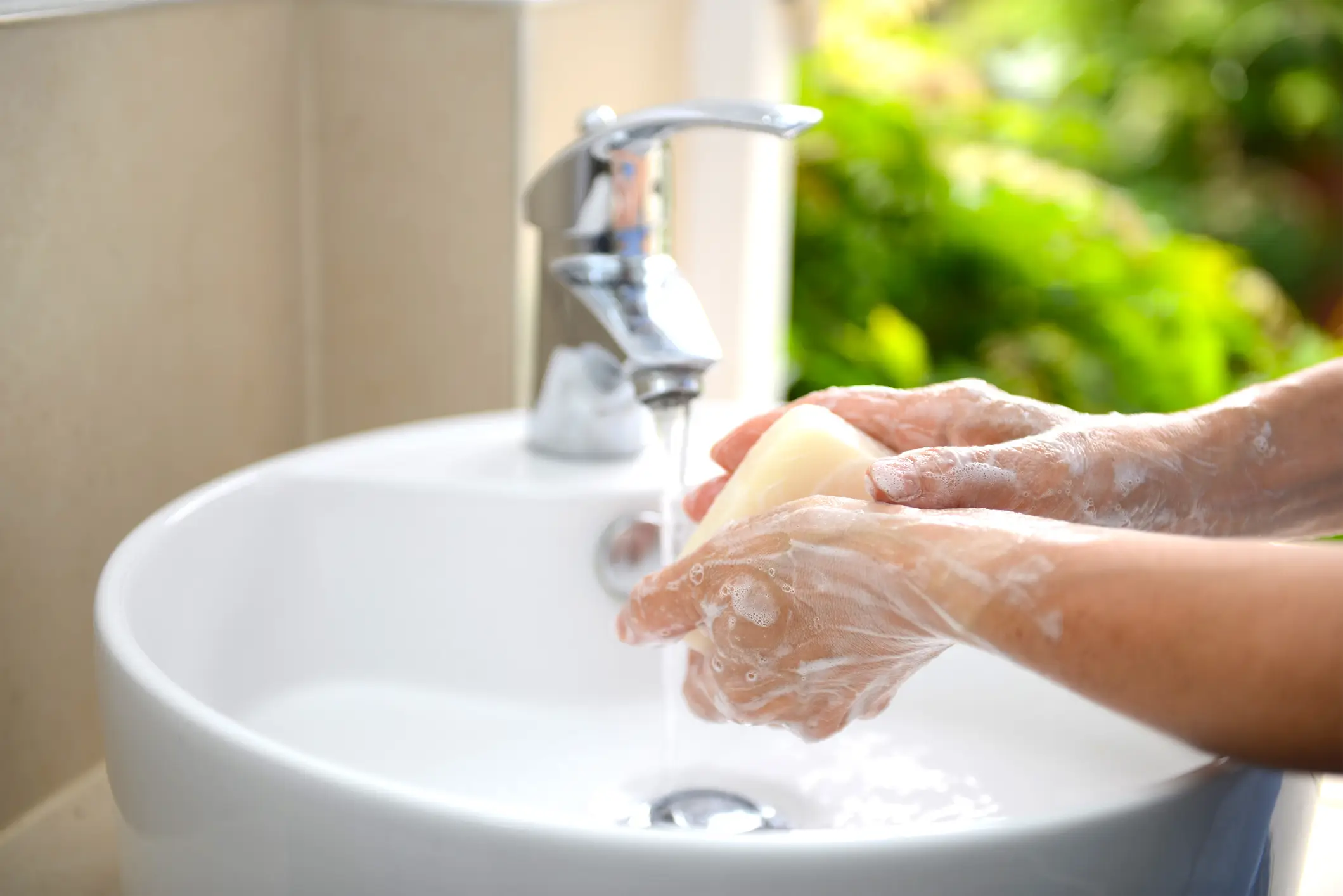
|If you catch norovirus, you should stay off work or school for at least 48 hours after your symptoms have stopped. You shouldn’t prepare for food for others during this period either, as you can still spread the virus even after you feel better."
The UKHSA confirmed that each year, cases of norovirus are monitored as the bug puts additional pressure on health and social care services.
New data has now revealed that reports of the bug were recorded at 137 cases for the week beginning 26 October and 154 for the following week for 2 November. For the week starting 9 November, this had increased to 177.
This was a significant increase from earlier in October, with 78 cases recorded two weeks before, starting 12 October.
Despite this, figures are still in-line with seasonal averages and the typical rise in cases into the colder winter months.
 James Holt